10 Alternative Uses for Sawdust Beyond the Workshop
Discover creative and practical ways to repurpose sawdust waste from your woodworking projects.
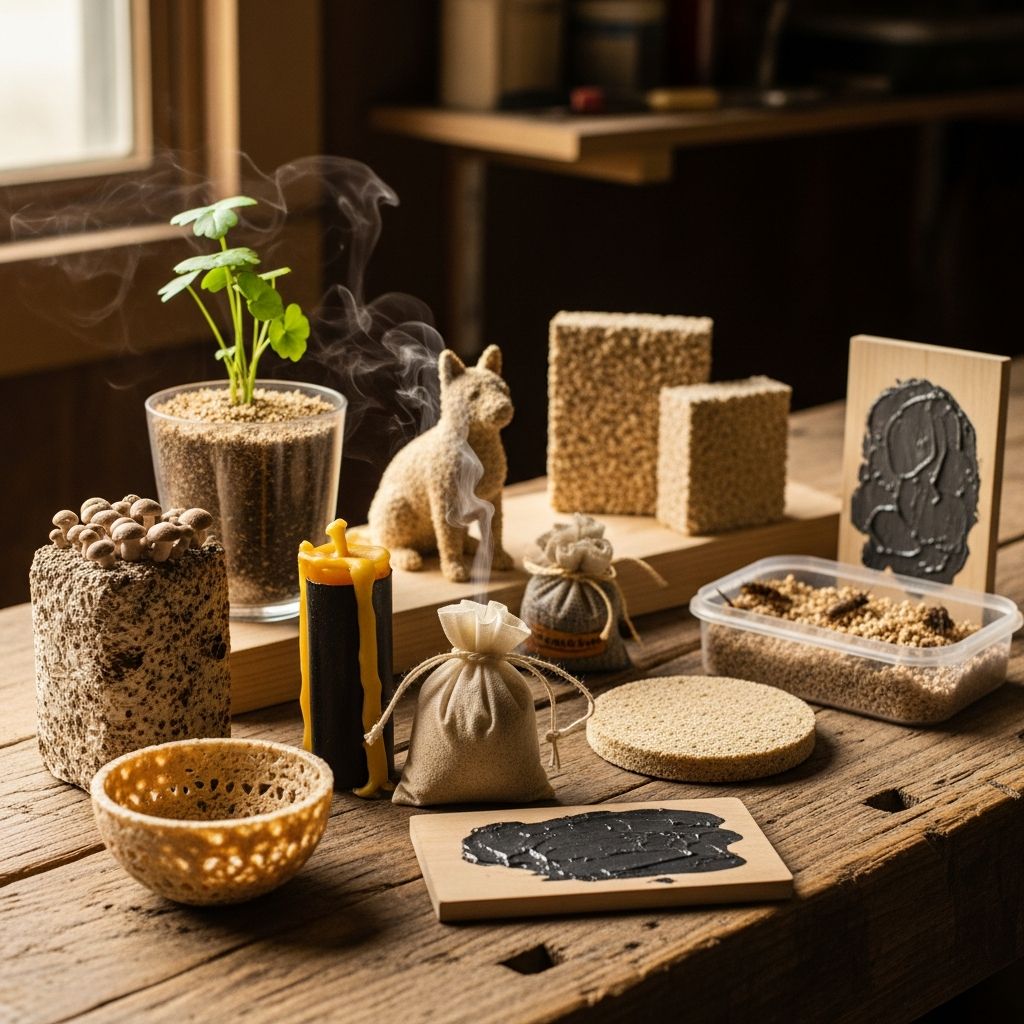
If you spend significant time in a woodworking shop, you’ve probably accumulated substantial piles of sawdust. Rather than disposing of this byproduct, consider the numerous practical and creative applications that can transform your workshop waste into valuable materials. Sawdust possesses remarkable versatility—it’s absorbent, economical, and environmentally friendly when properly utilized. This comprehensive guide explores ten alternative uses for sawdust that will help you maximize your waste reduction efforts and discover innovative solutions for common household and workshop challenges.
1. Create Homemade Fire Starters
One of the most popular and practical uses for sawdust is creating custom fire starters. This simple yet effective method combines sawdust with melted wax to produce reliable ignition aids for camping trips, fireplaces, or outdoor fire pits. The process requires minimal investment and uses materials you likely already have on hand. To make your own fire starters, gather fine sawdust from untreated wood species like pine or cedar, which ignite more readily than hardwoods. Collect old candle remnants or purchase inexpensive paraffin wax from craft stores. Melt the wax carefully using a double boiler method, then mix it thoroughly with your sawdust until well combined. Pour this mixture into ice cube trays or egg carton compartments and allow it to cool completely. Once solidified, you can break the blocks into individual fire starters and store them in a container for convenient access whenever you need reliable ignition.
The advantage of homemade fire starters extends beyond cost savings. You’ll have consistent, quality igniters tailored to your specific needs without the expense of commercial alternatives. Importantly, ensure you only use sawdust from untreated, non-stained wood, as chemicals in treated lumber can emit hazardous smoke when burned, creating health and safety concerns.
2. Absorb Workshop Spills and Leaks
Sawdust functions as an excellent absorbent material for managing various liquid spills throughout your workshop or garage. Its fine, porous structure allows it to quickly soak up paint, grease, oil, coolant, antifreeze, varnishes, dyes, and water. When faced with a spill, simply distribute a light layer of sawdust over the affected area and allow it several minutes to absorb the liquid completely. The saturated sawdust can then be swept up easily with a broom and disposed of appropriately. This method proves particularly effective because it eliminates the need for expensive commercial spill absorbents while providing comparable results.
For optimal absorption, use finer sawdust rather than larger chips. You can sieve your sawdust collection using an inexpensive mesh screen to separate the finest particles, which work best for liquid absorption. This practical application makes sawdust an indispensable component of any well-organized workshop, offering a cost-effective solution that reduces waste disposal expenses while maintaining a clean, safe working environment.
3. Enhance Your Garden with Mulch
Sawdust serves as an excellent mulch option for gardens, pathways, and landscaping projects when applied correctly. When used as mulch around trees and garden beds, sawdust helps retain soil moisture and effectively suppresses weed growth. The layer of sawdust blocks sunlight from reaching weed seeds, preventing germination while simultaneously reducing water evaporation from the soil surface. This dual benefit makes it particularly valuable for gardeners seeking natural, chemical-free solutions to common gardening challenges.
However, application requires careful consideration of wood species and soil conditions. Use sawdust in moderation and combine it with nitrogen-rich materials or manure to prevent nitrogen depletion in your soil. Certain wood types, particularly black walnut sawdust, can actually inhibit plant growth and should be avoided. Research the specific plants you’re cultivating to ensure sawdust won’t negatively impact growth. Mushroom cultivation represents an exception where sawdust proves exceptionally beneficial, making it ideal for specialty gardening projects.
4. Build Your Compost Pile
Adding sawdust to your compost pile accelerates decomposition while improving the final compost quality. As organic matter, sawdust contributes carbon to the composting process, balancing nitrogen-rich kitchen scraps and grass clippings. When combined with animal manure in appropriate ratios, sawdust becomes part of an excellent fertilizer system that enriches compost with valuable nutrients. The fine structure of sawdust facilitates better aerobic breakdown compared to larger wood chips, resulting in faster compost maturation.
The composting process transforms sawdust, combined with other organic materials, into dark, nutrient-rich humus suitable for garden amendments. This cycle exemplifies circular economy principles—converting workshop waste into garden gold. Your composting efforts reduce landfill waste while producing free, high-quality soil amendment for ornamental and vegetable gardens.
5. Fill Woodworking Defects and Imperfections
Woodworking projects often feature small cracks, holes, dents, or gashes that detract from finished appearance. Sawdust serves as an ideal filler material when combined with wood glue or epoxy resin, particularly for achieving color-matched repairs. The process involves sieving your sawdust collection to obtain the finest particles, which blend seamlessly with wood grain. Mix the fine sawdust with wood glue or epoxy until achieving a thick paste consistency, then apply this mixture directly into defects using a putty knife or similar tool.
After application, allow the filler to cure completely according to product instructions, then sand the repaired area smooth with surrounding wood surfaces. This technique works exceptionally well for minor blemishes and touch-ups, though commercial fillers may prove more effective for substantial damage requiring significant structural repair. The advantage of using matched-wood sawdust lies in achieving invisible repairs that blend naturally with your project’s final finish, whether stained or clear-coated.
6. Create Ecological Packing Material
Shipping handmade woodworking items or other fragile goods requires protective cushioning, and sawdust provides a cost-free alternative to bubble wrap or commercial packing peanuts. Sawdust offers equivalent protection for fragile items while eliminating both monetary expenses and environmental impact associated with petroleum-based packaging materials. The natural density and slight compression of sawdust cushion contents effectively, preventing damage during transit.
This sustainable packaging solution proves particularly valuable for craftspeople selling handmade items, as it represents zero additional expense while reducing environmental footprint. Recipients appreciate receiving items packaged in natural, recyclable materials rather than synthetic packing materials. Simply layer sawdust around packaged items in shipping boxes, ensuring adequate cushioning on all sides to prevent movement and potential breakage during handling and transport.
7. Eliminate Workshop Odors
Persistent, unpleasant odors emanating from trash cans, compost containers, and recycling bins can compromise workshop atmosphere and create unhygienic conditions. Sawdust functions as an effective odor control agent when sprinkled at the bottom of these containers. The absorbent properties of sawdust trap moisture and volatile compounds responsible for offensive smells, keeping your workspace fresh and pleasant. This application proves especially valuable in workshops where organic waste accumulation could otherwise create sanitation issues.
Implementation requires minimal effort—simply distribute a thin layer of sawdust at container bottoms, and replace it when disposal day arrives. This straightforward technique provides ongoing odor control without chemical deodorizers, offering a natural, sustainable approach to maintaining clean working conditions. The sawdust can then be composted along with contained waste, completing the sustainability cycle.
8. Provide Natural Animal Bedding
Sawdust functions as an excellent, cost-effective bedding material for livestock and pets due to its natural insulation properties and absorbent characteristics. The fine, dense structure of sawdust provides superior comfort and temperature regulation compared to many commercial alternatives. For horse stalls, poultry operations, and other livestock applications, sawdust bedding can generate substantial annual savings compared to commercial wood pellet products.
When implementing sawdust bedding, absolutely ensure the material originates from untreated, non-toxic wood species. Never use sawdust containing black walnut or other toxic wood dust, as these materials can cause serious health complications in animals. The absorbent qualities of sawdust keep animals dry and comfortable while requiring regular mucking out and replacement. This application represents an efficient waste recycling method that simultaneously improves animal husbandry conditions and reduces operational expenses.
9. Improve Winter Traction and Safety
Winter weather creates hazardous icy conditions on driveways, walkways, and outdoor work surfaces. Sawdust provides an effective, economical alternative to commercial ice-melting products or salt-based treatments. When sprinkled on ice, sawdust increases surface friction for boots and tire treads, significantly reducing slip-and-fall hazards. The dark color of sawdust also promotes solar heat absorption, facilitating gradual ice melting through natural processes.
This practical application utilizes sawdust as a byproduct without generating additional waste, making it an environmentally responsible choice compared to chemical deicing compounds that can harm soil, vegetation, and water systems. Simply distribute sawdust generously over icy surfaces before foot or vehicle traffic, and sweep or shovel excess material after ice melting occurs. The remaining sawdust can be incorporated into garden beds, compost piles, or disposed of through regular waste removal services.
10. Construct Compressed Fuel Blocks
An innovative approach to heating involves combining sawdust with shredded paper or newspaper and a binding agent to create compressed fuel blocks suitable for fireplaces and wood stoves. This method produces solid burning blocks that generate substantial heat output while consuming workshop waste that might otherwise require disposal. The process involves gathering sawdust with shredded paper, adding a bonding agent such as wax or water, then compacting the mixture using specialized equipment or improvised methods.
Once compressed and dried, these blocks provide an economical fuel source that extends your firewood supplies while eliminating waste disposal expenses. Woodworkers and sawmill operators particularly benefit from this application, as it transforms voluminous sawdust piles into manageable, burnable blocks. The resulting fuel delivers comparable heat output to conventional firewood while utilizing materials that would otherwise require landfill disposal, representing an excellent example of resourceful waste management.
Important Safety Considerations
When implementing these sawdust applications, several critical safety factors merit attention. Always verify that sawdust originates from untreated, non-stained lumber before using it in applications involving animals, food production, or direct skin contact. Sawdust from pressure-treated, stained, or chemically-treated wood contains toxic compounds that can cause serious health effects through inhalation, ingestion, or absorption. Additionally, certain wood species like black walnut possess natural toxins harmful to plants and animals, necessitating careful material sourcing before implementation.
Frequently Asked Questions
Q: Can I use any type of sawdust for animal bedding?
A: No. Only use sawdust from untreated, non-toxic wood species. Avoid black walnut and pressure-treated lumber, as these contain harmful substances that can sicken animals or cause serious health complications.
Q: Is sawdust suitable for all types of gardens?
A: Sawdust works well for many applications but requires research specific to your plants. Certain species benefit from sawdust mulch, while others may experience growth inhibition. Black walnut sawdust should never be used in gardens, as it contains allelopathic compounds that kill most plants.
Q: How do I prepare sawdust for use as wood filler?
A: Sieve your sawdust through fine mesh to remove large particles and chips. Mix the finest sawdust with wood glue or epoxy resin until achieving a thick paste consistency, then apply to defects and sand smooth after curing.
Q: What type of sawdust works best for fire starters?
A: Fine sawdust from softwoods like pine or cedar ignites most readily. Always ensure the sawdust comes from untreated wood, as chemicals in treated lumber emit hazardous smoke when burned.
Q: Can I use sawdust directly from my shop floor?
A: Shop floor sawdust contains mixed wood species and potentially hazardous dust. For most applications, collect and sieve fresh sawdust from your cutting operations, storing different wood species separately for specific uses.
Q: How much sawdust should I add to my compost pile?
A: Use sawdust as a carbon source in appropriate ratios with nitrogen-rich materials. A rough balance of three parts brown materials (like sawdust) to one part green materials (like grass clippings) works well for effective composting.
References
- Uses for wood shavings and sawdust — Sawmill Creek Online Community. Retrieved December 3, 2025. https://sawmillcreek.org/threads/uses-for-wood-shavings-and-sawdust.256394/
- 9 Ingenious Ways Craftsmen Can Repurpose Sawdust — MICI. Retrieved December 3, 2025. https://mici.com/9-ingenious-ways-craftsmen-can-repurpose-sawdust/
- 13 Things You Can Do With Sawdust You Haven’t Thought Of — Woodworking & DIY WhizDumb. YouTube. Retrieved December 3, 2025. https://www.youtube.com/watch?v=vidof11sgTc
- 7 Ways to Upcycle Your Sawdust — WoodWorkers Guild of America. Retrieved December 3, 2025. https://www.wwgoa.com/post/7-ways-upcycle-sawdust
Similar Articles







Read full bio of medha deb