10 Dos And Don’ts For Home Sellers: Maximize Your Sale
Master the art of selling your home with essential tips to attract buyers and maximize your sale price.
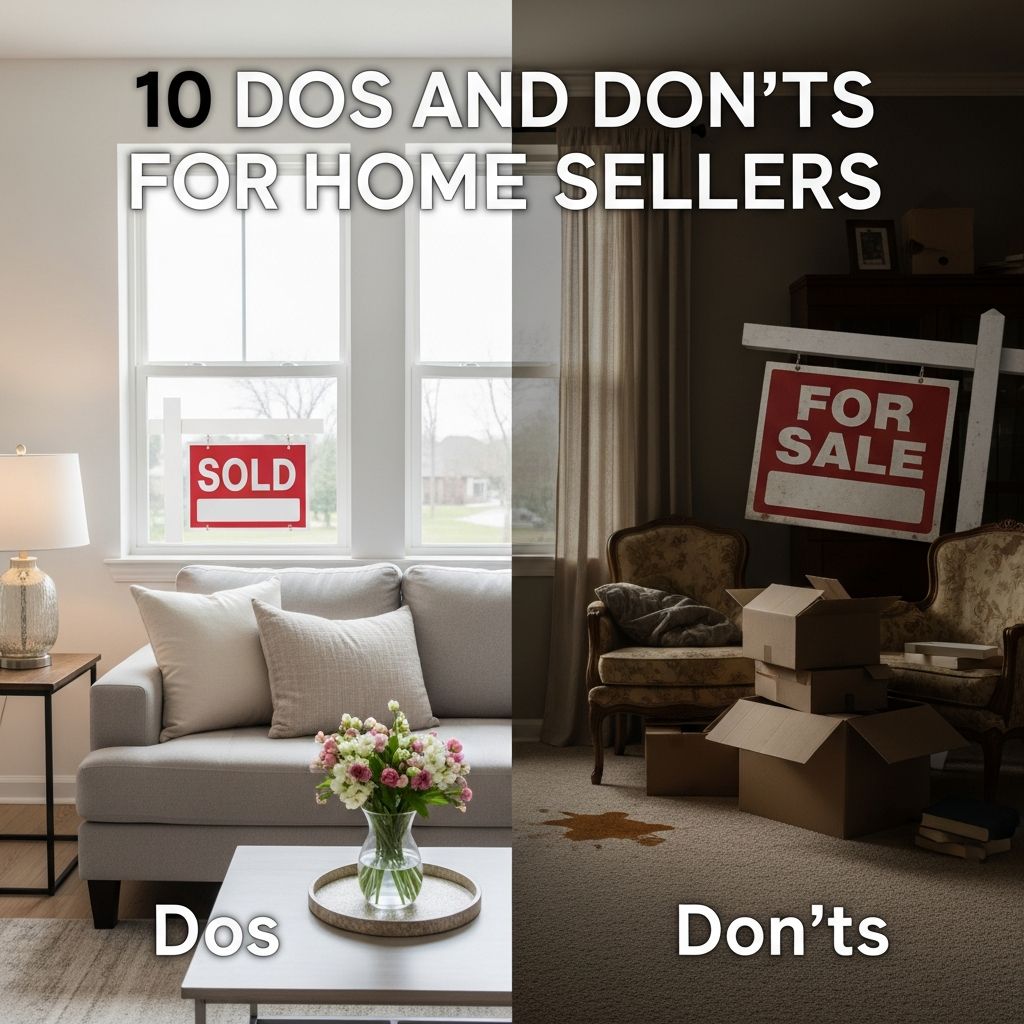
Selling a home is one of the most significant financial transactions most people undertake. Whether you’re a first-time seller or have sold properties before, understanding the crucial dos and don’ts can dramatically impact your success. The difference between a smooth, profitable sale and a prolonged listing with disappointing offers often comes down to preparation and smart decision-making. This comprehensive guide outlines the essential strategies and pitfalls to avoid when preparing your home for sale.
DO: Price Your Home Competitively from the Start
One of the most critical decisions you’ll make is setting the right asking price. Overpricing your home is one of the quickest ways to limit buyer interest and extend your time on the market. Work with a qualified real estate agent who has conducted a thorough comparative market analysis (CMA) of your neighborhood. They will evaluate recent sales of similar properties, current market conditions, and your home’s unique features to recommend a competitive price.
Pricing correctly from the beginning attracts more showings, generates more offers, and creates competitive bidding that can actually drive your final sale price higher. Research shows that homes priced appropriately sell faster and often for a better final price than those initially overpriced and later reduced.
DON’T: Neglect Essential Home Repairs and Maintenance
One of the biggest mistakes home sellers make is ignoring needed repairs. Buyers conduct inspections and expect the home to be in good working condition. Deferred maintenance issues like a leaking roof, faulty electrical systems, or plumbing problems will be discovered during inspection and will either kill the deal or significantly reduce your negotiating position.
Address major systems including the roof, HVAC system, plumbing, and electrical work before listing. These are the items inspectors scrutinize most carefully. While you don’t need to renovate the entire home, ensuring all essential systems function properly is non-negotiable.
DO: Invest in Professional Home Staging
Home staging involves arranging and presenting your home to showcase its best features and appeal to the broadest range of buyers. Professional staging can include decluttering, rearranging furniture, adding fresh paint, and strategic styling. Studies from the National Association of Realtors indicate that staged homes sell 88% faster than unstaged homes and for approximately 5-10% higher prices.
Staging helps buyers envision themselves living in the space. It highlights the home’s strengths, minimizes weaknesses, and creates an emotional connection that leads to offers. Even modest staging investments typically generate strong returns when you consider the increased sale price and reduced time on market.
DON’T: Make Major Renovations Without Professional Advice
While updates and repairs are important, undertaking major renovations right before selling can be counterproductive. Extensive kitchen or bathroom renovations may not provide full return on investment, and buyers might have different preferences for design and finishes than what you choose.
Instead of major renovations, focus on cosmetic improvements and updates that provide better ROI. Fresh paint, new hardware, updated lighting fixtures, and landscaping improvements deliver strong returns and appeal to a wider audience. Consult with your real estate agent about which specific improvements make sense in your market.
DO: Deep Clean and Maintain Curb Appeal
First impressions matter enormously in real estate. Buyers form opinions about your home within seconds of arriving. Exceptional curb appeal—the attractiveness of your home from the street—is your opportunity to make a powerful first impression.
Invest in landscaping maintenance, pressure wash the exterior, paint the front door, update house numbers, and ensure the entryway is inviting. Inside, deep cleaning is essential. Every surface, from baseboards to ceiling fans, should be immaculate. Professional cleaning services often pay for themselves through increased buyer interest and higher offers.
DON’T: Leave Personal Items and Family Photos Visible
While your home is your sanctuary filled with memories, buyers need to envision themselves living there, not see your family’s life. Remove family photos, personal memorabilia, and highly personalized décor. Excessive personalization can distract buyers from seeing the home’s potential and features.
Pack away collections, travel souvenirs, religious items, and anything that reflects your personal tastes. The goal is to create a blank canvas that allows buyers to imagine their own lives in the space. Neutral, well-styled décor is far more effective than spaces that scream “this family lives here.”
DO: Declutter and Depersonalize Every Room
Clutter makes homes appear smaller and less valuable. Walk through every room with fresh eyes and remove excess items. Clear kitchen countertops, minimize bedroom accessories, and create open floor space. Full closets should be edited so items hang neatly with space between pieces, making storage appear abundant.
Decluttering is often more impactful than any single renovation. It’s also free or low-cost, yet transforms how spacious and desirable a home appears. This step should be completed weeks before your first showing.
DON’T: Ignore Minor Cosmetic Issues
While major repairs take priority, don’t overlook minor issues that create negative impressions. Cracked caulk around tubs, scuffed paint, broken fixtures, stained carpets, and outdated hardware all signal to buyers that the home hasn’t been well-maintained. These small issues compound, creating a perception of neglect that extends to major systems.
Address small cosmetic problems promptly. Touch up paint, replace broken outlet covers, fix leaky faucets, and clean grout. These inexpensive fixes dramatically improve how well-maintained the home appears overall.
DO: Neutralize Bold Colors and Styles
If your home features bold paint colors, strong wallpaper patterns, or highly distinctive design choices, consider updating them before selling. While these elements may reflect your personal taste, they can deter buyers who have different aesthetics. Neutral paint colors in warm tones like beige, gray, and soft white allow buyers to imagine their own design plans.
Neutral doesn’t mean boring—it means creating a calm, clean backdrop that allows your home’s architecture and features to shine. Removing distinctive wallpaper and repainting walls is often one of the most cost-effective updates you can make.
DON’T: Overlook the Power of Pleasant Scents and Sounds
The sensory experience of touring a home extends beyond the visual. Pleasant scents create positive associations, while unpleasant odors can be deal-killers. Eliminate sources of bad smells including pet odors, cooking smells, and mustiness. Open windows for fresh air, use subtle air fresheners or diffusers with light scents like vanilla or lemon, and consider having fresh-baked goods present during showings.
Additionally, manage noise during showings. Soft background music can create a welcoming atmosphere, but loud televisions, barking dogs, or construction sounds create distractions and negative impressions.
DO: Make Strategic Use of Lighting
Proper lighting makes homes appear brighter, larger, and more valuable. Ensure all light fixtures are clean and functioning. During daytime showings, open all curtains and blinds to allow natural light to flood in. For evening showings, turn on all interior and exterior lights to create a warm, welcoming ambiance.
Replace old or dim light bulbs with bright, energy-efficient LEDs. Consider adding strategically placed lamps to living areas and bedrooms to create ambient lighting. Well-lit homes consistently receive more favorable impressions from buyers than darker spaces.
DON’T: Refuse Buyer Requests or Be Inflexible
During the selling process, buyers may request inspections, appraisals, or specific contingencies. Being difficult or refusing reasonable requests can kill deals. Similarly, rigid negotiation positions about repairs or credits often result in lost opportunities.
Work with your real estate agent to understand which buyer requests are reasonable and which might indicate potential problems. Most inspection and appraisal requests are standard and expected. Flexibility in negotiations often leads to successful closings and completed sales.
DO: Hire a Qualified Real Estate Agent
Unless you have extensive real estate experience, attempting to sell your home without professional representation is risky. Qualified agents understand local market conditions, know how to price competitively, market effectively, manage showings, and negotiate skillfully. They protect your interests and streamline the entire process.
Choose an agent with strong market knowledge, proven track record, professional marketing capabilities, and excellent communication skills. The right agent becomes a valuable partner who helps you maximize your sale price and minimize stress.
Quick Reference: Dos vs. Don’ts
| DO | DON’T |
|---|---|
| Price competitively from the start | Overprice your home |
| Fix essential repairs and maintenance | Ignore needed repairs |
| Stage your home professionally | Leave the home cluttered or personal |
| Deep clean thoroughly | Overlook cosmetic issues |
| Enhance curb appeal | Neglect landscaping and entryway |
| Use neutral colors and décor | Keep bold, personalized design |
| Maximize natural and artificial lighting | Allow spaces to remain dark |
| Work with a qualified agent | Attempt for sale by owner |
Frequently Asked Questions
Q: How much should I spend on preparing my home for sale?
A: Budget approximately 1-3% of your home’s purchase price for preparations. Prioritize fixes that address safety, functionality, and curb appeal. These typically provide the best return on investment.
Q: Should I replace all my appliances before selling?
A: Not necessarily. Replace only appliances that don’t function properly. If appliances are functional but outdated, you can mention their age but focus on functionality rather than full replacement unless they’re significantly detracting from value.
Q: How long should the selling process take?
A: In a healthy market, homes typically sell within 30-60 days. Homes that have been properly prepared, priced competitively, and marketed effectively sell faster than those that haven’t.
Q: Can I stay in my home while showing it?
A: Yes, but it’s easier for buyers to envision themselves in an empty or minimally furnished space. If you must remain in the home, stay in one area and keep the rest as neutral and unoccupied-looking as possible during showings.
Q: What’s the most important thing to fix before selling?
A: Prioritize the roof, HVAC system, plumbing, and electrical systems. These are critical home systems that buyers focus on during inspections. Failures in these areas can prevent sales from closing.
References
- 2023 Profile of Home Buyers and Sellers — National Association of Realtors. 2023-11-01. https://www.nar.realtor/research-and-statistics/research-reports/profile-of-home-buyers-and-sellers
- Home Staging Impact Study — National Association of Realtors. 2022-06-15. https://www.nar.realtor/home-staging
- Consumer Guide to Real Estate Transactions — U.S. Federal Trade Commission. 2024-01-20. https://consumer.ftc.gov/articles/how-sell-your-house
- Home Inspection Guidelines — American Society of Home Inspectors. 2024-03-10. https://www.ashi.org
- Real Estate Market Trends Report — U.S. Census Bureau. 2024-10-01. https://www.census.gov/topics/housing/home-sales.html
Similar Articles








Read full bio of medha deb