10 Ways to Heat Your House in an Emergency
Stay warm without power: DIY and commercial emergency heating solutions for your home.
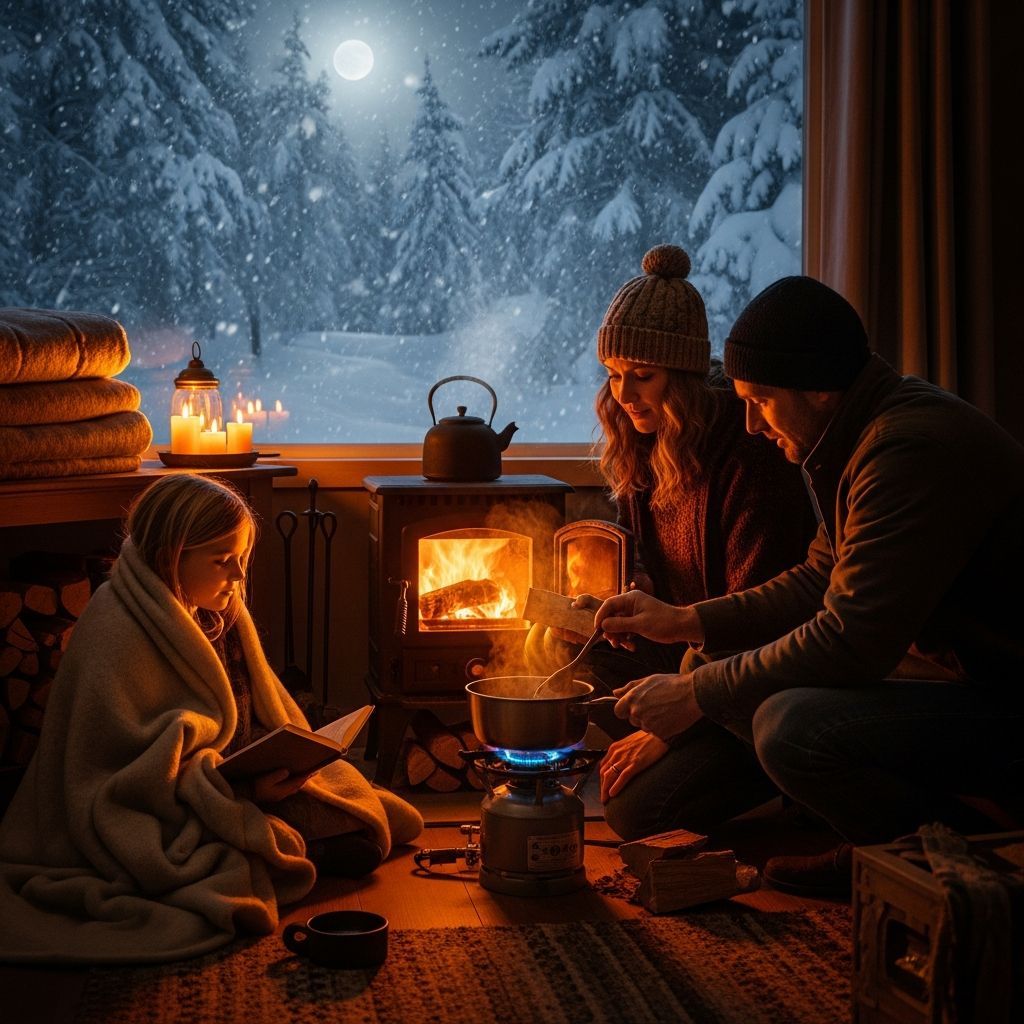
When winter storms strike or the power grid fails, having backup heating options can mean the difference between comfort and crisis. Whether you’re facing a temporary power outage or seeking supplemental warmth during harsh weather, these ten emergency heating solutions offer practical ways to maintain warmth in your home without relying on conventional electric or gas systems.
1. Terracotta Pot Heater with Tea Lights
One of the simplest and most affordable emergency heating solutions is the terracotta pot heater, which uses basic materials found in most homes. This passive heating method harnesses convection and radiant heat to warm small spaces efficiently.
How It Works
Stack terracotta pots in graduated sizes, elevating them with bricks, and place tea lights or candles underneath. The heat from the candles warms the air inside the pot, which then rises and exits through the top opening. The terracotta clay absorbs heat and radiates it gently into the surrounding area, creating both radiant heat and convection air circulation. For safety, place a ceramic tile underneath as a protective layer.
Materials Needed
– 6-inch terracotta pot with smaller 5-inch pot- 5-10 tea lights or small candles- 2-4 bricks for elevation- Ceramic tile for safety- Matches or lighter
This method can raise room temperature by approximately 2-3 degrees Fahrenheit in a 12×12 bedroom within 10 minutes of operation. Multiple heaters running simultaneously can warm larger spaces more effectively.
2. Alcohol-Fueled Emergency Heater
For a more portable emergency heating solution, an alcohol-fueled heater provides adjustable warmth and can be created with minimal tools and materials.
Construction Steps
– Take a quart-size paint can and drill holes for a sophisticated wick system- Use a cotton mop strand as a wick, soaking it in rubbing alcohol- Alternatively, roll a toilet paper tube inside the can as a fuel absorption medium- Pour 70% rubbing alcohol into the can until half-full- Light the fuel and adjust heat by covering the center hole with a coin to control airflow
This design produces a controlled flame that can burn for extended periods with minimal fuel consumption. The cost of construction typically remains under ten dollars, making it an economical emergency backup.
3. Rocket Stove Design
The rocket stove is an efficient wood-burning heating solution that maximizes fuel efficiency through its chimney design and heat retention properties.
Construction Method
Create a rocket stove by stacking cans vertically within a wooden frame, sealing joints with silicone caulk, and covering the structure with Plexiglas. Install a small intake opening at ground level and a chimney opening at the top. This design creates a powerful draft that pulls oxygen into the combustion chamber, allowing small pieces of wood, twigs, or paper to burn efficiently while producing substantial heat output.
Cut two penetrating holes through your room wall—one near the floor to intake air and one near the ceiling to exhaust heat. This configuration distributes warmth throughout your living space while minimizing smoke and emissions within your home.
4. DIY Electric Coil Heater
For homes with backup battery power or generator systems, a DIY electric coil heater offers reliable warmth without consuming excessive energy.
Assembly Guide
Wind a nichrome wire coil and embed it in plaster material using a thin steel rod as reinforcement. Mount the coil inside a metal can with heat-distributing fins. Install a fan at the top to circulate warm air and include a control switch on the can side. Connect the entire assembly to an electrical power source through a properly grounded cord.
This heater design produces consistent warmth suitable for small to medium rooms and operates silently compared to traditional space heaters.
5. Soda Can Burner System
Crafted from recycled aluminum cans, this burner system provides a compact, portable heating source ideal for emergency situations.
Fabrication Process
– Place a can upside down and drive a nail through the center- Use push pins to create four holes around the nail hole- Make 16 additional holes around the can’s ridge using the same push pins- Fill the can base with pipe wrap insulation- Stack the drilled can portion over the insulated base- Pour rubbing alcohol as fuel and light carefully- Cover the center hole with a coin once all peripheral holes are flaming
This system burns cleanly and produces adequate heat for supplemental warming in small spaces.
6. Commercial Emergency Stoves
Products like Coghlan’s Emergency Stove offer reliable, lightweight solutions for emergency preparedness. These compact units use multiple fuel types including solid fuel tablets, sticks, or leaves, providing flexibility when specific fuel sources become unavailable.
7. High-Efficiency Cooking Systems
Advanced systems like the MSR Reactor Cooking System incorporate proprietary radiant burners and heat exchangers that maximize fuel efficiency. These systems can boil one liter of water in just three minutes, making them excellent for both cooking and space heating during emergencies.
8. Oil Lamp Heater
A traditional stainless steel oil lamp provides both light and supplemental heat. Fill the lamp with oil, insert a cotton wick, and light carefully. This dual-purpose solution works effectively in well-ventilated spaces and requires minimal maintenance.
9. Ceramic Pot and Fan Heater
Combine a small fan with a ceramic pot and candles to create a forced-air heating system. Place candles on a tray beneath the ceramic pot, and position a small fan to push the warm air outward. The ceramic material concentrates and disperses heat efficiently throughout the room.
10. Stoneware Radiant Heater
Using decorative ceramic pieces and crockery, this heater collects warm air beneath a ceramic bowl while a fan distributes it throughout your space. The stoneware absorbs and slowly releases heat, providing steady warmth for extended periods.
Safety Considerations for Emergency Heating
When using any alternative heating method, prioritize safety through proper ventilation, fire-resistant surfaces, and continuous monitoring. Never leave heating devices unattended, keep flammable materials away from heat sources, and ensure adequate oxygen circulation to prevent carbon monoxide accumulation in enclosed spaces. Install proper safety equipment and monitoring systems before relying on these methods during emergencies.
Cost Comparison and Efficiency
| Heating Method | Material Cost | Heat Output | Portability | Best Use |
|---|---|---|---|---|
| Terracotta Pot | $2-5 | Low-Moderate | High | Small rooms |
| Alcohol Heater | $5-10 | Moderate | Very High | Emergency backup |
| Rocket Stove | $20-40 | High | Low | Large spaces |
| Electric Coil | $15-30 | High | Medium | Generator backup |
| Commercial Stove | $25-60 | Moderate | Very High | Camping/emergency |
Frequently Asked Questions
Q: How much heat can these DIY heaters produce?
A: Most DIY heaters can raise room temperature by 2-3 degrees Fahrenheit in 10 minutes for small rooms. Multiple units operating simultaneously provide better results for larger spaces. Commercial systems generally produce more consistent and predictable heat output.
Q: Are these heaters safe for indoor use?
A: Safety depends on proper ventilation, monitoring, and fuel type. Alcohol-based heaters generally produce less carbon monoxide than combustion-based systems. Always ensure adequate oxygen circulation and never leave heating devices unattended in occupied spaces.
Q: How long can these heaters operate continuously?
A: Tea light heaters can operate for 4-8 hours per tea light. Alcohol heaters typically burn for 8-10 hours depending on fuel volume and flame size. Rocket stoves operate as long as you have wood or fuel materials available.
Q: What materials are essential for emergency heating preparedness?
A: Maintain supplies of rubbing alcohol, tea lights or candles, cotton wicks, terracotta pots, and basic tools. Store these materials in a designated emergency kit along with matches and proper safety equipment.
Q: Can these heaters replace a primary heating system?
A: These are supplemental heating solutions best suited for emergency situations and temporary warmth. For permanent heating needs, professional HVAC systems provide better efficiency, safety, and comfort.
References
- DIY Heaters – 11 Homemade Heating Systems That Actually Work! — Cielo Wigle. 2024. https://cielowigle.com/blog/diy-heaters/
- How to Build An Emergency Heater (4 Techniques) — City Prepping. 2024. https://cityprepping.com/heaters
- DIY Emergency Survival Heater — Preparedness Mama. 2024. https://preparednessmama.com/diy-emergency-survival-heater/
- Unlimited Heat For Your Home – NO ELECTRIC NEEDED — Zen Garden Oasis. January 19, 2025. https://www.youtube.com/watch?v=7LV5wY-iM34
- Emergency Preparedness and Home Safety Guidelines — Federal Emergency Management Agency (FEMA). 2024. https://www.fema.gov/disaster/preparedness
Similar Articles



Read full bio of Sneha Tete