Hydrogen Peroxide: 11 Household Uses For Cleaning
Discover practical ways to use hydrogen peroxide for cleaning, disinfecting, and stain removal throughout your home.
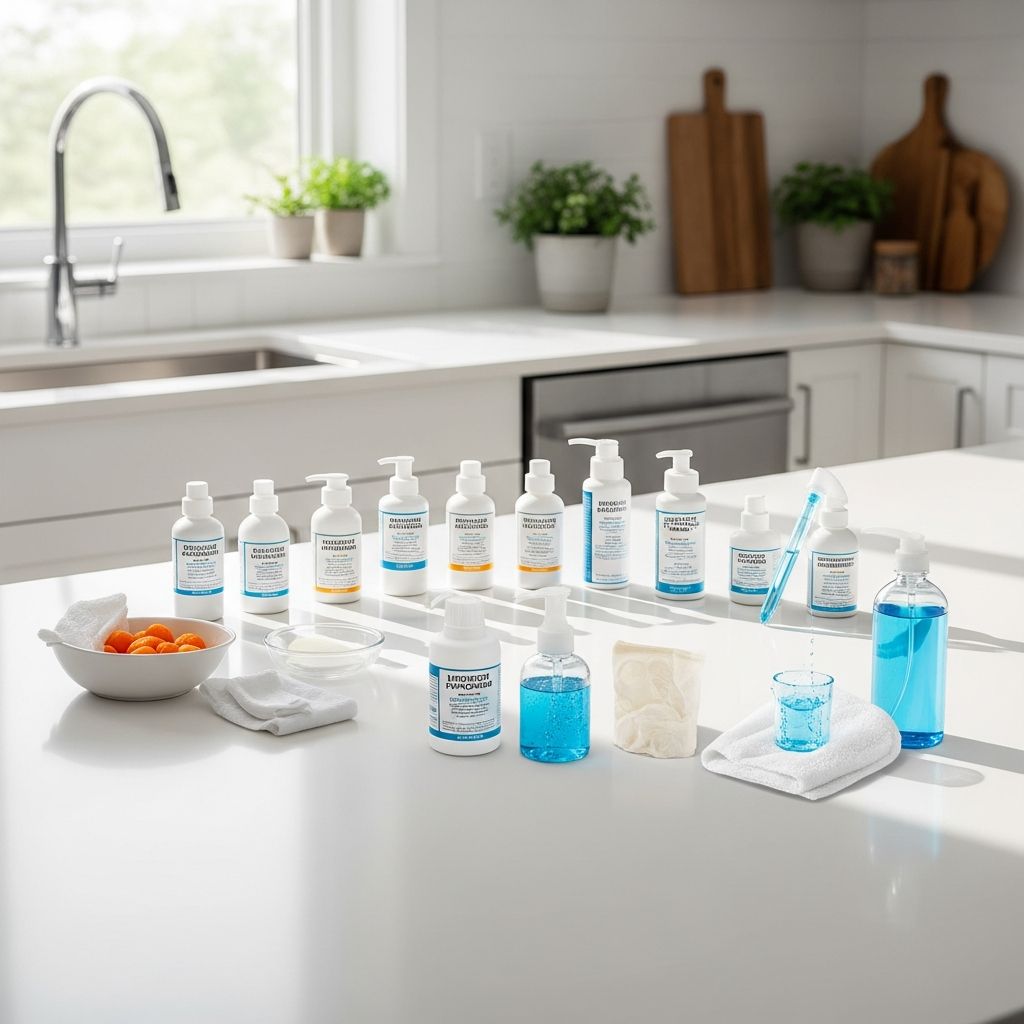
Hydrogen peroxide is one of the most versatile and affordable cleaning products you can keep in your home. This simple liquid, found in brown bottles at nearly every drugstore and supermarket, has been a trusted household staple for generations. Whether you’re dealing with stubborn stains, need to disinfect surfaces, or want to tackle tough cleaning jobs without harsh chemicals, hydrogen peroxide offers an effective solution that’s gentle on your wallet and safer than many commercial cleaners.
The power of hydrogen peroxide lies in its chemical composition. As a water molecule with an extra oxygen atom (H2O2), hydrogen peroxide works by releasing that oxygen when applied to surfaces. This oxidation process is what gives peroxide its remarkable cleaning and disinfecting abilities. When used properly at the standard 3% medical-grade concentration available in most homes, hydrogen peroxide can handle a surprising array of household cleaning tasks.
Understanding Hydrogen Peroxide: How It Works
Before diving into specific uses, it’s important to understand how hydrogen peroxide accomplishes its cleaning magic. The chemical reaction that occurs when hydrogen peroxide is applied to surfaces is straightforward: the extra oxygen molecule oxidizes, which kills germs and bacteria while also bleaching color from porous surfaces like fabrics. This dual action makes it exceptionally useful for both disinfection and stain removal throughout your home.
The standard household hydrogen peroxide found in grocery stores is a 3% solution, meaning it’s 97% water and 3% peroxide. This concentration is considered medical-grade and is strong enough for all household cleaning purposes. It’s crucial to only use this 3% solution for home cleaning, as stronger concentrations present hazards that should only be handled by trained professionals. Always ensure your hydrogen peroxide is stored in a cool, dark place, which is why it typically comes in brown bottles that protect it from light exposure.
1. Disinfecting Kitchen Surfaces and Cutting Boards
One of the most practical uses for hydrogen peroxide in your kitchen is disinfecting cutting boards and countertops. Cutting boards, in particular, can harbor bacteria from raw meat, poultry, and vegetables. If your cutting board has developed an odor, it’s a sign that bacteria is present and needs to be eliminated.
To disinfect your cutting board, spray it generously with straight hydrogen peroxide from a spray bottle. Allow the solution to sit for 5 to 10 minutes, letting the oxygen work to kill odor-causing bacteria. After the contact time has passed, rinse the board thoroughly with clean water, wash it with soap and water as you normally would, and allow it to dry completely. This method effectively eliminates bacterial contamination while being safe for food preparation surfaces.
For kitchen countertops, you can use a 50/50 mixture of hydrogen peroxide and water. Spray this solution onto the surface and let it sit for at least five minutes. Wipe clean with a damp cloth and allow to air dry. This approach provides effective disinfection without the harsh chemical smell of commercial disinfectants.
2. Removing Stains from Clothing and Fabrics
Hydrogen peroxide is exceptionally effective at removing blood stains from clothing, bedding, and upholstery. The oxidizing action of the peroxide breaks down the proteins in blood, making it one of the best stain removal solutions available. Having a bottle of hydrogen peroxide in your bathroom makes dealing with these stains quick and easy.
When you discover a fresh blood stain, apply hydrogen peroxide directly to the affected area. You’ll notice immediate fizzing as the oxygen works to break down the stain. Allow it to sit for a few minutes, then rinse thoroughly with cold water. For older stains that have already set into fabric, you may need to repeat the process or let the peroxide sit longer before rinsing. This method works on various fabric types without the risk of the yellowing that chlorine bleach might cause on some materials.
3. Cleaning and Disinfecting Bathroom Surfaces
While hydrogen peroxide isn’t the best choice for removing soap scum or hard water deposits, it excels at disinfecting bathroom surfaces. The bathroom environment often contains various bacteria, viruses, mold, and mildew that thrive in moist, oxygen-deprived environments—exactly the conditions hydrogen peroxide targets.
Spray a 50/50 solution of hydrogen peroxide and water directly onto bathroom tiles, shower walls, and other non-porous surfaces. Let it sit for five minutes or longer to allow the oxygen to work effectively. Wipe clean with a cloth and rinse if desired. For stubborn mold or mildew growth, you can use straight hydrogen peroxide for stronger disinfection. However, be aware that for tough soap scum or mineral deposits, you may want to use a specialized bathroom cleaner designed specifically for those challenges.
4. Whitening and Brightening Grout
Grout between tiles can accumulate dirt, mildew, and stains over time, making it appear dull and dingy. Hydrogen peroxide can help restore grout to a brighter appearance while also disinfecting it. To tackle stained grout, mix equal parts hydrogen peroxide and baking soda to create a paste.
Apply this paste directly to the grout lines using a small brush or old toothbrush. Allow it to sit for a few minutes to let the solution work, then use the brush to scrub the grout vigorously. Rinse the area thoroughly with clean water and allow it to dry. The abrasive action of the baking soda combined with the oxidizing power of the hydrogen peroxide creates an effective grout-cleaning solution. Remember to avoid mixing hydrogen peroxide with other cleaning products, as this can create dangerous chemical combinations.
5. Eliminating Odors from Trash Bins
Trash bins often develop unpleasant odors from bacteria growth, especially in warm weather. If your trash can smells bad despite being relatively clean, the problem is bacterial contamination. Hydrogen peroxide provides an effective solution for eliminating these odors.
First, ensure your trash bin is physically clean by wiping it out with a cloth or rinsing it if necessary. Then spray the interior of the bin generously with straight hydrogen peroxide and allow it to sit for about 10 minutes. If the peroxide hasn’t evaporated completely on its own, wipe the interior dry with a clean cloth. This process kills the odor-causing bacteria and helps restore your trash bin to a neutral state. For best results, repeat this treatment weekly or whenever odors return.
6. Treating Toothbrushes and Personal Care Items
Toothbrushes accumulate bacteria throughout the day and should be regularly disinfected. Hydrogen peroxide is excellent for keeping your toothbrush clean and bacteria-free. Soak your toothbrush in a 3:1 solution (three parts water to one part hydrogen peroxide) for about 10 minutes. This contact time allows the oxygen to kill acne-causing and other bacteria that accumulate on the brush.
For makeup brushes, follow a similar process. Clean them with soapy water first to remove makeup residue, then spray them with hydrogen peroxide or soak them in the peroxide solution. This ensures your brushes are sanitized and ready for use. Hairbrushes can be treated the same way—clean them first to remove hair and debris, then disinfect them with hydrogen peroxide to eliminate bacteria and fungal growth.
7. Disinfecting Laundry and Washing Machines
Hydrogen peroxide works wonderfully as a laundry disinfectant and can help eliminate bacteria, viruses, and other germs from your clothing and linens. For a simple application, add one cup of hydrogen peroxide to the bleach compartment of your washing machine and run a normal wash cycle with your regular detergent. This effectively disinfects your laundry while being gentler than chlorine bleach on many fabrics.
This method is particularly useful when someone in your household is sick and you want to ensure that bacteria and viruses are eliminated from their bedding and clothing. It’s also effective for disinfecting items that may have been exposed to contamination. The hydrogen peroxide disperses evenly throughout the wash cycle, providing thorough disinfection without leaving any harmful residue.
8. Cleaning Fresh Produce
Commercially grown fruits and vegetables can carry pesticide residues and bacteria from handling. Hydrogen peroxide offers a natural and inexpensive way to clean your produce. Fill a large bowl or clean sink with water and add one-fourth cup of hydrogen peroxide to create a cleaning solution.
Wash your fruits and vegetables in this hydrogen peroxide and water mixture, gently rubbing them to remove dirt and residues. Rinse thoroughly under clean running water and dry with a clean cloth or paper towel before storing or using. This method effectively removes both pesticides and bacteria while being safe for consumption. As a bonus benefit, cleaning your produce with this solution can help extend its shelf life by eliminating bacteria that contributes to spoilage.
9. Disinfecting Bathroom Fixtures and Fixtures Hardware
Bathroom fixtures like faucets, handles, and shower heads can harbor significant amounts of bacteria, especially high-touch areas. These surfaces benefit greatly from regular disinfection with hydrogen peroxide. Simply spray the fixtures with a 50/50 solution of hydrogen peroxide and water, let it sit for several minutes, and wipe clean.
This method is particularly important for elderly household members, young children, or anyone with a compromised immune system. Regular disinfection of these high-touch surfaces helps prevent the spread of illness-causing bacteria and viruses throughout your home. Many families find it helpful to keep a spray bottle of the hydrogen peroxide solution readily accessible in the bathroom for quick and easy disinfection.
10. Removing Organic Stains and Odors from Upholstery
Upholstered furniture can accumulate stains and odors from various sources. Hydrogen peroxide can help tackle these issues, particularly with organic stains like blood, urine, or food. Test the hydrogen peroxide on a hidden area of the upholstery first, as it can bleach some fabrics.
Once you’ve confirmed it’s safe for your particular fabric, spray the stained area with hydrogen peroxide and allow it to sit for 10 to 15 minutes. The oxygen will work to break down the stain while also eliminating odor-causing bacteria. Blot the area with a clean cloth, repeat if necessary, and allow the upholstery to air dry completely. For best results, open windows or use fans to increase air circulation during drying.
11. Cleaning Hard Floors and Baseboards
Hard floors including tile, vinyl, and laminate can be effectively cleaned with hydrogen peroxide. Mix equal parts hydrogen peroxide and water in a spray bottle and apply to the floor surface. Allow it to sit briefly, then mop or wipe clean. This solution removes dirt while also disinfecting the floor.
Baseboards, which accumulate dust and can harbor bacteria, also respond well to hydrogen peroxide treatment. Wipe baseboards with a cloth sprayed with the hydrogen peroxide solution to both clean and disinfect them. This is particularly helpful in bathrooms and kitchens where bacteria growth is more common.
Safety Precautions and Best Practices
While hydrogen peroxide is relatively safe when used properly, there are important precautions to observe. Always use the standard 3% medical-grade hydrogen peroxide available in stores—never use higher concentrations without proper training. Work in well-ventilated areas, as inhaling concentrated hydrogen peroxide vapor can cause irritation. Wear protective gloves and, when appropriate, protective eyewear to prevent skin and eye irritation.
Never mix hydrogen peroxide with other cleaning products, as this can create dangerous chemical reactions. Use it as a standalone cleaning solution. Additionally, always test hydrogen peroxide on a hidden area of any fabric or surface before using it widely, as the bleaching action can sometimes affect certain materials. Make cleaning solutions fresh when needed rather than storing premixed solutions, as hydrogen peroxide’s potency decreases over time once diluted.
Frequently Asked Questions (FAQs)
Q: What concentration of hydrogen peroxide should I use for household cleaning?
A: Always use the standard 3% medical-grade hydrogen peroxide found in most drugstores and supermarkets. This concentration is safe and effective for all household cleaning purposes. Never use higher concentrations without professional training.
Q: Can I mix hydrogen peroxide with other cleaning products?
A: No, you should never mix hydrogen peroxide with other cleaning products. This can create dangerous chemical reactions. Use it as a standalone cleaning solution for best results and safety.
Q: Is hydrogen peroxide safe to use around children and pets?
A: When used as directed at 3% concentration, hydrogen peroxide is relatively safe. However, keep it stored securely away from children and pets, and ensure good ventilation when using it. Rinse surfaces that children or pets may contact with their hands or mouths.
Q: How long should hydrogen peroxide sit on a surface to be effective?
A: Contact time varies depending on the application. For most disinfection purposes, let hydrogen peroxide sit for 5 to 10 minutes. For stubborn stains or heavy bacterial contamination, you may need to extend the contact time to 15 minutes or longer.
Q: Can hydrogen peroxide bleach my fabrics or surfaces?
A: Yes, hydrogen peroxide can bleach certain fabrics and porous surfaces due to its oxidizing action. Always test it on a hidden area first. For delicate or dark fabrics, use a more dilute solution or a different cleaning product.
Q: How should I store hydrogen peroxide?
A: Store hydrogen peroxide in its original brown bottle in a cool, dark place away from direct sunlight. The brown bottle protects the product from light exposure, which can reduce its potency over time.
References
- Cleaning with Hydrogen Peroxide: Here’s What You Need to Know — Core Chem Inc. 2025. https://corecheminc.com/cleaning-with-hydrogen-peroxide-heres-what-you-need-to-know/
- Hydrogen Peroxide: How to Use It Properly — Cleveland Clinic. 2025. https://health.clevelandclinic.org/what-is-hydrogen-peroxide-good-for
- CDC Guidelines on Disinfection — Centers for Disease Control and Prevention. U.S. Department of Health and Human Services. https://www.cdc.gov/
Similar Articles



Read full bio of medha deb