Decorating Your Garden: 18 Expert Tips For Style & Ambiance
Transform your outdoor space with expert garden decoration tips and design strategies.
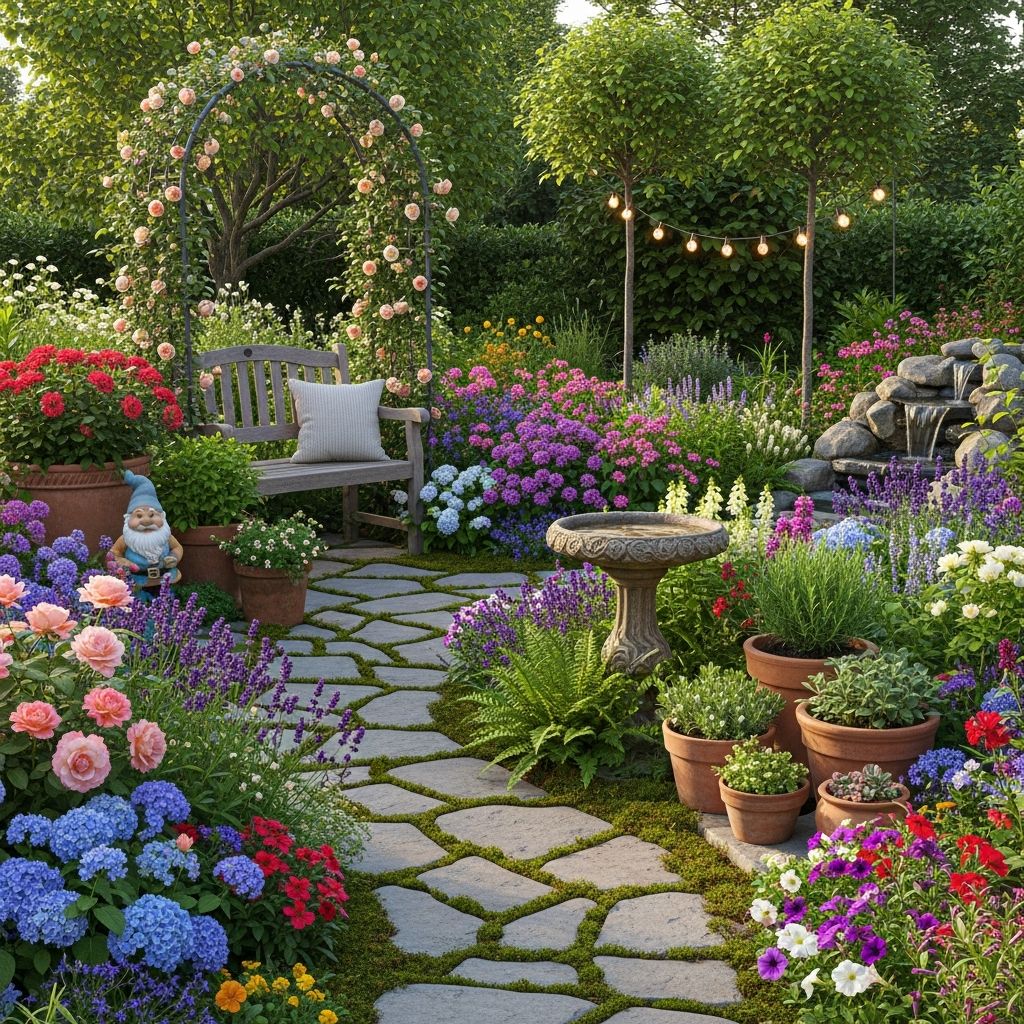
Your garden is an extension of your home—a personal sanctuary where style meets nature. Whether you have a sprawling landscape or a compact urban garden, thoughtful decoration can transform your outdoor space into a beautiful, functional retreat. This comprehensive guide explores 18 expert tips for decorating your garden, each designed to help you create a space that reflects your personality while enhancing the natural beauty of your plants and hardscape elements.
Establishing Your Garden’s Foundation
1. Use Ornaments as Finishings
Garden ornaments serve as the finishing touches that bring character and personality to your outdoor space. Rather than overwhelming your garden with decorative items, use them strategically as focal points and directional cues. A wrought-iron gate can mark an entrance with elegance, while a tree-hung lantern adds vertical interest and draws the eye upward. The key is selecting a curated collection of ornaments that complement your garden’s overall style and enhance its natural beauty without creating visual clutter.
Consider the scale and proportion of your ornaments relative to your garden space. Larger pieces work well in expansive gardens, while smaller, more delicate ornaments suit intimate outdoor areas. This approach ensures your decorative elements feel intentional rather than randomly placed.
2. Design for Outdoor Rooms
One of the most effective ways to structure your garden decoration is to think of it as a series of outdoor rooms, each with its own purpose and character. Use a mix of hardscaping, plants, and furniture to define each area clearly. Pathways serve as connectors between these spaces, while strategically placed screens or tall plants provide privacy and create visual separation.
This approach allows you to decorate each zone according to its intended use. A dining area might feature ambient lighting and weather-resistant furniture, while a meditation nook could include a bench and fragrant plants. This thoughtful division makes your garden feel more spacious and purposeful while providing different experiences as visitors move through the space.
3. Don’t Be Afraid of Patina
Weathered finishes on metal, wood, and stone elements add depth and character that new materials simply cannot replicate. Rather than replacing aged ornaments or features, embrace the patina they’ve developed over time. This creates a lived-in, organic feel that makes your garden appear established and well-loved.
Weathered metal urns, aged stone sculptures, and rust-touched decorative elements become more beautiful with time. A mostly green plant palette allows carefully selected ornaments with aged finishes to stand out and become the focal points of your garden. As landscape designers often note, ornaments can become lost in a highly colorful landscape, but they naturally pop against a restrained, green background.
Creating Cohesive Design
4. Repeat Your Home’s Exterior Style
Creating a seamless transition between your home and garden strengthens your overall property design. Echo your home’s architectural style in your garden decor to unify the spaces visually. If your home features rustic stone cladding, incorporate similar materials for garden walls, pathways, or decorative elements. This continuity creates a sense of intentional design rather than disconnected outdoor decoration.
Consider how your home’s exterior color palette, materials, and architectural details can inform your garden decoration choices. Matching materials like iron, terra cotta, and stone can tie your indoor and outdoor living spaces together seamlessly. Pediments, finials, and pedestals that complement your home’s entryway create natural focal points throughout the garden.
5. Dress Up Garden Entrances
Entrances deserve special attention because they set the tone for the entire garden experience. Structures like arbors, pergolas, and ornate gates serve both functional and aesthetic purposes—they mark transitions between different garden areas while creating vertical gardening opportunities. Accent these entry points with potted plants, statuary, or paved pathways to enhance their visual impact.
Iron arches and gates sourced from garden supply catalogs and covered with climbing vines create dramatic transitions. Potted citrus trees, flowering bougainvillea, and ornamental palms draw visitors’ eyes to entry points while adding color and texture. Finials and pedestals placed strategically at entrances signal that these are important thresholds within your garden design.
Enhancing Ambiance and Experience
6. Take Lighting to Another Level
While functional path and entrance lighting is essential for safety, elevating your garden lighting strategy transforms your outdoor space into a nighttime retreat. Beyond standard landscape lighting, consider techniques that create ambiance and highlight your garden’s best features.
Recommended lighting techniques include:
- Accent lighting to draw attention to specific plants or garden ornaments
- Downlighting to create a moonlight effect through foliage
- Path lighting for both safety and to guide movement through the garden
- Uplighting to highlight trees or architectural features
- Hanging outdoor lanterns from tree branches for romantic ambiance
Tall streetlight-style lamps add both illumination and architectural interest. Coordinate your outdoor lighting fixtures with those on your home’s exterior for cohesion. Warm-toned bulbs create a more inviting atmosphere, and solar-powered options provide energy-efficient alternatives that reduce your environmental impact.
7. Create a Fragrant Space
Engaging multiple senses makes your garden memorable and immersive. Strategically placing scented plants throughout your garden creates an olfactory experience that visitors will associate with your outdoor space. Position strongly scented plants near seating areas and pathways where people naturally pause and linger.
Include honeysuckle and jasmine at garden entries to welcome visitors with their fragrance. Lemon blossoms can perfume areas near seating. Night-blooming cereus, which opens its fragrant flowers in the evening, adds a magical element to dining areas. Don’t forget about herbs—plants like basil, mint, and lavender provide both culinary benefits and wonderful aromas that activate the senses as visitors brush against them.
Using Plants as Design Elements
8. Use Plants as Ornaments
Striking plants can serve as living sculptures within your garden, functioning as ornaments in their own right. Architectural plants like Italian cypress create strong vertical lines that frame hillside views and focal points. Dramatic foxtail agave rosettes create dynamic contrasts along stairways and near fountains, adding visual interest through their unique forms.
Consider incorporating ornamental plants that provide year-round interest through their foliage rather than relying solely on flowering plants. Grasses, sedums, and structural evergreens create visual drama while requiring relatively minimal maintenance. These living ornaments are particularly valuable because they grow and evolve, changing the garden’s appearance seasonally.
9. Give a Garden a Lived-In Look
Creating a sense of permanence and history in your garden requires incorporating elements that suggest the space has naturally evolved over time. Antique or weathered elements contribute significantly to this aesthetic. Salvaged architectural elements, such as Gothic cathedral fragments or vintage stone pieces, add character and intrigue.
Plant fast-growing vines to soften new structures quickly, and use weathered wood for raised beds rather than new, bright materials. Strive for balance between old and new elements to avoid appearing cluttered or overly contrived. The goal is to create a garden that feels like it has a history and has been loved for years, not one that appears brand new and artificial.
10. Mix in Some Old World Flavor
Adding Old World charm to your garden connects your space to timeless design traditions. Explore flea markets, salvage yards, and antique shops for unique decorative elements. A weathered birdbath can evoke the elegance of classic European fountains. Rusty lanterns, vintage plant baskets, and antique watering cans quickly infuse your garden with history and character.
These vintage elements serve dual purposes—they’re functional while adding aesthetic interest and telling a story about your garden’s personality. The patina and wear on these pieces make them more beautiful, not less, as they contribute to an authentic, lived-in appearance that new materials cannot achieve.
Design Considerations and Best Practices
Planning Your Garden Layout
Before implementing decorative elements, assess your garden’s existing conditions. Consider sun exposure, soil conditions, and the way light moves through your space at different times of day and year. This assessment informs both plant selection and ornament placement, ensuring your decorative choices enhance rather than compete with natural features.
Work with your garden’s existing footprint to maintain budget efficiency. If established plants are already thriving in key areas, keep them and underplant with complementary species. This approach respects the space’s natural evolution while allowing you to add new decorative elements strategically.
Creating Visual Interest and Balance
Successful garden decoration balances abundance with restraint. A mostly green plant palette allows ornaments to become focal points. However, incorporating plants with varying heights, textures, and bloom times ensures year-round visual interest. Mixing annuals and perennials creates a dynamic landscape that changes throughout the seasons.
Consider how color, form, and texture work together. Strong architectural plants provide structure, while softer elements create contrast. Strategic repetition of colors, materials, or plant types throughout the garden creates visual harmony and guides visitors’ eyes through the space.
Engaging Multiple Senses
Landscape design is unique among art forms in its ability to engage all five senses. Beyond the visual appeal of ornaments and plants, incorporate elements that appeal to sound, taste, fragrance, and touch. Water features provide calming auditory interest. Herb gardens offer culinary experiences. Fragrant plants delight visitors. Plants with interesting textures invite gentle touching.
Frequently Asked Questions
Q: How do I choose garden ornaments that won’t overwhelm my space?
A: Select a curated collection rather than numerous pieces. Focus on quality over quantity, choosing ornaments that complement your garden’s style. Consider scale—smaller ornaments suit intimate spaces, while larger pieces work in expansive gardens. Allow ornaments to serve as focal points rather than background decoration.
Q: Can I mix old and new decorative elements in my garden?
A: Absolutely. Mixing vintage and new elements creates interest and prevents your garden from appearing overly staged. Balance is key—aim for a blend that feels intentional rather than haphazard. Weathered vintage pieces often work well with modern hardscaping or contemporary plants.
Q: What’s the best way to incorporate lighting without it looking harsh?
A: Use warm-toned bulbs rather than bright white lights. Vary lighting techniques—combine accent lighting, downlighting, and uplighting to create layers. Consider solar-powered options, and coordinate fixtures with your home’s exterior lighting for cohesion. Hanging lanterns and soft path lighting create ambiance without harshness.
Q: How can I make my garden feel established when it’s new?
A: Use weathered and salvaged elements, plant fast-growing vines to soften structures, and arrange ornaments to suggest history. Incorporate patina’d materials rather than shiny new ones. Over time, the combination of these elements creates a garden that feels like it has naturally evolved.
Q: Should my garden decoration match my home’s style?
A: Creating continuity between your home and garden strengthens overall design. Echo your home’s architectural style and material palette in garden ornaments and structures. This approach creates a unified aesthetic that extends from indoors to outdoors seamlessly.
References
- 18 Tips for Decorating Your Garden — This Old House. Accessed 2025. https://www.thisoldhouse.com/gardening/21019414/18-tips-for-decorating-your-garden
- How To Design a Terraced Garden — This Old House. Accessed 2025. https://www.thisoldhouse.com/21097204/how-to-design-a-terraced-garden
- The Garden Room — This Old House. Accessed 2025. https://www.thisoldhouse.com/gardening/21014963/the-garden-room
Similar Articles







Read full bio of medha deb