20 Effective Ways to Keep Deer Out of Your Yard
Discover practical and natural strategies to protect your garden and landscape from deer damage all year round.
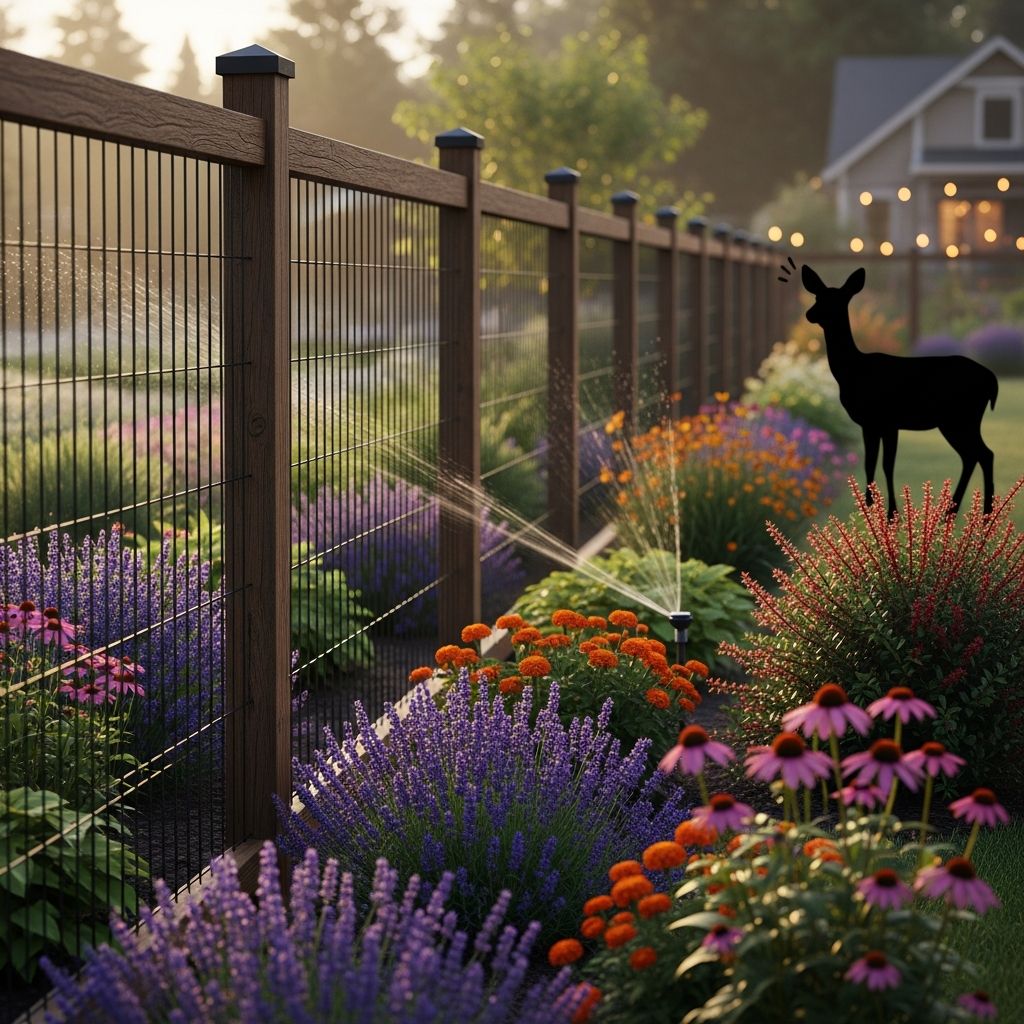
Deer can be beautiful to watch, but when they wander into your yard, they often cause damage by munching on flowers, vegetables, shrubs, and trees. Protecting your garden from deer requires a mix of strategies because deer are adaptable and persistent. This article offers 20 practical and proven ways to keep deer out of your yard, preserving your landscaping and plants without harming the animals.
1. Install Deer-Proof Fencing
The most effective method to keep deer away is a well-designed fence. Because deer can jump over fences easily, install a fence at least 8 feet tall. Various fence types work, including solid wood, mesh wire, and electric fences.
- Height: Minimum 8 feet to prevent deer from jumping over.
- Material: Heavy-gauge wire mesh, wood, or invisible electric fences.
- Placement: Enclose the entire area you want to protect, including gardens and young trees.
Electric fences with several strands spaced vertically can provide an effective deterrent, but they require proper maintenance and monitoring.
2. Use Natural Deer-Resistant Plants
Landscaping with plants deer tend to avoid is a subtle but effective form of deer control. Choose species that are not palatable to deer due to texture, taste, or scent.
- Examples include boxwood, lavender, daffodils, yarrow, and fritillaria.
- Plant these strategically along garden borders and near vulnerable plants.
Combining deer-resistant plants with other deterrents increases your overall success.
3. Apply Deer Repellents
Deer repellents exploit their keen senses — especially smell and taste — to discourage them from feeding in treated areas.
- Types: Commercial repellents based on putrescent egg solids, garlic, soap, or predator urine.
- Application: Spray plants and perimeters regularly, especially after rain.
- Caution: Rotate between different repellents for best results to prevent deer from becoming accustomed.
4. Use Motion-Activated Devices
Motion-activated sprinklers or lights can startle deer and make your yard less inviting.
- Sprinklers: These release a burst of water when movement is detected, deterring deer but not harming them.
- Lights: Sudden bright lights can scare deer away during nighttime.
- These devices encourage deer to leave quickly and avoid repeatedly returning.
5. Create Habitat Modification
Deer are attracted to easy food and cover. Reducing attractants makes your yard less appealing.
- Trim back dense vegetation and brush where deer can hide and bed down.
- Remove fallen fruit or nuts that may attract deer.
- Manage vegetable and flower patches carefully to avoid creating easy feeding spots.
6. Grow Plants with Strong Scents or Textures
Deer dislike strong smells and rough textures. Incorporate these plants into your landscaping for a natural repellent effect.
- Examples include rosemary, mint, marigold, alliums, and geraniums.
- These plants release odors or have fuzzy, hairy leaves deterring deer browsing.
7. Use Human Hair or Soap as Deterrents
Repelling deer with household items is popular for gardeners.
- Scatter human hair clippings around your garden; the scent mimics human presence.
- Hang strong-smelling bars of soap on tree branches or fences.
These methods require regular refreshment, especially after rain.
8. Employ Noise Makers
Occasional loud noises can scare deer away, but consistent noise may be ignored over time.
- Use wind chimes, radios, or motion-activated noise devices.
- Combine with other deterrents to maximize effect.
9. Use Visual Deterrents
Visual cues such as reflective tape, scarecrows, or moving objects can discourage deer from entering your yard.
- Hang shiny objects or balloons to create movement and reflections.
- Place scarecrows that can be periodically moved to avoid habituation.
10. Protect Individual Trees and Plants
For high-value plants and young trees, physical barriers provide protection:
- Wrap trunks with plastic fencing or wire mesh to prevent rubbing and browsing.
- Use plant cages or netting to shield shrubs and small plants.
11. Modify Garden Layout
Design your garden to reduce deer access or grazing appeal.
- Cluster deer-resistant plants around vulnerable ones as a natural barrier.
- Place prized plants closer to the house where deer are less likely to visit.
12. Use Companion Planting
Companion planting involves interspersing plants deer dislike among those they love to eat.
- Examples: Plant garlic, onions, or chives near favorite flowers or vegetables.
13. Maintain Cleanliness and Remove Attractants
Regular garden maintenance reduces factors attracting deer.
- Clear fallen fruit, vegetables, and plant debris that lure deer.
- Keep compost bins secure against deer activity.
14. Use Raised Beds
Elevating garden beds can make it harder for deer to reach plants comfortably.
- Use raised beds with vertical sides and consider adding fencing around them.
15. Install Netting or Floating Row Covers
For vegetable gardens, netting or floating row covers can physically block deer access while allowing sunlight and water penetration.
16. Plant Thorny or Woody Shrubs
Deer tend to avoid plants with thorns, spines, or tough bark.
- Consider plants like barberry, holly, or hawthorn as natural barriers.
17. Engage in Seasonal Hunting (Where Legal and Appropriate)
In some areas, regulated hunting can help manage local deer populations, reducing overbrowsing.
- Check local regulations before considering this option.
18. Create Deer Sanctuaries Away from Gardens
Designate areas on your property where deer can browse freely but keep them away from cultivated spaces.
19. Plant Deer-Resistant Food Plots Away from Gardens
In rural areas, planting alternative food plots like clover or soybeans away from your garden diverts deer attention.
20. Use Professional Deer Control Services
If deer problems persist, consider consulting wildlife management experts who can provide humane control strategies tailored to your location.
Frequently Asked Questions (FAQs)
Q: What is the best height for a deer fence?
A: Deer fences should be at least 8 feet tall because deer are excellent jumpers and can clear lower barriers easily.
Q: How often should I apply deer repellent?
A: Repellents should be reapplied every few weeks and especially after rain to maintain effectiveness.
Q: Will deer stop coming altogether if I use repellents and fencing?
A: While repellents and fencing significantly reduce deer visitation, combining multiple strategies creates the best defense against deer damage.
Q: Are there any plants that deer never eat?
A: No plant is completely deer-proof, but certain plants like daffodils, lavender, and yarrow are typically avoided.
Q: Can motion-activated devices harm deer?
A: Devices such as sprinklers and lights are designed to startle, not injure, the deer.
References
- How to Keep Pests Out of Your House Using Exclusion — This Old House. 2023-06-15. https://www.thisoldhouse.com/pest-control/21015183/how-to-keep-pests-out-of-your-house
- An Easy Way To Raise Or Reduce Deer Numbers — Whitetail Habitat Solutions. 2024-01-21. https://www.whitetailhabitatsolutions.com/blog/an-easy-way-to-raise-or-reduce-deer-numbers
- Doe Management – Should You Harvest Does? — YouTube. 2023-11-02. https://www.youtube.com/watch?v=CpotYFPVLLM
Similar Articles








Read full bio of Sneha Tete