2026 Interior Trends
Discover the top interior design trends shaping homes and spaces in 2026, from tactile materials to earthy palettes.
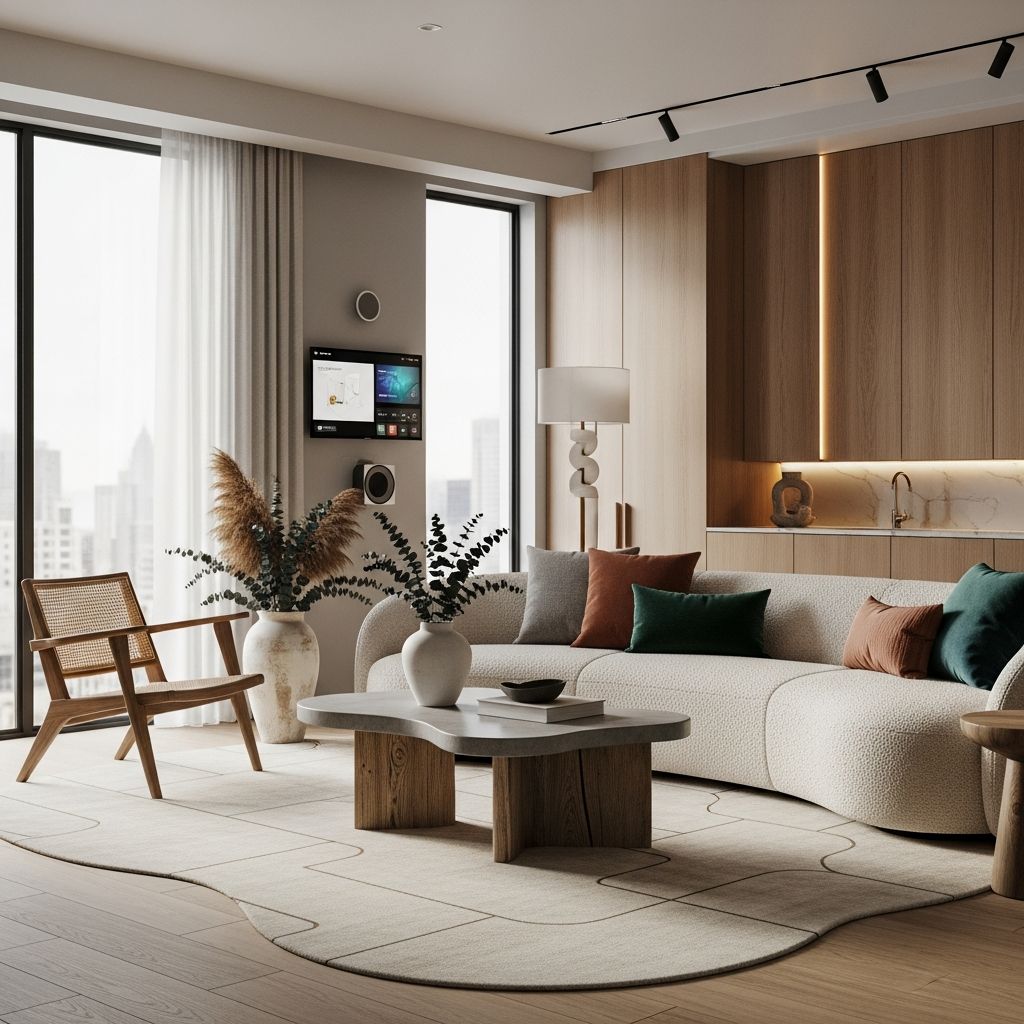
In 2026, interior design moves beyond fleeting styles toward selections that prioritize functionality, sensory appeal, and longevity. Designers emphasize materials and finishes that enhance light flow, sound control, and durability while fostering emotional connections through warmth and texture. This evolution reflects a desire for spaces that adapt to modern lifestyles, blending minimalism with organic elements for both residential and commercial environments.
Transformative Glass Applications
Glass evolves from a simple divider into a dynamic element that manipulates light and privacy. Textured, fluted, and tinted varieties allow daylight to filter softly, creating zones without isolation. In homes, these glasses frame kitchen islands or shower enclosures; in offices, they define collaborative areas while preserving openness. Pairing with slim metal frames adds structural elegance, turning glass into a sculptural feature that elevates everyday spaces.
- Fluted glass diffuses harsh light for calmer atmospheres.
- Tinted options provide subtle privacy in shared living areas.
- Layered with opaque panels for customizable transparency.
This approach ensures glass contributes to acoustic comfort and visual depth, making it ideal for high-traffic zones.
Natural Weaves for Tactile Warmth
Natural materials like rattan counter digital sterility with their inherent texture and patina. Beyond furniture, rattan appears in wall claddings, ceiling grids, and room dividers, softening concrete or plaster surfaces. Wellness retreats and family rooms benefit from its breathability and aging grace, promoting a grounded feel amid sleek tech.
Similar weaves in bamboo or seagrass extend this trend, offering sustainability and low maintenance. These elements absorb sound and add humidity-regulating properties, enhancing indoor air quality.
| Material | Applications | Benefits |
|---|---|---|
| Rattan | Wall panels, partitions | Warmth, durability, acoustic absorption |
| Bamboo | Ceiling features, screens | Sustainable, lightweight, natural aging |
| Seagrass | Accents, flooring | Texture variety, eco-friendly |
Subtle Metal Finishes for Architectural Integration
Metals shift to understated expressions with matte, brushed, and powder-coated surfaces in brass, steel, and bronze. These finishes recede into backgrounds, framing doors, cabinetry, or lighting without overpowering. Darker tones like charcoal steel suit durable commercial settings, while warm brass adds quiet luxury to homes.
This trend aligns with ‘warm minimalism,’ where metals support rather than star, ensuring longevity in high-use areas. Custom powder coatings allow color-matching to woods or walls for seamless cohesion.
Textured Walls as Design Focal Points
Walls transform into active canvases with 3D tiles, embossed panels, and sculpted plasters. These replace monotonous paint, introducing rhythm and shadow play that captivates without color reliance. Feature walls in entryways or behind beds draw the eye, adding dimension to minimalist palettes.
- Geometric 3D tiles for modern edge.
- Organic wave patterns for fluidity.
- Metallic-infused plasters for subtle sheen.
Installation is straightforward with self-adhesive options, making updates accessible for DIY enthusiasts.
Warm Wood Tones Reshaping Neutrals
Medium and warm woods like rift-sawn oak, walnut, and cherry dominate, ousting light blondes. Deeper stains bring richness to cabinetry, flooring, and millwork, paired with creamy beiges or taupes for balanced warmth. These tones ground spaces, evoking nature’s stability.
In kitchens and baths, hickory’s grain adds character; cerused finishes lighten without starkness. This palette shift favors tactile, sun-kissed hues over cool grays.
Earthy Colors Defining Modern Neutrals
Greens emerge as versatile anchors—sage for serenity, olive for depth, forest for drama—in cabinetry, tiles, and upholstery. Terra cotta, dusty blues, and buttery yellows layer with marble veining for organic narratives. Warmer neutrals like parchment replace stark whites, fostering calm.
These colors pair with handmade ceramics, enhancing texture-driven designs that feel lived-in and timeless.
Pattern Layering for Cohesive Drama
Designers drench rooms in unified patterns, repeating florals across wallpaper, fabrics, and rugs. This creates harmony rather than clash, amplifying personality in traditional revivals. Bold yet controlled, it suits living rooms craving intimacy.
Revived Tile Patterns with Timeless Appeal
Checkerboard floors evolve with sage-cream or emerald-off-white combos in honed marble or zellige. Terra cotta variants add slip resistance and warmth to baths and patios. Unique shapes like hexagons or arabesques personalize utility spaces.
Layering Strategies for Enduring Depth
Success lies in material juxtaposition: glass over rattan, metals against textured walls, woods with greens. This builds flexible interiors that refresh easily, staying relevant.
Pro Tip: Start with neutrals, layer textures, then accents for adaptability.
FAQs
What materials define 2026 interiors?
Key players include fluted glass, rattan weaves, matte metals, 3D wall treatments, and warm woods for performance and warmth.
How can I incorporate green tones?
Use sage cabinets or olive upholstery with wood and marble for balanced, nature-inspired rooms.
Are bold patterns making a comeback?
Yes, through unified layering of florals on multiple surfaces for cohesive impact.
What avoids outdated looks?
Steer from all-gray, flat black fixtures, and uniform fluting; opt for layered warmth.
Practical Implementation Guide
To adopt these trends:
- Assess space needs: Prioritize light in dim areas with glass.
- Budget smart: Natural weaves offer high impact at mid-cost.
- Test samples: Woods and colors shift under lighting.
- Mix scales: Pair large textures with fine metals.
These choices create homes that nurture and endure, aligning with 2026’s focus on purposeful design.
References
- Interior Materials and Finishes Trends 2026 for Modern Spaces — Craftaforms. 2026. https://craftaforms.com/interior-design-trends-in-2026-materials-finishes-that-elevate-spaces/
- 25 Home Design Trends Defining How We’ll Live in 2026 — Houzz. 2026. https://www.houzz.com/magazine/25-home-design-trends-defining-how-well-live-in-2026-stsetivw-vs~183837788
- Forging Ahead: The Top 5 Interior Design Trends for Metal Decor in 2026 — Iron and Blossom. 2026. https://ironandblossom.com/blogs/news/forging-ahead-the-top-5-interior-design-trends-for-metal-decor-in-2026
- The Top Design Trends for 2026, According to Shea McGee — Homes & Gardens. 2026. https://www.homesandgardens.com/interior-design/shea-mcgee-design-trends-2026
- The Interior Design Trends About to Explode In 2026 — YouTube (Video). 2026. https://www.youtube.com/watch?v=hpHZm8tpu6M
- 5 Design Trends From 2025 You’ll Regret in 2026 — YouTube (Video). 2026. https://www.youtube.com/watch?v=dGh6YRBBCHw
Similar Articles





Read full bio of Sneha Tete