3 Basic Types of Lighting for Home Design
Master ambient, task, and accent lighting to transform your home's atmosphere and functionality.
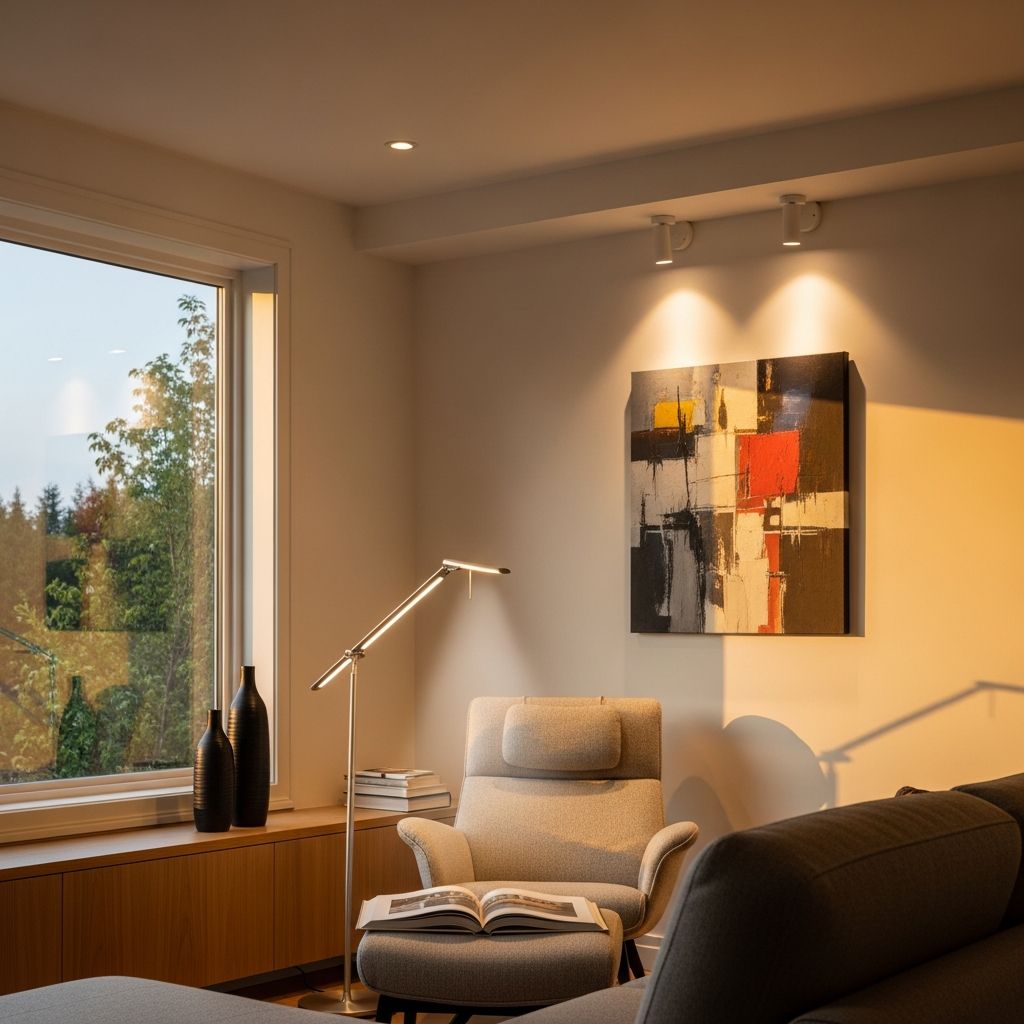
Lighting is one of the most transformative yet often overlooked elements in home design. The right lighting can completely change how a room looks and feels, affecting everything from the ambiance to functionality and even your mood. Understanding the three basic types of lighting—ambient, task, and accent—is essential for creating a well-designed, comfortable home. Whether you’re renovating a single room or redesigning your entire home, mastering these lighting types will help you make informed decisions that enhance both aesthetics and practicality.
Understanding the Three Basic Types of Lighting
Professional interior designers and lighting specialists consistently emphasize that effective lighting design relies on combining three fundamental types of illumination. Each serves a distinct purpose, and together they create a balanced, functional, and visually appealing environment. By understanding how these lighting types work, you can strategically layer them throughout your home to achieve the desired effect in any space.
Ambient Lighting: The Foundation of Your Space
Ambient lighting, also known as general lighting, forms the foundation of any room’s illumination. This is the primary light source that provides overall visibility and establishes the general atmosphere of a space. Ambient lighting is typically soft and diffused, creating an even distribution of light throughout the room without creating harsh shadows or glare.
What Ambient Lighting Does
Ambient lighting serves as the base layer of your lighting scheme. It ensures that you can safely navigate and function within a room, providing adequate visibility for everyday activities. Unlike focused lighting, ambient illumination fills the entire space uniformly, making it the most important type of lighting in any room. The goal of ambient lighting is to create a comfortable, welcoming environment where people can move around safely and comfortably.
Common Ambient Lighting Options
There are several effective ways to incorporate ambient lighting in your home:
- Ceiling Fixtures: Flush-mount and semi-flush-mount fixtures are classic choices for ambient lighting. They distribute light evenly across a room and work well in most spaces, from bedrooms to living areas.
- Chandeliers: Decorative chandeliers can provide ambient light while adding an elegant focal point to dining rooms, entryways, and master bedrooms.
- Pendant Lights: Multiple pendant lights spaced appropriately can create diffused ambient lighting while offering contemporary style.
- Recessed Lighting: Recessed lights, also called can lights or downlights, offer a clean, minimalist approach to ambient illumination and work particularly well in modern interiors.
- Track Lighting: Track systems can be adjusted to provide general illumination and are flexible for rooms that need versatile lighting solutions.
- Wall Sconces: When spaced properly, wall sconces can contribute to ambient lighting while adding decorative appeal and creating a softer atmosphere.
Choosing the Right Ambient Lighting
When selecting ambient lighting fixtures, consider the room’s size, ceiling height, and overall design aesthetic. Larger rooms may require multiple light sources to ensure even coverage, while smaller spaces might be adequately served by a single central fixture. The style of your ambient lighting should complement your home’s design theme and existing décor. Additionally, consider installing dimmer switches to give yourself flexibility in controlling the intensity of ambient light, allowing you to adjust the mood from bright and energetic to soft and relaxing.
Task Lighting: Functionality Meets Design
Task lighting is directional illumination designed to help you accomplish specific activities. Unlike ambient lighting, which is diffused and general, task lighting is focused and concentrated on particular areas where you need enhanced visibility. Task lighting is essential in spaces where you perform detailed work, read, cook, or engage in other activities requiring clear sight lines.
Where Task Lighting Is Most Needed
Task lighting is particularly important in the following areas:
- Kitchens: Under-cabinet lighting and overhead task lights help you see clearly while preparing food and cooking.
- Bathrooms: Vanity lighting on both sides of the mirror provides even illumination for grooming and skincare routines.
- Home Offices: Desk lamps and overhead task lighting reduce eye strain and improve productivity during work.
- Reading Areas: Floor lamps or reading lamps positioned near seating provide adequate light for reading without disturbing others.
- Dining Tables: Pendant lights or chandelier positioned above the dining table serves as task lighting for meals.
- Craft and Hobby Areas: Focused lighting helps with detailed activities like crafting, sewing, or model building.
Types of Task Lighting Fixtures
Various fixtures effectively provide task lighting depending on your specific needs:
- Desk Lamps: Adjustable desk lamps direct light exactly where you need it and reduce glare on work surfaces.
- Under-Cabinet Lights: LED strips or linear fixtures mounted beneath kitchen cabinets illuminate countertop workspace effectively.
- Pendant Lights: Positioned above work areas, pendant lights provide focused illumination without taking up valuable surface space.
- Vanity Lights: Specially designed for bathrooms, vanity fixtures typically flank mirrors to eliminate shadows on the face.
- Floor Lamps: Arc floor lamps with adjustable heads can be positioned to light reading areas or specific work zones.
- Track Lighting: Adjustable track lights allow you to direct light precisely where needed for various tasks.
Best Practices for Task Lighting
When implementing task lighting, position fixtures to minimize glare and shadows. In work areas, place light sources slightly above and to the side of where you’ll be focusing your eyes. Ensure that task lighting is bright enough for the activity but doesn’t create harsh, uncomfortable shadows. In bathrooms, flanking the mirror with vanity lights provides the most flattering and functional illumination. In kitchens, combine under-cabinet lighting with overhead options to ensure comprehensive workspace visibility. Consider the color temperature of your task lighting as well; cooler, more neutral white light is generally preferred in work areas as it promotes alertness and focus.
Accent Lighting: Adding Drama and Visual Interest
Accent lighting is decorative illumination designed to highlight specific features, create visual interest, and add drama to a space. This type of lighting draws attention to architectural details, artwork, plants, or other design elements you want to emphasize. Accent lighting typically uses about three times the brightness of ambient lighting to create a noticeable focal point.
The Purpose of Accent Lighting
Accent lighting serves aesthetic and design purposes, transforming ordinary spaces into visually compelling environments. It adds depth, dimension, and sophistication to interiors while allowing you to showcase your favorite design elements. Effective accent lighting creates visual hierarchy, guiding the eye to important or beautiful features within a room. This type of lighting can dramatically change the ambiance and personality of a space, making it feel more dynamic and thoughtfully designed.
Common Accent Lighting Applications
Accent lighting works well for highlighting:
- Artwork and Wall Displays: Picture lights and wall washers draw attention to paintings, photographs, or collections.
- Architectural Features: Crown molding, exposed beams, alcoves, or recessed niches gain prominence with strategic accent lighting.
- Plants and Landscaping: Uplighting or spotlights on houseplants or outdoor greenery add natural beauty to your décor.
- Textured Walls: Grazing light across textured surfaces like brick, stone, or decorative wall panels emphasizes their visual appeal.
- Bookcases and Display Shelves: Accent lighting on shelving units creates a curated, gallery-like atmosphere.
- Architectural Details: Columns, fireplaces, or other architectural elements become focal points with proper accent lighting.
Types of Accent Lighting Fixtures
Several fixture types effectively provide accent illumination:
- Picture Lights: Specifically designed to illuminate artwork, picture lights mount above frames for optimal viewing.
- Spotlights: Directional spotlights focus narrow beams of light on specific objects or areas.
- Wall Washers: These fixtures distribute light evenly across an entire wall surface, highlighting texture and color.
- Uplights: Positioned on the floor, uplights direct light upward to emphasize height and create dramatic shadows.
- LED Strip Lights: Flexible LED strips installed in coves or along architectural edges provide subtle, contemporary accent lighting.
- Recessed Lights: When angled properly, recessed lights can serve as accent lighting while maintaining a clean aesthetic.
Creating Effective Accent Lighting
To maximize the impact of accent lighting, ensure that it’s noticeably brighter than your ambient lighting. Position fixtures to eliminate harsh shadows while emphasizing the texture and color of the featured element. Experiment with different angles and intensities to find the most flattering effect. Color temperature matters too—warm accent lighting creates an inviting, intimate feeling, while cooler tones emphasize detail and clarity. Use accent lighting strategically to create visual interest without overwhelming the space or causing discomfort.
Combining the Three Types for Optimal Results
The key to exceptional lighting design is layering all three types strategically. Ambient lighting provides the foundation, task lighting ensures functionality, and accent lighting adds personality and visual interest. In a well-lit space, these three types work together seamlessly, allowing you to adjust the overall lighting to suit different times of day, activities, and moods.
Room-by-Room Lighting Strategy
| Room | Ambient Lighting | Task Lighting | Accent Lighting |
|---|---|---|---|
| Living Room | Ceiling fixture or recessed lights | Floor lamp for reading | Wall sconces or picture lights on artwork |
| Kitchen | Flush-mount ceiling fixture | Under-cabinet and pendant lights | Accent lights on architectural features |
| Bedroom | Soft ceiling fixture or wall sconces | Bedside table lamps | Indirect lighting highlighting headboard or artwork |
| Bathroom | Ceiling fixture | Vanity lights flanking mirror | LED strips or accent lights on architectural details |
| Home Office | Recessed or ceiling lights | Desk lamp | Wall washers or picture lights on inspiration boards |
| Dining Room | Recessed or ambient fixtures | Pendant lights or chandelier over table | Wall sconces or accent lighting on architectural features |
Practical Tips for Implementing Lighting Design
When planning your home’s lighting scheme, consider these practical recommendations:
- Install Dimmer Switches: Dimmers provide flexibility to adjust ambient and accent lighting intensity for different moods and times of day.
- Choose Appropriate Color Temperatures: Warm white (2700K) creates cozy atmospheres, while neutral white (4000K) is ideal for work areas and cool white (5000K) mimics daylight.
- Consider Layering: Combine multiple light sources at different heights and angles to create depth and visual interest.
- Use LED Bulbs: LED technology offers energy efficiency, longevity, and quality light output while reducing utility costs.
- Plan for Natural Light: Incorporate windows, skylights, and glass doors to work with artificial lighting and reduce daytime energy consumption.
- Test Before Installing: Use temporary lighting to test how different fixtures will look in your space before making permanent installations.
Frequently Asked Questions About Home Lighting
Q: How many lights do I need in a room?
A: The number of lights depends on room size and function. A general rule is 1.5 to 2 watts per square foot for overall ambient lighting. Combine this with task and accent lighting based on specific needs. A 200-square-foot room might require 300-400 watts of ambient lighting distributed across multiple fixtures.
Q: What’s the best color temperature for different rooms?
A: Warm white light (2700K) works best in bedrooms, living rooms, and dining areas for a cozy atmosphere. Neutral white (4000K) is ideal for kitchens, bathrooms, and home offices where clarity matters. Cool white (5000K) mimics daylight and can energize spaces but may feel too harsh for living areas.
Q: Should all my lights be the same brightness?
A: No. Layering different brightness levels creates visual interest and functionality. Ambient lighting should be medium brightness, task lighting should be brighter, and accent lighting should be about three times brighter than ambient to create focal points.
Q: Are LED bulbs worth the investment?
A: Yes. LED bulbs cost more upfront but use 75% less energy than incandescent bulbs, last 25 times longer, produce less heat, and offer better light quality. They pay for themselves through energy savings within months.
Q: How can I make a dark room brighter without adding more lights?
A: Use lighter wall colors and reflective surfaces like mirrors and glossy finishes to bounce light around the room. Paint ceilings white or light colors, use sheer window treatments to maximize natural light, and position mirrors strategically opposite windows.
Q: What’s the difference between warm and cool white light?
A: Warm white light (2700K) has a yellowish tone, creating an intimate, relaxing atmosphere. Cool white light (4000K-5000K) has a bluish tone, promoting alertness and clarity. Choose based on the room’s purpose and desired mood.
References
- Lighting Design Guidelines and Recommendations — U.S. Department of Energy. 2024. https://www.energy.gov/energysaver/save-electricity-and-fuel/lighting-choices-save-you-money/led-lighting
- The Illuminating Engineering Society Standards for Lighting — IES (Illuminating Engineering Society). 2023. https://www.ies.org/
- Color Temperature and Its Effects on Human Perception — National Institute of Standards and Technology (NIST). 2023. https://www.nist.gov/
- Interior Lighting Best Practices for Residential Spaces — American Society of Interior Designers (ASID). 2024. https://www.asid.org/
- LED Technology and Energy Efficiency Standards — International Commission on Illumination (CIE). 2023. https://cie.co.at/
Similar Articles



Read full bio of medha deb