3 Ways To Remove Popcorn Ceiling Safely And Quickly
Master popcorn ceiling removal with three proven DIY methods for any homeowner.
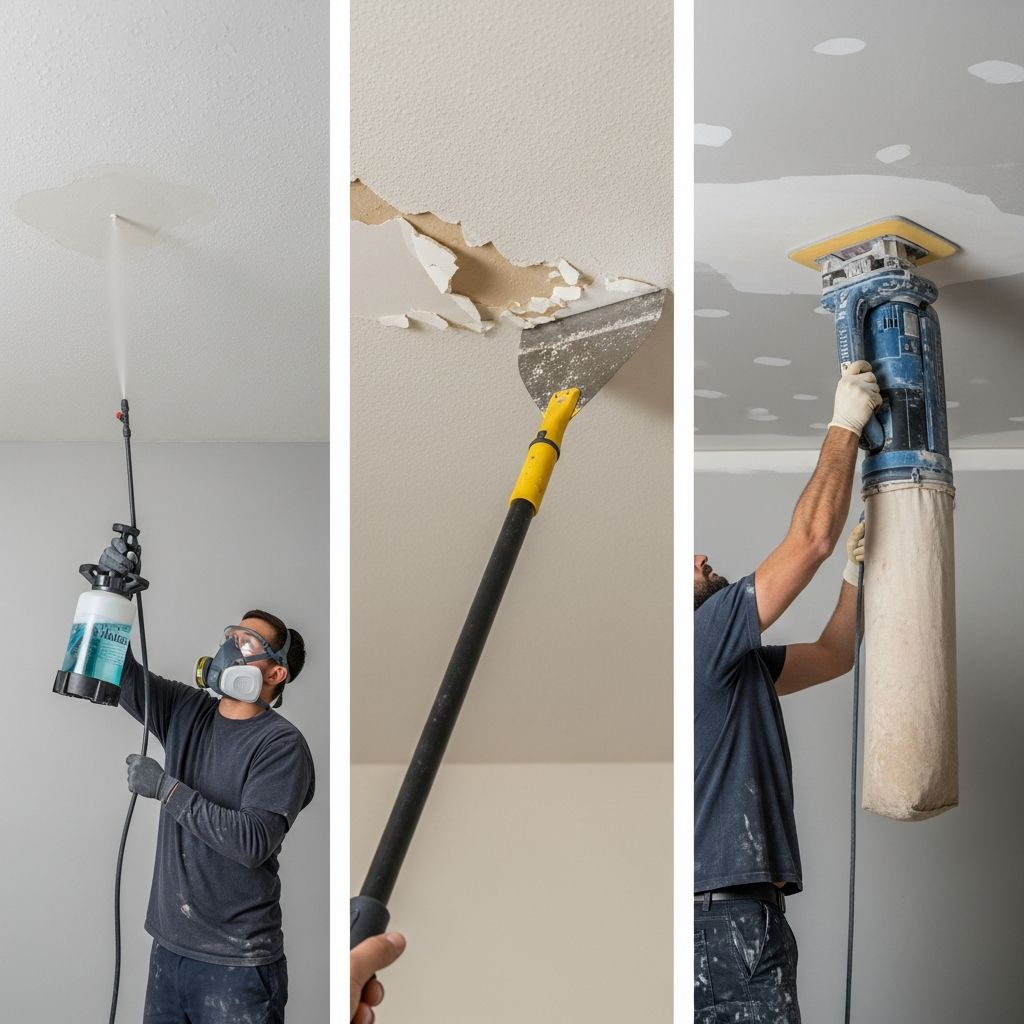
3 Ways to Remove Popcorn Ceiling
Popcorn ceilings, also known as acoustic ceilings or textured ceilings, were extremely popular in homes built between the 1960s and early 1980s. While they were valued for their ability to hide imperfections and improve acoustics, many homeowners today find them dated and prefer the clean look of smooth ceilings. The good news is that removing a popcorn ceiling is a manageable DIY project that doesn’t require specialized skills or expensive equipment. Understanding the different removal methods available will help you choose the approach that works best for your home and timeline.
Before You Begin: Testing Your Ceiling
Before diving into any removal method, it’s crucial to test your ceiling to determine if it has been painted. Paint can significantly impact which removal method will work best and how much effort the project will require. To test your ceiling, use a putty knife to perform a dry scrape on a small, inconspicuous area. If the popcorn texture comes off easily with minimal effort, you likely have an unpainted ceiling and can proceed with most removal methods.
If the popcorn doesn’t come off easily during the dry test, try spraying a small section with water using a spray bottle. Wait approximately 10 to 15 minutes, allowing the water to penetrate the texture, then attempt to scrape again. If the popcorn comes off after wetting, this indicates that water can penetrate the material, and moisture-based removal methods will work well. However, if the popcorn still doesn’t come off even after wetting, this strongly suggests your ceiling has been painted with one or more coats of paint. Painted ceilings require different handling and may necessitate more aggressive removal methods.
Method One: Wet Scraping
The wet scraping method is one of the most popular approaches for removing popcorn ceilings, particularly when the texture hasn’t been painted. This method relies on water to soften the acoustic material, making it easier to scrape away. It’s an economical choice that requires minimal tool investment, making it ideal for homeowners working with tight budgets.
Wet Scraping Step-by-Step Process
Step 1: Prepare Your Space
Begin by removing as much furniture and items from the room as possible. This project creates significant mess, so thorough preparation is essential. Lay down plastic sheeting or a heavy-duty tarp across the entire floor to catch the wet popcorn debris. Use painter’s tape to seal off any areas you want to protect, including walls, light fixtures, and ceiling fans. Additionally, wear a dust mask to avoid inhaling particles, and ensure good ventilation by opening windows and doors.
Step 2: Spray the Ceiling
Fill a pump sprayer or garden sprayer with water and begin spraying your ceiling in small sections. The goal is to penetrate the popcorn texture without saturating it so much that water drips through and damages the drywall underneath. Work systematically across the room, applying water evenly to each section. A garden sprayer works particularly well for larger rooms, providing consistent coverage and control over water application.
Step 3: Allow Water to Penetrate
After spraying each section, wait approximately 10 to 15 minutes before scraping. This waiting period allows the water to fully penetrate the popcorn texture and soften the adhesive bonds. You may need to respray the section during this time to keep it adequately moist. The key is patience; rushing this step often results in the texture not coming off cleanly.
Step 4: Scrape the Ceiling
Using a wide putty knife or drywall scraper, hold it nearly parallel to the ceiling surface at a very shallow angle. This flat angle prevents gouging the drywall underneath. Apply gentle to moderate pressure and push the scraper across the ceiling to remove the softened popcorn. Work methodically, removing what you can before the section dries out.
Step 5: Repeat and Inspect
Continue this spray-wait-scrape cycle until you’ve removed all the popcorn you can reach. Once complete, assess the ceiling for damage. You may notice gouges, dips, or exposed joint tape that will need repair using drywall joint compound. Sand any repairs smooth and prepare the ceiling for priming and painting.
Wet Scraping Advantages and Disadvantages
| Aspect | Details ||——–|———-||
Cost
| Very economical; requires only water, spray bottle, and scrapers ||Skill Level
| Beginner-friendly; no special training required ||Speed
| Slower than mechanical methods; time-intensive ||Mess Factor
| Wet, heavy debris that drips and splatters ||Physical Demand
| Moderate; working overhead for extended periods ||Best For
| Unpainted ceilings in smaller to medium rooms |Method Two: Dry Scraping
Dry scraping is another manual removal method that works when a ceiling hasn’t been painted. This approach skips the water step entirely, relying on mechanical force to remove the texture. While it may seem simpler, dry scraping requires more physical effort and can create more dust than wet methods.
Dry Scraping Process
For dry scraping, use a wide putty knife or specialized ceiling scraper. Hold the tool at a very shallow angle, nearly parallel to the ceiling, and scrape firmly to dislodge the popcorn texture. Without the lubricating effect of water, you’ll need to apply more pressure, which increases the risk of gouging the drywall if you’re not careful. Work in manageable sections, scraping methodically across the ceiling surface.
The advantage of dry scraping is that it avoids the wait time required by wet methods, potentially allowing for faster completion if you have the physical stamina. However, the disadvantage is the substantial amount of dust generated, which can be hazardous to breathe and difficult to contain. Wearing a quality respirator and ensuring excellent ventilation is essential when using this method.
When to Use Dry Scraping
Dry scraping works best on unpainted, lightly adhered popcorn ceilings and in smaller rooms where you can complete the work relatively quickly. For large surface areas or heavily adhered textures, this method becomes tedious and physically demanding. The dry dust also makes cleanup more challenging than wet methods, as the particles tend to scatter throughout the home.
Method Three: Drywall Sanding
The drywall sanding method represents a more mechanical approach to popcorn removal. This technique uses a specialized drywall sander, which consists of a long pole with a large sanding disk attached to the end. The sander is connected to a shop vacuum that captures most of the dust during the sanding process, making it a cleaner option than dry scraping.
How Drywall Sanding Works
A drywall sander is essentially an overhead sanding tool designed specifically for ceiling work. The sanding disk rotates to abrade the popcorn texture away from the drywall substrate. When properly operated with a shop vac attachment, the vacuum captures approximately 80-90% of the dust created, significantly reducing airborne particles. This method is particularly effective on painted popcorn ceilings, where moisture-based methods fail.
Drywall Sanding Step-by-Step Process
Step 1: Gather Equipment and Safety Gear
Rent or purchase a drywall sander with a dust collection system and ensure you have a shop vacuum rated for fine dust. Essential safety equipment includes protective eyewear, a HEPA-rated respirator mask, and clothing that covers your skin. Consider wearing a hat or head covering, as fine dust will settle on your hair and scalp. While the shop vac captures most dust, you’ll still experience some airborne particles.
Step 2: Prepare the Work Area
Cover your floors with plastic sheeting to protect them from sanding dust. Seal doorways with plastic to prevent dust from migrating to other rooms. Remove light fixtures, ceiling fans, and any other obstacles if possible, or cover them securely. Close HVAC vents to prevent dust from circulating through your home’s ventilation system.
Step 3: Start Sanding
Begin with a lower grit sandpaper, typically 80-grit, to remove the bulk of the popcorn texture efficiently. Ensure the shop vacuum is running before you start sanding. Hold the sander flat against the ceiling to avoid creating gouges from the disk edges. Move the sander in overlapping passes, working methodically across the entire ceiling surface. Maintain consistent pressure and keep the sander moving to avoid creating worn spots or low areas.
Step 4: Progress to Finer Grits
After removing most of the texture with 80-grit paper, switch to a higher grit, such as 120-grit, for a smoother finish. If necessary, finish with 220-grit paper for a very smooth surface. This multi-step process creates a more professional-looking ceiling with fewer imperfections than single-grit sanding.
Step 5: Inspect and Repair
Once sanding is complete, inspect the ceiling for remaining texture, gouges, or low spots. Sand away any stubborn texture remnants and fill any significant imperfections with joint compound. After repairs dry, lightly sand the entire ceiling again with fine-grit paper to ensure a uniform surface ready for priming and painting.
Drywall Sanding Advantages and Disadvantages
| Aspect | Details ||——–|———-||
Speed
| Fastest method; average bedroom completable in 1-2 hours ||Works on Painted Ceilings
| Effective on painted popcorn; wet methods may fail ||Dust Control
| Shop vac captures majority of dust; less mess than dry scraping ||Equipment Cost
| Requires rental or purchase of specialized equipment ||Physical Demand
| High; working overhead with heavy equipment ||Skill Learning Curve
| Moderate; takes practice to avoid gouges ||Best For
| Painted ceilings, large rooms, time-sensitive projects |Comparison of the Three Methods
| Method | Cost | Speed | Dust | Painted Ceiling | Best For ||——–|——|——-|——|—————–|———-||
Wet Scraping
| Very Low | Slow | Minimal | No | Small unpainted ceilings, budget-conscious ||Dry Scraping
| Very Low | Moderate | Significant | No | Small areas, patient DIYers ||Drywall Sanding
| Moderate | Very Fast | Controlled | Yes | Painted ceilings, large areas, time constraints |Ceiling Repair After Removal
Regardless of which removal method you choose, ceiling repairs will likely be necessary. The popcorn removal process often leaves gouges, low spots, and exposed joint tape. Using all-purpose joint compound, fill any significant damage. For deeper gouges, you may need multiple thin coats rather than one thick application, as thicker compound tends to shrink as it dries. Sand between coats for a smooth finish. Minor imperfections can be addressed with a final coat of lightweight joint compound, followed by light sanding and prime and paint.
Health and Safety Considerations
Popcorn ceilings installed before the 1980s may contain asbestos, a hazardous material. If you suspect asbestos, contact your local building department or have samples tested professionally before beginning removal. For safety, always wear appropriate personal protective equipment including dust masks or respirators, eye protection, and skin-covering clothing. Ensure adequate ventilation throughout the project and dispose of debris properly according to local regulations.
Frequently Asked Questions
Q: How do I know if my popcorn ceiling contains asbestos?
A: Popcorn ceilings installed before 1980 may contain asbestos. Have samples tested by a professional laboratory before removal. Never scrape or disturb suspected asbestos-containing material without proper precautions.
Q: Can I paint my popcorn ceiling instead of removing it?
A: Yes, painting is an alternative to removal. However, painted popcorn ceilings become very difficult to remove later using moisture-based methods. Painting essentially seals the texture in place permanently.
Q: How long does popcorn ceiling removal typically take?
A: Wet scraping can take several days for an average bedroom. Dry scraping takes similar time. Drywall sanding is fastest, usually completing an average bedroom in 1-2 hours, though repairs afterward add additional time.
Q: What should I do with the wet popcorn debris from wet scraping?
A: Allow it to dry on the plastic sheeting, then carefully fold and dispose of it in regular trash. Alternatively, some people let it dry on the tarp and sweep it into large trash bags for disposal.
Q: Can I rent a drywall sander instead of buying one?
A: Yes, most home improvement stores and equipment rental centers offer drywall sander rentals at reasonable daily or weekly rates, making it an economical option for one-time use.
References
- 4 DIY Methods to Remove Popcorn Ceilings — Erin Zubot Design. Accessed December 2025. https://erinzubotdesign.com/4-diy-methods-to-remove-popcorn-ceilings/
- Removing Popcorn Ceilings — Instructables. Accessed December 2025. https://www.instructables.com/Removing-Popcorn-Ceilings/
- How to Remove a Popcorn Ceiling — YouTube. Accessed December 2025. https://www.youtube.com/watch?v=RS-8dmoF68M
- How To Remove Popcorn Ceiling — How To Anything (YouTube). Accessed December 2025. https://www.youtube.com/watch?v=6-5TM07MI50
Similar Articles


Read full bio of Sneha Tete