5 Tips for Controlling Dust Mites in Your Home
Master dust mite control with proven strategies to reduce allergens and improve indoor air quality.
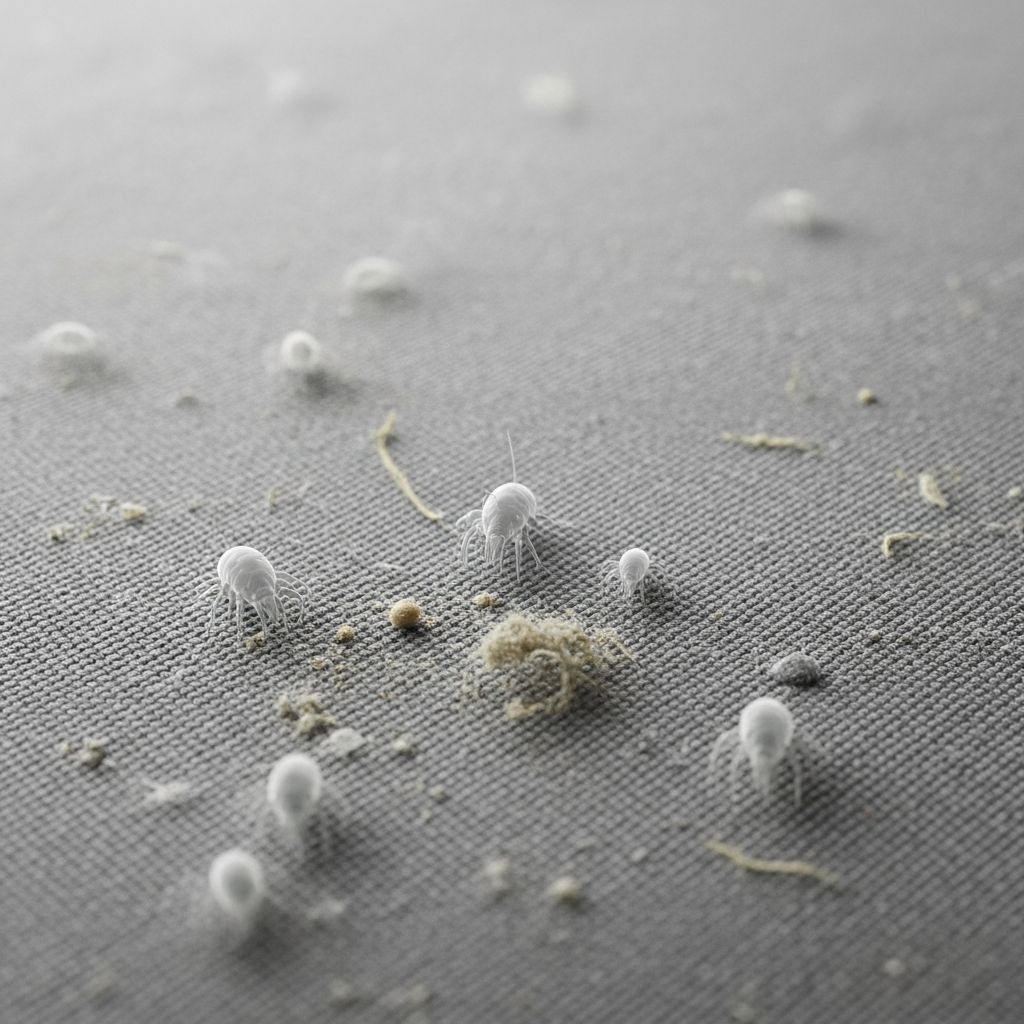
Dust mites are microscopic creatures that live in nearly every home, thriving in bedding, upholstered furniture, carpets, and curtains. These tiny pests feed on dead skin cells that naturally shed from humans and animals, and they reproduce rapidly in warm, humid environments. While dust mites themselves don’t bite, sting, or burrow into skin, they produce allergens that can trigger significant health problems for millions of people. According to the American Lung Association, roughly four out of five homes in the United States have detectable dust mite allergens in at least one bed, making dust mite control an important consideration for household health and comfort.
For individuals with asthma or dust mite allergies, controlling these microscopic pests becomes essential. Exposure to dust mite allergens can trigger mild to severe allergic symptoms, including sneezing, watery eyes, nasal congestion, and in serious cases, asthma attacks. The proteins found in dust mite feces, urine, and decaying bodies are what cause these reactions, and unlike pet allergens, dust mite allergens settle quickly into fabrics rather than remaining airborne. Most exposure occurs during sleep when people spend extended hours in close contact with dust mite-infested bedding.
The good news is that implementing strategic control measures can significantly reduce dust mite populations in your home and minimize allergic reactions. Here are five essential tips for controlling dust mites and creating a healthier living environment.
1. Control Humidity Levels in Your Home
Humidity is the single most important factor in determining whether a house will have high levels of dust mites. Unlike humans and animals, dust mites don’t drink water; instead, they absorb moisture directly from the air around them. In areas with low humidity, such as deserts, dust mites cannot survive. This makes humidity control one of the most effective strategies for reducing dust mite populations.
The ideal humidity level for minimizing dust mite growth is below 50 percent. In naturally humid climates or during humid seasons, maintaining this moisture level requires active intervention. Air conditioning systems work effectively to reduce humidity by drawing moisture from indoor air. For those without air conditioning or in particularly humid regions, standalone dehumidifiers offer an excellent solution. These devices can be placed in bedrooms, living areas, or throughout the home to maintain optimal humidity levels.
Installing a hygrometer (humidity meter) in key areas of your home helps you monitor moisture levels and determine when dehumidification is necessary. This simple device provides real-time feedback about indoor humidity, allowing you to adjust climate control systems accordingly. Regular monitoring ensures that your home remains in the ideal range for dust mite prevention while maintaining comfortable living conditions for your family.
2. Reduce Places Where Dust Mites Live
Dust mites thrive in textiles and soft furnishings where they can nest and feed. By reducing the number of places these pests can inhabit, you directly decrease the overall dust mite population in your home. Several straightforward modifications to your home’s furnishings and décor can make a substantial difference.
Remove or Replace Upholstered Furniture
Upholstered sofas, armchairs, and other fabric-covered furniture provide ideal habitats for dust mites. Consider removing upholstered pieces entirely or replacing them with furniture featuring smooth, hard surfaces such as leather, vinyl, or wood. These non-porous materials don’t trap dust mites or their allergens as easily as fabric does. If you prefer to keep upholstered furniture, use furniture covers or throws that can be regularly washed in hot water, though this requires consistent maintenance.
Eliminate Window Treatments
Heavy drapes and curtains collect substantial amounts of dust and provide excellent breeding grounds for dust mites. Replace traditional curtains with easy-to-clean alternatives such as roller shades, cellular shades, or lightweight fabric panels that can be washed frequently. If you prefer the aesthetic of curtains, opt for lightweight options that can be removed and washed weekly in hot water.
Invest in Allergen Encasements
One of the most effective tools for dust mite control is the allergen-blocking encasement. These specially designed covers, which resemble pillowcases with zippered closures, encase mattresses, box springs, and pillows. The encasement material has a tight weave that traps dust mite allergens inside while allowing air and moisture to pass through. This barrier prevents you from inhaling dust mite allergens while sleeping, which is when most exposure occurs. Allergen encasements are available at various price points—ranging from approximately four to twenty dollars per item—but all quality encasements provide equal protection regardless of cost. The price difference typically reflects comfort features rather than allergen-blocking capability.
Reduce Clutter and Soft Items
Decorative items, stuffed animals, and excessive clutter create additional surfaces where dust settles and dust mites thrive. Minimize decorative objects in bedrooms, and store items in sealed containers when possible. For cherished stuffed animals, wash them weekly in hot water (at least 120 degrees Fahrenheit) to kill dust mites and remove allergens. Alternatively, place stuffed animals in the freezer for 24 hours, as extremely low temperatures also kill dust mites, though this method should be followed by washing to remove allergen particles.
3. Wash Bedding in Hot Water Regularly
Bedding is where dust mites congregate in the highest concentrations because it combines the factors they prefer: warmth, humidity, and abundant dead skin cells. Establishing a rigorous bedding-washing routine is critical for dust mite control.
Wash all bedding—including sheets, pillowcases, duvet covers, and blankets—once weekly in hot water at temperatures of at least 120 degrees Fahrenheit. This temperature is hot enough to kill dust mites and remove their allergens. Cold or lukewarm water will not effectively eliminate these pests. Use a regular detergent suitable for hot water washing, and ensure the washing machine completes a full cycle to maximize allergen removal.
When drying bedding, use a hot dryer setting, as heat also kills dust mites. If you prefer to air-dry some items, ensure they’re completely dry before returning them to the bed, as any residual moisture can support dust mite survival. Additionally, if you use mattress pads or toppers, wash these in hot water as well.
For those with severe dust mite allergies, washing bedding twice weekly provides even greater protection. This more frequent schedule removes accumulated dust mite allergens more regularly but may not be practical for everyone. Even weekly washing provides substantial benefits compared to less frequent laundering.
4. Replace Carpeting with Hard-Surface Flooring
Carpeting is an excellent environment for dust mites, trapping both the pests themselves and the dust containing their allergens deep within the fibers. Carpets also make thorough cleaning difficult, as traditional vacuuming doesn’t remove all dust mite allergens. For optimal dust mite control, replace carpeting with hard-surface flooring options such as hardwood, laminate, tile, or vinyl.
Hard-surface flooring provides multiple advantages: it’s easier to clean thoroughly, dust doesn’t accumulate as easily, and dust mites cannot survive as readily on these surfaces. If you must retain carpeting for comfort or aesthetic reasons, implement rigorous cleaning protocols. Vacuum weekly using a vacuum cleaner equipped with a HEPA (High-Efficiency Particulate Air) filter. HEPA filters capture tiny particles, including dust mite allergens, that would otherwise be blown back into the air during vacuuming.
Supplement vacuuming with damp cleaning—using a slightly damp mop or cloth to wipe hard surfaces and trap dust rather than stirring it into the air. This method captures dust without the moisture that could promote mold growth. Focus damp cleaning efforts on bedroom floors where dust mite exposure is highest during sleeping hours.
5. Dust Regularly With Proper Techniques
Regular dusting reduces the overall dust accumulation in your home and improves indoor air quality. However, conventional dusting methods can actually spread dust mites and their allergens throughout the air. Using proper dusting techniques ensures you’re capturing particles rather than redistributing them.
Use Dust-Trapping Materials
When dusting, use materials that trap and lock dust rather than scattering it. Microfiber cloths, damp washcloths, and electrostatic dusters effectively capture dust particles. Avoid feather dusters or dry cloths, which can release dust into the air where it can be inhaled or settle on other surfaces. The slight moisture on damp cloths helps particles adhere to the cloth rather than becoming airborne.
Dust Bedroom Surfaces Frequently
Pay particular attention to bedroom surfaces, including nightstands, dressers, shelves, and windowsills. These areas accumulate dust that can easily become airborne and settle on bedding during sleep. Dust these surfaces at least weekly, using your preferred dust-trapping method.
Clean Air Vents and Returns
Dust accumulates in heating and cooling system vents and returns. Clean or replace air filters according to manufacturer recommendations—typically every one to three months, depending on the filter type and home conditions. Regular filter maintenance ensures your HVAC system isn’t circulating dust mites and their allergens throughout your home.
Additional Strategies for Dust Mite Control
Beyond these five primary tips, additional measures can enhance dust mite control efforts. Wash stuffed animals and other soft toys regularly, store out-of-season clothing in sealed containers rather than open closets, and consider using air purifiers with HEPA filters in bedrooms and living areas.
If you have pets, groom them regularly to minimize shedding and bathe them frequently to reduce the accumulation of dead skin cells. Keep pets out of bedrooms to prevent dust mite allergen accumulation in sleeping areas.
Frequently Asked Questions
Q: Are dust mites visible to the naked eye?
A: No, dust mites are microscopic and cannot be seen without magnification. They typically measure between 0.2 and 0.3 millimeters in size, far too small for human eyes to detect.
Q: Do dust mites indicate a dirty home?
A: No, dust mites appear in nearly all homes regardless of cleanliness level. They’re a natural part of indoor environments and have nothing to do with housekeeping standards. Even extremely clean homes contain dust mites if humidity levels are above 50 percent.
Q: What temperature water kills dust mites?
A: Water heated to at least 120 degrees Fahrenheit (49 degrees Celsius) kills dust mites effectively. This is why washing bedding in hot water is so important for dust mite control.
Q: How often should I wash my mattress encasement?
A: You don’t need to wash the encasement itself regularly. The encasement protects your mattress underneath, so you only wash your regular sheets and pillowcases. The encasement can be wiped down monthly or washed every few months as needed.
Q: Can air purifiers eliminate dust mites?
A: Air purifiers with HEPA filters can capture some dust mite allergens from the air, but they won’t eliminate dust mites from fabrics and furniture. Air purifiers work best as a supplement to other control measures, particularly in bedrooms.
Q: What humidity level is best for reducing dust mites?
A: Maintaining humidity below 50 percent significantly reduces dust mite populations. Ideally, keep indoor humidity between 30 and 50 percent for the best balance of dust mite control and personal comfort.
Q: Do dust mites cause asthma?
A: Dust mites don’t cause asthma, but they’re a major trigger for people with existing asthma. Dust mite allergens can trigger asthma attacks and worsen symptoms in sensitive individuals.
Conclusion
Controlling dust mites requires a multi-faceted approach combining humidity management, environmental modifications, regular cleaning, and strategic use of allergen-blocking products. By implementing these five tips—controlling humidity, reducing dust mite habitats, washing bedding in hot water, replacing carpeting, and dusting properly—you can significantly reduce dust mite populations and allergen exposure in your home. While you cannot completely eliminate dust mites from any home, these measures substantially decrease their numbers and create a healthier indoor environment for everyone, particularly those with asthma or dust mite allergies. Consistency is key; maintaining these practices over time yields the best results for dust mite control and improved indoor air quality.
References
- Dust Mites — American Lung Association. 2025-04-22. https://www.lung.org/clean-air/indoor-air/indoor-air-pollutants/dust-mites
- Reducing Dust Mites — American Lung Association. 2023-05-11. https://www.youtube.com/watch?v=9T8qNAMb2YA
Similar Articles






Read full bio of Sneha Tete