50 Smart DIY Home Projects to Transform Your Space
Practical weekend upgrades for every room in your house.
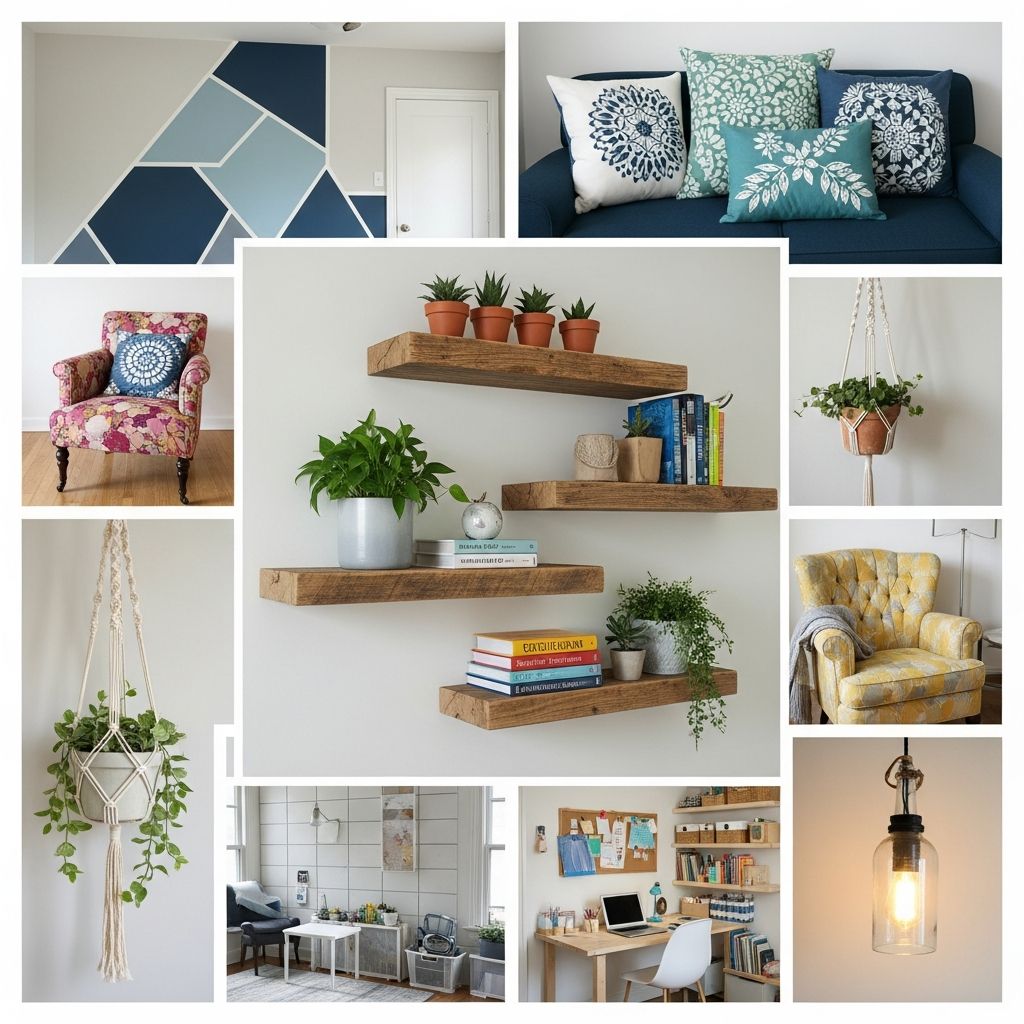
DIY home projects are one of the most cost-effective ways to add comfort, style, and value to your home while building your skills and confidence. This guide covers 50 beginner-friendly ideas organized by room so you can tackle one manageable upgrade at a time.
Why DIY Home Projects Matter
Small, focused projects can dramatically change how a room looks and functions without a full renovation. With basic tools, a free weekend, and a clear plan, you can complete projects that improve organization, boost curb appeal, and make your home more enjoyable to live in.
- Most of these projects can be finished in a day or a weekend.
- They typically require only basic tools like a drill, level, tape measure, and hand saw.
- You can scale materials and finishes up or down to fit your budget.
Living Room and Family Room Projects
1. Build a Simple Floating Shelf Wall
Floating shelves are perfect for displaying books, plants, or framed photos while keeping the floor clear. Use 1×8 or 1×10 boards, concealed brackets, and a level to create a neat, linear layout.
- Locate studs and use proper anchors for safety.
- Keep shelf spacing consistent for a clean, modern look.
2. Create a DIY Media Console
A basic media console can be built from plywood, pre-made legs, and simple edge banding. Plan openings for electronics, cable routing, and storage baskets.
- Ventilation slots or cutouts help keep electronics from overheating.
- Use cabinet doors or baskets to hide clutter.
3. Add a Board-and-Batten Accent Wall
Board-and-batten instantly adds depth and character to a plain wall. Install vertical trim pieces over a smooth wall, then paint the entire surface a single color.
- Use lightweight MDF or pine boards to keep costs low.
- Fill nail holes and caulk seams for a seamless finish.
4. Build a Sliding Barn Door
A sliding barn door saves floor space and creates a strong focal point. Use standard framing lumber or a solid core door, then add decorative trim and a sliding hardware kit.
- Measure the door opening carefully and allow extra width for overlap.
- Mount the track into solid framing for stability.
5. Upgrade Your Coffee Table with Storage
Turn a basic table into a hardworking centerpiece by adding a lower shelf or hidden storage. Simple stretchers or a box-style base can hold baskets, books, or blankets.
- Match the new components to the existing table style.
- Sand and refinish the entire piece for a unified look.
Kitchen DIY Projects
6. Install a Simple Backsplash
Peel-and-stick tile, beadboard, or classic subway tile can transform your kitchen without a full remodel. Focus on the area behind the stove and sink for maximum impact.
- Use a level and mark layout lines before setting any tile or panels.
- Seal edges near the countertop with a paintable caulk.
7. Add Open Shelving for Everyday Dishes
Open shelves replace a cabinet or fill an empty wall, making frequently used dishes easy to reach. Use sturdy brackets and solid wood shelves for strength.
- Keep heavy items near the brackets and lighter décor toward the ends.
- Limit the number of displayed items to avoid visual clutter.
8. Build a Rolling Kitchen Island or Cart
A rolling island adds prep space, storage, and flexibility. A simple rectangular frame with a solid top and locking casters can serve as a portable workstation.
- Add hooks or a towel bar on the sides for tools and linens.
- Use a durable finish like butcher block oil or a clear topcoat.
9. Create a Built-In Pantry Organizer
Adjustable shelves, pull-out bins, or narrow slide-out racks make better use of pantry depth. Tailor heights for cans, cereal boxes, and bulk containers.
- Label shelves or bins to keep food categories consistent.
- Use clear containers so you can see quantities at a glance.
10. Upgrade Cabinet Hardware
New knobs, pulls, and hinges dramatically refresh dated cabinets in an afternoon. Choose hardware that matches your faucet finish and overall style.
- Use a template or jig to ensure consistent hole placement.
- Fill and touch up any unused holes from old hardware.
Bedroom and Closet Projects
11. Build a Floating Bed Frame
A platform bed with recessed legs or a central base appears to float, giving the room an airy, modern feel. A simple box frame with support joists can hold a standard mattress.
- Add LED strip lights under the frame for a soft glow.
- Use corner brackets and strong screws for long-term stability.
12. Install a Custom Headboard
Headboards can be made from plywood, old doors, or upholstered panels. This project instantly elevates the look of the bedroom and allows you to introduce texture or color.
- Mount directly to the wall to keep it secure and flexible.
- Coordinate fabric or finish with bedding and curtains.
13. Add Closet Organizers
Custom or DIY closet systems maximize hanging space, shelves, and drawers. Even a simple combination of double-hang rods and cube storage can reduce clutter.
- Measure your existing closet carefully, including depth and door swing.
- Design zones for everyday wear, seasonal clothing, and accessories.
14. Build Under-Bed Storage Drawers
Roll-out drawers or flat storage boxes make use of often wasted under-bed space. Plywood boxes with casters are simple to build and easy to access.
- Use smooth-rolling casters to prevent scratching floors.
- Label drawers for items like linens, off-season clothes, or toys.
15. Create a Reading Nook
A corner bench, wall-mounted shelves, and a few cushions can become a cozy reading spot. This project works in bedrooms, hallways, or unused alcoves.
- Add a sconce or floor lamp for task lighting.
- Include hidden storage under the bench for books or blankets.
Bathroom DIY Projects
16. Frame a Plain Builder-Grade Mirror
Add trim around a large wall mirror to give it a custom, finished look. Use moisture-resistant materials and adhesives rated for bathrooms.
- Paint or stain the frame before installing it around the mirror.
- Use caulk to seal gaps and create a seamless transition.
17. Install New Towel Hooks and Bars
Replacing towel bars with hooks or adding extra storage behind the door helps reduce clutter. This simple change also gives you a chance to coordinate finishes.
- Mount hooks into studs where possible for heavier items.
- Match metal finishes with your faucet and shower fixtures.
18. Build Floating Bathroom Shelves
Narrow floating shelves above the toilet or near the vanity add storage for toiletries and décor. Keep depths modest so the space does not feel cramped.
- Use sealed or painted wood to handle humidity.
- Add baskets or jars to keep small items contained.
19. Update the Vanity Top and Faucet
Swapping a yellowed or damaged top with a modern replacement can refresh the whole room. Pair it with a new faucet for a coordinated update.
- Shut off water and test connections before removing the old faucet.
- Use plumber’s putty and Teflon tape to prevent leaks.
20. Add Peel-and-Stick Floor Tiles
Peel-and-stick tiles offer a quick way to cover worn flooring. Choose water-resistant options designed specifically for bathrooms.
- Clean and degloss existing floors thoroughly for good adhesion.
- Snap chalk lines for a straight layout, starting in the center.
Entryway, Mudroom, and Hallway Projects
21. Build a Wall-Mounted Coat Rack
A simple board with hooks and a top shelf creates an instant landing zone for coats and bags. Choose hooks rated to hold backpacks and heavy items.
- Mount into studs or use heavy-duty anchors.
- Add a narrow shelf for keys and small décor.
22. Create a Shoe Bench with Storage
A bench with cubbies, baskets, or a hinged top keeps shoes organized and provides a place to sit. Tailor the height and width to your space.
- Use durable materials that can handle dirt and moisture.
- Consider removable cushions for easy cleaning.
23. Install a Gallery Wall
A gallery wall turns a plain hallway into a personal art display. Mix frames, sizes, and art styles while keeping spacing consistent.
- Lay out the arrangement on the floor before hanging.
- Use paper templates taped to the wall to test spacing.
24. Add Wainscoting or Beadboard
Wainscoting introduces texture and protects walls in high-traffic areas. Panels or tongue-and-groove boards can be installed below a simple chair rail.
- Prime and paint panels before installation for easier coverage.
- Caulk seams for a smooth, polished finish.
25. Create a Command Center
A command center consolidates calendars, mail, and to-do lists in one place. Use a combination of corkboard, whiteboard, and wall pockets.
- Dedicate separate zones for each family member.
- Incorporate a small shelf for chargers and devices.
Outdoor and Curb Appeal Projects
26. Build a Simple Raised Garden Bed
Raised beds make gardening easier on your back and improve soil control. Use rot-resistant boards and corner brackets for a sturdy box.
- Line the bottom with cardboard to suppress weeds.
- Fill with a mix of topsoil and compost for healthy plants.
27. Construct a Small Deck or Platform
A small deck or platform creates a level space for chairs or a grill. Use pressure-treated lumber and ensure proper footings for stability.
- Check local codes and call before you dig.
- Leave gaps between deck boards for drainage.
28. Add Window Boxes or Planters
Window boxes and planters bring color to your home’s exterior. Lightweight boxes can be mounted below windows or on railings.
- Drill drainage holes and use quality potting mix.
- Choose plants suited to your sun exposure.
29. Refresh the Front Door and Hardware
A bold front door color and new hardware greatly improve curb appeal. Sand, prime, and paint the door, then swap out the lockset and handle.
- Pick a color that contrasts with your siding but fits your style.
- Consider a smart lock for added convenience.
30. Build a Fire Pit Area
A simple fire pit using pavers or a metal bowl creates a cozy outdoor gathering space. Surround it with gravel or pavers and weather-resistant seating.
- Confirm local regulations before building a fire feature.
- Maintain safe clearances from structures and trees.
Workshop, Garage, and Utility Projects
31. Install Wall-Mounted Tool Storage
Pegboard or a French cleat system keeps tools off the floor and easy to find. Customize hooks and holders for your most-used tools.
- Group tools by function (cutting, measuring, fastening).
- Outline tool shapes if you want quick visual inventory.
32. Build Overhead Garage Storage
Ceiling-mounted racks or shelves free up floor space for cars and equipment. Use heavy-duty brackets and secure them to ceiling joists.
- Store only lightweight items overhead for safety.
- Label bins to make retrieval easier.
33. Create a Folding Workbench
A wall-mounted, folding workbench offers a solid workspace that tucks away when not in use. Hinges and folding brackets support the top.
- Ensure clear floor space for the bench to fold down.
- Add a pegboard above for tools and clamps.
34. Build a Lumber Storage Rack
Horizontal racks along a wall keep boards organized and accessible. Use sturdy brackets spaced along the wall into studs.
- Sort lumber by length and thickness.
- Leave space for future material additions.
35. Set Up a Utility Closet Organizer
Adjustable shelves and hooks in a utility closet or laundry room help store cleaning supplies and small tools. This project reduces clutter and improves safety.
- Store hazardous chemicals out of reach of children and pets.
- Label shelves so items get returned to the right spot.
Energy, Safety, and Maintenance Projects
36. Install Weatherstripping on Doors
Weatherstripping around exterior doors reduces drafts and energy loss. Foam, vinyl, or magnetic strips seal gaps when the door is closed.
- Check for light or air leaks by running your hand along edges.
- Adjust the strike plate or thresholds as needed.
37. Add Door Sweeps and Thresholds
Door sweeps and thresholds block air and insects at the bottom of doors. This is an easy upgrade that delivers noticeable comfort.
- Cut sweeps to length with a hacksaw or tin snips.
- Test door operation after installation and adjust as necessary.
38. Upgrade to Programmable or Smart Thermostats
Smart thermostats help manage heating and cooling schedules for energy savings. Many models are designed for DIY installation.
- Turn off power at the breaker before wiring.
- Label existing wires before disconnecting the old thermostat.
39. Replace Old Smoke and CO Detectors
New smoke and carbon monoxide detectors improve safety and often come with long-life batteries. Test units monthly and replace them as recommended.
- Install detectors on every level and near sleeping areas.
- Mark replacement dates on the enclosure with a pen.
40. Seal Gaps and Cracks with Caulk
Caulking gaps around windows, trim, and tubs prevents water damage and air leaks. A steady bead followed by smoothing gives the best appearance.
- Use paintable caulk where you plan to paint over it.
- Remove old, failing caulk before applying new material.
Decor, Lighting, and Finishing Touches
41. Install New Light Fixtures
Replacing outdated fixtures with modern designs can transform a room’s look. While doing so, you can also improve brightness and energy efficiency.
- Turn off power and verify with a non-contact tester.
- Choose LED bulbs for long life and lower power use.
42. Add Under-Cabinet Lighting
Under-cabinet lighting in kitchens or workspaces reduces shadows and adds ambiance. Plug-in strips or low-voltage systems are ideal for DIYers.
- Plan cord routes and conceal them with channels or raceways.
- Use warm white color temperature for cozy light.
43. Create Accent Lighting with LED Strips
LED strips can highlight shelves, coves, or architectural details. Adhesive-backed strips are easy to install and can often be cut to length.
- Use diffusers where strips are directly visible.
- Consider smart controllers for color and dimming options.
44. Refresh Walls with Paint or Color Blocking
Painting is one of the most affordable ways to change a room. Color blocking, accent walls, or two-tone schemes add interest.
- Prepare surfaces with patching, sanding, and primer.
- Test color swatches in different lighting before committing.
45. Build Simple Picture Ledges
Picture ledges make it easy to rotate art and photos without constant re-hanging. They are just narrow shelves with a small front lip.
- Install in groups for layered, gallery-style displays.
- Anchor into studs for heavy frames.
Furniture and Upcycling Projects
46. Refinish a Vintage Chest or Dresser
Stripping old finish, repairing damage, and repainting or staining a dresser or chest creates a standout piece. This is a rewarding weekend project.
- Use appropriate safety gear when working with strippers and finishes.
- Replace hardware for a modern twist.
47. Reupholster a Favorite Chair
Reupholstering a worn but sturdy chair extends its life and updates its style. New fabric, foam, and webbing can make it feel brand new.
- Label and keep old fabric pieces as patterns.
- Use a staple gun and fabric glue for secure attachment.
48. Turn a Side Table into a Nightstand
A basic side table can be painted, trimmed, or fitted with a drawer to function as a custom nightstand. Matching finishes to your bed frame ties the room together.
- Add a small shelf or basket underneath for books.
- Drill a discrete hole for cord management if needed.
49. Build a Simple Bar Cart
A bar cart on casters can serve drinks, snacks, or coffee. Basic framing, a handle, and shelves are all it takes.
- Use a durable, wipeable finish to handle spills.
- Include rails or lips to keep bottles from sliding.
50. Upcycle Old Doors into a Desk or Table
An old solid door can become a unique desktop or dining table when paired with sturdy legs or a base. Sand it smooth, fill holes, and seal the surface.
- Cover any glass panels with clear acrylic for a work-safe top.
- Use adjustable feet to level the table on uneven floors.
Example Project Planning Table
| Project | Estimated Time | Skill Level | Typical Cost Range |
|---|---|---|---|
| Floating shelf wall | Half day | Beginner | Low |
| Sliding barn door | 1 day | Intermediate | Medium |
| Backyard fire pit | 1 day | Beginner | Medium |
| Smart thermostat install | 1–2 hours | Beginner | Medium |
FAQs About DIY Home Projects
How should a beginner get started with DIY projects?
Start with small, low-risk projects like shelves, paint, or basic storage. These build skills and confidence while still delivering visible results. As you gain experience, you can tackle more complex builds involving wiring, plumbing, or structural changes.
What basic tools are essential for most DIY home projects?
For most of the projects in this guide, a drill/driver, tape measure, level, stud finder, hammer, basic hand saw or circular saw, and safety gear will cover the essentials. Over time, you can add specialty tools such as a miter saw, sander, or nailer.
How can I keep DIY projects on budget?
Plan carefully, make a detailed materials list, and compare prices before you start. Reuse or upcycle materials where possible, and prioritize projects that give the biggest functional or visual payoff for your time and money.
Are there projects I should not attempt on my own?
Anything that affects structural framing, major electrical work, or gas lines should be approached with caution. When in doubt, consult local codes and consider hiring a licensed professional for safety and compliance.
How do I choose the right finish for my project?
High-use surfaces like tabletops and floors need durable, washable finishes such as polyurethane or specialty paints. In moisture-prone areas like bathrooms and kitchens, choose products designed to resist mildew, peeling, and frequent cleaning.
Similar Articles





Read full bio of medha deb