50 Things To Deep Clean In Your House: Room-By-Room Guide
Complete guide to deep cleaning every room and corner of your home for a fresh, healthy living space.
50 Things to Deep Clean in Your House: A Complete Room-by-Room Guide
Deep cleaning your home is one of the most rewarding household projects you can undertake. Unlike regular cleaning, which focuses on surface-level tidiness, deep cleaning targets those often-overlooked areas that accumulate dust, grime, and bacteria over time. Whether you’re preparing your home for guests, addressing seasonal maintenance, or simply wanting a fresh start, knowing where to focus your efforts makes all the difference. This comprehensive guide covers 50 essential areas throughout your home that deserve thorough attention, transforming your living space into a truly clean and healthy environment.
Kitchen Deep Cleaning Essentials
The kitchen is arguably the most important room to deep clean regularly, as it’s where food preparation occurs and bacteria can multiply quickly. Begin with the refrigerator, removing all shelves and drawers to wash them thoroughly with warm soapy water. Pay special attention to spills and sticky residue that has accumulated over weeks or months. The sink requires attention both inside and out—scrub the basin with baking soda and dish soap, and don’t forget the faucet and handles where bacteria thrive.
Your oven and stovetop collect grease splatters that require dedicated cleaning efforts. Remove oven racks and soak them in hot water with cleaning solution, then use a damp cloth and specialized degreaser to tackle stubborn buildup on interior surfaces. The microwave interior often gets overlooked despite food particles splattering inside during regular use. Create a steaming bowl of water with lemon to loosen dried-on food, making it easier to wipe clean.
Additional kitchen areas needing deep attention include:
- Dishwasher interior and seals
- Coffee maker and brewing components
- Range hood filters
- Cabinet interiors and shelves
- Under-sink cabinets and pipes
- Countertop edges and backsplash
- Kitchen light fixtures
- Drawer dividers and organizers
Bathroom Deep Cleaning Tasks
Bathrooms require meticulous deep cleaning due to moisture and the potential for mold and mildew growth. Start by removing everything from beneath the sink and wiping down all surfaces, checking for leaks or water damage. Grout lines between tiles collect mold and soap scum—use a stiff brush and appropriate cleanser to restore them.
The toilet bowl requires more than a quick brush; deep cleaning involves scrubbing beneath the rim where bacteria hide and addressing mineral deposits on the waterline. Shower tiles and glass doors benefit from a thorough scrubbing with an appropriate tile cleaner. Don’t overlook the showerhead, which can become clogged with mineral deposits—soak it in vinegar to restore water flow.
Key bathroom deep cleaning items include:
- Exhaust fan vents and filters
- Behind and around the toilet
- Bathtub and shower corners
- Medicine cabinet contents and shelves
- Light fixtures and mirrors
- Drawer organization and contents
- Baseboards and floor edges
Bedroom and Living Room Focus Areas
Bedrooms and living spaces accumulate dust and allergens that affect air quality and health. Deep clean bedroom closets by removing all items, vacuuming shelves and floors thoroughly, and reorganizing with clean storage solutions. Dust ceiling corners where cobwebs form, and don’t forget to wipe down ceiling fans—a major source of dust circulation when neglected.
Window treatments require regular attention; curtains can be washed or dry-cleaned depending on fabric, while blinds benefit from individual slat wiping or soaking. Under-bed spaces collect dust bunnies and should be vacuumed thoroughly. Baseboards throughout these rooms accumulate dust and should be wiped down with a damp cloth.
Important bedroom and living room areas include:
- Ceiling fans and light fixtures
- Window sills and frames
- Inside window blinds
- Door frames and doors
- Closet shelves and rods
- Air vents and returns
- Lampshades and light covers
Laundry Room and Utility Spaces
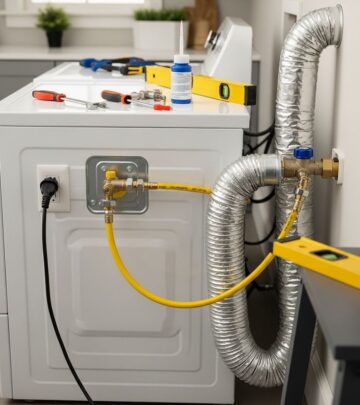
Laundry rooms often get overlooked despite their importance in maintaining hygiene. Deep clean your washing machine by running a cleaning cycle with white vinegar or a specialized cleaner—this removes detergent buildup, fabric softener residue, and odor-causing bacteria. The dryer lint trap requires more than just emptying; periodically vacuum the duct and clean behind and beneath these appliances.
Your utility sink should be scrubbed thoroughly, including the drain to prevent clogs and odors. Storage shelves in laundry areas collect dust and lint; wipe them down completely and reorganize cleaning supplies and laundry products.
Entryways and Hallways
These transitional spaces track dirt and dust throughout your home. Wipe down door frames, clean inside closets where coats and shoes store, and address baseboards that accumulate footprints and dust. Light fixtures in these areas often go unnoticed but can be quite dusty.
Floors and Carpets Throughout Your Home
Deep cleaning floors goes beyond regular vacuuming. For carpeted areas, consider steam cleaning or hiring professional services to remove embedded dirt and allergens. Hardwood floors should be thoroughly vacuumed, then cleaned with appropriate hardwood cleaners. Tile floors benefit from grout cleaning, which removes accumulated dirt and prevents mold growth. Under furniture and appliances often hides significant dust—move items when possible and clean underneath.
Frequently Asked Questions
Q: How often should I deep clean my home?
A: Most experts recommend deep cleaning your home two to four times per year, though high-traffic areas like kitchens and bathrooms may need attention more frequently, such as every three months.
Q: What’s the best time of year for deep cleaning?
A: Spring and fall are traditional deep cleaning seasons, as they mark transitions between weather patterns. Spring cleaning helps eliminate winter dust and allergens, while fall preparation readies your home for winter months.
Q: Can I use natural cleaners for deep cleaning?
A: Yes, natural cleaners like white vinegar, baking soda, and dish soap are effective for most deep cleaning tasks. A mixture of vinegar and water works well for windows and mirrors, while baking soda addresses tough stains and odors.
Q: Should I hire professional cleaners for deep cleaning?
A: Professional cleaners can be valuable for specialized tasks like carpet steam cleaning, window washing, or areas requiring equipment you don’t own. Many people tackle basic deep cleaning themselves and hire professionals for specific projects.
Q: How long does a complete deep clean take?
A: Deep cleaning an entire home typically takes 8-16 hours depending on home size and current condition. Many people break this into smaller projects completed over several weekends.
Q: What supplies do I need for basic deep cleaning?
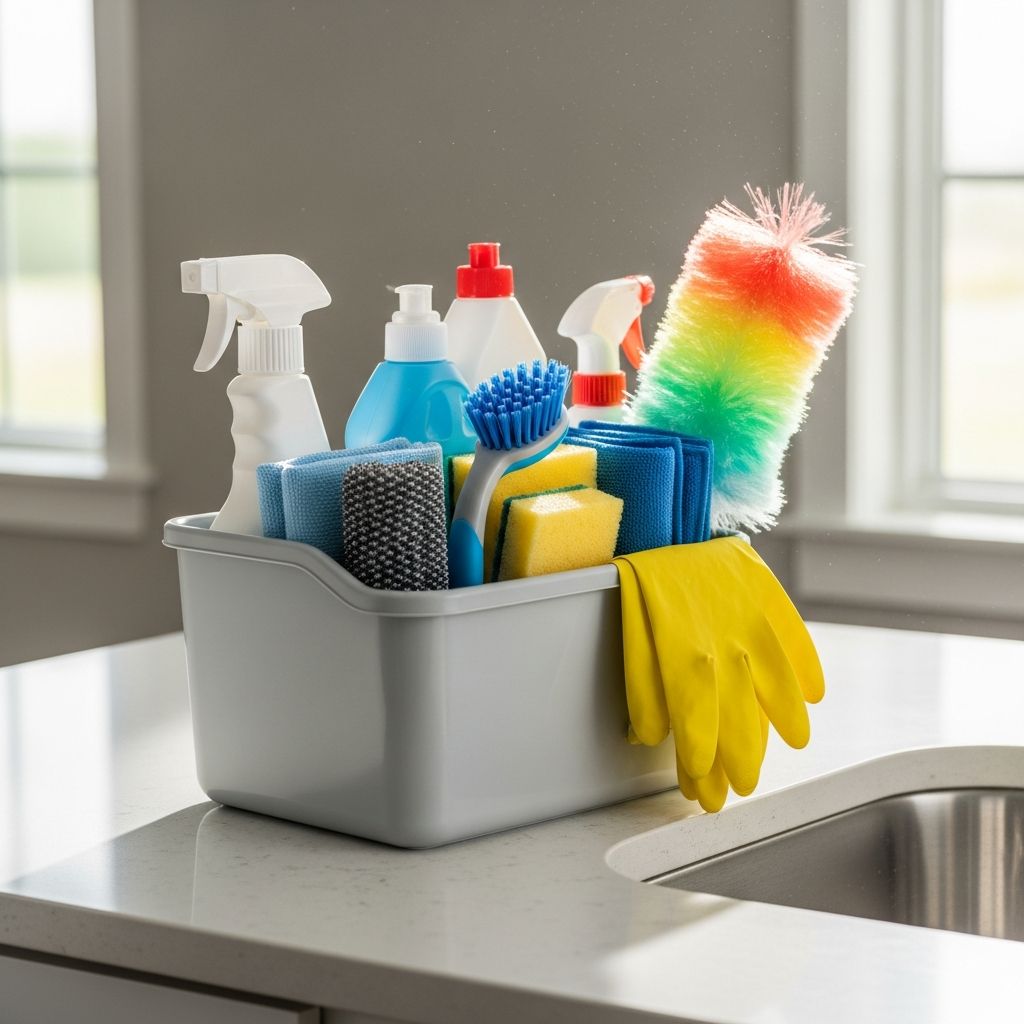
A: Essential supplies include microfiber cloths, brushes of various sizes, vacuum with attachments, mop, buckets, white vinegar, baking soda, dish soap, and appropriate cleaners for different surfaces like stainless steel or tile.
Deep Cleaning Tips and Strategies
Approach deep cleaning systematically by working room by room and top to bottom within each space. Start with ceiling fans and upper areas where dust falls downward, ending with floors. Prepare cleaning solutions and gather all necessary supplies before beginning to maintain momentum.
Consider decluttering before deep cleaning, as removing unnecessary items simplifies the process. Create a checklist to track progress and ensure nothing gets overlooked. Wear appropriate protective equipment like gloves and consider masks if you have allergies or sensitivities to dust.
Set realistic expectations—perfection isn’t the goal; rather, focus on thorough cleaning of neglected areas. Breaking deep cleaning into manageable chunks over several days prevents exhaustion and allows for better results than attempting everything in one day.
Conclusion
Deep cleaning your home addresses areas that regular daily cleaning misses, contributing significantly to a healthier, more pleasant living environment. By systematically working through these 50 areas—from kitchen appliances to bathroom grout, bedroom closets to laundry appliances—you create a foundation of cleanliness that extends the life of your home’s components and improves indoor air quality. Whether you tackle this project seasonally or more frequently, the satisfaction of a thoroughly cleaned home makes the effort worthwhile. Start with the rooms and areas that matter most to you, establish a sustainable routine, and enjoy the benefits of a truly deep-cleaned home.
References
- How To Deep Clean Your Kitchen — HGTV Home Guides. 2024. https://www.youtube.com/watch?v=MCb7vM7_Hvw
- A New Spin: Deep Cleaning Your Washing Machine — Money Pit. 2024. https://www.moneypit.com/2511-a-new-spin-deep-cleaning-your-washing-machine-hgtvs-clint-robertson-garage-workspace/
Similar Articles



Read full bio of Sneha Tete