7 Costly Home Improvement Mistakes to Avoid
Learn the most expensive home renovation errors and how to prevent costly mistakes in your project.
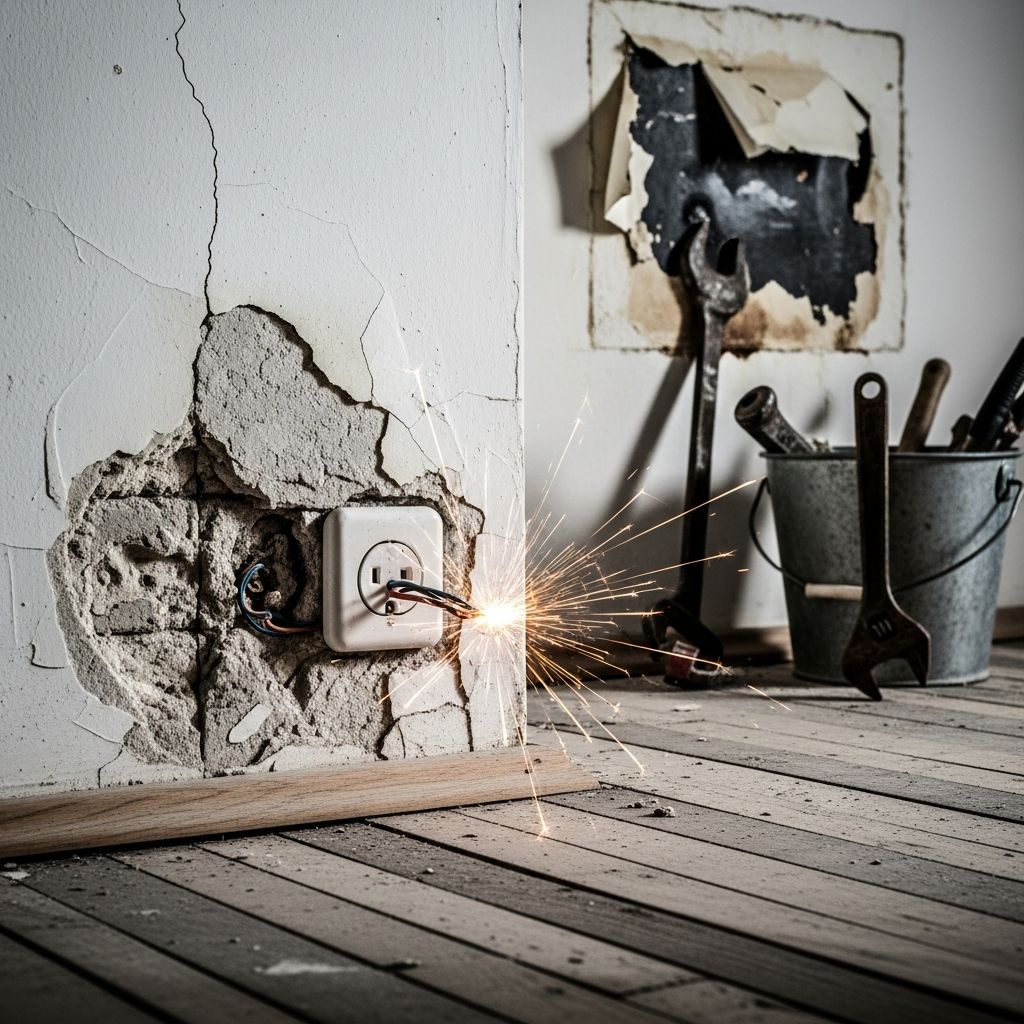
Home renovations can be exciting, but they can also become financial nightmares if you’re not careful. Making costly mistakes during home improvement projects is one of the most common regrets homeowners face. Whether you’re planning a minor update or a major overhaul, understanding the most expensive pitfalls can save you thousands of dollars and countless headaches. This guide covers seven critical home improvement mistakes that have derailed countless renovation projects and provides practical advice on how to avoid them.
1. Making Changes Mid-Project
One of the most expensive mistakes homeowners make is changing their minds once construction has begun. According to home building experts, when you alter your design plans after work has started, you set off a domino effect of delays and additional costs. Every change order requires the contractor to adjust timelines, reorder materials, and potentially hire additional workers to accommodate the new specifications.
When you make changes mid-project, you disrupt the workflow that your contractor established. This disruption cascades through the entire project timeline, affecting material deliveries, subcontractor schedules, and labor allocation. Each modification can add weeks to your project and thousands of dollars to your budget.
How to Avoid It: Before breaking ground or tearing down walls, spend considerable time visualizing your finished space. Create a detailed scope of work that outlines exactly what will be done, down to the smallest detail. Take time to understand how you want the finished room to look and feel. Research furniture pieces you plan to use and ensure they’ll fit in the redesigned space. Create a blueprint and layout your future furniture before construction begins to identify potential conflicts with fixtures, lighting, or doorways.
2. Skipping the Permit Process
Many homeowners try to expedite their projects by skipping required permits, but this false economy can result in serious financial and legal consequences. Permits exist to ensure that work meets building codes and safety standards. When you bypass permits, you risk having to redo work, facing fines, and potentially compromising your home’s structural integrity and safety.
Unpermitted work can also create complications when you sell your home. Buyers’ inspectors will likely discover unpermitted renovations, and you may be forced to bring everything into compliance before closing, which costs significantly more than doing it right the first time. Insurance companies may also deny claims related to unpermitted work.
How to Avoid It: Always consult with your local building department before starting any major renovation. Work with your contractor to pull all necessary permits. While permits add time and expense upfront, they protect your investment and ensure your home remains safe and compliant with local codes. Budget for permit costs as part of your overall project expenses.
3. Underestimating Your Budget
Many homeowners significantly underestimate how much their renovation will actually cost. They watch home improvement television shows where renovations seem to happen for minimal expense, but those shows don’t reflect real-world costs. In actual renovations, labor is expensive, materials have hidden costs, and unexpected issues always arise.
Professional contractors and designers often charge substantial fees, quality materials cost far more than budget alternatives, and unexpected structural issues discovered during renovation can quickly consume contingency funds. Additionally, supply chain disruptions and material price volatility can increase costs beyond initial estimates.
How to Avoid It: Get detailed quotes from at least three qualified contractors. Add a contingency budget of at least 15-20% to your total estimated costs for unexpected issues. Research material and labor costs in your specific area. Consult with an interior designer who can provide realistic cost assessments. Be realistic about where you can compromise and where quality truly matters for your project’s longevity.
4. Choosing the Wrong Contractor
Selecting a contractor based primarily on having the lowest bid is a mistake that leads to poor quality work, project delays, and cost overruns. The cheapest contractor isn’t necessarily the best value, and cutting corners during the hiring process often results in exponentially higher costs down the line.
Inexperienced or unscrupulous contractors may leave behind shoddy work that requires expensive fixes. They might abandon projects mid-way, leave safety hazards, or create structural problems that develop over time. Poor workmanship can compromise your home’s foundation, electrical systems, plumbing, and overall integrity.
How to Avoid It: Check contractor licenses, insurance, and references thoroughly. Interview multiple contractors and ask detailed questions about their experience with similar projects. Don’t automatically choose the lowest bid; instead, evaluate the overall value proposition. Review past work portfolios and speak directly with previous clients. Ensure your contractor provides a detailed written contract that includes timelines, payment schedules, and warranty information. Choose someone you communicate well with, as good relationships are essential for project success.
5. Ignoring Structural Issues
Discovering structural problems like foundation damage, water intrusion, mold, or outdated electrical and plumbing systems after work begins can devastate your budget. While these issues might seem like separate concerns, they often emerge during renovation and must be addressed before proceeding with cosmetic updates.
Many homeowners prioritize aesthetics over addressing underlying structural problems, hoping they’ll resolve themselves. This approach is dangerous and economically foolish. Structural issues only worsen over time, and delaying repairs can result in exponentially more expensive fixes later.
How to Avoid It: Have a professional home inspection completed before beginning any major renovation. Address all identified structural, electrical, plumbing, and safety issues before aesthetic work begins. Budget for potential hidden problems by maintaining a generous contingency reserve. If you discover issues during construction, tackle them immediately rather than postponing them. Work with your contractor to prioritize safety and structural integrity over timeline or appearance.
6. Following Trends Over Personal Preference
It’s tempting to incorporate the latest design trends into your renovation, but trendy choices often have short lifespans. What’s stylish today can look dated within a few years, forcing you to renovate again sooner than necessary. Additionally, making decisions based on what others recommend rather than what you actually want often results in a home that feels disjointed and doesn’t reflect your personality.
Seeking too many opinions from friends and family can create a design-by-committee situation where your home becomes a hodgepodge of conflicting styles and preferences. This approach wastes money on elements you don’t love and often requires additional modifications to create cohesion.
How to Avoid It: Design your renovation around how you want to live in the space and what you genuinely love, not what’s trending or what others suggest. Choose classic, timeless elements for expensive, permanent features like cabinets and flooring. Use trends in easily changeable elements like paint colors, hardware, and accessories. Trust your instincts about your home’s design. When you create a space you truly love, you’ll enjoy it for years without feeling the urge to renovate prematurely.
7. Overlooking Project Timeline Realities
Home improvement shows compress months or years of work into 30-minute episodes, creating unrealistic expectations about how quickly renovations should be completed. In reality, even relatively simple projects take considerably longer than most homeowners anticipate.
Permitting delays, material delivery times, weather issues, and the complexity of coordinating multiple subcontractors all extend project timelines. Discovering unexpected problems during construction also causes delays. When you have unrealistic timeline expectations, you may make rush decisions that compromise quality or increase costs.
How to Avoid It: Discuss realistic timelines with your contractor before work begins. Understand that permit approval alone can take weeks or months depending on your jurisdiction. Plan for material delivery delays, especially for custom items. Build buffer time into your schedule for unexpected issues. Be prepared for the possibility that your project may take longer than initially estimated. Having patience and flexibility will help you maintain quality and avoid expensive rushing.
Planning Strategies for Success
The foundation of any successful renovation is thorough planning before work begins. Take time to visualize your end result and communicate clearly with your contractor about your vision, timeline, and budget constraints. Create a detailed scope of work that leaves no room for misinterpretation.
Document everything in writing, including specifications, materials, colors, finishes, and any special requirements. Get multiple bids and check references. Establish a contingency budget and maintain realistic expectations based on your local market conditions and the complexity of your project.
Building a strong relationship with your contractor through clear communication, realistic expectations, and mutual respect will help ensure your project stays on track and within budget. Remember that your contractor wants your project to succeed; they benefit from happy clients and efficient workflows just as much as you do.
Frequently Asked Questions
Q: How much contingency budget should I include in my renovation?
A: Most experts recommend including a contingency budget of 15-20% of your total project cost. For major renovations or older homes where hidden issues are likely, consider allocating 20-25% for unexpected expenses.
Q: Can I make changes to my renovation design after work begins?
A: While minor changes are sometimes possible, they will typically increase costs and extend timelines. Any changes should be documented in writing as change orders with clear cost and timeline implications before work proceeds.
Q: Should I use the cheapest contractor to save money?
A: No. The lowest bid often indicates lower quality work, less experienced contractors, or cutting corners on materials. Choose contractors based on qualifications, experience, references, and overall value rather than price alone.
Q: How long should a typical kitchen renovation take?
A: A standard kitchen renovation typically takes 6-9 months from design through completion. Complex kitchens with custom cabinetry or structural changes can take considerably longer. Timeline varies based on permit approval, material availability, and unforeseen issues.
Q: What should I do if my contractor discovers a structural problem mid-project?
A: Address it immediately. Delaying structural repairs will only increase costs. Get quotes for the necessary work, adjust your budget and timeline accordingly, and proceed with repairs before continuing with cosmetic work.
Q: How can I avoid design regrets after my renovation is complete?
A: Design your space based on how you want to live, not on trends or others’ opinions. Use classic, timeless choices for permanent features. Live with paint colors in the space for several weeks before committing. Save trendy choices for easily changeable elements.
References
- HGTV Star Explains the Renovation Mistake That Could Cost You — Business Insider. 2016. https://www.businessinsider.com/hgtv-star-expensive-renovation-mistake-2016-2
- 3 Reasons HGTV is Ruining Your Life — Fuchsia Design. https://www.fuchsiadesign.com/blog/3-reasons-hgtv-is-ruining-your-life
- How HGTV & Home Renovation Shows Have Misled You — Masteredge Homes. https://www.masteredgehomes.com/resources/blog/how-hgtv-home-renovation-shows-mislead-you
Similar Articles








Read full bio of Sneha Tete