Acacia Wood Maintenance: Complete Care Guide
Master acacia wood care with essential cleaning, oiling, and protection strategies for lasting durability.
Understanding Acacia Wood and Its Natural Properties
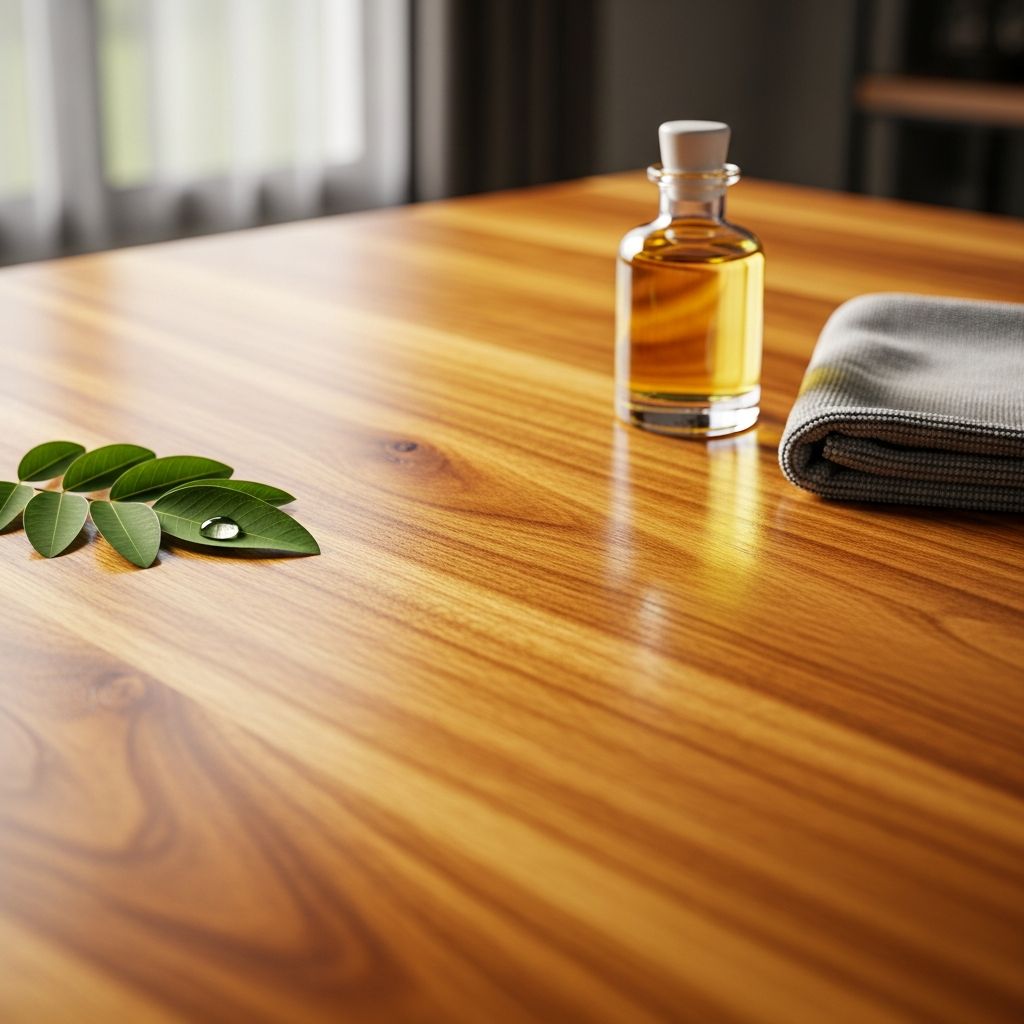
Acacia wood represents a popular choice for both indoor and outdoor furniture due to its inherent durability and attractive appearance. This tropical hardwood possesses remarkable strength and resistance to decay, making it suitable for demanding environments. However, like all natural wood materials, acacia requires consistent attention to maintain its structural integrity and aesthetic appeal.
The wood’s behavior changes with environmental conditions. When exposed to moisture and humid climates, acacia wood naturally expands as it absorbs water from the air. Conversely, during dry seasons or when placed in direct sunlight, the wood contracts. This natural expansion and contraction cycle, known as wood movement, can result in minor cracks, surface chips, or warping over time. Understanding this fundamental characteristic helps homeowners recognize that certain imperfections represent normal aging rather than poor quality or neglect.
Wood is fundamentally a living material, even after being harvested and manufactured into furniture. This means it continues responding to its environment throughout its useful life. With proper maintenance strategies in place, including regular cleaning, sanding, and oiling, these natural processes can be managed effectively, significantly extending your furniture’s functional lifespan.
Establishing a Foundation: Essential Cleaning Practices
Regular Dusting and Surface Maintenance
The foundation of all wood furniture care begins with regular cleaning. Dust accumulation represents more than a cosmetic concern—it can trap moisture against the wood surface and provide a breeding ground for mold and mildew. Make dusting a routine habit, particularly during pollen-heavy seasons when outdoor furniture accumulates debris more rapidly.
For basic cleaning, use a soft, damp cloth or a soft-bristled brush to gently remove dust and pollen. The key is maintaining a barely-damp condition rather than saturating the cloth. This approach prevents moisture from soaking into the wood grain while still effectively removing surface contaminants. Monthly cleaning schedules work well for most climates, though humid regions may benefit from more frequent attention.
Deep Cleaning Methodology
Beyond regular dusting, your acacia furniture occasionally requires more thorough cleaning to address accumulated grime, stubborn stains, or biological growth. Prepare a gentle cleaning solution by combining mild natural soap with warm water. The critical point here involves avoiding certain chemical families that can damage the wood’s protective finish.
Never use cleaning products containing ammonia or silicone-based compounds, as these strip away the wood’s outer protective layer, leaving it vulnerable to moisture penetration and UV damage. Similarly, abrasive chemicals and harsh solvents can compromise the wood’s surface integrity. After applying your gentle soap solution with a soft brush and scrubbing lightly, rinse thoroughly with clean water and dry immediately with a clean cloth to prevent water spotting.
For stubborn stains that resist gentle cleaning methods, a water and vinegar solution offers a natural alternative with mild acidic properties sufficient to lift many marks without damaging the wood. Always respond to spills and stains promptly—allowing them to sit overnight can cause permanent discoloration or allow moisture to penetrate deeper into the grain.
Protective Treatments and Seasonal Care
Application of Hardwood Oils and Sealants
While acacia wood arrives pre-treated with hardwood oil at the point of purchase, this initial protective coating typically lasts between three to six months under normal outdoor conditions. After this initial period expires, establishing a regular oiling schedule becomes essential for maintaining protection.
Tung oil and teak oil represent the optimal choices for acacia furniture, as these penetrating oils work by soaking into the wood grain rather than forming a surface coating. This penetration approach nourishes the wood from within, making it more resistant to environmental stressors including moisture infiltration and ultraviolet radiation. Alternative options like linseed oil and mineral oil also work effectively for maintaining the wood’s appearance and structural health.
Implement the following process for oil application:
- Ensure the wood surface is completely clean and has dried thoroughly (allow at least 24 hours of air drying after cleaning)
- Use fine-grade sandpaper to gently smooth any rough patches or areas where the previous finish has worn away
- Apply oil evenly using a clean brush or cloth, working in the direction of the wood grain
- Allow the oil approximately 15 minutes to penetrate the wood surface
- Wipe away excess oil with a clean cloth to prevent buildup
- Apply a second coat after one hour if desired, and allow the furniture to dry completely between coats
- Typically, two to three coats provide optimal protection
Most wood care experts recommend repeating this oiling treatment once or twice annually, with more frequent applications in particularly harsh climates or high-use situations. Some homeowners prefer applying oil every three to four weeks if their furniture receives heavy use, while those with seasonal or occasional-use pieces can extend the interval to every two to three months.
UV Protection and Weather Resistance
Ultraviolet radiation represents one of the primary culprits in wood fading and drying. Over time, unprotected acacia furniture develops a grayish appearance as the sun’s rays break down the wood’s natural pigments. Beyond aesthetic concerns, UV exposure accelerates moisture loss from the wood, making it more prone to cracking and checking.
Applying a UV-resistant wood sealant creates a barrier against these damaging rays while still allowing the wood to breathe naturally. These sealants differ from oils in that they form a protective film on the surface rather than penetrating the grain. Reapply UV-protective sealants annually or according to the manufacturer’s specific recommendations, as environmental weathering gradually reduces their effectiveness.
Refinishing and Restoration Strategies
Recognizing When Refinishing Becomes Necessary
Even with diligent maintenance, acacia wood furniture eventually shows signs of aging that call for more substantial restoration. Several visual indicators suggest refinishing time has arrived: a noticeably faded color compared to the original finish, rough or splintered texture developing on previously smooth surfaces, or widespread wear patterns that cleaning and oiling cannot address.
Refinishing involves removing the degraded finish down to bare wood, then applying fresh protective coatings. This process reverses years of environmental exposure and restores both the wood’s natural beauty and its protective barrier against moisture and UV damage.
Refinishing Process and Precautions
Begin refinishing by lightly sanding the surface with fine-grit sandpaper, working with the grain direction to avoid creating cross-grain scratches. The goal involves removing the old finish layer without aggressively abrading the underlying wood. Pay special attention to areas showing the most wear.
After sanding, apply a fresh coat of wood stain or oil to rejuvenate the natural color and restore visual appeal. Once this layer has dried according to product instructions, follow with a clear sealer to provide renewed protection. This combined approach simultaneously beautifies the furniture and extends its practical lifespan by years.
Always perform refinishing work in well-ventilated spaces, as sanding dust and finish fumes present health hazards. Wearing protective equipment including dust masks and eye protection prevents inhalation of airborne particles and protects against accidental splashes.
Storage, Covering, and Environmental Management
Protection During Seasons of Non-Use
Ideally, store acacia furniture indoors during extreme weather conditions, particularly in climates experiencing harsh winters with extended freezing periods. Moving furniture inside eliminates exposure to the most damaging environmental extremes and dramatically extends its lifespan.
When indoor storage isn’t practical, waterproof furniture covers that also block ultraviolet rays offer the next best solution. Covers prevent direct water contact from rain and snow while reducing UV exposure during extended storage periods. Before covering, ensure the furniture is clean and dry—trapped dust and debris can scratch surfaces when the cover moves with wind or settles. Remove cushions and store them separately to prevent mold growth that thrives in the moist environment created by covered, cushioned furniture.
Elevation and Moisture Management
Even with covers, elevating furniture above ground level using pallets or protective feet prevents water from pooling beneath pieces after rain or during high-humidity periods. Ground contact exposes wood to moisture that can accelerate decay and promote fungal growth. Proper air circulation underneath furniture helps prevent the damp conditions where mold and mildew establish themselves.
Advanced Maintenance Considerations
When to Seek Professional Assistance
While many maintenance tasks suit do-it-yourself approaches, certain situations benefit from professional expertise. Deep cleaning by furniture specialists removes embedded dirt that surface cleaning cannot address, restoring the wood’s natural luster. Professional sanding and sealing work provides a smoother, more uniform protective finish than amateur attempts.
More importantly, addressing minor damage promptly prevents small problems from becoming expensive repairs. Small cracks, loose joints, or surface damage can be corrected easily when caught early, but neglect allows damage to spread and worsen. Regular inspection of your acacia furniture—examining joints, checking for cracks, and monitoring finish condition—enables early intervention when professional help becomes worthwhile.
Patch Testing and Compatibility
Before applying any new oil, stain, or protective coating to finished acacia furniture, conduct a patch test on an inconspicuous area. Different finish systems and oil types sometimes interact unexpectedly, potentially causing discoloration, clouding, or adhesion problems. Testing prevents these surprises from affecting visible surfaces.
Practical Maintenance Schedule Overview
| Maintenance Task | Frequency | Notes |
|---|---|---|
| Dust and light cleaning | Monthly or as needed | More frequent during pollen season |
| Deep cleaning with mild soap | Seasonally (2-4 times yearly) | Before storing for winter is especially important |
| Oil application | Every 3-6 months | Adjust based on climate and furniture use intensity |
| UV-protective sealant reapplication | Annually | Follow manufacturer’s specific recommendations |
| Sanding and refinishing | Every 2-3 years or as needed | Based on visible wear and finish degradation |
| Furniture inspection | Quarterly | Check for damage, loose joints, and finish condition |
Frequently Asked Questions
Q: What oils work best for acacia wood furniture?
A: Tung oil and teak oil represent the optimal choices for acacia furniture due to their penetrating properties that nourish the wood from within. Linseed oil and mineral oil also provide effective maintenance, with mineral oil being particularly suitable for cutting boards and food-contact surfaces.
Q: How often should I oil my acacia wood furniture?
A: Apply oil every three to six months under normal conditions, adjusting based on climate severity and furniture usage intensity. Heavily used pieces may benefit from more frequent applications, while occasionally-used furniture can stretch intervals to every two to three months.
Q: Can acacia wood furniture stay outside year-round?
A: While acacia’s durability makes it suitable for outdoor placement, bringing furniture indoors during harsh winter months significantly extends its lifespan. If outdoor storage is necessary, use protective covers that block both water and UV rays, and ensure proper elevation to prevent ground moisture exposure.
Q: What chemicals should I avoid when cleaning acacia wood?
A: Avoid cleaning products containing ammonia, silicone, or aluminum compounds, as these strip the wood’s protective outer layer. Similarly, harsh solvents and abrasive chemicals can damage the finish. Stick to mild natural soaps, water, or gentle vinegar solutions.
Q: Is it normal for acacia wood to crack or warp?
A: Yes, minor cracks and warping represent natural responses to humidity and temperature fluctuations. This normal wood movement can be minimized through proper maintenance including regular oiling and moisture management, but cannot be entirely prevented.
Q: How do I remove stubborn stains from acacia wood?
A: For stubborn stains, try a solution of water mixed with white vinegar, applied with a soft brush. Always address spills immediately rather than allowing them to sit, as prompt cleaning prevents permanent discoloration. If stains persist, consider consulting a professional wood refinisher.
References
- How to Care for Acacia Wood Outdoor Furniture — Scanica US. Accessed January 2026. https://www.scanica.com/blogs/news/how-to-care-for-acacia-wood-outdoor-furniture
- Caring for Acacia Wood — The Home Depot. Accessed January 2026. https://images.thdstatic.com/catalog/pdfImages/0b/0b369e1b-aa01-498d-bbe6-59c9cbb3a303.pdf
- Acacia Wood Furniture Customer Guide — Garden Trading. Accessed January 2026. https://www.gardentrading.co.uk/content/product_pdfs/Acacia_Wood_Care_Instructions.pdf
- Dos and Don’ts of Maintaining Acacia Wood Furniture — LTJarbor. Accessed January 2026. https://ltjarbor.com/dos-and-donts-of-maintaining-acacia-wood-furniture/
- Acacia Wood Furniture and Floors: How to Care for Acacia — MasterClass. January 2026. https://www.masterclass.com/articles/acacia-wood-care-guide
Similar Articles








Read full bio of medha deb