Adding a Basement Kitchen: Complete Guide
Transform your basement with a functional kitchen: planning, design, and installation tips.
Adding a Basement Kitchen: A Complete Guide to Expanding Your Home
Adding a basement kitchen is one of the most effective ways to increase your home’s functionality and value. Whether you’re planning to create a rental unit, guest suite, or recreational space, a well-designed basement kitchen can transform an underutilized area into a thriving living space. This comprehensive guide walks you through everything you need to know about planning, designing, and installing a basement kitchen that meets your needs and enhances your property’s appeal.
Why Add a Basement Kitchen?
A basement kitchen opens up numerous possibilities for homeowners. Beyond the obvious benefit of creating additional living space, a basement kitchen can significantly boost your home’s resale value. Real estate professionals recognize that functional basement spaces, particularly those with kitchen facilities, are highly attractive to buyers. If you’re considering renting out a portion of your home, a basement kitchen becomes an essential feature that allows tenants to live independently and comfortably. Additionally, a basement kitchen can serve as a perfect setup for a home office kitchen, entertaining space, or multi-generational living arrangement.
Initial Planning and Assessment
Evaluating Your Basement Space
Before committing to a basement kitchen project, thoroughly assess your basement’s existing conditions. Check for moisture issues, as kitchens require proper drainage and waterproofing to function effectively. Examine the ceiling height to ensure adequate headroom for comfortable use. Verify that your basement has proper egress windows or exits, especially if you’re creating a rental unit, as building codes typically require safe emergency exits. Additionally, inspect your foundation for cracks or water damage that should be addressed before beginning any renovation work.
Understanding Building Codes and Permits
Basement kitchens must comply with local building codes and zoning regulations. Different municipalities have specific requirements regarding basement kitchens, particularly if you’re creating a rental unit or guest suite. You’ll likely need permits for plumbing, electrical work, and general construction. Consult with your local building department to understand requirements for ventilation, window placement, emergency exits, and ceiling height minimums. This step ensures your finished kitchen is both legal and safe, protecting your investment and your home’s insurability.
Design Considerations for Basement Kitchens
Layout and Workflow
Effective kitchen layout is crucial in basement spaces where square footage might be limited. Consider the classic kitchen work triangle—the relationship between your sink, stove, and refrigerator. Arrange these elements efficiently to minimize unnecessary movement and create a functional workspace. Galley kitchens, L-shaped layouts, and one-wall designs work particularly well in basement spaces. Ensure adequate counter space for food preparation and consider incorporating storage solutions that maximize your available square footage without creating a cramped feeling.
Lighting and Ventilation
Basements naturally lack natural light, making artificial lighting especially important. Install a combination of overhead lighting, task lighting under cabinets, and accent lighting to create a bright, inviting atmosphere. LED lights are energy-efficient and generate less heat than traditional bulbs, making them ideal for basement spaces. Proper ventilation is equally critical. Install a range hood with appropriate ductwork to effectively remove cooking odors and moisture. If your basement doesn’t allow traditional ductwork to the exterior, consider a recirculating range hood with charcoal filters as an alternative, though it’s less effective than vented systems.
Flooring and Moisture Management
Basement kitchens face unique challenges from moisture and temperature fluctuations. Choose flooring that resists water damage, such as vinyl plank flooring, ceramic tile, or sealed concrete. Avoid traditional hardwood unless you install a robust moisture barrier beneath it. Install a vapor barrier under your flooring to prevent moisture from the concrete foundation from damaging your kitchen. Consider radiant floor heating to keep the space comfortable during cold months, as basement temperatures tend to be cooler than upper levels.
Appliance Selection for Basement Kitchens
Choosing the Right Appliances
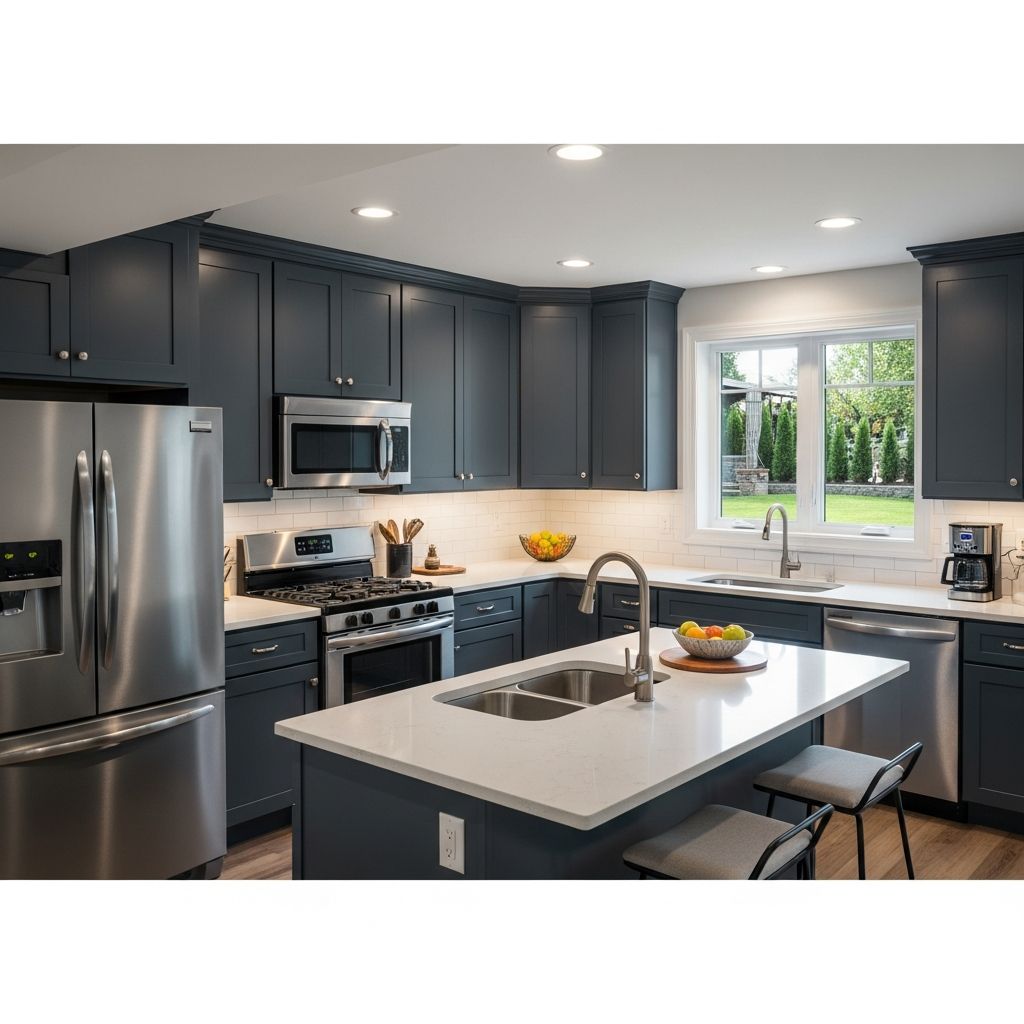
When selecting appliances for your basement kitchen, prioritize quality and durability. Full-size, standard appliances are preferable to compact or apartment-sized units, particularly if you’re creating a rental space. Tenants and guests appreciate the comfort of familiar, full-function appliances. A standard 30-inch range with an accompanying microwave hood vent above provides excellent functionality and aesthetic appeal. Select stainless steel or integrated finishes that coordinate with your cabinets for a cohesive design.
Essential Appliances
At minimum, your basement kitchen should include a refrigerator, range or cooktop, oven, and sink. A dishwasher significantly increases the kitchen’s functionality and appeal, making it worth the investment if space permits. Consider your specific needs—if you’re creating a rental unit, opt for reliable, commercial-grade appliances that withstand frequent use. For a personal guest kitchen or entertaining space, you might prioritize aesthetic appeal alongside functionality. Always select Energy Star-certified appliances to minimize operating costs and appeal to environmentally conscious buyers or renters.
Appliance Placement and Installation
Work with your contractor to determine the optimal placement for each appliance within your basement layout. Consider proximity to water lines, electrical connections, and ventilation requirements. Some appliances require specific installation conditions—refrigerators need clearance for door swing and adequate ventilation, for example. Plan plumbing and electrical work accordingly to ensure safe, code-compliant installation that minimizes costly retrofitting during the project.
Cabinetry and Storage Solutions
Cabinet Options
Quality cabinetry represents a significant portion of your basement kitchen budget. You have several options ranging from budget-friendly to high-end. Stock cabinets offer affordability but limited customization. Semi-custom cabinets provide more flexibility at moderate cost. Custom cabinets deliver exactly what you envision but command premium pricing. Consider budget-friendly alternatives like refurbished or salvaged cabinets from other homes, which can provide high-quality materials at reduced cost when properly refinished. Regardless of which option you choose, prioritize durability and moisture resistance for basement environments.
Maximizing Storage
Basement kitchens often have limited square footage, making strategic storage especially important. Incorporate vertical storage with tall cabinets that extend to the ceiling. Use pull-out organizers, lazy Susans, and drawer dividers to maximize functionality within each cabinet. Open shelving can create an airy feel while providing convenient storage for frequently used items. Consider a kitchen island or peninsula if space allows—these elements provide additional storage, counter space, and can serve as a visual anchor in your design.
Countertops and Backsplashes
Countertop Materials
Select countertop materials that balance durability, aesthetics, and budget. Laminate offers affordability and easy maintenance but may lack the upscale appearance of premium materials. Solid surface countertops provide a sophisticated look with good durability. Quartz countertops deliver exceptional durability and striking aesthetics but at higher cost. Granite and marble offer natural beauty but require regular sealing and maintenance. For basement kitchens where moisture is a concern, avoid materials prone to water damage and ensure proper sealing and installation regardless of material choice.
Backsplash Design
Backsplashes protect your walls from splashes while contributing significantly to your kitchen’s aesthetic. Subway tile offers timeless appeal and works with virtually any design style. Mosaic tiles create visual interest and can incorporate color or pattern. Solid surfaces or painted drywall provide budget-friendly alternatives for low-splash areas. Ensure your backsplash material coordinates with your countertops and overall design scheme. An 18-inch backsplash provides basic protection, while extending to the ceiling creates a more dramatic, high-impact look.
Plumbing and Electrical Systems
Water Supply and Drainage
Basement plumbing requires careful planning to ensure adequate water pressure and proper drainage. Your water supply lines must reach the basement from your home’s main water source, potentially requiring extensive running of new lines. Drainage systems must slope properly to prevent standing water and backups. If your basement is below ground level, consider installing a sump pump or drainage system to handle water issues. Work with a licensed plumber to design systems that meet code requirements and function reliably for years to come.
Electrical Requirements
Basement kitchens require substantial electrical capacity to safely power multiple appliances simultaneously. Install dedicated circuits for major appliances like ranges and refrigerators. Include GFCI (ground fault circuit interrupter) outlets near water sources for safety. Plan for adequate lighting circuits and consider additional outlets for future flexibility. An electrician should assess your home’s main electrical panel to ensure it can handle the additional load. Never attempt complex electrical work yourself—hire a licensed electrician to ensure code compliance and safety.
Creating an Inviting Atmosphere
Color and Design Elements
Counter the inherent darkness of basement spaces with thoughtful color choices. Light, neutral palettes reflect available light and create an open feel. White or light gray cabinets, pale countertops, and light-colored flooring brighten the space significantly. Accent colors through backsplash tiles, bar stools, or artwork can inject personality without overwhelming the limited space. Consider your home’s overall design aesthetic and ensure your basement kitchen complements rather than conflicts with existing styles throughout your home.
Finishing Touches
Thoughtful finishing touches transform a purely functional kitchen into an inviting space. Install attractive hardware on cabinets and drawers. Choose faucets and fixtures that coordinate with your overall design. Hang artwork or incorporate decorative elements that reflect your style. Consider a small seating area or breakfast nook if space allows. These details matter significantly—they’re often what transform a basement kitchen from feeling utilitarian to feeling like a genuine extension of your home.
Budget Planning and Cost Management
Typical Costs
Basement kitchen projects vary widely in cost depending on size, quality levels, and specific requirements. A basic basement kitchen might cost $10,000-$20,000, while a fully equipped kitchen with high-end finishes could reach $40,000-$60,000 or more. Major expenses include cabinetry, appliances, countertops, and plumbing/electrical work. Allocate approximately 30% of your budget to cabinetry, 25% to appliances, 15% to countertops and backsplash, 20% to plumbing and electrical, and 10% to contingencies and miscellaneous costs.
Cost-Saving Strategies
Several strategies can help control costs without sacrificing quality. Salvaged or refurbished materials—cabinets, fixtures, and hardware—can deliver premium appearance at lower cost. Prioritize investments in high-visibility items like countertops and appliances while using budget-friendly finishes for less noticeable elements. Handle some finishing work yourself if you have the skills—painting, installation of hardware, and simple tiling can represent significant savings. Obtain multiple quotes from contractors and carefully review material specifications to identify opportunities for cost reduction without compromising functionality or longevity.
Professional Installation vs. DIY
When to Hire Professionals
While some homeowners enjoy DIY projects, basement kitchens involve complex systems—plumbing, electrical, HVAC—that typically require professional installation. Licensed contractors bring expertise, proper tools, and knowledge of building codes that DIY work may lack. They can identify and address problems you might miss, preventing costly mistakes. Professionals provide warranties on their work, offering protection if issues arise later. For complex basement kitchens, professional installation ultimately saves money and stress by ensuring the job is done correctly the first time.
DIY Opportunities
Some tasks suit skilled DIYers while others demand professional expertise. Painting, installing flooring, hanging cabinets, and basic finishing work can be DIY projects if you have appropriate skills. However, plumbing, electrical work, HVAC installation, and structural modifications should typically be handled by licensed professionals. Assess your skills honestly and don’t hesitate to hire professionals for work outside your expertise. The combination of professional installation for complex systems and DIY finishing work can offer good value while ensuring quality results.
Timeline and Project Management
Typical Project Timeline
A basement kitchen project typically requires 6-12 weeks from start to finish, depending on complexity and scope. The first 1-2 weeks involve planning, permits, and material ordering. Demolition and preparation take 1-2 weeks. Structural work, plumbing, and electrical installation require 2-3 weeks. Drywall, flooring, and painting take 2-3 weeks. Cabinet and appliance installation require 1-2 weeks, with finishing work taking another 1-2 weeks. Delays due to permit processing, material shortages, or unforeseen issues commonly extend timelines, so build in buffer time when planning.
Staying Organized
Effective project management keeps your basement kitchen renovation on track. Maintain detailed documentation of all contracts, permits, material specifications, and change orders. Establish clear communication channels with your contractor and address issues promptly. Schedule regular site visits to monitor progress and catch problems early. Keep receipts and warranties for all materials and appliances. Take photos throughout the project to document progress and provide reference material for any warranty claims. These organizational practices help ensure smooth execution and satisfactory results.
Return on Investment
Adding a basement kitchen typically returns 50-70% of your investment when you sell your home, though this varies by market and property. More importantly, the improved functionality and appeal of your home often justify the expense even before considering resale value. If you’re creating a rental unit, the additional income can provide substantial returns over time. Even if resale value is your primary consideration, a basement kitchen distinguishes your property from comparable homes on the market, potentially commanding a premium price.
Frequently Asked Questions
Q: Do I need a permit to add a basement kitchen?
A: Yes, in most jurisdictions you’ll need permits for plumbing, electrical, and general construction work. Requirements vary by location, so check with your local building department before beginning work. Obtaining proper permits ensures your kitchen meets code requirements and protects your home’s insurability and resale value.
Q: What’s the best flooring option for a basement kitchen?
A: Vinyl plank flooring, ceramic tile, and sealed concrete are excellent choices for basement kitchens due to their moisture resistance. Avoid traditional hardwood unless you install a robust moisture barrier. Install a vapor barrier under any flooring to prevent moisture from the concrete foundation from causing damage.
Q: How do I handle ventilation in a basement kitchen without exterior access?
A: While vented range hoods are preferable, a recirculating range hood with charcoal filters works when traditional ductwork to the exterior isn’t feasible. These recirculating hoods filter air and return it to the kitchen, though they’re less effective than vented systems at removing heat and moisture.
Q: Can I use compact appliances in my basement kitchen?
A: While compact appliances save space and cost, full-size standard appliances are preferable, especially if you’re creating a rental unit. Guests and tenants appreciate the comfort and functionality of full-size appliances, which also add more value to your home.
Q: What’s included in a typical basement kitchen budget?
A: Budget allocation typically includes approximately 30% for cabinetry, 25% for appliances, 15% for countertops and backsplash, 20% for plumbing and electrical work, and 10% for contingencies and miscellaneous costs. Adjust percentages based on your priorities and preferences.
Q: How can I make my basement kitchen feel less dark and gloomy?
A: Use light, neutral colors for cabinets, countertops, and flooring. Install multiple layers of lighting including overhead lights, task lighting, and accent lighting. Choose paint colors in light tones to reflect available light. These strategies significantly brighten basement spaces and create a welcoming atmosphere.
References
- National Kitchen and Bath Association (NKBA) Design Guidelines — NKBA. 2024. https://www.nkba.org/
- International Residential Code (IRC) – Section R301 General — International Code Council. 2024. https://www.iccsafe.org/codes-standards/codes/irc/
- Basement Waterproofing and Moisture Control — U.S. Environmental Protection Agency (EPA). 2024. https://www.epa.gov/mold/moisture-control-and-mold-prevention
- Kitchen Planning Guide: The Work Triangle — National Association of Home Builders (NAHB). 2024. https://www.nahb.org/
- Energy Star Appliance Selection Guide — U.S. Department of Energy. 2024. https://www.energystar.gov/
- Electrical Safety in Kitchen Design — National Electrical Code (NEC). 2024. https://www.nfpa.org/codes-and-standards/all-codes-and-standards/list-of-codes-and-standards/detail?code=70
Similar Articles








Read full bio of Sneha Tete