Budget-Friendly Methods for Stripping Paint Off Concrete Surfaces
Discover cost-effective strategies to eliminate unwanted paint from concrete without breaking the bank.
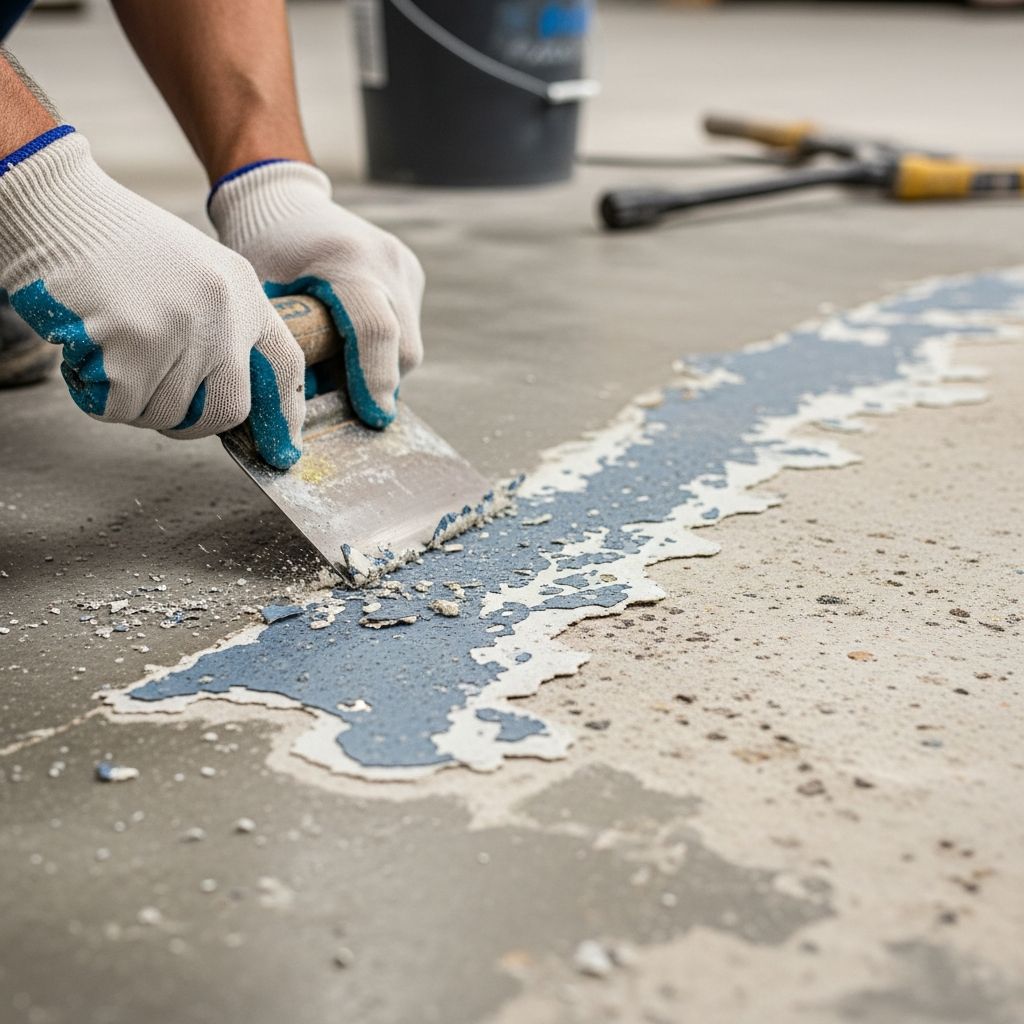
Concrete walls and surfaces accumulate paint over time through renovation projects, weather exposure, or previous applications. Whether you’re preparing a space for a fresh coat or simply want to restore concrete to its original state, the cost of professional paint removal can be prohibitive. Fortunately, several economical approaches exist that deliver results comparable to expensive commercial solutions while using materials you may already have on hand or can obtain inexpensively.
Understanding Paint Removal Fundamentals
Before diving into specific techniques, it’s important to understand how paint adheres to concrete and what factors influence removal difficulty. Concrete is a porous material that absorbs paint, especially latex-based formulations. Oil-based paints create a more durable bond with the surface, making them harder to eliminate. The thickness of the paint layer, the concrete’s age, and surface preparation all affect how easily paint comes off.
The goal of any removal method is to break the bond between the paint and concrete substrate, making it possible to physically extract the coating. Some approaches work by chemically softening the paint, while others rely on mechanical action or natural solvents to accomplish this goal.
Method One: Utilizing Vinegar for Natural Paint Dissolution
White vinegar stands out as one of the most accessible and inexpensive paint removal solutions available. This household staple contains acetic acid, which naturally breaks down paint bonds on concrete surfaces. The method is particularly effective for thinner paint layers and provides an environmentally friendly alternative to harsh chemical strippers.
Application Process for Vinegar Treatment
Begin by pouring undiluted white vinegar directly onto the painted area. The concentrated acidity works more effectively than diluted versions, so avoid weakening the solution with water at this stage. Allow the vinegar to penetrate the paint for several minutes—typically between five and fifteen minutes depending on paint thickness and type.
After the soaking period, use a stiff-bristled brush to scrub the affected area vigorously. The combination of acid exposure and mechanical action dislodges paint particles from the concrete surface. You’ll notice the paint beginning to lift and separate as you work. For stubborn spots, reapply vinegar and repeat the scrubbing process.
Once the majority of paint has been removed, rinse the entire area thoroughly with clean water to wash away loosened paint debris and excess vinegar residue. Multiple applications may be necessary for heavily painted surfaces or oil-based coatings.
Advantages and Limitations
The primary advantage of vinegar is its minimal cost—a gallon typically costs just a few dollars. It produces no harmful fumes, making it safe for indoor use or areas with poor ventilation. The method is also non-toxic, eliminating concerns about chemical exposure for families or pets.
However, vinegar works most effectively on acrylic and latex paints. Oil-based products may require longer soaking times or additional applications. The scrubbing required can be physically demanding, particularly on large surface areas.
Method Two: Leveraging Household Solvents for Paint Breakdown
Several common household items contain chemical properties that weaken paint adhesion. Baking soda, WD-40, and acetone represent affordable options found in most homes or easily purchased at drugstores.
Baking Soda Application
Baking soda offers a gentle yet surprisingly effective approach for paint removal. Create a paste by mixing baking soda with water until achieving a thick consistency that adheres to vertical surfaces. Apply this paste generously over the painted area and allow it to sit for thirty minutes to an hour.
The mild abrasive properties of baking soda, combined with its slight alkalinity, begin breaking down paint bonds during this waiting period. Use a stiff brush or scouring pad to scrub away the paste, working in circular motions to maximize contact with the paint surface. Rinse thoroughly with water when finished.
WD-40 Treatment Method
WD-40 penetrating oil can dissolve certain paint formulations, particularly spray paint and acrylics. Spray the product directly onto the painted surface and allow it to soak for five to ten minutes. The oil penetrates paint layers and weakens their grip on the concrete.
After adequate penetration time, use a metal scraper or stiff brush to lift paint away. WD-40’s lubricating properties make scraping easier and reduce the physical effort required. For large areas, this method can be time-intensive but remains cost-effective compared to commercial strippers.
Acetone for Quick Removal
Acetone, commonly found in nail polish removers or available separately, works rapidly on acrylic paints and overspray situations. Apply acetone directly to the painted surface using a cloth or brush, and allow brief contact time—usually just two to three minutes.
Scrub the area with a brush, and the paint often comes away in strips or chunks. Acetone evaporates quickly, so work efficiently. While effective, acetone has a strong odor and should only be used in well-ventilated areas. Additionally, it may not effectively address all paint types, particularly oil-based formulations.
Method Three: Mechanical Removal Combined with Pressure Washing
Combining physical scraping with water pressure represents another cost-effective strategy, especially if you have access to a pressure washer or can rent one affordably from hardware stores.
Initial Scraping Phase
Start by using a paint scraper, putty knife, or wire brush to manually remove loose paint and surface flaking. Work the scraper under paint edges at shallow angles to avoid gouging the concrete. This initial phase removes bulk paint quickly without requiring chemicals or equipment.
For thicker paint accumulations, make multiple passes rather than attempting to remove everything in one aggressive attempt. This approach reduces surface damage and is less physically taxing.
Pressure Washing Completion
After mechanical scraping has removed the bulk of paint, pressure washing removes remaining residue and embedded paint particles. Most hardware stores rent pressure washers inexpensively—often for under thirty dollars per day. Use high-pressure settings (above 3000 PSI) for effective paint removal from concrete.
Direct the spray at shallow angles across the surface rather than straight-on to minimize concrete damage. Work systematically across the entire area to ensure uniform paint removal. This method works exceptionally well for spray paint and lighter coatings.
Combining Methods for Stubborn Areas
For particularly difficult paint, combine mechanical removal with either vinegar or WD-40 application before pressure washing. The chemical penetration loosens paint bonds, making pressure washing more effective and reducing the total time required.
Comparative Analysis of Approaches
| Method | Cost Range | Time Investment | Physical Effort | Best For |
|---|---|---|---|---|
| Vinegar Treatment | $2-5 | 30-60 minutes | High | Acrylic paint, thin coatings |
| Household Solvents | $3-8 | 45-90 minutes | Medium to High | Spray paint, mixed surfaces |
| Scraping & Pressure Washing | $20-35 (rental) | 2-4 hours | Medium | Large areas, multiple layers |
Factors Influencing Method Selection
Several variables determine which approach will work best for your specific situation. The type of paint—acrylic, latex, or oil-based—significantly affects which methods will be effective. The paint thickness and age also matter; older, heavily applied paint typically requires more aggressive approaches.
Surface area plays an important role in practical considerations. Small decorative spots might be best addressed with vinegar or acetone, while large walls spanning hundreds of square feet may benefit from pressure washing investment despite higher upfront costs.
Environmental considerations should also factor into your decision. If you’re concerned about chemical exposure, vinegar and baking soda represent safer choices. If working in enclosed spaces without good ventilation, avoiding acetone and strong-smelling solvents prevents health risks.
Preparation and Safety Considerations
Before beginning any paint removal project, ensure proper surface preparation. Remove loose debris, sweep the area, and consider pre-wetting the surface with water if using vinegar or pressure washing methods.
Wear appropriate protective equipment regardless of method selected. Gloves protect hands from chemicals and scraping tools, while eye protection prevents splatter from ricocheting. For acetone or strong solvents, consider respiratory protection in poorly ventilated areas.
Test any method in an inconspicuous area first to determine effectiveness and identify any adverse reactions with your specific paint or concrete type. This preliminary test prevents wasting time and materials on an ineffective approach.
Frequently Asked Questions About Budget Paint Removal
How long does each method typically take?
Vinegar treatment takes thirty to sixty minutes for small areas. Household solvent methods require forty-five minutes to two hours depending on paint thickness. Pressure washing large areas might take two to four hours including rental time.
Can these methods damage the concrete underneath?
Vinegar and household solvents rarely damage concrete when used properly. Pressure washing at extremely high PSI levels or excessive scraping can etch or pit concrete surfaces, so moderate pressure and technique matter.
Are these methods safe for pets and children?
Vinegar and baking soda are safe around families. Acetone and WD-40 should be used only in well-ventilated areas, and children and pets should remain away during application and drying periods.
What if one method doesn’t work completely?
Combining approaches often yields better results than single methods. Apply vinegar first to soften paint, follow with scraping, then finish with pressure washing for comprehensive removal.
Conclusion and Recommendations
Removing paint from concrete surfaces need not require expensive commercial products or professional services. Vinegar provides an economical, non-toxic option for light to moderate paint removal. Household solvents offer versatility for different paint types at minimal cost. Mechanical removal combined with pressure washer rental delivers results on large projects while maintaining budget consciousness.
Select your approach based on paint type, surface area, and available resources. Most homeowners find satisfactory results by combining two methods—for instance, chemical softening followed by mechanical removal—to address their specific challenges while managing costs effectively.
References
- How To Remove Paint From Concrete — James B Remodeling. 2024. https://jamesbremodeling.com/blog/how-to-remove-paint-from-concrete/
- Best Way to Remove Paint/Stain from Concrete — SANDBLAST XTREME. 2026. https://www.youtube.com/watch?v=Ocgt2jNHNrA
- DIY Using Citristrip: How to Remove Paint Off Concrete — The DIY Grunt. 2024. https://www.youtube.com/watch?v=BxSsmNctifU
Similar Articles



Read full bio of Sneha Tete