Budget-Friendly Moving Box Shipping Solutions
Discover practical strategies to minimize shipping expenses when transporting boxes across distances.
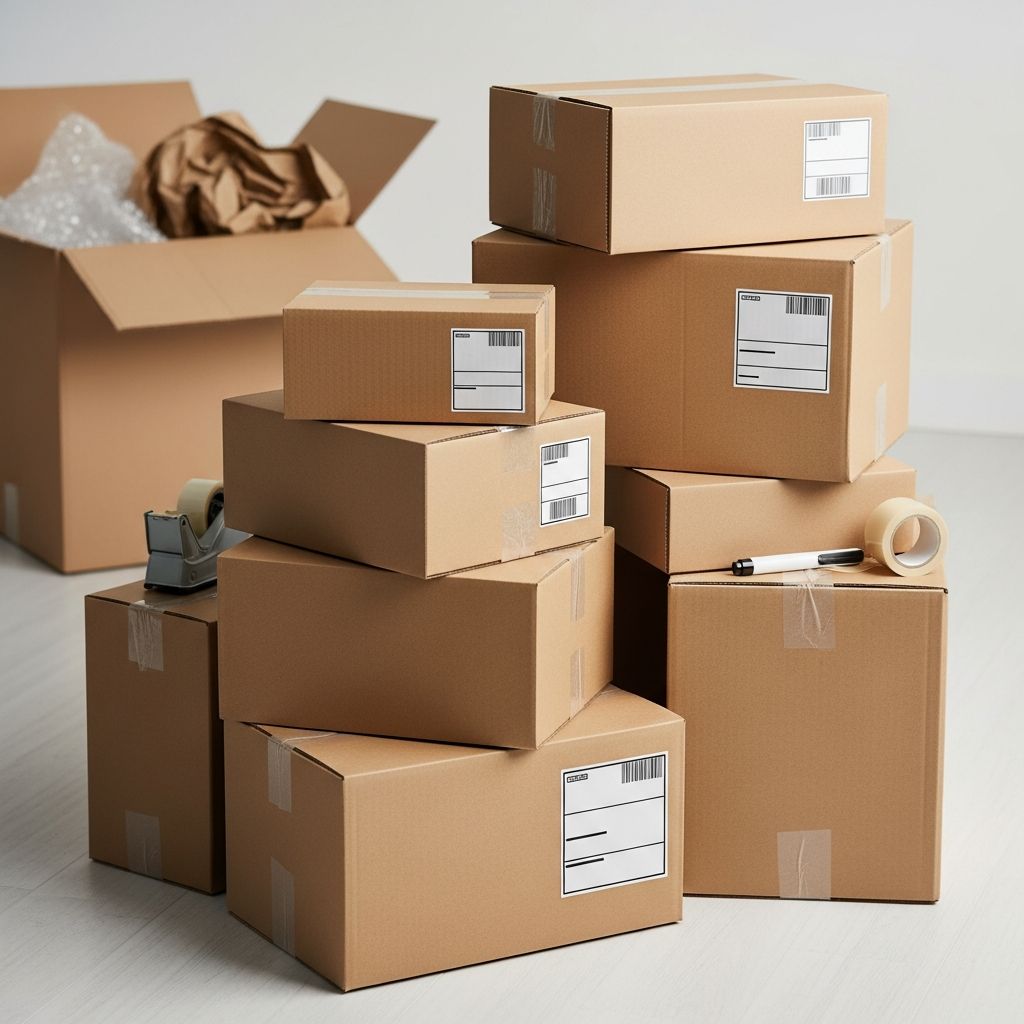
Moving to a new location often involves shipping multiple boxes across significant distances, and the associated costs can quickly accumulate. Whether you’re relocating within your state or across the country, understanding your shipping options can help you make financially savvy decisions. The expense of transporting your belongings depends on several interconnected factors, including package weight, dimensions, contents, and the distance traveled. By exploring various shipping methodologies and carriers, you can identify solutions that align with your budget while ensuring your items arrive safely.
Understanding the Variables That Influence Shipping Expenses
Before selecting a shipping method, it’s essential to understand what factors impact your final bill. The weight of each box represents one of the most significant cost determinants. Heavier packages typically incur higher fees, whether you’re using traditional parcel services or specialized freight carriers. Similarly, the physical dimensions of your boxes matter considerably; oversized packages may trigger surcharges even if they’re relatively light. The destination distance plays an equally critical role—shipping across town costs substantially less than cross-country transportation.
The type of items being shipped can also influence pricing. Fragile goods may require specialized handling, insurance coverage, or premium packaging materials that increase overall expenses. Additionally, your timeline preferences affect costs; expedited delivery options command premium rates compared to standard or ground shipping alternatives. Understanding these variables allows you to make strategic choices about box size, packing methods, and shipping speed to optimize your budget.
Parcel Carrier Services: The Foundation of Affordable Shipping
Traditional parcel carriers remain among the most accessible and frequently cost-effective options for shipping moving boxes. These established companies have developed extensive networks and competitive pricing structures that benefit consumers sending smaller to medium-sized shipments.
USPS: Economy Option for Lighter Shipments
The United States Postal Service excels at providing economical solutions for lighter packages. Their Ground Advantage service represents one of the most budget-conscious options available, with rates beginning around $8.03 for five-pound boxes. For users seeking faster delivery without excessive costs, USPS Priority Mail offers competitive pricing at approximately $12.58 for small boxes, delivering within one to three business days.
A distinctive advantage of USPS involves their flat-rate box program. These complimentary boxes, provided by the postal service, eliminate packaging expenses and simplify cost calculation. The Medium Flat Rate Box costs approximately $21.50 regardless of weight or distance (within the continental United States), making budget planning straightforward. This predictability appeals to those shipping multiple items of varying weights.
UPS and FedEx: Competitive Options for Heavier Items
When boxes exceed seven pounds, UPS and FedEx often provide more competitive rates than USPS. UPS Ground Saver service offers rates starting at $9.14 for standard packages, while FedEx Ground begins at approximately $10.40 to $11.50. Both carriers deliver within four business days, making them suitable for non-urgent relocations.
These carriers provide reliable tracking systems and door-to-door delivery options. Their established infrastructure means boxes move through comprehensive networks with consistent handling standards. While individual package rates may exceed USPS alternatives, volume discounts and negotiated rates can emerge when shipping multiple boxes simultaneously.
Consolidated Freight: Strategic Solution for Volume Shipments
When relocating substantial quantities of boxes across extended distances, consolidated freight services offer compelling economic advantages. These carriers consolidate shipments from multiple customers on shared truck routes, distributing transportation costs among numerous parties and producing significant per-box savings.
Consolidated freight typically costs $395 to $1,155 for shipments containing five to ten boxes, depending on destination distance and desired delivery speed. This methodology proves particularly economical when shipping multiple boxes to distant locations. For instance, cross-country consolidated freight transportation generally costs less per box than individual parcel shipments, especially for heavier containers.
Companies specializing in consolidated freight operations have introduced innovative programs addressing moving needs. Some providers offer flat-rate box programs featuring standard-sized containers with established weight limits. These programs include pickup service, delivery within five days, and included insurance coverage, streamlining the transportation process while maintaining cost predictability.
Alternative Transportation Methods: Beyond Traditional Carriers
Airline Baggage Services: Niche Opportunity for Lighter Loads
Commercial airlines offer an often-overlooked shipping alternative, particularly for smaller quantities of boxes or items classified as luggage. Baggage fees vary by carrier and quantity. Southwest Airlines charges approximately $60 per bag for nine bags totaling roughly $525. Delta imposes $35 for initial checked bags and $45 for subsequent bags. These rates may prove competitive for specific relocation scenarios, particularly when traveling alongside your shipment or shipping during promotional periods when carriers waive baggage fees for certain customer categories.
Rail and Bus Services: Economy Solutions for Bulk Movements
Passenger rail systems and intercity bus services represent economical alternatives for shipping larger or heavier boxes between major metropolitan areas. Amtrak Express Shipping utilizes the passenger rail infrastructure to transport bulk shipments at rates lower than traditional carriers, though delivery requires drop-off and pickup at train stations. Greyhound Express similarly leverages existing bus routes for package transportation, offering competitive pricing for customers willing to manage terminal logistics.
These services excel when transporting items along established passenger routes connecting major cities. However, availability limitations and terminal-dependent pickup and delivery may create inconvenience for some users. The economic advantage becomes most apparent when shipping exceptionally heavy or voluminous boxes where traditional parcel carriers impose premium fees.
Portable Moving Container Services: Flexibility and Convenience
Portable moving containers combine the flexibility of having your own storage space with professional transportation logistics. Customers pack containers at their residence, and carriers transport the containers to the destination. Costs depend on distance and container size; approximate expenses for two-bedroom apartment relocations under fifty miles begin around $1,368, escalating to $4,230 for long-distance moves.
These services offer distinct advantages beyond cost considerations. You control packing and unpacking timelines, and containers remain accessible throughout the moving process. Some companies provide options for unpacking support at the destination, eliminating the need for immediate unloading. This methodology particularly suits those managing complex relocations involving timing constraints or requiring extended storage periods.
Comparative Pricing Analysis
| Shipping Method | Package Type | Estimated Cost | Delivery Window |
|---|---|---|---|
| USPS Ground Advantage | Own box (~13″ × 11″ × 3″) | $9.39 | 2–5 business days |
| UPS Ground Saver | Own box (~13″ × 11″ × 3″) | $9.14 | Up to 5 business days |
| FedEx Ground | Own box (~13″ × 11″ × 3″) | $10.40–$11.50 | 4 business days |
| USPS Priority Mail | Own box (~13″ × 11″ × 3″) | $12.58 | 1–3 business days |
| Consolidated Freight | 5-10 boxes | $395–$1,155 | Varies by distance |
Strategic Cost-Reduction Approaches
Optimize Box Selection and Packing
Choosing appropriately sized boxes directly reduces shipping expenses. Oversized boxes incur unnecessary charges even when containing lightweight items. Conversely, undersized boxes may require additional containers, increasing overall shipping expenses. Strategic packing density—arranging items efficiently within available space—minimizes the quantity of boxes required for your relocation.
Consider utilizing free flat-rate boxes provided by postal services rather than purchasing boxes independently. These eliminate packaging acquisition costs and simplify rate calculations. When using personal boxes, select sizes that closely match your typical item dimensions, avoiding excess interior space that adds weight without proportional value.
Timing and Volume Negotiations
Shipping multiple boxes simultaneously often unlocks volume discounts unavailable to individuals sending solitary packages. Request quotes from multiple carriers when handling larger quantities; competitive pressure frequently produces more favorable pricing. Some carriers offer seasonal promotions or reduced rates during their lower-volume periods, typically between November and March.
Insurance and Ancillary Considerations
While insurance adds expense, the cost-benefit analysis depends on item values. High-value shipments justify insurance costs; routine household items in most cases do not. Compare insurance offerings across carriers; some include nominal coverage automatically while others provide optional coverage at additional expense.
Frequently Asked Questions About Moving Box Shipping
What represents the most economical method for shipping numerous boxes across the country?
Consolidated freight emerges as the most cost-effective approach when transporting multiple boxes across substantial distances. These services distribute transportation expenses among numerous customers utilizing shared routes, producing per-box costs significantly lower than traditional parcel carriers. Alternatively, renting reusable moving boxes with included pickup and delivery services represents an economical hybrid solution combining affordability with convenience.
Which carrier offers the best rates for individual box shipments?
USPS Ground Advantage provides the most competitive rates for single-box shipments, particularly when boxes weigh less than seven pounds. Rates begin around $8.03, making it the economical standard. For heavier individual boxes, comparing UPS Ground Saver and FedEx Ground rates reveals minimal differences, typically ranging between $9.14 and $11.50.
Should I select ground or expedited shipping for my moving boxes?
Ground shipping costs substantially less than expedited alternatives and represents the preferred choice for most relocations. Unless time-sensitive circumstances require faster delivery, ground services provide adequate timelines at significantly reduced expense. Ground services typically deliver within four to five business days, sufficient for most moving scenarios.
How significantly do box dimensions influence shipping costs?
Dimensions substantially impact costs across all carriers. Oversized boxes incur surcharges regardless of weight, particularly when exceeding standard dimensions (approximately 13″ × 11″ × 3″). Strategic box selection matching your typical item sizes minimizes dimensional surcharges while optimizing container utilization.
Are reusable moving boxes more economical than purchasing boxes?
Reusable moving box rental programs often provide superior value compared to box purchases combined with traditional shipping. These services include delivery, pickup, and transportation logistics at predetermined rates, eliminating variable expenses and simplifying budgeting. The all-inclusive model frequently produces lower total expenses than acquiring boxes separately and arranging independent shipping.
Making Your Final Decision
Selecting appropriate shipping methods requires evaluating your specific circumstances. Consider total box quantity, individual weights, destination distance, desired delivery speed, and item values. USPS Ground Advantage suits light, individual shipments; consolidated freight optimizes volume moves across distances; and portable containers excel for complex relocations demanding flexibility.
Request multiple quotes before finalizing shipping arrangements. Rates fluctuate based on precise box weights, dimensions, and current carrier pricing structures. Taking time to compare alternatives typically reveals meaningful savings opportunities that compound across multiple boxes, potentially reducing overall moving expenses by hundreds of dollars.
References
- 6 Cheapest Ways to Ship Moving Boxes — moveBuddha. 2025. https://www.movebuddha.com/blog/cheapest-way-to-ship-moving-boxes/
- Cheapest Way to Ship Packages (2025) — Pitney Bowes. 2025. https://www.pitneybowes.com/us/blog/cheapest-way-to-ship-packages.html
- What’s the Cheapest Way to Ship Boxes to Another State? — Easyship. 2025. https://www.easyship.com/blog/cheapest-way-to-ship-boxes-to-another-state
- Cheapest Way to Ship Boxes to Another State — TSI Shipping. 2025. https://www.tsishipping.com/resources/cheapest-way-to-ship/boxes-another-state
- 17 Best Ways to Ship Moving Boxes for a Smooth Move — Stack Moves. 2025. https://www.stackmoves.com/best-ways-to-ship-moving-boxes/
Similar Articles








Read full bio of medha deb