Creative Alternatives to Painting Walls for Home Decor
Transform your space without paint: Explore stylish wall alternatives for any budget.
Creative Alternatives to Painting Walls: Transform Your Space
When it comes to updating your home’s interior, painting walls is often the first option that comes to mind. However, there are numerous creative alternatives that can completely transform a room while offering unique benefits such as durability, aesthetic appeal, and ease of installation or removal. Whether you’re a renter concerned about losing your security deposit, a homeowner seeking a fresh look without commitment, or simply looking for something different, these wall treatment options provide excellent alternatives to traditional paint.
The advantages of exploring alternatives to painting are significant. Some options are temporary and removable, making them perfect for apartment dwellers or those who like to change their décor frequently. Others offer superior durability and protection compared to paint. Many require less preparation and maintenance than traditional painting projects. Understanding these various options will help you make the best choice for your specific needs, budget, and lifestyle.
Removable and Temporary Wallpaper
Removable wallpaper has revolutionized wall treatments for renters and design enthusiasts alike. Unlike traditional wallpaper that requires professional installation and can be a nightmare to remove, temporary wallpaper sticks to any smooth, painted, or primed surface and peels off cleanly without damaging drywall or leaving adhesive residue behind.
Removable wallpaper comes in an impressive variety of designs, from geometric patterns and florals to bold graphics and sophisticated textures. One popular brand, Tempaper, offers over 90 different patterns and designs to suit any aesthetic preference. The application process is straightforward—simply peel and stick—making it an ideal DIY project that requires no special tools or professional installation.
The cost of removable wallpaper typically ranges from $35 to $125 per roll, depending on the brand, design complexity, and pattern size. This makes it an affordable option compared to professional painting or traditional wallpaper installation. When you tire of the pattern or decide to redecorate, the wallpaper simply peels away, making it perfect for those who like to change their décor seasonally or for apartment residents who want to decorate without risking their security deposit.
Traditional and Peel-and-Stick Wallpaper
While removable wallpaper offers convenience, traditional wallpaper remains a classic choice for those seeking a permanent wall treatment. Modern wallpaper comes in virtually unlimited designs, textures, and finishes—from subtle grasscloth looks to bold statement patterns.
Traditional wallpaper installation typically requires professional application, though experienced DIYers can tackle the project themselves. The process involves preparing the wall surface, applying wallpaper adhesive, and carefully smoothing the paper to eliminate air bubbles. Peel-and-stick wallpaper offers a middle ground, combining the aesthetic appeal of traditional wallpaper with easier installation similar to removable options.
Wallpaper provides several advantages over paint: it covers imperfections better, offers greater design variety, can hide wall damage, and creates visual texture and dimension that paint alone cannot achieve. High-quality wallpaper is also more durable than paint and easier to clean in some cases, making it ideal for high-traffic areas or homes with children and pets.
Shiplap and Wood Paneling
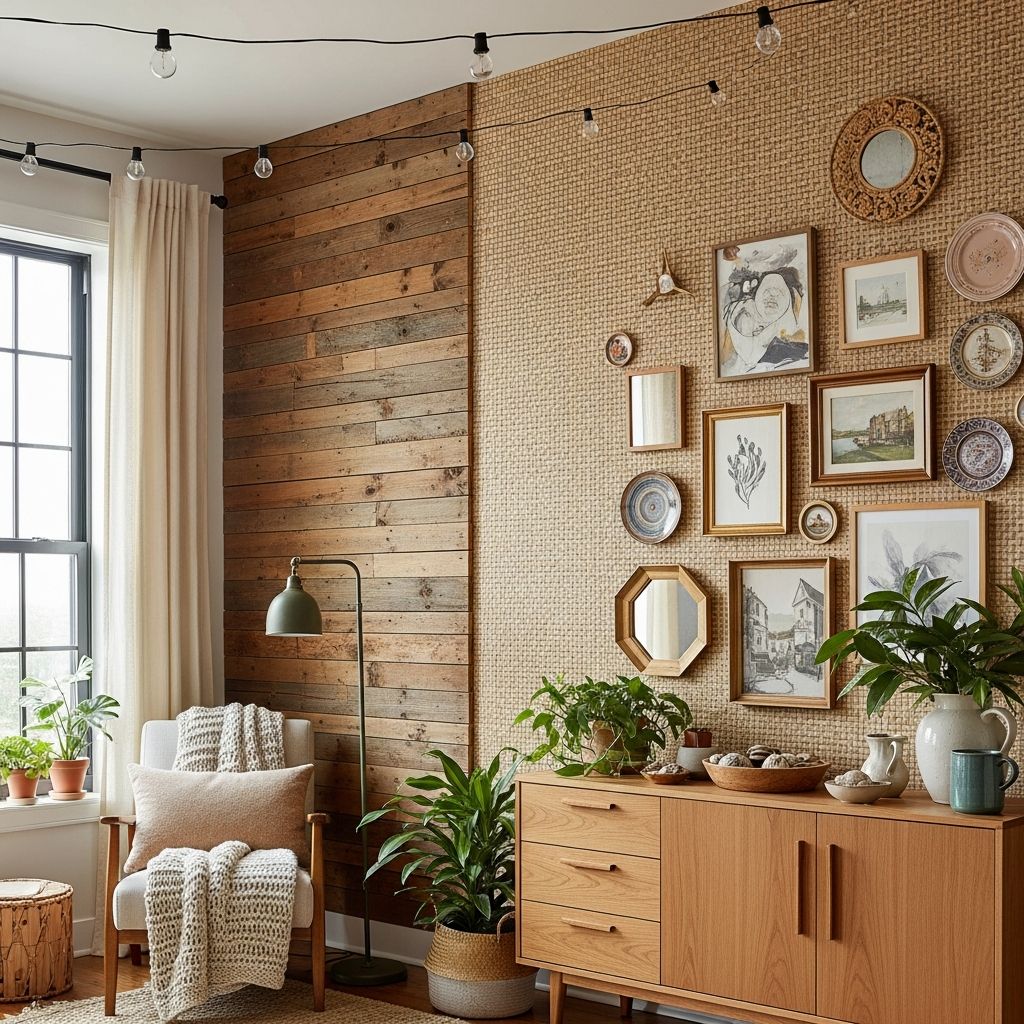
Shiplap has become increasingly popular in contemporary home design, offering a charming and versatile aesthetic that works in various décor styles. Shiplap consists of wooden boards installed horizontally or vertically, creating distinctive grooves and a three-dimensional appearance that adds character and warmth to any room.
Wood paneling encompasses various styles, from traditional tongue-and-groove designs to modern flat-panel options. These materials can be stained in natural wood tones, painted white for a farmhouse look, or finished in bold colors to make a dramatic statement. Wood paneling also provides acoustic benefits, helping to absorb sound and reduce echo in rooms.
Installing shiplap or wood paneling requires basic carpentry skills and tools, though professional installation ensures a flawless finish. The investment is higher than paint but provides a permanent, high-impact transformation that significantly increases perceived value and visual interest. These options work particularly well in bedrooms, living rooms, entryways, and accent walls.
Beadboard and Wainscoting
Beadboard represents another classic wall treatment option that adds elegance and visual interest. This vertical paneling features narrow wooden boards with a decorative bead or groove running along the seams, creating a sophisticated look that works particularly well in bathrooms, kitchens, cottages, and traditional interiors.
Wainscoting involves installing wooden panels or beadboard on the lower portion of walls, typically 3 to 4 feet high, with a chair rail or crown molding separating it from the painted or wallpapered upper wall. This combination treatment creates visual proportion, adds architectural detail, and makes rooms feel more substantial and well-designed.
Both beadboard and wainscoting offer practical benefits beyond aesthetics. They protect walls from damage in high-traffic areas, resist moisture in bathrooms and kitchens, and can hide wiring and plumbing. These options require moderate installation skills and a moderate budget investment but deliver timeless sophistication and durability.
Fabric Wall Coverings
Fabric wall coverings offer a luxurious and sophisticated alternative to traditional paint or wallpaper. These coverings, made from natural or synthetic textiles, create warmth, softness, and acoustic benefits while adding visual texture and interest to interior spaces.
Fabric coverings are available in endless patterns, colors, and textures—from subtle linens and cottons to bold damasks and jacquards. They absorb sound, making them excellent for bedrooms, libraries, and home theaters where noise reduction is desirable. Fabric coverings also create a more forgiving surface that can hide minor wall imperfections while adding tactile dimension to spaces.
Professional installation is typically recommended for fabric wall coverings to ensure proper tension, alignment, and longevity. The cost varies significantly depending on the fabric quality, pattern, and installation complexity. While the initial investment may be higher than paint, the durability and maintenance requirements often make it economical over time, particularly in low-traffic areas or formal spaces.
Decorative Textured Finishes
Textured finishes provide an alternative to smooth painted walls, creating visual interest and depth through various application techniques and materials. Options include knockdown texture, popcorn texture, stucco finishes, and specialty plaster applications.
Textured finishes serve multiple purposes: they hide imperfections and wall damage more effectively than smooth paint, reduce glare, create acoustic benefits, and add architectural character to ordinary walls. Different textures evoke various aesthetics—from rustic and Mediterranean styles to modern and industrial looks.
Application of textured finishes typically requires specialized tools and techniques but can be accomplished by experienced DIYers or professional applicators. These finishes are particularly popular in Southwestern, Mediterranean, and contemporary design styles. Once applied, textured finishes are durable and can last for decades with minimal maintenance.
Stone and Brick Veneers
Stone and brick veneers create dramatic, upscale appearances without the expense and structural requirements of solid masonry construction. These lightweight alternatives to full-thickness stone or brick provide authentic textures and colors while being relatively simple to install over existing wall surfaces.
Cultured stone, manufactured stone, and faux brick options offer cost-effective solutions that mimic the appearance of natural materials while providing easier installation and greater flexibility in design options. These veneers are particularly popular for accent walls, fireplace surrounds, and interior entries.
Stone and brick veneers require proper surface preparation and often benefit from professional installation. They create a high-impact aesthetic transformation and significantly increase perceived value and visual interest. These options work exceptionally well in rustic, farmhouse, industrial, and Mediterranean design schemes.
Metal and Metallized Finishes
For those seeking a contemporary or industrial aesthetic, metal wall treatments and metallized finishes offer unique alternatives to traditional wall coverings. These options include copper, brass, aluminum, and steel sheets or tiles installed over wall surfaces, as well as specialty paint finishes with metallic effects.
Metal finishes create stunning visual impact, particularly when used on accent walls or in commercial-style spaces. They offer durability, reflective qualities that enhance lighting, and a distinctly modern aesthetic. Copper and brass options develop natural patinas over time, adding character and depth to spaces.
Installation typically requires professional expertise to ensure proper anchoring and finishing. The investment is substantial but delivers a high-end, distinctive look that sets spaces apart. These finishes work particularly well in modern, industrial, and eclectic design styles.
Living Wall Systems and Vertical Gardens
Living wall systems represent an innovative and increasingly popular alternative to traditional wall treatments. These systems incorporate live plants directly into wall surfaces, creating natural, dynamic, and biophilic design elements that improve air quality, reduce stress, and create stunning visual effects.
Living walls can range from simple arrangements of potted plants to sophisticated modular systems with integrated irrigation, lighting, and nutrient delivery. They work well in offices, bedrooms, living rooms, and modern interiors seeking to incorporate nature into their spaces.
Maintenance requirements vary depending on the system complexity and plant selections. Professional installation ensures proper water management, structural integrity, and optimal plant health. The initial investment is substantial, but the unique aesthetic, air-purifying benefits, and biophilic advantages make living walls increasingly popular in contemporary design.
Decorative Murals and Artistic Finishes
Artistic murals and decorative finishes represent highly creative alternatives to plain painted walls. Professional artists or muralists can create custom designs directly on walls, transforming spaces through personalized artwork that reflects individual style and taste.
Options range from full-wall murals depicting landscapes, abstracts, or realistic scenes to hand-painted patterns, faux finishes, and trompe-l’oeil effects that create illusions of depth and dimension. These artistic finishes create focal points and inject personality into spaces in ways that standard painting or wallpaper cannot.
Professional muralists command premium prices, but the result is a unique, one-of-a-kind wall treatment that serves as functional art. For those with artistic skills, DIY mural painting offers an affordable alternative for creating personalized designs.
Cork and Eco-Friendly Materials
Environmentally conscious homeowners appreciate cork wall coverings and other sustainable alternatives to traditional wall treatments. Cork is naturally antimicrobial, provides thermal insulation, reduces noise, and offers a warm, organic aesthetic.
Cork wall tiles and sheets are available in various colors and finishes, from natural tan to dyed options. They’re particularly popular in offices, meditation spaces, and bohemian-style interiors. Cork is durable, low-maintenance, and increasingly affordable as sustainable design gains popularity.
Other eco-friendly wall covering options include reclaimed wood, bamboo panels, and plant-based wallpapers. These materials align with sustainability values while providing distinctive aesthetic appeal and environmental benefits.
Paint Finishes Beyond Standard Options
While paint remains accessible, specialty paint finishes offer alternatives to standard matte or semi-gloss options. Chalkboard paint, magnetic paint, specialty finishes with texture additives, and high-performance finishes provide functional and aesthetic benefits beyond traditional wall paint.
Chalkboard paint transforms walls into functional writing surfaces ideal for kitchens, home offices, and children’s rooms. Magnetic paint allows walls to hold magnetic items without additional hardware. Specialty finishes can mimic stone, metal, or other materials while remaining cost-effective compared to actual installation of those materials.
Comparison of Wall Treatment Options
| Wall Treatment | Cost Range | Installation Difficulty | Durability | Best For |
|---|---|---|---|---|
| Removable Wallpaper | $35-$125/roll | Easy | 3-5 years | Renters, temporary updates |
| Traditional Wallpaper | $20-$200/roll | Moderate to Hard | 10-15 years | Permanent design statements |
| Shiplap/Paneling | $2-$15/sq ft | Moderate | 20+ years | Accent walls, rustic aesthetics |
| Beadboard/Wainscoting | $3-$12/sq ft | Moderate | 20+ years | Traditional, elegant spaces |
| Fabric Coverings | $15-$100/sq yd | Hard | 10-20 years | Formal rooms, sound absorption |
| Stone/Brick Veneer | $8-$20/sq ft | Moderate to Hard | 20+ years | Fireplaces, accent walls |
| Living Walls | $50-$300+/sq ft | Professional Installation | Varies with maintenance | Modern, biophilic design |
| Specialty Paint Finishes | $30-$60/gallon | Easy to Moderate | 5-10 years | Functional, artistic walls |
Choosing the Right Alternative for Your Space
Selecting the appropriate wall treatment alternative depends on several factors: your budget, whether you’re renting or own, your desired aesthetic, maintenance preferences, and how long you want the treatment to last. Renters should prioritize removable options like removable wallpaper or fabric hangings. Homeowners seeking permanent transformations might invest in shiplap, paneling, or quality wallpaper.
Consider the room’s function and usage patterns. High-traffic areas benefit from durable options like wood paneling or stone veneers. Bedrooms might benefit from sound-absorbing fabric coverings or living walls. Kitchens and bathrooms require moisture-resistant options like beadboard or specialized finishes.
Your interior design style should guide your selection. Modern spaces work well with metal finishes or minimalist paneling. Traditional interiors suit wallpaper, wainscoting, or beadboard. Bohemian aesthetics appreciate living walls or cork coverings. Eclectic styles can mix multiple alternatives throughout a home.
Frequently Asked Questions
Q: Can I install removable wallpaper over existing paint?
A: Yes, removable wallpaper adheres well to smooth, painted surfaces. Ensure walls are clean and dust-free before application for best results.
Q: How long does removable wallpaper last?
A: Most removable wallpaper lasts 3-5 years. Lifespan depends on humidity, temperature fluctuations, and whether it’s handled frequently.
Q: Is shiplap difficult to install?
A: Shiplap installation requires moderate carpentry skills and basic tools. Many homeowners successfully DIY this project, though professional installation ensures optimal results.
Q: Can fabric wall coverings be cleaned?
A: Some fabric coverings are cleanable with gentle vacuuming or specialized fabric cleaner. Always check manufacturer recommendations for your specific covering.
Q: Do living walls require much maintenance?
A: Living walls require regular watering, lighting management, and occasional pruning. Professional systems often include automatic irrigation, reducing maintenance demands.
Q: What’s the most budget-friendly wall treatment alternative?
A: Removable wallpaper and specialty paint finishes offer the most affordable alternatives to traditional painting, typically costing $35-60 per application.
Q: Can I combine multiple wall treatment alternatives in one room?
A: Absolutely! Combining treatments—such as wallpaper on one accent wall and paneling elsewhere—creates visual interest and sophisticated design layers.
References
- Tempaper Removable Wallpaper — Tempaper. Accessed December 2025. https://www.tempaperdesigns.com
- Family Handyman: Painting Tips and Techniques — Family Handyman. June 2016. https://www.familyhandyman.com
- Wood Paneling and Shiplap Installation Guide — The Spruce. 2024. https://www.thespruce.com
- Interior Design: Wall Treatment Options — National Association of Home Builders. 2024. https://www.nahb.org
- Sustainable Building Materials and Eco-Friendly Finishes — U.S. General Services Administration Sustainable Facilities. 2023. https://www.gsa.gov/sustainability
Similar Articles






Read full bio of Sneha Tete