Aluminum Gutters: Pros, Cons, and Installation Costs
Complete guide to aluminum gutters: durability, affordability, and installation tips for homeowners.
A Comprehensive Guide to Aluminum Gutters: Pros, Cons, and Costs
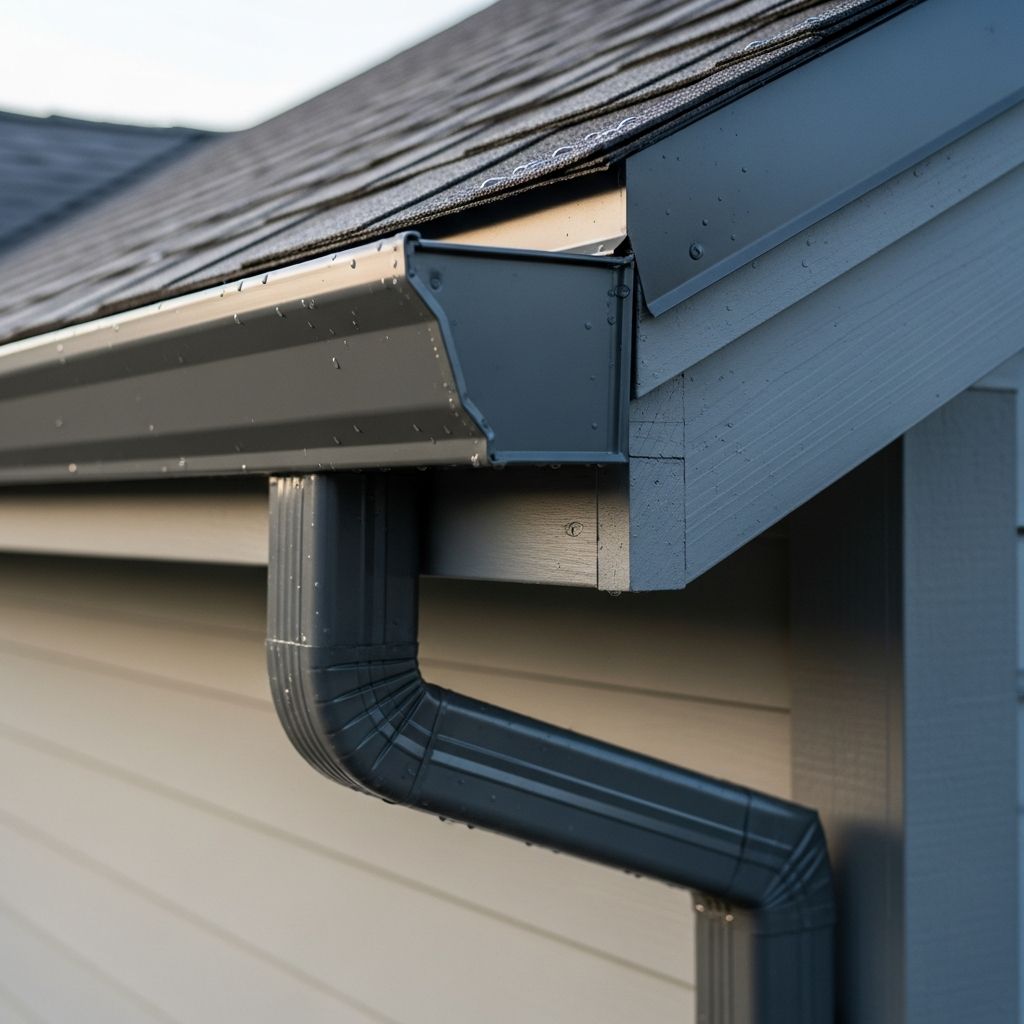
Gutters are an essential component of any home’s drainage system, channeling rainwater away from the foundation and protecting your property from water damage. Among the various gutter materials available, aluminum has become the most popular choice for modern homeowners. This comprehensive guide explores everything you need to know about aluminum gutters, including their advantages, disadvantages, lifespan, costs, and installation methods.
Why Choose Aluminum Gutters?
Aluminum gutters have become the industry standard for residential applications, and for good reason. They offer a compelling combination of benefits that make them an attractive option for homeowners seeking a balance between performance and affordability.
Key Advantages of Aluminum Gutters
Rust-resistance: Unlike steel or iron gutters, aluminum gutters do not rust, even after prolonged exposure to rain and moisture. This characteristic makes them exceptionally durable and functional, even in harsh weather conditions. The natural oxide layer that forms on aluminum creates a protective barrier against corrosion.
Lightweight and easy to handle: Aluminum’s lightweight nature significantly reduces installation challenges. The material is easier to work with than heavier metals such as steel, making it more manageable for both professional installers and do-it-yourself enthusiasts. Because aluminum gutters are lighter, they place less stress on your home’s structure and fascia boards.
Affordability: Aluminum gutters are more affordable than premium alternatives like copper or steel, making them an excellent choice for homeowners on a budget. Despite their lower cost, they offer impressive durability and performance that rivals more expensive materials.
Easy installation: The lightweight nature of aluminum makes installation less strenuous and more straightforward. Even homeowners without extensive experience can install aluminum gutters without significant difficulty. This accessibility has contributed to their widespread adoption across the residential market.
Durability: Aluminum gutters are engineered to withstand inclement weather, including snow, hail, and ice. When properly maintained, they provide reliable protection for your home’s foundation and landscaping for decades.
Understanding the Lifespan of Aluminum Gutters
One of the most important considerations when choosing gutters is how long they will last. Aluminum gutters can provide excellent service for extended periods when properly maintained. With careful maintenance and regular inspections, aluminum gutters can last up to 30 years or more. In ideal conditions and with proper care, most aluminum gutters achieve a lifespan of at least 20 years.
However, several factors can influence the actual lifespan of your aluminum gutters. Rapidly shifting climate conditions, extreme temperature fluctuations, and exposure to salt air in coastal regions can shorten this lifespan. Additionally, lack of regular maintenance—such as failure to clean out leaves and debris—can accelerate wear and compromise performance.
Drawbacks and Limitations
While aluminum gutters offer numerous advantages, they are not without limitations. Understanding these drawbacks will help you make an informed decision about whether aluminum is the right choice for your home.
Limited color options: Unlike some alternative materials, aluminum gutters typically come in a more limited range of colors. However, they can be painted to match your home’s trim and exterior.
Coastal environment concerns: In areas with high salinity and salt air exposure, such as coastal regions, aluminum gutters may experience accelerated corrosion compared to other locations. For homeowners in these areas, alternative materials or additional protective coatings may be worth considering.
Maintenance requirements: Like all gutter systems, aluminum gutters require regular maintenance to perform optimally. Debris such as leaves, twigs, and pine needles can accumulate, potentially leading to clogs and water overflow if not regularly cleaned.
Cost Considerations
Aluminum gutters represent an excellent value proposition for homeowners seeking affordable yet durable gutter solutions. Material costs typically range from moderate to budget-friendly compared to premium alternatives like copper or zinc. Installation costs vary depending on your home’s size, configuration, and local labor rates. When comparing gutter options, aluminum consistently emerges as one of the most cost-effective choices while maintaining impressive durability and performance.
How to Assemble Your Aluminum Gutters
Proper assembly is crucial for ensuring your aluminum gutters function effectively. Follow these detailed steps to build your aluminum gutter system correctly.
Step-by-Step Assembly Instructions
Prepare the end caps: Apply a bead of silicone sealant along the inner edge of an aluminum end cap. Tap the end cap onto the end of the gutter, then secure it with a crimping tool to create a watertight seal.
Cut and measure: Cut the gutter to the required length using a hacksaw and tin snips. Measure carefully to ensure accurate lengths for each section of your gutter system.
Install corner pieces: Fasten the pre-mitered aluminum corner to the gutter end using silicone sealant and aluminum pop rivets. This connection creates the L-shaped assembly that accommodates corner turns on your roof line.
Create the main assembly: Attach an end cap to the second length of gutter, then rivet it to the mitered corner to create the complete L-shaped gutter assembly.
Install outlet fitting: Use a hole saw to drill a 3-inch-diameter hole through the bottom of the gutter where water will exit. Attach an outlet fitting to this hole using silicone sealant and aluminum pop rivets to ensure a secure, watertight connection.
Proper Installation Techniques
Professional installation ensures your aluminum gutters function optimally and last for decades. Understanding the installation process helps you appreciate the complexity involved and the importance of proper techniques.
Positioning and Hanging
Initial positioning: Hold the L-shaped gutter assembly in place against the house fascia. Use a level as a straightedge to position the high end of the gutter correctly.
Proper pitch: The gutter should be positioned with a slight downward slope toward the outlet to facilitate water drainage. The front edge of the gutter should not protrude above the roof plane, as this can interfere with roof materials and compromise water shedding.
Secure with hangers: Slip a gutter hanger into the high end of the gutter, then drive a screw through the hanger and fascia and into the rafter tail. This connection anchors the gutter securely to your home’s structure. Position additional hangers every 24 to 32 inches along the gutter length for proper support.
Downspout Installation
Prepare the downspout: Place two elbows on the upper end of a length of downspout, and secure them with short sheet-metal screws. These elbows direct water from the outlet fitting into the downspout.
Install wall brackets: Screw two aluminum wall brackets to the house corner boards to support the downspout along its length.
Connect to outlet: Slip the elbow on the upper end of the downspout over the outlet fitting protruding from the gutter above. This connection channels water from the gutter into the downspout.
Secure the downspout: To hold the downspout firmly in place, drive short sheet-metal screws through the wall brackets and into the downspout at regular intervals.
Underground Drainage System
Create drainage trench: Dig a shallow trench from the lower end of the downspout away from the house. This trench guides water away from your foundation, preventing water accumulation and potential damage.
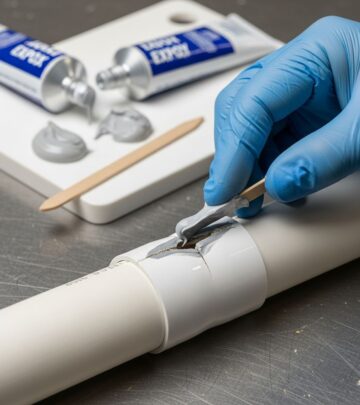
Install PVC drainpipe: Use PVC primer and cement to assemble a rainwater drainpipe from 4-inch-diameter PVC pipe and assorted fittings. Follow manufacturer instructions for proper assembly and curing times.
Complete the system: Attach an elbow and rectangular downspout fitting on one end of the drainpipe to connect to your downspout. On the other end, glue an elbow and drainage cap to direct water away from your home.
Gutter Guards and Protective Covers
Gutter guards and covers are valuable additions to your aluminum gutter system. Installing these protective devices helps prevent debris from entering the gutter, significantly reducing the need for frequent cleanings and maintenance.
Gutter guards are particularly advantageous in wooded areas, where falling leaves and twigs can quickly clog a gutter system. When choosing a guard or cover, consider the common debris types in your area. Fine mesh guards work exceptionally well against pine needles and small debris, while solid covers are better suited for larger leaves and twigs.
Some advanced guard designs feature a slight curve to encourage debris to fall off the roof rather than into the gutter. Installing these protective devices can extend the lifespan of your gutters by preventing rust and sagging caused by accumulated debris and water weight.
Tools and Materials You’ll Need
Successful aluminum gutter installation requires specific tools and materials. Having everything on hand before you begin ensures a smooth, efficient installation process.
Materials:
– Aluminum gutters and downspouts with assorted fittings and brackets- Silicone sealant for creating watertight seals- Aluminum rivets for fastening aluminum parts together- Aluminum screws for assembly- PVC pipe and elbows for underground drainage- Aluminum end caps- Pre-mitered aluminum corners
Tools:
– Caulking gun for applying silicone sealant- Drill/driver for drilling holes and driving screws- Pop rivet gun for riveting aluminum parts- Hacksaw and tin snips for cutting gutters- Level for ensuring proper pitch- Hole saw for creating outlet holes- Tape measure for accurate measurements
Frequently Asked Questions
Q: How long do aluminum gutters last?
A: With proper maintenance, aluminum gutters can last 20 to 30 years or more. Factors such as climate, maintenance frequency, and environmental conditions influence actual lifespan.
Q: Are aluminum gutters rust-proof?
A: Yes, aluminum gutters are naturally rust-resistant due to their composition. However, they can experience corrosion in extreme coastal environments with high salt exposure.
Q: Can I install aluminum gutters myself?
A: Yes, aluminum gutters are lightweight and easier to work with than other materials, making them suitable for do-it-yourself installation. However, professional installation ensures optimal performance and proper water drainage.
Q: How much do aluminum gutters cost?
A: Aluminum gutters are more affordable than copper or steel options, making them budget-friendly for most homeowners. Exact costs depend on your home’s size and local labor rates.
Q: How often should I clean my aluminum gutters?
A: Clean gutters at least twice yearly—typically in spring and fall—or more frequently if you live in a wooded area with significant leaf fall.
Q: What is the proper slope for gutters?
A: Gutters should have a gentle downward slope of approximately 0.5 inches per 10 feet toward the downspout to ensure proper water drainage.
References
- How To Install Aluminum Gutters — This Old House. 2024. https://www.thisoldhouse.com/gutters/21016739/how-to-install-aluminum-gutters
- A Comprehensive Guide to Aluminum Gutters: Pros, Cons, and Costs — This Old House. 2024. https://www.thisoldhouse.com/gutters/aluminum-gutters
- What Are the Best Gutters for Your Home? (2025 Guide) — This Old House. 2025. https://www.thisoldhouse.com/gutters/best-gutters
- How to Install Aluminum Gutters | This Old House — This Old House. YouTube. https://www.youtube.com/watch?v=Oo_GXULZl8I
- How to Repair a Gutter | This Old House — This Old House. YouTube. https://www.youtube.com/watch?v=kXWyujQXb-s
Similar Articles




Read full bio of medha deb