Are Zinnias Perennial? Complete Growing Guide
Discover whether zinnias are perennials or annuals and learn expert tips for year-round garden color.
Are Zinnias Perennial? The Complete Guide to Growing Zinnias Year After Year
Zinnias are among the most popular flowering plants in home gardens, celebrated for their vibrant colors, ease of cultivation, and ability to attract pollinators. However, one question frequently puzzles gardeners planning their seasonal displays: Are zinnias perennial or annual flowers? Understanding the answer to this question is essential for developing an effective long-term garden strategy and knowing whether you need to replant these beauties each season.
Are Zinnias Annuals or Perennials?
The straightforward answer is that zinnias are annuals in most climates. These popular flowering plants complete their entire life cycle—from germination through flowering to seed production and death—within a single growing season. Zinnias are native to Mexico and the southwestern United States, thriving naturally in warm, sunny environments where they have evolved to flourish as warm-season annuals across USDA Zones 2-11.
However, the story doesn’t end there. While zinnias are technically classified as annuals, their behavior varies depending on your geographic location and climate zone. In frost-free regions, particularly USDA Zones 10 and 11, zinnias can behave as tender perennials, occasionally resprouting or maintaining their bloom cycle through milder winters. Additionally, zinnias’ remarkable self-seeding capability creates a fascinating phenomenon that blurs the line between annual and perennial behavior.
Understanding Zinnia Growth Patterns
Self-Seeding: Nature’s Replanting Solution
One of the most remarkable characteristics of zinnias is their tendency to self-seed prolifically. When zinnias complete their growing cycle and begin to fade as frost approaches, they produce abundant seeds that scatter across your garden beds. In cooler climates where winter kills the parent plants, these seeds remain dormant in the soil, germinating naturally the following spring to create the impression of perennial growth. This self-seeding behavior explains why many gardeners discover zinnias reappearing in their gardens year after year without deliberate replanting, even though technically they’re replanting themselves through seed distribution.
Climate Influences on Zinnia Longevity
Your location significantly determines whether zinnias will behave as true annuals or as semi-persistent plants:
- In cooler climates (USDA Zones 2-9), zinnias die completely when frost arrives, but self-seeded plants germinate the following spring
- In warm climates (USDA Zones 10-11), zinnias may survive winter and regrow from their roots, functioning as tender perennials
- In frost-free areas, zinnias can maintain continuous blooming cycles until natural death occurs
Why Zinnias Deserve a Place in Your Garden
Exceptional Blooming Performance
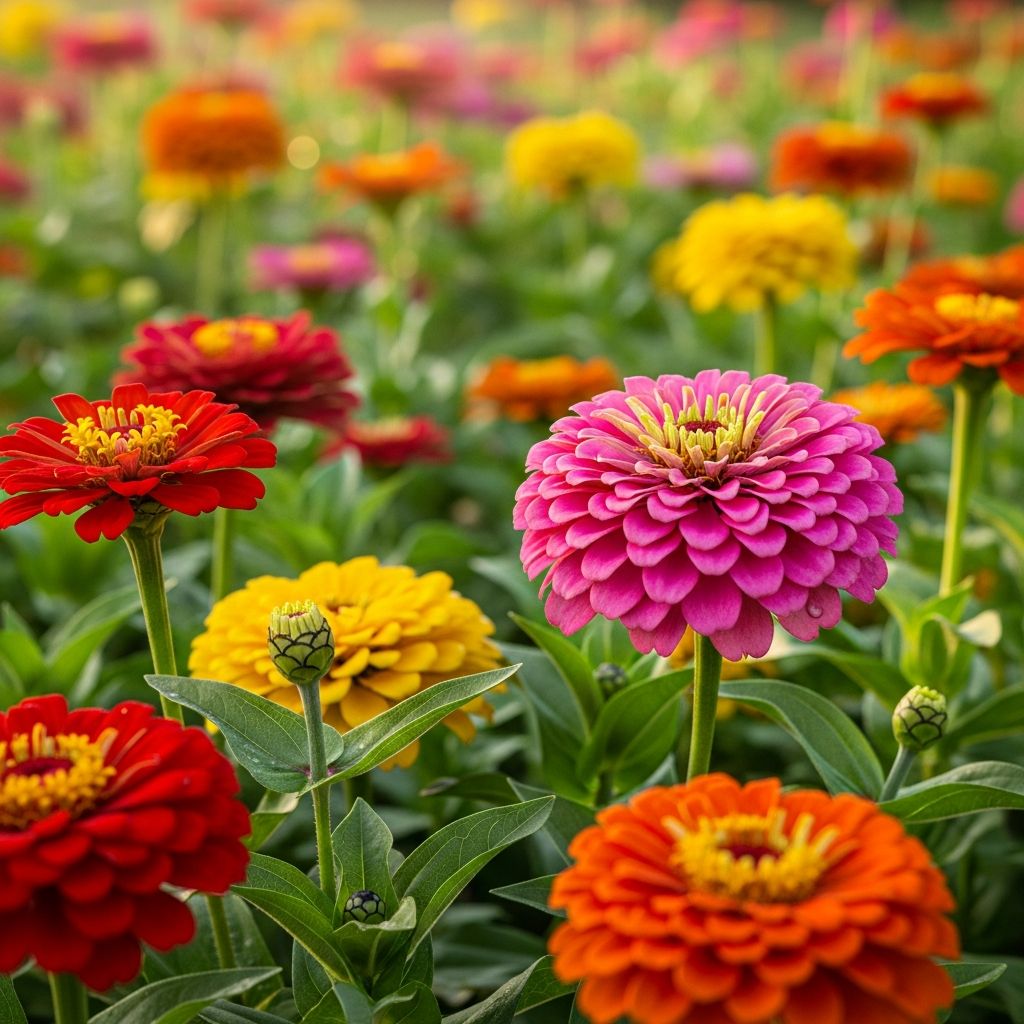
Despite being annuals, zinnias deliver exceptional garden performance that often surpasses perennial flowers. These versatile bloomers produce continuous flowers from early summer until the first hard frost, providing months of vibrant color without requiring replacement during the growing season. The genus Zinnia elegans, the most commonly cultivated species, offers an extraordinary range of colors spanning from intense reds, oranges, and yellows to delicate pinks, purples, and pure whites, enabling gardeners to create virtually any color scheme imaginable.
Low-Maintenance Growing Requirements
Zinnias stand out as remarkably easy plants to cultivate, making them ideal for both novice and experienced gardeners. These flowers demonstrate notable drought tolerance once established, require minimal fertilization, and perform beautifully with basic care. Their ability to thrive in hot, sunny conditions where many perennials struggle makes them invaluable for creating vibrant summer displays even in challenging garden environments.
Pollinator Attraction and Garden Ecology
Zinnias function as powerful pollinator magnets, attracting butterflies, bees, and hummingbirds throughout the growing season. By incorporating zinnias into your landscape, you’re not just creating visual interest—you’re also supporting essential pollinators that sustain local ecosystems. This ecological benefit makes zinnias particularly valuable for gardeners interested in creating butterfly gardens, pollinator gardens, or wildlife-friendly landscapes.
Expert Guide to Growing Zinnias Successfully
Optimal Growing Conditions
To achieve maximum zinnia performance, provide these essential growing conditions:
- Sunlight: Zinnias require 6-8 hours of full sun daily for optimal blooming. Plants receiving insufficient sun produce fewer flowers and may become leggy
- Soil: Well-draining soil is essential; zinnias struggle in waterlogged conditions that promote root rot
- Spacing: Thin seedlings and space mature plants 8-12 inches apart to ensure adequate air circulation and reduce disease pressure
- Watering: Water at the base of plants rather than overhead to prevent powdery mildew and other fungal diseases
Planting and Seed Starting
For optimal results, sow zinnia seeds directly into garden soil after the final frost date in your region. Zinnias perform poorly when transplanted, so direct seeding in their permanent location typically produces superior results compared to starting seeds indoors. Alternatively, if you prefer starting seeds indoors, use individual seed pots or cells and handle seedlings gently to minimize transplant shock.
Fertilization Strategy
Unlike many flowering plants, zinnias don’t require heavy fertilization. Excessive nitrogen actually reduces blooming, promoting vegetative growth at the expense of flowers. Apply light fertilization every 4-6 weeks during the growing season, or incorporate a balanced slow-release fertilizer at planting time for season-long nutrition.
Deadheading and Harvesting
Regular deadheading—removing spent flowers before they produce seeds—dramatically extends the blooming period. By preventing seed production, you signal the plant to produce more flowers continuously through summer. Additionally, cutting zinnias for floral arrangements serves double duty: it provides fresh cut flowers for your home while simultaneously encouraging the plant to produce even more blooms. Zinnia cut flowers last 7-10 days in a vase, making them excellent choices for fresh arrangements.
Companion Plants: Extending Garden Color
Why Combine Zinnias with Native Perennials
While zinnias provide spectacular summer color, combining them with native perennial flowers creates gardens that remain vibrant and ecologically valuable throughout the growing season and into fall. Native perennials return reliably each year, providing structure and continuous blooms after zinnias fade with the first frost. This combination offers aesthetic advantages while supporting local biodiversity and beneficial insects year-round.
Top Native Perennials for Zinnia Companions
Purple Coneflower (Echinacea purpurea) stands as an ideal zinnia companion, offering tall purple blooms that provide structural support behind shorter zinnias. This hardy perennial thrives in USDA Zones 3-8 and attracts numerous pollinators while its fall seedheads feed songbirds throughout autumn.
Wild Bergamot (Monarda fistulosa) features lavender-pink blossoms that attract both hummingbirds and bees. This native perennial blooms alongside zinnias and extends pollinator appeal into the season’s later stages.
Black-Eyed Susans (Rudbeckia hirta) complement zinnias with golden-yellow blooms and deep-brown centers, creating striking color contrasts. Hardy in USDA Zones 3-9, these reliable performers bloom throughout summer and into fall.
Blazing Star (Liatris) produces tall spiky flowers appearing from midsummer through late summer that draw numerous butterflies. These vertical accent plants provide architectural interest alongside zinnia clusters.
Goldenrod emerges in late summer and fall, providing bright yellow plumes precisely when zinnias begin fading. This transition maintains pollinator interest and garden vibrancy well into autumn.
Growing Zinnias in Different Climates
Understanding your USDA hardiness zone helps determine the best zinnia strategy for your garden. In Zones 2-9, treat zinnias as annuals and plan for replanting or rely on self-seeding. In Zones 10-11, you might experiment with protecting plants through mild winters or allowing them to reseed naturally. Regardless of your zone, zinnias’ self-seeding tendency often means you’ll enjoy volunteers the following spring, reducing or eliminating replanting needs.
Frequently Asked Questions About Zinnias
Q: Can I save zinnia seeds for next year?
A: Yes, zinnias produce abundant seeds freely. Allow flowers to dry on the plant, then collect the mature seedheads and extract seeds for storage over winter. However, hybrid zinnias won’t breed true to type; only heirloom varieties produce identical offspring from saved seeds.
Q: Do zinnias come back every year?
A: In most climates, zinnias won’t survive winter cold. However, their prolific self-seeding means volunteers often appear the following spring, creating the appearance of perennial behavior without requiring deliberate replanting.
Q: Why are my zinnias not blooming?
A: Insufficient sunlight is the primary culprit; zinnias need 6-8 hours of direct sun daily. Other causes include excessive nitrogen fertilization, overcrowding that reduces air circulation, or disease pressure from overhead watering.
Q: How long do zinnia flowers last?
A: Individual zinnia blooms typically last 2-3 weeks on the plant, but the plant produces continuous new flowers from early summer through frost when deadheaded regularly. Cut flowers last 7-10 days in a vase.
Q: Are zinnias perennials in warm climates?
A: In USDA Zones 10-11 (frost-free areas), zinnias occasionally behave as tender perennials, surviving through mild winters. However, most gardeners treat them as annuals even in warm climates because they decline in vigor after the first year.
Q: What pests attack zinnias?
A: Zinnias are remarkably pest-resistant, though spider mites occasionally appear in hot, dry conditions. Powdery mildew develops from overhead watering or poor air circulation. Good cultural practices prevent most problems.
Conclusion: Zinnias’ Enduring Garden Appeal
Although zinnias are technically annuals that complete their life cycle within a single growing season, their remarkable characteristics and behavior create the impression of perennial permanence in many gardens. Their self-seeding nature, prolific blooming, exceptional ease of cultivation, and powerful pollinator attraction make them indispensable for creating vibrant, ecologically valuable gardens.
Whether you’re cultivating a butterfly garden, designing colorful mixed borders, or simply seeking reliable summer color with minimal maintenance, zinnias deliver exceptional results. By combining zinnias with native perennial flowers, you create gardens that offer continuous blooms and ecological benefits from spring through frost. The combination of quick-growing annual zinnias providing immediate summer impact alongside long-lived perennials offering structural stability and fall interest creates landscapes that are both beautiful and environmentally responsible.
Zinnias deserve their place in gardens of all sizes and styles. These versatile, easy-to-grow flowers provide the quick gratification of summer color while their self-seeding habits suggest a permanence that belies their annual classification. Whether replanting intentionally or relying on natural self-seeding, zinnias ensure your garden remains bursting with color year after year.
References
- Are Zinnias Annuals or Perennials All You Need to Know — TN Nursery. 2025. https://www.tnnursery.net/blogs/garden-blog/are-zinnias-annuals-or-perennials
- Incredible Perennial Plants & Flowers For Mixed Borders — Pretty Purple Door. 2025. https://www.prettypurpledoor.com/perennial-plants-flowers/
- USDA Plant Hardiness Zone Map — United States Department of Agriculture. https://planthardiness.ars.usda.gov/
Similar Articles



Read full bio of medha deb