Avoid Orange Peel in Spray Painting
Master smooth spray paint finishes by eliminating orange peel with expert techniques, proper setup, and best practices for flawless results.
Achieving Flawless Spray Paint Finishes: Eliminating Orange Peel
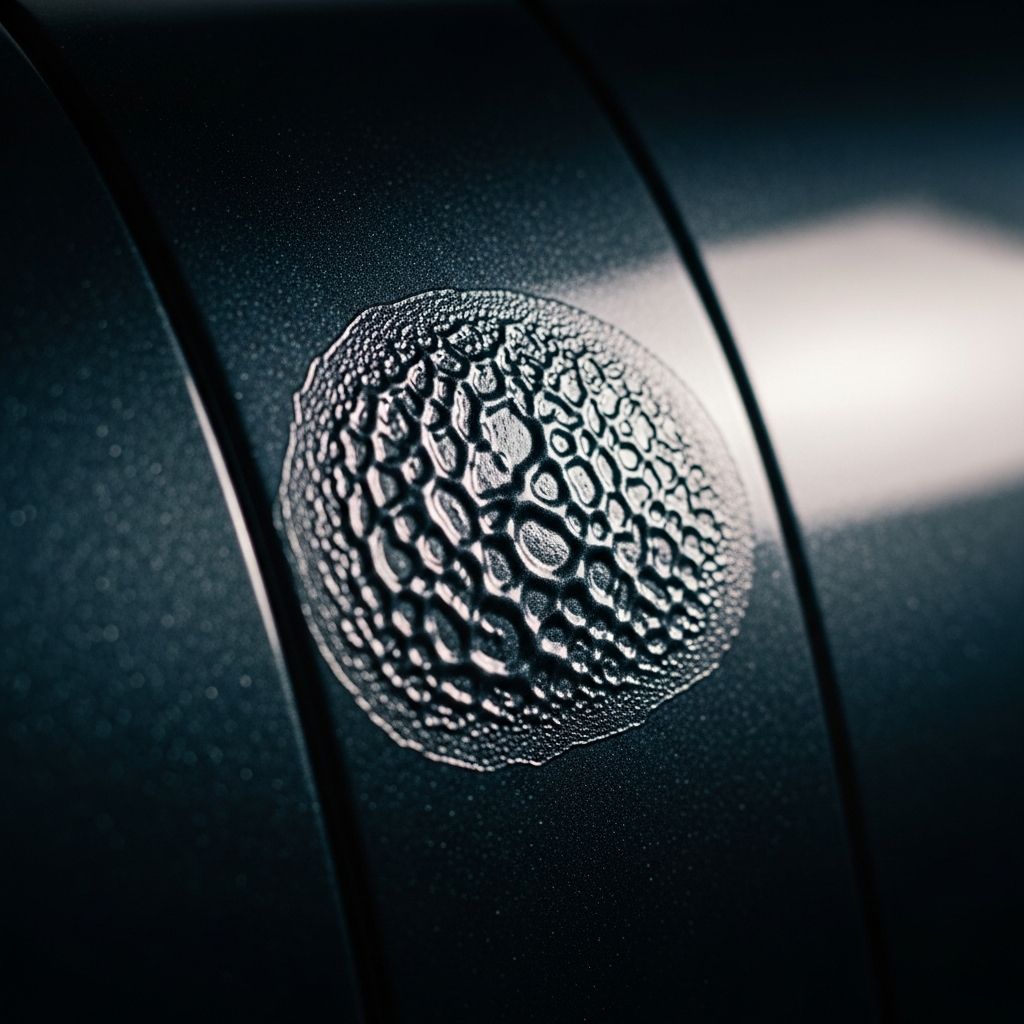
Orange peel refers to the bumpy, textured appearance that resembles citrus skin, which often mars spray-painted surfaces. This common issue arises from improper application techniques, incorrect equipment settings, or suboptimal environmental conditions, leading to uneven paint flow and drying. Preventing it requires attention to preparation, execution, and curing processes, enabling even hobbyists to produce professional-grade results.
Understanding the Causes of Orange Peel Texture
The root of orange peel lies in how paint atomsizes, flows, and levels during application and drying. When paint droplets are too large or dry too quickly, they fail to merge smoothly, creating peaks and valleys. Key contributors include excessive paint viscosity, high atomization pressure causing dry spray, inadequate surface preparation trapping contaminants, and rapid solvent evaporation in hot or low-humidity environments.
Material factors play a significant role: thick, unthinned paints resist leveling, while incompatible thinners accelerate drying unevenly. Technique errors, such as holding the spray gun too far or applying heavy coats, exacerbate the problem by promoting partial drying mid-air. Environmental variables like poor ventilation trap solvents, hindering flow-out. Recognizing these allows targeted prevention.
Essential Surface Preparation Techniques
A pristine substrate is foundational for smooth finishes. Begin by thoroughly cleaning the surface to remove oils, dust, grease, and residues using degreasers or phosphate treatments, which enhance adhesion and prevent defects.
- Cleaning: Wipe with isopropyl alcohol or dedicated prep solvents; avoid household cleaners that leave films.
- Abrasion: Sand with 400-600 grit for metals or 220 grit for wood to create a mechanical bond.
- Priming: Apply a high-build primer, allowing full cure before topcoating.
- Inspection: Use tack cloths and bright lights to confirm no particles remain.
For metals, phosphating forms a conversion layer that inhibits corrosion and promotes even paint spread. Tables below summarize steps:
| Step | Tools/Materials | Purpose |
|---|---|---|
| Cleaning | Degreaser, lint-free cloths | Remove contaminants |
| Sanding | Wet/dry sandpaper | Create profile |
| Priming | Primer, spray gun | Fill imperfections |
| Final Wipe | Tack cloth | Eliminate dust |
Neglecting prep often results in adhesion failures manifesting as texture issues.
Optimizing Spray Gun Setup and Calibration
Proper gun configuration ensures fine atomization without dry spray. Start with manufacturer-recommended nozzle sizes: 1.3-1.4mm for basecoats, 1.4-1.6mm for clears.
- Air Pressure: Set to 25-35 PSI at the gun for HVLP systems; higher pressures (40-50 PSI) for conventional guns to achieve mist-like patterns.
- Fluid Control: Open 1/2 to 2/3 for initial tests, adjusting for wet but not runny flow.
- Fan Pattern: Wide fans (8-10 inches) at 6-8 inches distance prevent sagging or pebbling.
Test on scrap: Aim for a uniform wet coat without holidays or buildup. Thinning paint 10-20% with compatible reducer lowers viscosity, aiding leveling. For aerosols, shake vigorously and maintain 8-12 inches distance.
Mastering Application Techniques for Even Coverage
Consistent motion is critical. Hold the gun perpendicular to the surface, moving at 12-18 inches per second with 50% overlap per pass.
Apply 2-3 medium-wet coats, flash-off 5-10 minutes between, avoiding flash-off runs. Use a loose wrist like conducting an orchestra for fluidity. Thin films level better than heavy ones, reducing texture risk.
| Technique | Ideal Parameter | Benefit |
|---|---|---|
| Distance | 6-8 inches | Optimal atomization |
| Speed | 12-18 ips | Prevents buildup |
| Overlap | 50% | Uniform coverage |
| Coats | 2-3 thin | Better leveling |
Practice on test panels builds muscle memory, minimizing errors.
Controlling Environmental Factors
Spray in controlled conditions: 65-75°F, 40-60% humidity, good airflow via fans or booths. High heat speeds drying, trapping texture; low humidity hinders flow.
- Use dehumidifiers in damp areas.
- Exhaust fumes to prevent solvent entrapment.
- Avoid direct sun or drafts carrying dust.
Downdraft booths capture overspray, maintaining cleanliness. Monitor with hygrometers for consistency.
Selecting and Mixing Paints for Optimal Flow
Choose paints with good leveling agents; urethanes and acrylics excel. Mix per TDS: reducer ratios (4:1:1 common), adding retarders (5-10%) in heat to extend open time.
Stir thoroughly, strain to remove clumps. For single-stage, use temperature-specific reducers. Test viscosity with a #4 Ford cup (18-22 seconds ideal).
Curing and Leveling Strategies
Allow 10-15 minutes flash before next coat; full cure at 140°F for 30 minutes. Retarders promote self-leveling; avoid force-drying too soon.
Correcting Existing Orange Peel Defects
For fixes, wet sand with 1000-2000 grit, using soapy water in circular motions. Rinse, dry, then recoat thinly. Buff with 3000 grit and compound for gloss.
- Inspect under light for uniformity.
- Multiple light sands prevent holograms.
- Polish post-cure for mirror finish.
Advanced Tips for Professional Results
Incorporate flow enhancers or hot-coat techniques (higher temp clears). Use split-nozzle guns for precision. For cars, block sand between stages.
Wood requires raised-grain sanding post-primer. Practice yields mastery.
Frequently Asked Questions
How do I prevent orange peel with aerosol cans?
Shake 2 minutes, spray 8-12 inches away in light, overlapping passes, allowing dry time between coats.
What’s ideal for automotive clear coats?
1.4mm nozzle, 28 PSI, thin wet coats at 70°F with retarder.
Can orange peel be fixed on cured paint?
Yes, wet sand 1500 grit, compound, and polish.
Does temperature affect texture?
Yes, 70-80°F optimal; hotter dries too fast.
Best thinner for water-based paints?
Use manufacturer-specified, apply ultra-thin wet films.
References
- Orange Peel Prevention in Paint Spraying: Easy Tips for a Smooth Finish — Porphis Online. 2023. https://www.porphis-online.com/blogs/blog/orange-peel-prevention-in-paint-spraying-easy-tips-for-a-smooth-finish
- Orange Peel on Car Paint: Causes & How to Avoid — JTAPE US. 2024. https://www.jtape.com/en-us/news/orange-peel-car-paint-causes/
- How to Prevent Orange Peel Paint Spray — Fuji Spray. 2023. https://fujispray.com/orange-peel-help/
- Less ORANGE PEEL when painting your car! — YouTube (Video Description). 2022-10-15. https://www.youtube.com/watch?v=qZWIFzFcvPE
- One simple trick for zero orange peel in your paint — YouTube (Video Transcript). 2023. https://www.youtube.com/watch?v=PG0b-Kfa1Ho
Similar Articles



Read full bio of medha deb