Azalea & Rhododendron Care Guide
Master the art of growing vibrant azaleas and rhododendrons with expert tips on planting, maintenance, and troubleshooting for stunning blooms year after year.
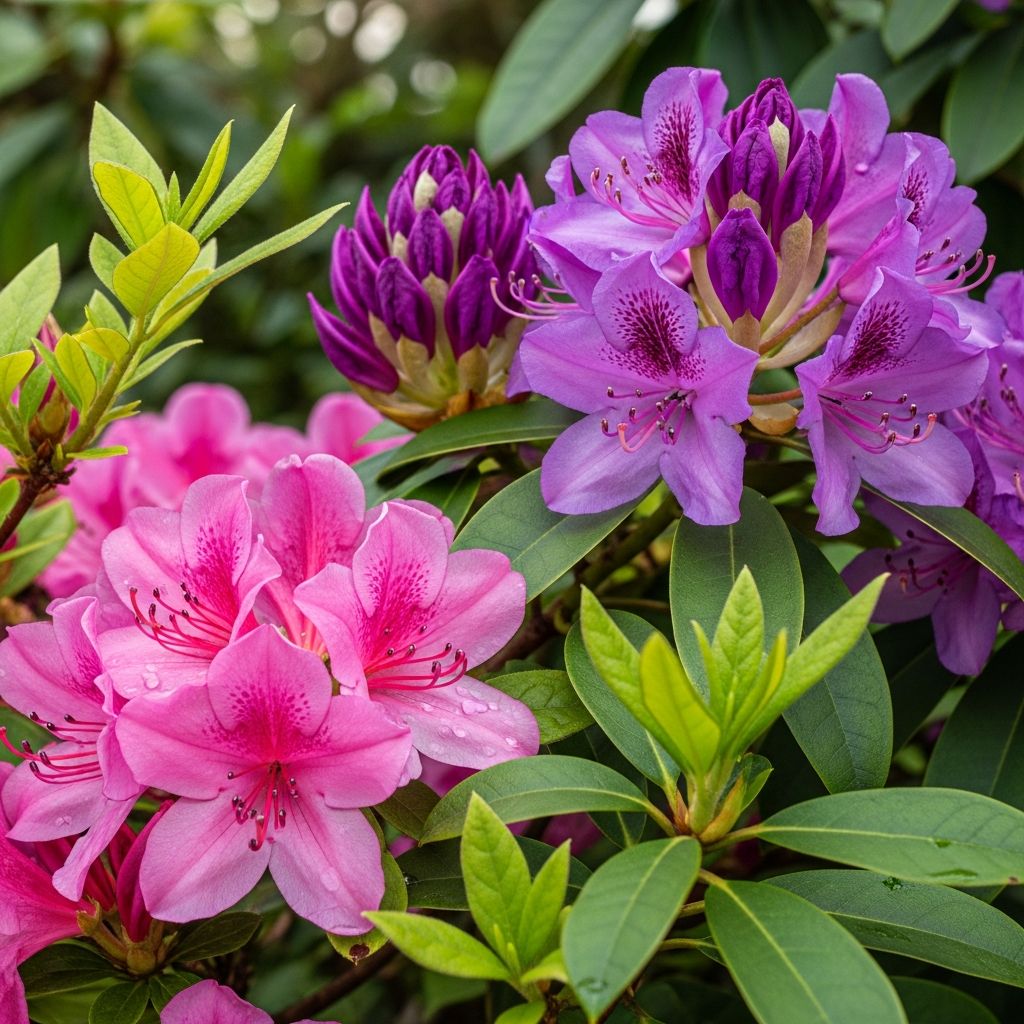
Azaleas and rhododendrons rank among the most striking ornamental shrubs, delivering cascades of vibrant flowers that transform gardens into spectacles of color. These acid-loving plants thrive when given the right conditions, offering rewards of beauty and relatively low upkeep. This guide draws from proven horticultural practices to help you select, plant, and nurture these gems for long-term success.
Understanding Azaleas and Rhododendrons
Both azaleas and rhododendrons belong to the genus Rhododendron, but they differ in key ways. Azaleas typically feature smaller, funnel-shaped flowers and deciduous leaves in many varieties, while rhododendrons boast larger, bell-shaped blooms and evergreen foliage. Deciduous azaleas shed leaves seasonally, adding fall interest with colorful foliage, whereas evergreen types maintain year-round greenery.
These shrubs excel in woodland-style gardens, borders, or containers, adapting to partial shade where they produce the best blooms. Their shallow root systems demand specific care to avoid stress, making them ideal for gardeners willing to amend soil and monitor moisture.
Selecting the Perfect Varieties
Choosing cultivars suited to your climate ensures vitality. In cooler northern regions, hardy evergreens like ‘PJM’ rhododendrons withstand winters down to USDA Zone 4. Southern gardeners favor heat-tolerant azaleas such as Encore series, which rebloom multiple times yearly.
- Compact options for small spaces: ‘Gumpo’ azalea grows to 2-3 feet.
- Large specimens for screens: ‘Roseum Elegans’ rhododendron reaches 6 feet.
- Native selections: Flame azalea (R. calendulaceum) for biodiversity.
Opt for plants from reputable nurseries with healthy, well-branched structures. Inspect for firm roots and no signs of wilting.
Ideal Site Selection
Success hinges on location. These plants prefer dappled sunlight—morning sun with afternoon shade—to prevent leaf scorch. Full shade yields fewer flowers, while harsh afternoon sun in hot climates causes burn.
Protect from prevailing winds, which dry out foliage. In clay-heavy areas, elevate planting to enhance drainage. Northern exposures work well in the South, but reverse this in cooler zones favoring southern light.
Preparing Optimal Soil
Azaleas and rhododendrons demand acidic, well-drained soil rich in organics. Target pH 4.5-6.0; test with a kit and amend if needed using sulfur or iron sulfate, avoiding aluminum sulfate due to root toxicity.
Incorporate 30-50% organic matter like pine bark, compost, or peat moss to 12-18 inches deep. Heavy clays require raised beds blending fine bark for aeration.
| Soil Type | Amendment Recommendation | Target pH |
|---|---|---|
| Clay | 50% pine bark + compost; raised beds | 5.0-5.5 |
| Sandy | Peat moss + organics | 4.5-6.0 |
| Loam | Minimal; add pine needles | 4.5-6.0 |
This setup promotes root health and nutrient uptake.
Step-by-Step Planting Instructions
Plant in early spring or fall for root establishment. Follow these steps:
- Dig wide: Twice the root ball’s width, same depth.
- Amend hole: Mix native soil with organics.
- Position high: Root ball top at or above soil line, especially in clay.
- Fertilize base: Slow-release acid formula.
- Backfill firmly: Eliminate air pockets.
- Water deeply: Soak to settle soil.
- Mulch: 2-3 inches of bark or needles, kept from stems.
For containers, use pots with drainage and ericaceous mix.
Watering Essentials
Shallow roots require consistent moisture without saturation. Newly planted shrubs need twice-weekly deep watering in the first season. Established plants get supplemental during 2-3 week dry spells.
Water at soil level to avoid wet foliage, which invites disease. In summer, hose off leaves weekly to deter pests. Let top inch dry between waterings to prevent rot.
Fertilizing for Blooms
Fertilize sparingly in fertile soils. Apply acid-specific granular (e.g., for azaleas) in late winter/early spring at 1 oz per foot of height. Water post-application; skip after midsummer to harden growth for winter.
Overfeeding burns roots—stick to recommendations.
Pruning and Deadheading Techniques
Prune post-bloom to shape and stimulate growth. Snap off spent trusses above leaf sets, avoiding bud damage. Use shears for thick stems.
- Remove dead/diseased branches anytime.
- Thin crowded interiors for air flow.
- Rejuvenate old plants by cutting to 12 inches in spring.
Deadheading conserves energy for next year’s buds.
Mulching Mastery
A 2-3 inch mulch layer of pine straw, bark, or leaves conserves moisture, cools roots, and acidifies soil as it breaks down. Keep 2-6 inches from trunks to thwart rot.
Refresh annually; pile higher in winter for insulation.
Winter Hardiness Strategies
In Zones 5 and below, shield from desiccation with burlap wraps or boughs. Pile mulch post-ground freeze. Avoid late fertilizers promoting tender shoots.
Combating Common Pests and Diseases
Lace bugs yellow leaves; treat with horticultural oil or soap in early summer. Root rot from overwatering shows wilting—improve drainage.
Other foes: scale (oily residue), borers (wilting tips), powdery mildew. Scout regularly; use organics first.
Growing in Containers
Pot-bound azaleas dazzle patios. Use large, drained containers with peat-based mix. Water more frequently; fertilize monthly in growth periods. Repot every 2-3 years.
Companion Planting Ideas
Pair with ferns, hostas, camellias, or pieris for acid-soil synergy. Avoid competition from grass or walnuts.
Frequently Asked Questions
Why are my azalea leaves turning yellow?
Often chlorosis from high pH; apply chelated iron or sulfur.
Can I grow rhododendrons in full sun?
Possible in cool climates with ample water, but shade prevents scorch.
How do I propagate azaleas?
Take semi-hardwood cuttings in summer, root in perlite under mist.
What’s the best fertilizer?
Acid-loving formulas like 10-5-4 or holly tone, spring only.
Do they need protection from deer?
Yes, use netting or repellents as buds attract browsers.
References
- Rhododendron – Azalea: How To Grow And Care with Success — Gardenia.net. 2023. https://www.gardenia.net/guide/learn-how-to-plant-and-care-for-your-azalea-or-rhododendron
- After the Bloom: Nurturing Your Azaleas and Rhododendrons — NC State Extension (Hoke County). 2024-05-15. https://hoke.ces.ncsu.edu/news/after-the-bloom-nurturing-your-azaleas-and-rhododendrons/
- Growing Rhododendron (Rhododendron and Azalea) — White Flower Farm. 2023. https://www.whiteflowerfarm.com/how-to-grow-rhododendron-rhododendron-and-azalea
- Rhododendron and Azalea Care Tips — YouTube (Gardening Channel). 2020-04-15. https://www.youtube.com/watch?v=6DqNs-xA2mw
- Azalea Care Guide: How to plant, grow, and care for azaleas — Monrovia. 2024. https://www.monrovia.com/be-inspired/azalea-care-guide-how-to-grow-azaleas.html
- Planting, Growing, Caring & Pruning Rhododendrons — Scotts Miracle-Gro. 2023. https://scottsmiraclegro.com/en-ca/learn/gardening/projects-garden-planning/planting-growing-caring-pruning-rhododendrons.html
- Rhododendrons and Azaleas Factsheet — Missouri Botanical Garden. 2022-01-01. https://www.missouribotanicalgarden.org/Portals/0/Gardening/Gardening%20Help/Factsheets/Rhododendrons%20and%20Azaleas38.pdf
Similar Articles







Read full bio of Sneha Tete