Mastering the Back-to-School Transition: A Parent’s Guide to Seamless Organization
Transform your family’s routine with smart, stress-free strategies for the new school year.
Why Organization Matters for Back-to-School Success
Starting a new school year can be overwhelming for both parents and children. A well-organized home environment sets the stage for academic achievement, reduced stress, and smoother daily routines. By implementing thoughtful systems, families can minimize chaos and maximize productivity throughout the school year.
Designing a Family Command Center
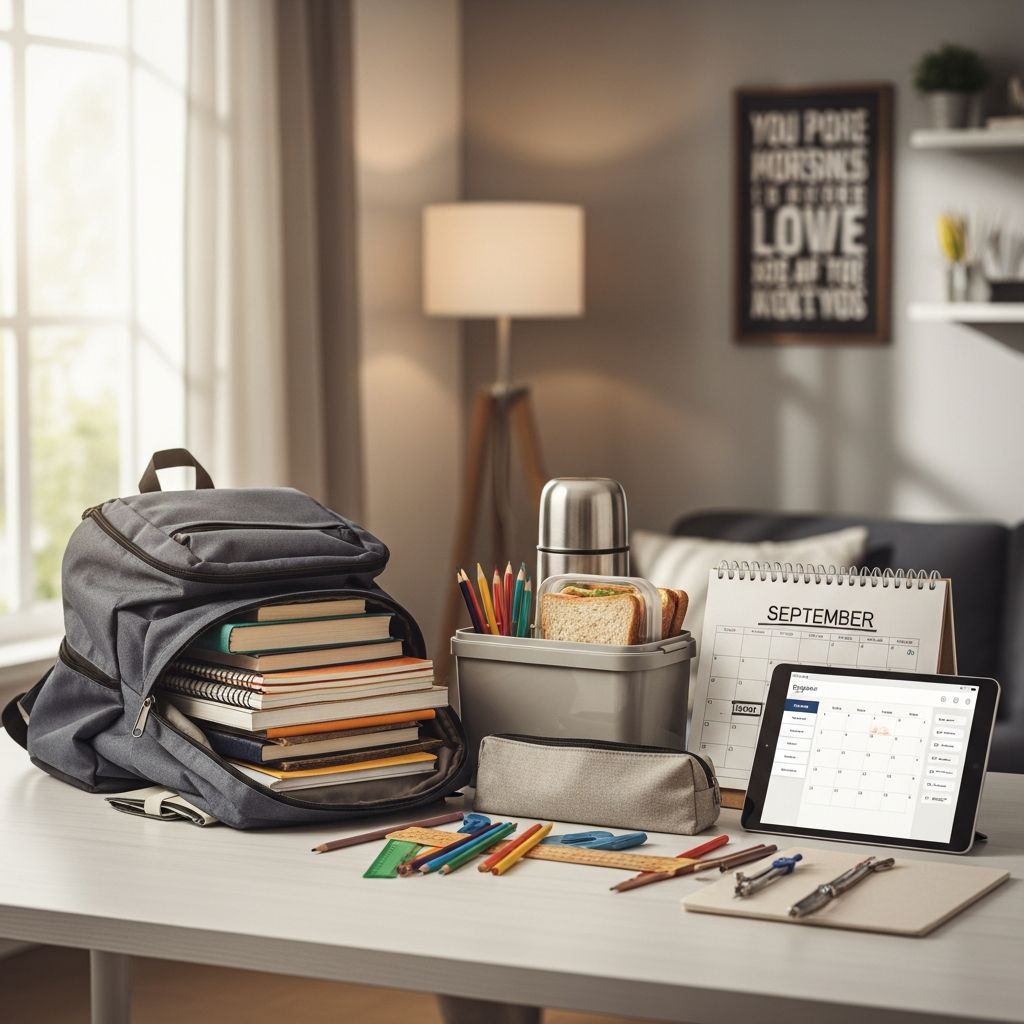
A central command center is the foundation of any organized household. This area should be easily accessible and visible, ideally near the main entrance or kitchen. It serves as a hub for calendars, permission slips, backpacks, and important reminders. Consider including:
- A wall calendar or digital planner for tracking school events and extracurriculars.
- Designated bins or cubbies for each family member’s backpacks and shoes.
- A bulletin board for displaying schedules, artwork, and to-do lists.
- Storage for school supplies and lunch containers.
Regularly update the command center to reflect changing schedules and needs, ensuring everyone stays informed and prepared.
Streamlining Morning and Afternoon Routines
Consistent routines are key to a stress-free start and end to each school day. Establishing clear steps for mornings and afternoons helps children develop independence and responsibility.
Morning Checklist
- Wake up at a consistent time.
- Get dressed and groomed.
- Eat a nutritious breakfast.
- Review the day’s schedule.
- Pack backpacks and lunchboxes.
- Double-check for essentials before leaving.
Afternoon Drop Zone
- Designate a spot for backpacks, shoes, and outerwear.
- Encourage children to unpack and organize their belongings immediately upon arrival.
- Set aside time to review homework and school papers.
- Rotate or declutter items as needed to prevent clutter buildup.
Creating an Effective Homework Space
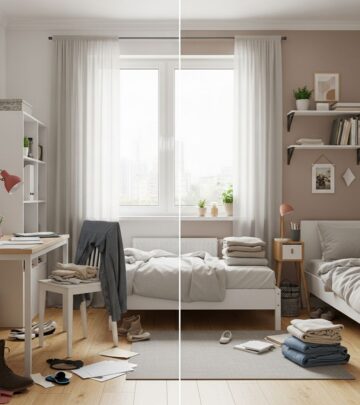
A dedicated homework area promotes focus and productivity. Choose a quiet, well-lit spot free from distractions such as TVs or video games. Equip the space with:
- A sturdy desk or table.
- Adequate lighting.
- Essential supplies like pencils, paper, and a calculator.
- Storage for books and folders.
- Clear rules about device usage during homework time.
Encourage children to personalize their workspace to foster a sense of ownership and motivation.
Managing School Supplies and Lunches
Prepping supplies and meals in advance saves time and reduces last-minute stress. Organize supplies by subject or grade level and store them in labeled bins for easy access. For lunches:
- Create a lunch-packing station with bins for snacks, sandwiches, and drinks.
- Label bins with the number of items to grab for each lunch.
- Involve children in packing their own lunches to build responsibility.
- Prep lunches the night before to streamline mornings.
Weekly Planning and Decluttering
Regular planning and decluttering keep the home organized and functional. Schedule a weekly family meeting to review upcoming events and adjust routines as needed. Set aside time each week to:
- Declutter toys, clothes, and school supplies.
- Donate or store items that are no longer needed.
- Rotate seasonal items to keep the space fresh and relevant.
- Update calendars and checklists.
FAQs: Back-to-School Organization
When should I start organizing for the new school year?
Begin planning 2–4 weeks before school starts to allow time for shopping, setting up routines, and preparing supplies.
How can I make morning routines smoother?
Prep the night before by laying out clothes, packing bags, and setting alarms. Keep essentials in one central zone.
What’s the best way to organize multiple kids’ schedules?
Use shared family calendars and color-code each child’s events. Hold a weekly check-in to align activities.
How do I reduce school-year stress?
Set routines, build in family time, use planners, and schedule small rewards to help morale.
What if my child refuses to follow organization habits?
Model routines yourself and make organization fun. Use colorful bins and let children help design their space.
Digital or paper planners—what’s better?
Both work well. Use a visible wall calendar plus a shared digital calendar for alerts. Matching digital reminders with physical visibility is most effective.
Conclusion: Building a Calm, Organized Home
With thoughtful planning and consistent routines, families can create a calm, organized environment that supports academic success and reduces daily stress. By implementing these strategies, parents can help their children thrive during the school year and beyond.
Similar Articles


Read full bio of medha deb