Backyard Fire Magic: A Complete Guide to Choosing and Enjoying a Modern Fire Pit
Turn cool evenings into cozy gatherings with a safe, stylish and low-stress fire pit setup.
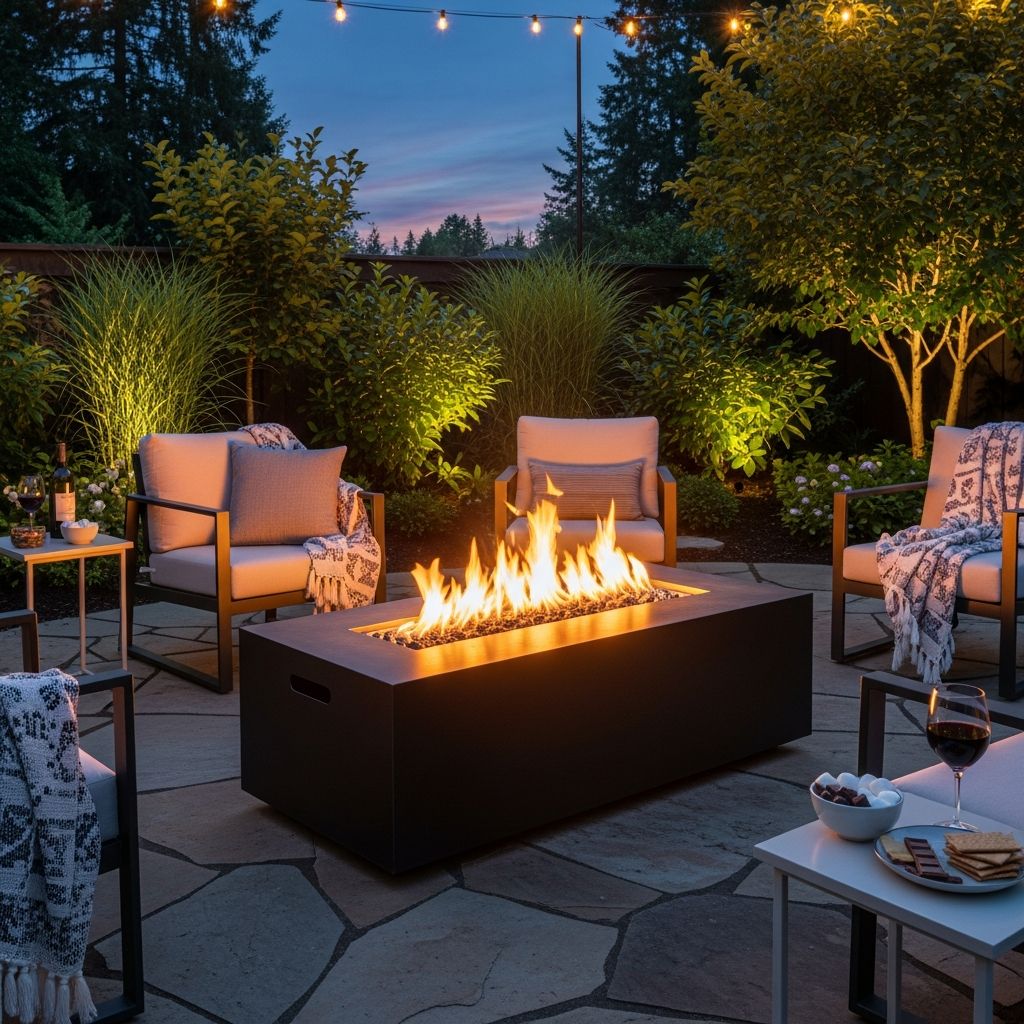
A well-chosen fire pit turns an ordinary patio or small yard into an inviting retreat where cool evenings feel comfortable and gatherings stretch long after sunset. Instead of being a bulky construction project, many modern fire pits arrive as ready-to-use units that you can position, connect, and enjoy within minutes.
This guide walks through how to pick the right style, place it safely, set it up, and keep it in great condition, along with ideas to get the most relaxation and fun out of your backyard fire.
Why Add a Fire Pit to Your Backyard?
Before digging into the details, it helps to understand what, exactly, a fire pit brings to your outdoor space. The benefits go far beyond warmth.
- Extended outdoor season: A reliable heat source lets you enjoy your patio weeks earlier in spring and longer into fall.
- Instant gathering point: People naturally drift toward a glowing flame, making it easier to host relaxed get-togethers.
- Flexible ambiance: From crackling campfire energy to quiet, low flames, a fire pit adapts to your mood and occasion.
- Portable comfort: Many compact models can move with the party—from patio to driveway to campsite.
Fire Pit Styles: Which One Fits Your Life?
Today’s fire pits range from minimalist metal cylinders to decorative tables with hidden fuel tanks. Choosing the right style depends on where you’ll use it, who will sit around it, and how much effort you’re willing to invest in lighting and cleanup.
Common Fire Pit Types
| Type | Fuel | Best For | Key Advantages | Considerations |
|---|---|---|---|---|
| Wood-burning bowl or ring | Split firewood or logs | Traditional campfire feel | Crackling sound and rustic smell; budget-friendly; simple construction | More smoke; requires firewood storage and ash cleanup |
| Smokeless wood fire pit | Dry firewood or pellets | Densely populated neighborhoods | Reduced smoke; efficient burn; portable; clean modern look | Works best with properly seasoned wood and careful loading |
| Propane fire pit or table | 20 lb propane tank or larger | Low-maintenance entertaining | Quick ignition; adjustable flame; minimal mess; many styles | Tank refills; less crackling “campfire” character |
| Natural gas built-in | Hard-piped natural gas | Permanent patio installations | No tanks; convenient on/off; consistent fuel supply | Professional installation; fixed location |
| Multifuel portable unit | Wood, pellets, or charcoal (model-dependent) | Camping and small patios | Versatile; compact storage; often lighter to carry | Usually smaller flame and heat radius |
Fuel Choices: Heat, Convenience, and Cost
Fuel choice has a bigger impact on your experience than the material or color of the fire pit. Think about how often you’ll use it, how much hassle you’re willing to tolerate, and whether you have storage space.
Wood vs. Propane vs. Natural Gas
- Wood: Best for people who love the sensory side of fire—sounds, smells, and visible logs—but are comfortable tending the flames and dealing with smoke and ash.
- Propane: Great for renters or homeowners who want no-mess, button-start convenience with an easily moved tank and no wood pile.
- Natural gas: Ideal when you are planning a permanent seating area and can justify the cost of a gas line for long-term ease.
Many modern wood-burning designs optimize airflow to burn hotter with less visible smoke. If you’ve avoided wood fires in the past because of streaming smoke in your face, a well-designed, ventilated fire pit can be a dramatic upgrade.
Choosing the Right Size and Shape
Size determines not only how much heat your fire pit produces but also how easily people can move around it. Oversized models can overpower a small patio, while tiny travel units may leave guests shivering on cold nights.
Key Sizing Guidelines
- Diameter: For 2–4 people, a compact fire pit around 19–22 inches works well. For 5–8 people, consider 24–30 inches or more, assuming your space allows safe clearance.
- Height: Lower walls (under knee height) tend to feel more like a campfire, while taller walls and fire tables keep flames contained and closer to glassware.
- Heat radius: As a rough guide, expect comfortable warmth within about 2–4 feet of a compact unit, and farther out for larger models, depending on wind and temperature.
Round fire pits are classic and encourage everyone to face toward the center. Square or rectangular options often pair well with sectionals and outdoor sofas, mirroring the furniture’s shape.
Safe Placement: Where Your Fire Pit Should Live
Even the most advanced fire pit is still an open flame, so placement matters. Think in terms of vertical and horizontal clearance as well as the surface under the unit.
Location Checklist
- Keep the fire pit a safe distance from structures, fences, trees, and shrubs according to local regulations and the manufacturer’s instructions.
- Choose a stable, non-flammable surface such as concrete, pavers, or stone; if placing on a deck or lawn, use an appropriate heat-resistant base or pad designed for that purpose.
- Position the fire pit where prevailing winds will not blow smoke directly into doors or large windows.
- Allow generous walking paths so people can move safely behind seated guests without brushing past the flames.
Some portable units include stands or legs engineered to reduce heat transfer to the surface below. These can be especially helpful on composite decking or grassy areas, but you should still follow all safety guidance supplied with the product.
Setup: From Unboxing to First Flame
Portable fire pits are designed for straightforward setup, but a deliberate first-time routine helps you stay safe and prolong the life of your equipment. Always read and follow the instructions that come with your specific model.
Typical Setup Steps for a Portable Fire Pit
- Unpack and inspect: Remove all components from the box and confirm that nothing is damaged or missing. Check for dents, bent panels, or loose hardware.
- Assemble the base or stand: If your model has a separate stand, legs, or ash tray, attach them firmly according to the manual.
- Position the unit: Place the assembled fire pit in your chosen location, double-checking clearances above and around it.
- Load fuel correctly: For wood-burning designs, use dry, seasoned wood cut to the recommended length. Stack loosely to encourage airflow instead of packing logs tightly.
- Ignite safely: Use long matches or a long-neck lighter. Avoid accelerants like gasoline or lighter fluid unless your specific design calls for a particular starter product.
- Adjust and monitor: Once the flame is established, add wood gradually. Do not leave the fire unattended, even for a short time.
Gas fire pits require hose connections, leak checks, and often a test cycle at a low flame setting before full operation. If you are uncertain about connections or gas line work, consult a qualified professional.
Safety Practices Every Owner Should Follow
Enjoying a fire pit responsibly comes down to preparation and habits. A few basic precautions significantly reduce risk without taking away from the enjoyment.
- Keep a fire extinguisher, bucket of sand, or garden hose with a spray nozzle nearby before lighting.
- Set clear rules with children and guests, such as a visible “no-go” ring around the fire.
- Avoid using the fire pit in high wind or during burn bans issued by your local authorities.
- Do not burn trash, leaves, or treated lumber; these can produce harmful fumes and excessive sparks.
- Let ashes cool completely before disposal, then place them in a metal container only.
If your fire pit includes a spark screen or optional cover for active use, take advantage of it on breezy nights or when burning wood that tends to pop and crackle.
Designing a Cozy Fire Pit Seating Area
Comfortable seating and good lighting turn a bare fire pit into a true outdoor room. Think about how you want people to sit, talk, and move around the space.
Seating and Layout Ideas
- Group weather-resistant chairs in a loose circle, leaving enough space to stretch legs toward the warmth without crowding others.
- Mix seating types: a bench for lounging, a couple of swivel chairs for flexibility, and low stools for extra guests.
- Add side tables or a low coffee table for drinks and snacks so guests are not tempted to balance items on the rim of the fire pit.
- Layer in outdoor cushions and throw blankets that can be easily washed to handle the occasional whiff of smoke.
Soft string lights or solar lanterns provide enough illumination to move around safely while preserving the flickering glow as the star of the scene.
Low-Smoke and “Smokeless” Design Features
One of the biggest complaints about traditional fire pits is smoke blowing into faces and clothing. Many contemporary models are engineered to address this, using carefully placed air vents and double-wall construction.
- Cool air is pulled in near the base and warmed as it rises between inner and outer walls.
- Warm air exits through upper vents, re-entering the flame zone and helping to reburn smoke particles.
- The result is a more efficient burn with less visible smoke when paired with dry fuel and proper loading.
Reduced smoke not only improves comfort but also makes it more practical to place a fire pit closer to the home, within the clearances allowed by local codes and manufacturer recommendations.
Care, Cleaning, and Off-Season Storage
Routine maintenance keeps your fire pit attractive and functional year after year. The specific steps vary by material, but several habits apply across the board.
Ongoing Maintenance Checklist
- Brush out cooled ash regularly so air vents and drainage holes remain open.
- Wipe down metal surfaces to remove soot build-up before it becomes stubborn.
- Inspect welds, bolts, and legs for signs of rust or looseness; address issues promptly.
- Cover the fire pit when not in use, especially during rainy or snowy weather.
Some portable units are light enough to store in a garage, shed, or covered porch during the off-season. This added protection significantly slows weathering, especially in coastal or very humid climates.
Entertaining Ideas Around the Fire
Once your fire pit is dialed in, it becomes a flexible backdrop for everything from quiet solo evenings to energetic parties. A little planning helps you lean into whatever atmosphere you prefer.
- Casual weeknight unwind: Pair the fire with a single lounge chair, a book, and a warm drink for a personal reset ritual.
- Family dessert night: Set out roasting sticks, marshmallows, and toppings on a side table for make-your-own treats.
- Outdoor movie pairing: Aim chairs toward a screen or portable projector while the fire provides warmth just off to the side.
- Neighbors’ social hour: Invite a few households, offer simple snacks, and let the fire provide the entertainment.
Be sure to check whether your particular fire pit model is intended for cooking. Some are purely decorative heaters, while others accept grates or accessories designed for roasting and grilling.
Frequently Asked Questions About Backyard Fire Pits
Can I put a fire pit on a wooden deck?
It depends on both your fire pit’s design and the deck’s material. Many manufacturers provide specific guidance, and some offer heat-shielding stands or accessories made to reduce the risk to decking. If you plan to use a fire pit on wood or composite, choose a unit and protective base that are explicitly rated for that purpose and follow all instructions closely.
How much smoke is normal from a wood-burning fire pit?
Even efficient designs produce some smoke, especially at start-up or when damp wood is used. To keep smoke low, burn dry, seasoned wood cut to the recommended size, and avoid over-loading the fire pit. Give the fire time to reach a steady, hot burn before adding more fuel.
Do I need special permits for a backyard fire pit?
Some areas allow recreational fires without a permit, while others have detailed requirements for fire size, distance from structures, and allowed fuel types. Because rules vary so much, it is important to check local ordinances or speak with your local fire department before your first use.
How do I fully extinguish a wood fire pit?
Let the fire burn down, then spread remaining embers with a fire poker. Slowly add water or sand while stirring until the ashes are cool to the touch. Do not leave the pit until you are certain that all embers are completely out, and never dump hot ashes directly into a plastic trash bin or onto the ground.
What should I look for in a cover?
A good cover fits snugly enough to resist wind, sheds water, and allows some ventilation so trapped moisture does not accelerate rust. Look for heavy-duty fabric or coated materials with reinforced seams and attachment points such as drawstrings, clips, or elastic hems.
Making the Most of Your New Fire Pit
With a thoughtful choice of style and fuel, safe placement, and some simple habits, a fire pit can become the centerpiece of your outdoor living area rather than a seldom-used novelty. Whether you favor compact, portable models for camping and tailgates or larger statement pieces for the patio, the core principles remain the same: respect the flame, keep maintenance simple, and design the surrounding space for comfort and connection.
Approach your setup with care once, and you can enjoy countless evenings of warmth, light, and conversation with surprisingly little ongoing effort.
Similar Articles








Read full bio of Sneha Tete