Backyard Landscaping Tips for a Beautiful Outdoor Space
Transform your outdoor space with expert landscaping tips and design strategies.
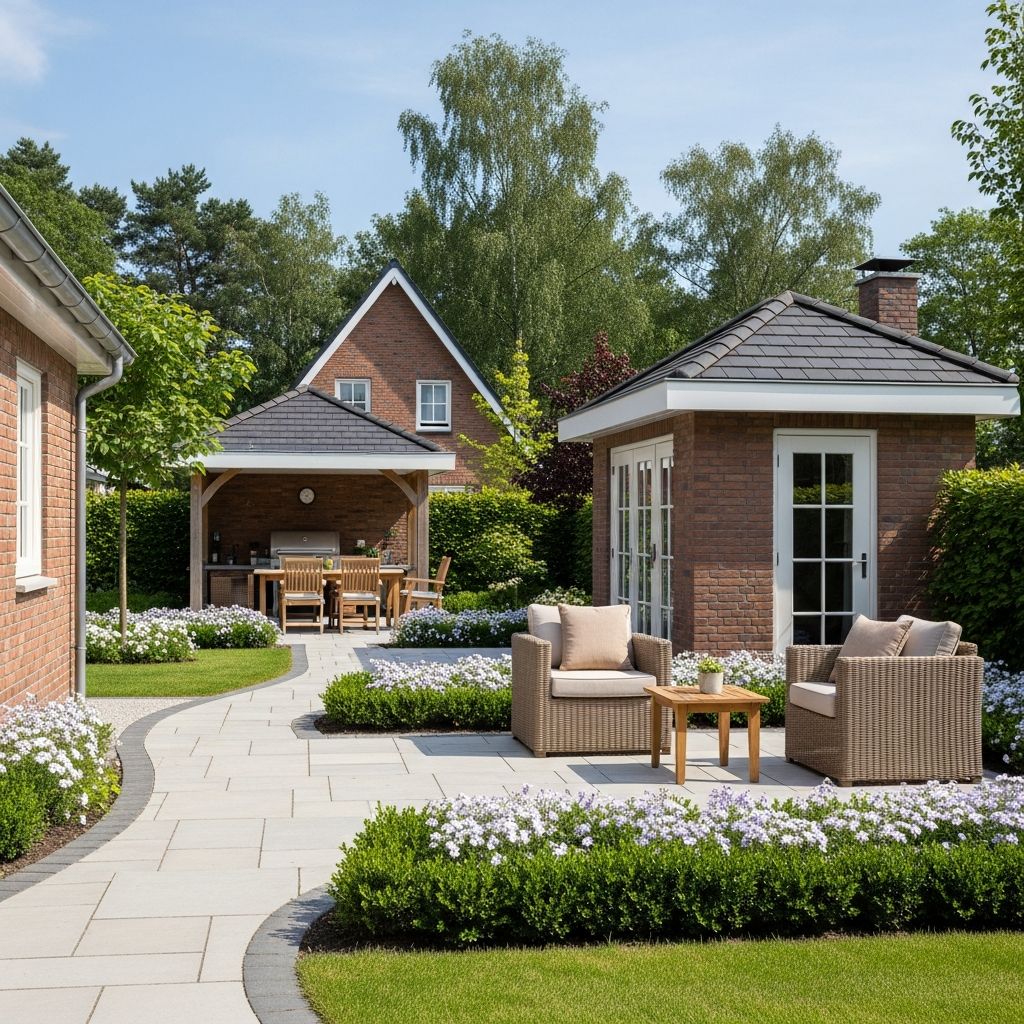
Backyard Landscaping Tips: Create Your Dream Outdoor Space
Your backyard is an extension of your home and a place where you can relax, entertain, and enjoy nature. A well-designed landscape not only enhances the beauty of your property but also increases its value and creates a welcoming environment for family and friends. Whether you’re starting from scratch or looking to refresh your existing yard, these backyard landscaping tips will guide you through the process of creating an outdoor space that reflects your style and meets your lifestyle needs.
Plan Your Landscape Design
Before you pick up a shovel or visit the garden center, take time to plan your landscape design. This foundational step will save you time, money, and potential mistakes down the road. Start by assessing your current yard space, including the size, shape, existing features, and sunlight patterns throughout the day. Understanding these elements will help you make informed decisions about plant placement and hardscape features.
Consider creating a rough sketch of your yard layout, marking areas that receive full sun, partial shade, and full shade. Note the location of existing trees, structures, and utilities. This visual representation will serve as your blueprint as you move forward with planning and implementation. Think about how you want to use your backyard—whether for entertaining, relaxation, play, or a combination of activities—and design accordingly.
Define Your Landscape Style
Establishing a cohesive design style is crucial for creating a landscape that feels intentional and harmonious. Popular landscaping styles include contemporary, traditional, cottage, Mediterranean, naturalistic, and Japanese zen. Each style has distinct characteristics regarding plant selection, hardscape materials, color palettes, and overall aesthetic.
- Contemporary: Clean lines, minimalist plantings, and modern materials
- Traditional: Formal plantings, symmetrical designs, and classic features
- Cottage: Informal, colorful plantings with mixed textures and patterns
- Mediterranean: Drought-tolerant plants, warm colors, and rustic materials
- Naturalistic: Native plants, flowing curves, and organic arrangements
- Japanese Zen: Balanced compositions, water features, and carefully selected specimens
Choose a style that complements your home’s architecture and reflects your personal preferences. This decision will guide your selections for plants, materials, colors, and features throughout your landscaping project.
Select Appropriate Plants for Your Climate
Choosing plants that thrive in your local climate is essential for a sustainable and low-maintenance landscape. Native plants are excellent choices because they’ve adapted to your region’s rainfall, temperature, and soil conditions over time. They require less water, fertilizer, and maintenance than exotic species while supporting local wildlife and ecosystems.
Research your USDA hardiness zone to determine which plants will survive winter temperatures in your area. Consider factors such as soil type, drainage, sunlight requirements, and water needs when selecting plants. Mix plants of varying heights, textures, and bloom times to create visual interest throughout the seasons. Incorporate evergreens for year-round structure and deciduous plants for seasonal color and variety.
Group plants with similar water and light requirements together for easier maintenance. This practice, known as hydrozoning, ensures that your landscape remains efficient and reduces water waste while keeping plants healthy and thriving.
Incorporate Hardscape Elements
Hardscape features—such as patios, pathways, decks, retaining walls, and water features—provide structure, functionality, and visual interest to your landscape. These elements define spaces, guide movement through your yard, and create destinations for relaxation and gathering.
Patios and Decks: These outdoor living spaces expand your usable area and provide platforms for entertaining. Choose materials that complement your home’s style and can withstand your climate. Permeable paving options help manage stormwater runoff and are environmentally friendly.
Pathways: Well-designed paths encourage movement through your garden and prevent people from walking on planted areas. Use consistent materials and clear sight lines to create inviting routes through your landscape.
Water Features: Fountains, ponds, and streams add auditory and visual appeal while creating habitats for wildlife. Water features can be simple and small or elaborate and complex, depending on your preferences and budget.
Retaining Walls: These structures manage slopes, create planting beds, and add architectural interest. They’re both functional and decorative, offering opportunities to integrate creative design elements.
Create Focal Points
Focal points draw the eye and provide visual anchors in your landscape design. They give viewers something interesting to focus on and help organize the overall composition of your yard. Effective focal points can include:
- Specimen trees or shrubs with striking features
- Garden sculptures or art installations
- Water features such as fountains or ponds
- Seating areas or gazebos
- Unique plantings or mixed borders
- Architectural elements like arbors or pergolas
Place focal points strategically where they can be viewed from your home’s windows, main seating areas, or at the end of pathways. This intentional placement creates sight lines that guide movement and encourage exploration of your outdoor space.
Choose a Color Scheme
Developing a thoughtful color scheme unifies your landscape and creates the mood you want your outdoor space to convey. Consider both cool colors (blues, purples, and greens) that create calm and tranquility, and warm colors (reds, oranges, and yellows) that energize and excite.
Many successful landscapes use a limited palette of three to five colors to maintain cohesion. Neutrals like grays, blacks, and whites act as buffers and allow other colors to stand out. Consider the colors of your home’s exterior, hardscape materials, and foliage year-round when developing your scheme. Remember that flower colors are often temporary, while foliage colors are present for extended periods.
Improve Soil Quality
Healthy soil is the foundation of a thriving landscape. Before planting, test your soil to determine its composition, pH level, and nutrient content. Most plants prefer soil with a balanced pH between 6.0 and 7.0. Amend your soil with organic matter such as compost, aged manure, or leaf litter to improve structure, drainage, and nutrient availability.
Good soil provides plants with the nutrients they need while maintaining proper drainage—not too wet and not too dry. Building healthy soil takes time and effort but pays dividends through vigorous plant growth and reduced maintenance requirements.
Install Proper Lighting
Outdoor lighting extends the usability of your yard into evening hours and enhances safety and security. Strategic lighting creates ambiance, highlights focal points, and illuminates pathways. Consider layered lighting with a combination of general illumination, task lighting, and accent lighting.
- Path Lighting: Low-level lights along walkways guide movement and prevent trips
- Uplighting: Lights positioned at ground level shine upward on trees or structures
- Spotlighting: Focused beams highlight specific plants or architectural features
- String Lights: Create festive ambiance over patios and gathering areas
- Deck and Step Lighting: Provides safety while adding visual interest
Energy-efficient LED lights are an excellent choice for landscaping as they consume less power, last longer, and generate minimal heat.
Maintain Your Landscape
Regular maintenance keeps your landscape looking beautiful and healthy throughout the seasons. Establish a maintenance schedule that includes watering, weeding, pruning, fertilizing, and seasonal cleanup. Most landscapes require more frequent attention during growing seasons and less during dormant periods.
Consider implementing a mulch layer around plant beds to suppress weeds, retain soil moisture, and regulate soil temperature. Deadheading spent flowers encourages continued blooming and keeps plants looking tidy. Pruning promotes healthy growth, maintains shape, and removes diseased or damaged branches.
Invest time in learning proper plant care techniques for the species in your landscape. Different plants have different requirements, and providing appropriate care ensures they’ll thrive for years to come.
Budget Considerations
Landscaping projects can range from simple and inexpensive to elaborate and costly. Establish a realistic budget before starting your project and prioritize based on impact and importance. Consider implementing your landscape in phases, completing the most visible and functional areas first and adding refinements over time.
Purchasing smaller plants saves money and allows them to establish better in your specific landscape. Seeds for annual flowers are economical for filling large areas with color. DIY installation of certain elements can reduce labor costs, though some projects may benefit from professional expertise.
Attract Wildlife to Your Landscape
Creating a landscape that supports local wildlife adds ecological value and natural beauty to your outdoor space. Plant native species that provide food and shelter for birds, butterflies, bees, and other beneficial insects. Include plants with different bloom times to ensure food sources throughout the growing season.
Provide water sources such as bird baths or shallow ponds where wildlife can drink and bathe. Minimize pesticide use to protect beneficial insects and the creatures that depend on them. Leave some areas with natural materials like dead wood and leaf litter, which provide habitat for decomposers and ground-dwelling creatures.
Frequently Asked Questions
Q: When is the best time to start a landscaping project?
A: Spring and fall are ideal seasons for most landscaping work as temperatures are moderate and plants establish well. However, planning can occur year-round, and implementation timing depends on your climate and specific plant choices.
Q: How much does professional landscape design cost?
A: Professional design services typically range from $500 to $5,000 or more depending on project scope and designer experience. Many designers offer consultations at reduced rates or free initial assessments.
Q: Can I landscape a small backyard effectively?
A: Yes. Small spaces benefit from focused design, vertical gardening, multifunctional features, and strategic plant selection. Even compact yards can be beautiful and functional with thoughtful planning.
Q: How often should I water my landscape?
A: Watering frequency depends on plant types, soil conditions, climate, and season. Most established landscapes need deep watering once weekly during growing season, while newly planted areas may need more frequent watering.
Q: What are low-maintenance landscaping options?
A: Native plants, drought-tolerant species, ground covers, ornamental grasses, and hardscape features require minimal maintenance. Mulching, proper soil preparation, and grouping plants by water needs also reduce maintenance demands.
Q: Should I hire a professional landscaper?
A: Professional landscapers offer expertise, equipment, and labor efficiency for large projects. DIY approaches work well for smaller projects and those with time and physical capability. Consider your budget, timeline, and comfort level.
References
- USDA Plant Hardiness Zone Map — U.S. Department of Agriculture. 2023. https://planthardiness.ars.usda.gov/
- Native Plant Society: Benefits of Landscaping with Native Plants — Lady Bird Johnson Wildflower Center, University of Texas at Austin. 2024. https://www.wildflower.org/
- Sustainable Landscaping Practices Guide — Environmental Protection Agency (EPA). 2024. https://www.epa.gov/sustainable-land-management
- Landscape Design Principles and Standards — American Society of Landscape Architects (ASLA). 2024. https://www.asla.org/
- Soil Quality and Health Management — Natural Resources Conservation Service (NRCS), U.S. Department of Agriculture. 2024. https://www.nrcs.usda.gov/
Similar Articles




Read full bio of medha deb