Backyard Pub Shed Retreat: Build a Stylish Hangout That Works Overtime
Turn a simple shed into a smart backyard pub that also works hard for storage and hobbies.
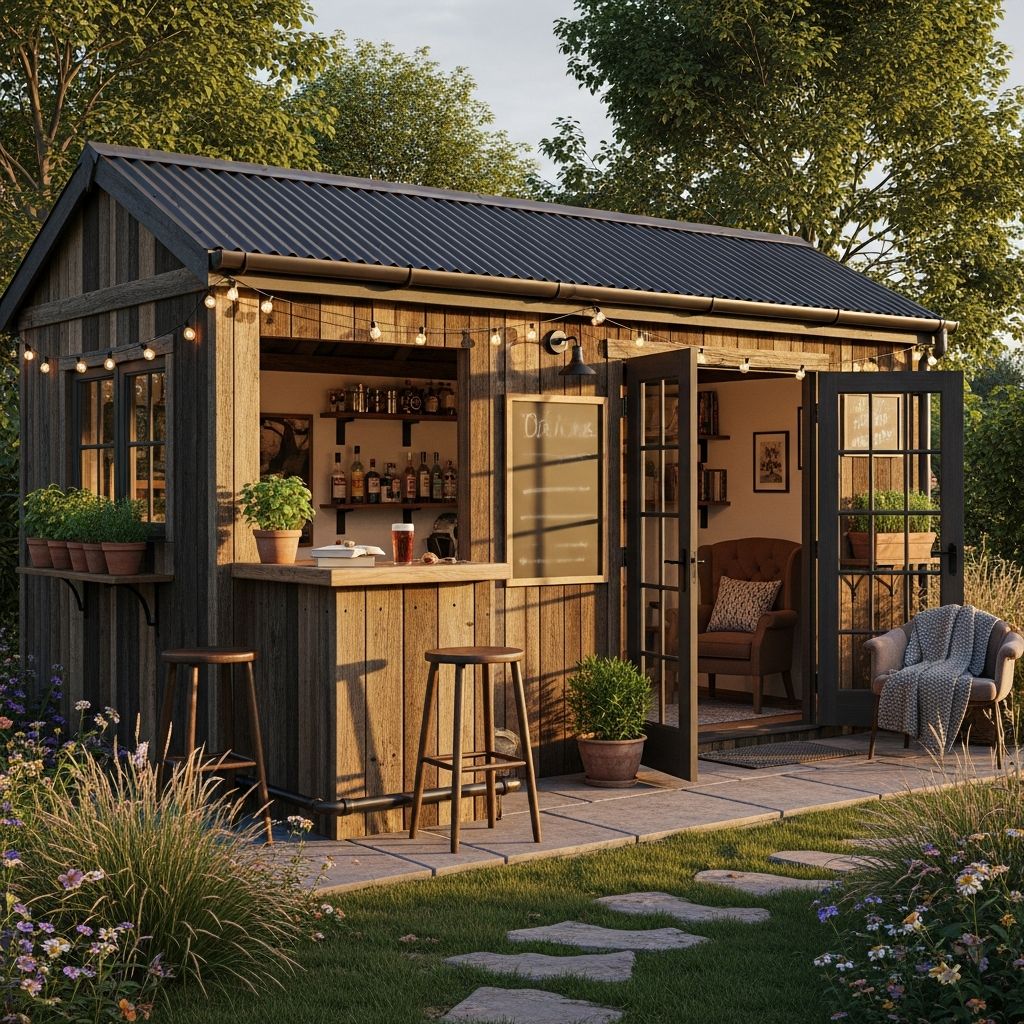
Designing a Backyard Pub Shed That Works Double Duty
A backyard pub shed blends the charm of a neighborhood bar with the practicality of a garden shed, giving you a place to relax, entertain, and store your gear in one compact structure. This guide walks through how to plan, build, and outfit a shed that serves drinks at night and keeps tools tidy by day, using an original layout, features, and ideas that respect intellectual property and copyright while providing fresh inspiration.
Why Choose a Pub Shed Instead of a Standard Shed?
A standard shed hides clutter, but a pub shed turns the same square footage into a social destination with chairs, lighting, and a bar counter. By thinking of the building as an all-weather lounge rather than a box for storage, every wall and corner is designed with purpose.
- Entertaining value: A pub shed creates a dedicated space for friends, family gatherings, and quiet evenings with a drink.
- Efficient storage: Smart shelving and hidden compartments keep tools, outdoor cushions, and seasonal gear organized.
- Property appeal: A thoughtfully designed structure can visually upgrade a plain yard and make outdoor areas feel more complete.
Planning the Layout: Bar Zone vs. Work Zone
The most successful double-duty sheds clearly separate hospitality from storage, even if they share the same footprint. Think of the shed in two zones: an “invite” zone near the bar opening and an “organize” zone along the back and side walls.
Key layout principles
- Place the bar opening and counter on the side of the shed that faces your main patio or seating area.
- Reserve one back wall for tall shelving, hooks, and cabinets that can be closed when entertaining.
- Keep the floor open in the center to move easily between bar service and tool access.
Sample floor plan ideas
Below is a simple conceptual table to help visualize how space can be divided inside a medium-sized shed. Adjust the dimensions to match your own structure while keeping the dual-purpose idea in mind.
| Area | Approx. Width | Primary Function | Key Features |
|---|---|---|---|
| Front Bar Wall | 50–60% of front width | Serving & socializing | Flip-up window, bar counter, stools |
| Storage Wall | Full back wall | Tools & equipment | Shelving, pegboard, tall cabinet |
| Side Wall A | Full depth | Support storage / decor | Upper shelves, bottle rack, artwork |
| Side Wall B | Full depth | Access & secondary use | Door, fold-down table, hooks |
| Center Floor | Circulation zone | Movement & flex space | Space for bar carts or storage bins |
Choosing or Building the Structure
You can either modify an existing shed or construct a new one from scratch, but the structure must be solid enough to handle people leaning on the bar, doors swinging open, and shelving filled with equipment. Invest time in the foundation and frame; decoration can always be added later.
- Size considerations: For a comfortable bar area plus storage, aim for at least 8×10 feet, larger if you plan to host groups regularly.
- Foundation options: Concrete slabs provide the most stable base, while pavers or deck blocks offer a simpler, more flexible solution.
- Framing basics: Standard stud construction with moisture-resistant sheathing keeps the interior sturdy and easier to insulate or finish.
Creating the Bar Opening and Counter
The defining element of a pub shed is the serving window and bar counter. This feature invites guests to gather outside while leaving the interior clear for storage and prep, and it also allows the structure to remain closed and secure when not in use.
Steps to plan your opening
- Choose the wall: Select the side that connects visually to your deck, patio, or main seating area.
- Check the framing: Ensure there are studs to frame around the opening; you may need to add headers and supports.
- Define the dimensions: A counter height of about 40–42 inches with a window roughly 18–24 inches taller feels natural for standing guests.
Countertop and door ideas
- Counter materials: Use durable boards, butcher block, or a live-edge slab sealed for outdoor use.
- Flip-up awning: A hinged panel above the opening can act as both a shutter and a small awning when propped open.
- Fold-down counter: Add a narrow, drop-leaf counter outside for extra surface that tucks away when not needed.
Balancing Storage and Style Inside
To keep the shed truly multi-purpose, storage must be well organized and visually calm. Plan enclosed compartments for less attractive items, and reserve visible shelves for barware and decor that enhance the atmosphere.
Smart storage strategies
- Use the vertical space: Tall shelves, overhead racks, and pegboards free up the floor.
- Hide the clutter: Enclose lawn tools, paint, and hardware in cabinets or storage chests with doors.
- Label everything: Clear labels make it easy to find tools in daylight and glassware at night.
Blending storage with bar features
Pair each functional element with a bar-friendly counterpart. For example, mount sturdy hooks for extension cords beside a narrow shelf for bottles, or place a toolbox beneath a counter that doubles as a drink-mixing station. This approach keeps the space working hard without feeling like a workshop when guests arrive.
Finishes, Lighting, and Weather Protection
Interior and exterior finishes influence both comfort and durability. Select surfaces that stand up to moisture and are easy to clean after a busy evening of entertaining or a muddy gardening session.
- Wall finishes: Painted plywood, tongue-and-groove boards, or simple drywall (in dry climates) create a more polished interior than bare studs.
- Floor options: Sealed plywood, vinyl plank, or outdoor-rated tiles resist spills and dirt.
- Exterior cladding: Siding, treated boards, or shingles matched to your house tie the shed into the overall property.
Lighting design
Good lighting turns the shed into a welcoming retreat after dark. Combine task, ambient, and accent lighting to support both bar service and everyday storage use.
- Task lighting: Under-shelf strips or small spotlights above the counter make pouring drinks and reading labels easy.
- Ambient lighting: A central ceiling fixture or string lights set the mood and safely illuminate the floor.
- Accent lighting: LED strips behind a bottle shelf or under the bar lip add subtle drama without overwhelming the space.
Power, Climate, and Safety Considerations
Running power and, if needed, limited climate control allows your shed to stay comfortable and functional longer through the year. Always follow local codes and consult qualified professionals for electrical and structural work to respect safety and legal requirements.
- Electrical: A dedicated outdoor-rated circuit with outlets for a mini-fridge, small heater, and lights is usually sufficient.
- Ventilation: Vents or small opening windows help prevent condensation and keep the interior fresh.
- Fire safety: Keep a small fire extinguisher inside and avoid overloading outlets with multiple appliances.
Decorating Your Pub Theme
Once the structure is in place, decorating gives the pub shed personality. Choose a theme that reflects your interests and guides decisions on colors, furniture, and accessories.
Theme concepts to consider
- Sports corner: Team colors, memorabilia, and a small wall-mounted screen.
- Cozy tavern: Warm wood tones, dimmable lighting, and vintage-style bar signs.
- Modern minimalist: Clean lines, neutral colors, and sleek metal stools.
Comfort and seating
Comfortable seating encourages guests to linger. Combine stools at the bar window with a bench or small chairs inside so the shed can function as a quiet reading nook or workspace when not hosting gatherings.
- Use outdoor-rated cushions and fabrics to handle humidity and occasional splashes.
- Choose furniture that is easy to move so the layout can shift between storage tasks and social events.
Seasonal Use and Maintenance
A well-maintained shed lasts longer and stays pleasant to use in all seasons. Build regular checkups into your yearly routine to avoid surprises during your next gathering.
- Spring: Inspect the roof, touch up paint, and clear out winter debris.
- Summer: Check door and window hardware, lubricate hinges, and deep-clean bar surfaces.
- Autumn: Store outdoor cushions, protect exposed wood with fresh sealant, and organize tools.
- Winter: If you freeze drinks or use heaters, monitor cords and appliances carefully.
Sample Build Sequence for a Double-Duty Pub Shed
Every project is unique, but following a logical order helps keep the build efficient and reduces rework. The steps below are a general framework you can adapt to your skill level and local conditions.
- Confirm any permits and local regulations that may apply to small accessory buildings.
- Prepare and level the chosen site, then install your foundation or base.
- Construct or assemble the shed shell, including walls, roof, and doors.
- Frame and cut the bar opening, then add structural reinforcement as needed.
- Install the bar window or shutter, and attach the exterior and interior bar counters.
- Add interior finishes, shelving, cabinets, and storage systems.
- Bring in electrical service and lighting, using qualified help as required.
- Seal and paint or stain all exposed wood surfaces and trim.
- Furnish and decorate according to your chosen theme.
- Stock the bar and organize tools, then invite a few friends to test out the new space.
Frequently Asked Questions
How big should a pub shed be?
For a shed that functions as both a bar and storage space, many homeowners find that something in the 8×10 to 10×12 foot range offers a comfortable compromise between capacity and cost. Smaller structures can still work, but the bar area and storage may feel cramped if several people are inside at once.
Can a regular shed be converted into a pub shed?
Yes, most sound, weather-tight sheds can be converted by adding a bar opening, upgrading lighting, and reorganizing storage. Before cutting into walls, verify that the framing will support a new opening and reinforce with proper headers and studs to maintain structural integrity.
Do I need a permit for a backyard pub shed?
Permit requirements vary widely by location and often depend on the shed’s size, distance from property lines, and whether utilities are installed. Contact your local building department to confirm rules, set-backs, and electrical guidelines before starting construction.
How can I keep the pub shed comfortable year-round?
Simple weatherproofing measures go a long way: seal gaps, insulate key walls or the roof, and use portable heaters or fans as needed. Window coverings, rugs, and draft stoppers also help maintain temperature while adding visual warmth.
What if I want the shed to stay family-friendly?
A pub shed does not have to focus solely on alcohol; it can easily double as a coffee bar, juice station, or game room. Emphasize snacks, non-alcoholic drinks, and board games while still using the bar counter and seating as a central gathering point.
With thoughtful planning, a backyard pub shed becomes more than a novelty. It transforms underused space into a flexible retreat that stores your gear, expands your living area, and creates a welcoming place to unwind right at home.
Similar Articles








Read full bio of Sneha Tete