Backyard Shed Homes: Creative Ideas for Turning a Simple Shed into Livable Space
Transform an ordinary backyard shed into a stylish, functional living retreat
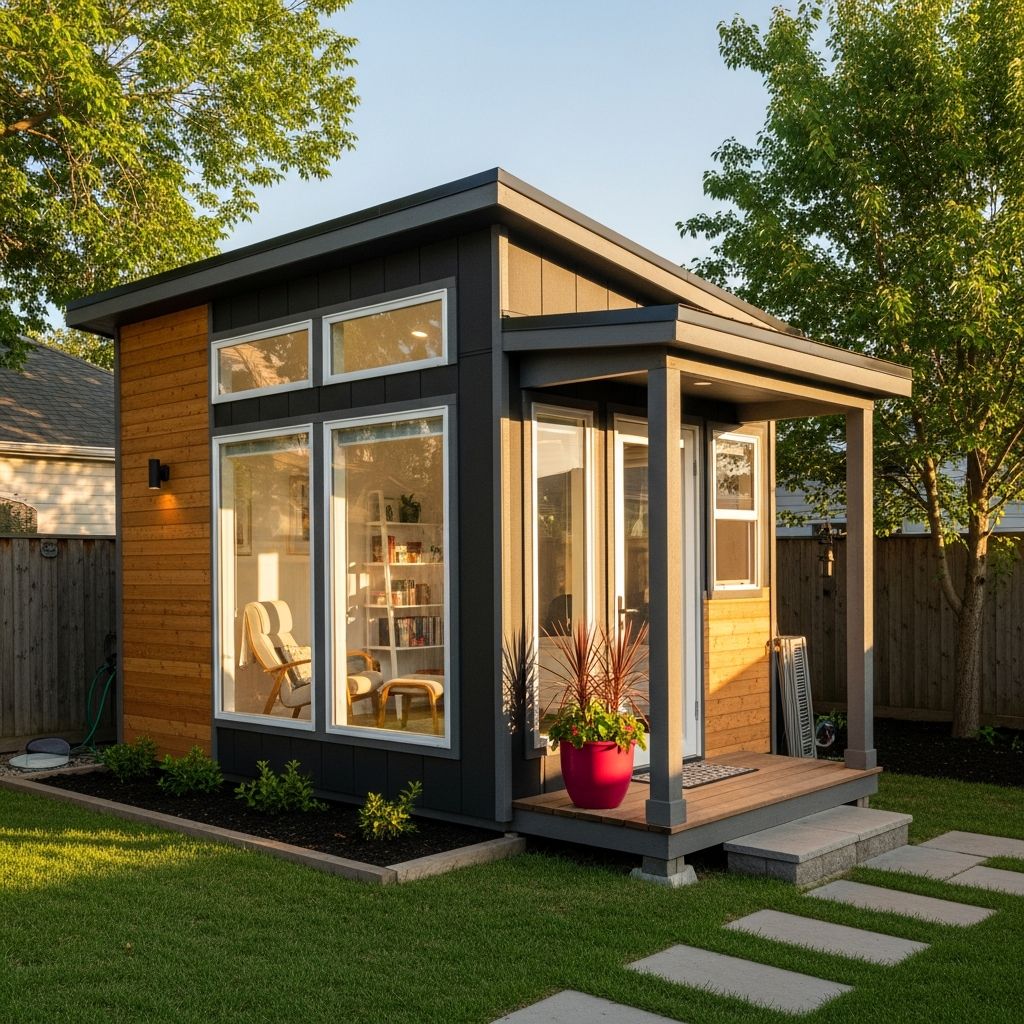
Backyard Shed Homes: Turning Simple Structures into Smart Living Spaces
Backyard sheds are no longer just for lawnmowers and holiday decorations. With thoughtful planning and smart design, a modest outbuilding can become a comfortable home office, guest suite, studio, or even a full-time tiny house. This article explores creative, practical ways to transform a shed into a livable space that fits your lifestyle, your property, and your budget.
Why Shed Homes Are So Popular
A shed home offers an affordable way to add square footage without a full-scale home addition. For many homeowners, it solves the need for privacy, focused work, or flexible guest space while taking advantage of underused backyard real estate.
- They typically cost far less than building a new wing or moving to a larger home.
- They can often be customized over time, starting basic and gaining features as your needs grow.
- They provide a buffer between home and work or guests, while still being close to main utilities and amenities.
Step One: Define Your Shed’s Main Purpose
Before thinking about finishes or furniture, decide exactly how the space should function. A shed designed for quiet work will look different from one meant for movie nights or overnight guests.
Common Shed Home Uses
- Home office: A dedicated workspace with good lighting, storage for supplies, and strong internet access.
- Guest cottage: A cozy retreat with basic sleeping accommodations and perhaps a compact bathroom.
- Art or hobby studio: Durable surfaces, open floor area, and excellent natural light.
- Exercise or wellness room: Space for mats, small equipment, and calm, uncluttered surroundings.
- Tiny house: A fully equipped mini dwelling with kitchen, bathroom, and sleeping loft or nook.
Planning and Permits: Start on Solid Ground
Local regulations will strongly influence what you can build or convert. Before investing in materials, check zoning rules, property setbacks, and building codes for accessory structures and secondary dwellings.
- Confirm whether your shed can legally be used as living space or must remain an accessory structure.
- Ask about requirements for insulation, foundation type, electrical runs, plumbing, and emergency egress (windows or doors).
- Clarify if your project counts as an accessory dwelling unit (ADU), which may allow rental use but comes with extra rules.
Choosing the Right Shed Structure
You can either convert an existing shed or start with a new structure designed for future upgrades. The right starting point saves time and money. Consider the following when selecting or evaluating a shed shell.
| Factor | What to Look For |
|---|---|
| Size | Enough floor area for your intended use, plus circulation space and storage. |
| Height | A ceiling tall enough for comfort, possible loft, and proper insulation. |
| Structure | Sturdy framing, level floor, and a roof style that sheds water effectively. |
| Openings | Options for adding or enlarging windows and doors for light and ventilation. |
| Location | Reasonable distance to utilities, privacy from neighbors, and good drainage. |
Layout Strategies for Small Shed Homes
Space is limited, so every inch must work. A good layout balances circulation, storage, and comfort. Sketch the interior on graph paper or in design software before committing to wall locations or built-ins.
- Place the primary function (desk, bed, easel, or sofa) where it benefits most from natural light and views.
- Keep high-traffic paths at least the width of a standard interior doorway to avoid a cramped feel.
- Use a single open room when possible instead of dividing with full-height walls that shrink the space.
- Reserve one wall for tall, floor-to-ceiling storage units to keep clutter contained.
Sample Shed Layout Concepts
- Office-focused layout: Door near one corner, desk opposite with windows beside and above, shelving along a side wall, small lounge chair in a rear corner.
- Guest retreat layout: Bed pushed against a long wall, compact wardrobe at the foot, small bistro table and two chairs by a window, hooks and shelves above eye level.
- Tiny house layout: Kitchenette along one wall, bathroom pod at one end, sleeper sofa or Murphy bed opposite, and a partial loft for storage or sleeping.
Making It Livable: Insulation, Heating, and Cooling
Comfort depends on a well-insulated shell with controlled airflow. Treat the shed more like a small house than a storage box. Skimping on these basics usually costs more over time.
- Add insulation to floor, walls, and ceiling appropriate for your climate, and seal gaps around windows, doors, and penetrations.
- Include a vapor barrier where required to prevent condensation and moisture damage.
- Consider compact heating and cooling solutions such as a small electric heater, mini-split heat pump, or through-the-wall unit sized for the room.
Light and Windows: The Secret to a Spacious Feel
Light can turn a boxy shed into an inviting studio. A mix of natural and artificial lighting layers makes a big difference, especially for work or creative uses.
- Position at least one larger window or glass door facing a pleasant view or open area of the yard.
- Use transom or clerestory windows higher on the walls for privacy while still admitting daylight.
- Combine overhead fixtures with task lighting and warm accent lamps to avoid harsh, single-source light.
Smart Storage and Built-Ins
Storage is often the deciding factor between a shed that looks tidy and one that feels overrun. Built-ins tailored to the space maximize function without dominating the room.
- Install wall-to-wall shelves above head height for items used less often.
- Choose furniture with hidden storage, such as benches with lift-up tops or ottomans with interior compartments.
- Use narrow, tall cabinets near doors to store coats, bags, tools, or office supplies vertically.
- Reserve one area for open hooks and pegboards for frequently used gear or craft tools.
Furniture That Works Hard
Every major piece should earn its place by serving more than one job or by occupying minimal visual and physical space. Select adaptable items that can shift with your needs.
- Opt for a sleeper sofa or daybed instead of a standard bed in a mixed-use room.
- Choose drop-leaf or wall-mounted folding tables that can expand for projects and tuck away afterward.
- Use lightweight, stackable chairs that easily move outdoors when entertaining spills into the yard.
- Consider a rolling cart as a mobile workstation, bar, or art supply station depending on the moment.
Bringing in Utilities Safely
Electricity, heating, cooling, and possibly plumbing make the difference between a glorified storage shed and a true living space. Work with licensed professionals to ensure that all systems are safe, reliable, and code compliant.
- Run a dedicated electrical circuit from the main panel for outlets, lighting, and climate control.
- Place outlets strategically along every wall to avoid tangled extension cords and to support flexible furniture layouts.
- If adding plumbing, plan for drain lines, venting, and winterization if you live in a freezing climate.
Interior Style: Simple, Cozy, and Cohesive
A consistent palette and restrained decor help a small shed home feel larger and more polished. Instead of cramming in every favorite color and pattern, choose a theme and stick with it.
- Use light wall colors to reflect more light, then bring in warmth with wood accents, textiles, and plants.
- Limit the number of patterns; rely on texture (woven baskets, knits, wood grain) to add visual interest.
- Hang just a few pieces of art or photos at eye level rather than filling every inch of wall space.
Exterior Design and Landscaping
The outside of your shed home can look as intentional as the interior. A few thoughtful touches help it blend with the main house and make the structure feel like part of a small backyard campus.
- Match or complement the main house with similar siding colors, roof material, or trim details.
- Add a small porch, deck, or paved pad to mark the entrance and provide a transition zone.
- Use simple plantings and low lighting along the path to create a safe, welcoming approach.
Budget-Friendly Ways to Upgrade a Shed
Not every shed conversion needs a full rebuild. Start with high-impact upgrades and expand over time. Focus on improvements that boost comfort, safety, and visual appeal.
- Seal gaps, add weatherstripping, and install basic insulation panels for immediate comfort gains.
- Paint the interior and exterior to freshen the space and set the design tone.
- Update lighting with efficient LED fixtures and plug-in lamps before investing in built-in systems.
- Use modular, freestanding storage instead of permanent built-ins when funds are limited.
Common Mistakes to Avoid
Thoughtful planning reduces unpleasant surprises later. Avoid these frequent pitfalls when turning a shed into a living space.
- Overfilling the interior with furniture, which quickly makes the space feel cramped.
- Skipping permits or inspections, which can lead to fines or force future tear-outs.
- Ignoring moisture control and ventilation, which risks mold and structural damage.
- Placing the shed without considering sun, shade, and neighbors’ sightlines.
Frequently Asked Questions About Shed Houses
Can any shed be converted into a livable space?
Not every shed is a good candidate, but many can be upgraded successfully. The structure should be sound, with a stable foundation, adequate height, and framing that can support insulation, interior finishes, and additional windows or doors. If an existing shed is too small, poorly built, or badly damaged, replacing it with a new shell often makes more sense.
Do shed homes require building permits?
Most places require permits for adding electrical circuits, plumbing, or structural alterations. If you plan to sleep in the space regularly or treat it as a secondary dwelling, expect to meet stricter standards. Always check with your local building department about setbacks, size limits, and safety requirements before starting work.
How big should a shed house be?
The ideal size depends on how you intend to use it and how much space your yard and zoning rules allow. A compact office or studio can work in a footprint similar to a large storage shed, while a full tiny house typically needs more area for a bathroom, kitchen, and comfortable sleeping space. Many homeowners find that designing slightly larger than the bare minimum prevents regret later as needs grow.
Is it possible to live full-time in a converted shed?
Full-time living is possible when the structure meets residential standards for insulation, egress, heating, cooling, and utilities. You will need to add or plan for a bathroom, kitchen, and safe electrical system, and local regulations must allow permanent habitation. For many people, treating the shed as an accessory dwelling unit provides flexibility for guests, aging relatives, or rental income.
How much does it cost to convert a shed into a livable space?
Costs vary widely based on size, existing condition, location, and how fully equipped you want the final space to be. Basic upgrades such as insulation, paint, and plug-in heat can be relatively modest, while adding plumbing, high-end finishes, and full kitchen or bath fixtures raises the investment. Planning a phased approach helps spread out expenses and allows the space to evolve as your budget and needs change.
With careful planning, thoughtful design, and respect for local building rules, a simple shed can become one of the most useful and enjoyable spaces on your property. Whether you envision a quiet office, a creative studio, or a compact home, the key is to start with a clear purpose and let every decision support that goal.
Similar Articles







Read full bio of medha deb