Banishing Sticky Grease from Kitchen Cabinets: A Complete Homeowner’s Guide
Restore your kitchen cabinets from dull and sticky to clean and gleaming with safe, effective methods.
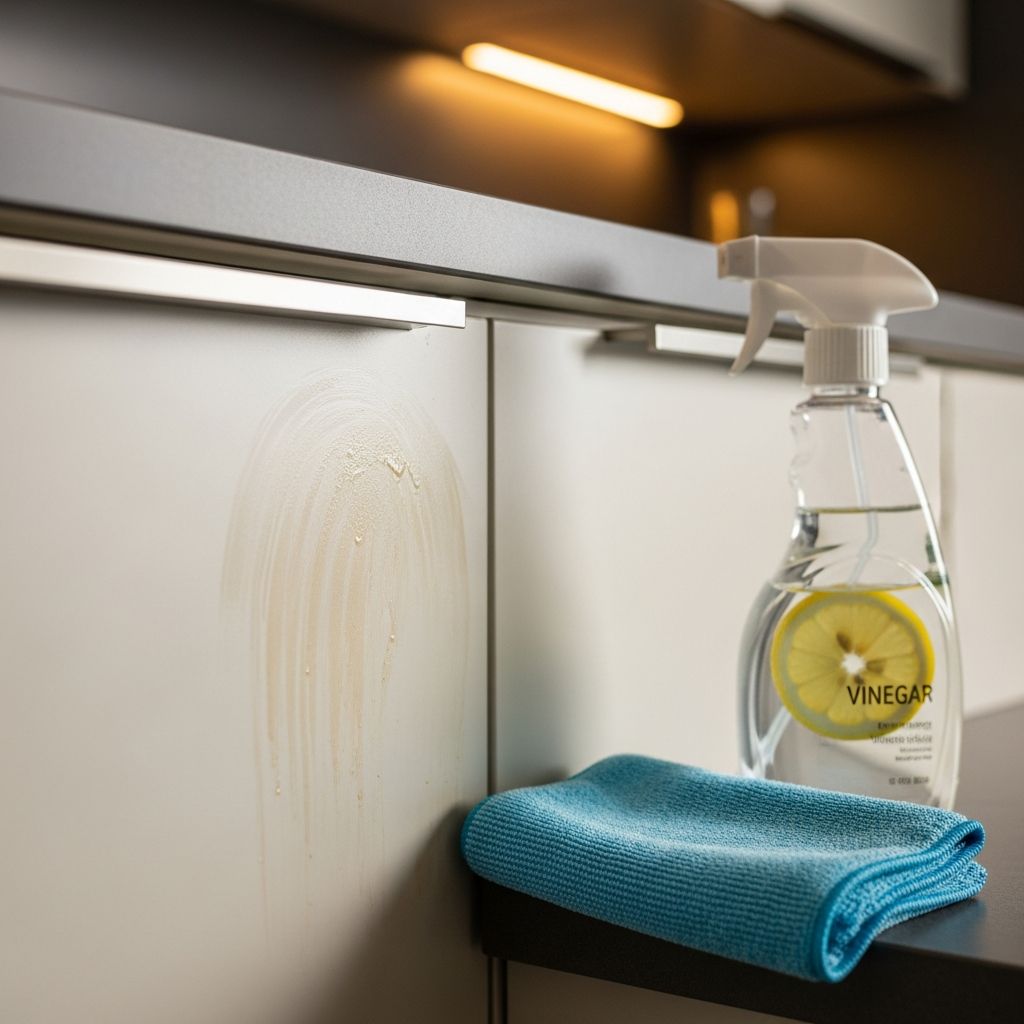
How to Get Sticky Grease Off Kitchen Cabinets Without Ruining the Finish
Greasy, sticky cabinets are one of the most frustrating cleaning challenges in the kitchen. Fumes from everyday cooking mix with dust and microscopic food particles, forming a stubborn film that clings to doors, drawer fronts and hardware. Over time, this residue attracts even more grime, dulls the finish and can eventually damage paint or wood if it is ignored.
The good news is that you can tackle sticky cabinet grease with simple supplies and a bit of strategy. The key is to match the cleaner to your cabinet material, loosen the buildup gently, and protect the finish so it looks good for years to come.
Why Cabinets Get Sticky in the First Place
Understanding the problem helps you choose the right solution. Kitchen greasiness usually doesn’t come from a single spill. Instead, it develops gradually as you cook and clean.
- Cooking vapors: Frying, sautéing and roasting release tiny droplets of oil and fat into the air. These settle on nearby surfaces, especially the cabinets around and above the stove.
- Dust and lint: Everyday dust sticks to that invisible oily layer, forming a sticky film that feels tacky when you touch it.
- Handprints and splatters: Grabbing doors with messy hands, opening cabinets while cooking, and food splashes from simmering sauces all add to the buildup.
- Incorrect cleaners: Heavy, undiluted degreasers or abrasive scouring powders can dull finishes and make surfaces slightly rough, which then traps more grease and makes them feel sticky again.
Because grease bonds with dust and dirt, you need both a mild degreaser and a little mechanical action (wiping or scrubbing) to break the bond and lift it away.
Know Your Cabinet Material Before You Start
Not all cabinets can handle the same cleaning products. Before you reach for the strongest degreaser in the house, identify what you are working with so you do not strip the finish or cause swelling.
| Cabinet Type | Typical Finish | Best Cleaner Style | Products to Avoid |
|---|---|---|---|
| Solid wood or wood veneer | Stain with clear lacquer, varnish or polyurethane | Mild dish soap solution, gentle pH-neutral cleaner, occasional oil-soap product | Ammonia, undiluted vinegar, abrasive powders, steel wool |
| Painted cabinets | Latex or enamel paint over primer | Mild dish soap, gentle all-purpose cleaner labeled safe for painted surfaces | Solvent-based degreasers, strong alkaline cleaners, magic-eraser style pads on glossy paint |
| Laminate or thermofoil | Plastic laminate over particleboard or MDF | Mild dish soap, non-abrasive kitchen cleaner, diluted degreaser if heavily soiled | Abrasive sponges, sharp scrapers, scouring creams with grit |
| Unfinished or lightly oiled wood | Oil or wax, no sealed film | Very mild soap, specialized wood soap; minimal water | Anything that soaks wood or contains harsh chemicals |
If you are not sure what kind of finish you have, test your cleaner on an inconspicuous spot—such as the inside edge of a door—to make sure it does not dull the sheen or lift color.
Essential Tools and Supplies
A thoughtful set of tools makes cabinet cleaning much easier and faster. Gather everything before you start so you do not drip cleaner across the kitchen while hunting for a cloth.
- Soft microfiber cloths or cotton rags for wiping and buffing.
- A small bucket or bowl for mixing cleaning solution.
- Soft-bristle detail brushes (an old toothbrush works well) for ridges, corners and carved profiles.
- A non-scratch scrub sponge for heavy buildup on durable finishes.
- Mild dishwashing liquid to cut everyday grease.
- An appropriate cabinet-safe degreasing cleaner for stubborn areas.
- Optional: wood polish or conditioning oil if recommended for your specific cabinets.
Separate cloths for washing, rinsing and drying will help you avoid streaks and keep greasy residue from spreading back over clean areas.
Step-by-Step: Daily and Light Cleaning
For cabinets that are only slightly tacky or have a light film of grease, a simple routine with mild soap is usually all you need. This approach is safe for most materials and ideal for regular upkeep.
1. Remove Surface Dust First
Start by knocking off loose dust so it does not turn into muddy streaks once you add moisture. Use a dry microfiber cloth, duster or vacuum with a brush attachment to gently go over all doors, drawer fronts and exposed cabinet sides.
Pay extra attention to the top edges of doors, decorative trim and any lips or ledges above the range, where greasy dust collects quickly.
2. Mix a Mild Grease-Cutting Solution
Fill a small bucket or bowl with warm—not hot—water. Add a few drops of dishwashing liquid and swirl gently. You want a light, soapy solution rather than thick foam. Too much soap will be hard to rinse away and may leave a tacky film of its own.
If your cabinets are wood, keep the water only slightly warm and avoid long exposure to moisture; the goal is to damp-clean, not soak.
3. Wipe from Top to Bottom
Dip a microfiber cloth into the soapy water, wring it out thoroughly so it is just damp, and start wiping the uppermost cabinets first. Working top to bottom prevents dirty water from dripping onto finished areas.
- Wipe in the direction of the wood grain where visible to reduce micro-scratches.
- Use light pressure at first; increase only where you see visible grime.
- Re-wet and wring your cloth frequently so you are not smearing grease around.
On flat doors, make overlapping passes. For raised-panel styles, follow the contours of the design so you reach the grooves and profiles.
4. Rinse and Dry Thoroughly
After wiping a section with soapy water, immediately follow with a second cloth dampened with clean water to remove any residue. Leaving soap on the surface can make it feel sticky again once it dries.
Finish by drying with a soft, dry cloth. This step is crucial on wood and painted surfaces because excess moisture can lead to warping, swelling at seams or cloudy spots in the finish.
Deep Cleaning Heavily Greased Cabinets
If your cabinets feel thick, tacky, or visibly yellowed near the stove, a deeper cleaning session is in order. This does not have to be aggressive; instead, use a slightly stronger product, longer contact time, and focused scrubbing on problem spots.
1. Tackle the Hardware and Handles
Knobs and pulls collect oil from hands plus airborne grease. If possible, remove them with a screwdriver and soak them in a small bowl of warm, soapy water for 10–15 minutes.
- Scrub around threads, grooves and backs with a soft brush.
- Rinse thoroughly and dry before re-attaching to prevent drips on the door.
- For fixed handles, use a toothbrush dipped in your cleaning solution to scrub around bases and crevices.
Cleaning hardware separately prevents dirty drips and lets you reach the full surface of the cabinet doors.
2. Pre-Soften Thick Grease
Instead of scrubbing until your arms are sore, let the cleaner do the heavy lifting. Choose a cabinet-safe degreaser or a slightly stronger mix of dish soap and warm water. Lightly spray or apply it with a damp cloth to the greasiest zones, such as the doors nearest the cooktop and the underside of cabinets above the range.
Allow the solution to sit for a few minutes, but do not let it dry on the surface. The dwell time helps dissolve the greasy layer so it wipes away more easily.
3. Use Gentle Scrubbing Tools
For ridges, corners and carved details, switch to a soft-bristle brush or non-scratch scrub pad. Work slowly and check your progress frequently rather than attacking the same spot repeatedly with heavy pressure.
- On wood and paint, test any scrub pad in a discreet area first.
- Use small circular motions in tight spots, then wipe with your damp cloth to remove loosened grime.
- On laminate, you can usually apply slightly more pressure, but still avoid abrasive pads that can dull the sheen.
Repeat the pre-treat and scrub cycle on very stubborn spots rather than escalating immediately to harsh chemicals.
4. Rinse, Dry and Inspect
Once the grease is gone, go back with a clean, damp cloth to remove any remaining cleaner. Follow with a dry towel to eliminate moisture and buff the surface lightly to restore luster.
Stand back and inspect in natural light if possible. Grease often hides along door edges, around hinges and under trim. Touch up any missed areas with your mild solution instead of another full-strength application of degreaser.
Special Care for Different Finishes
Each cabinet finish responds differently to moisture and cleaners. Fine-tuning your approach will help you avoid cloudy patches, peeling or lifted wood grain.
Wood Cabinets
Wood is porous under its protective film, so excess water can seep into joints and edges. Keep cloths only slightly damp and dry quickly. After a thorough degreasing, some homeowners like to apply a small amount of wood conditioner or polish formulated for cabinets to refresh the sheen.
Avoid silicone-heavy polishes that can create a slippery build-up. Use conditioning products sparingly—think once or twice a year, not after every cleaning session.
Painted Cabinets
Paint forms a continuous film over the wood or MDF beneath, but vigorous scrubbing can burnish or thin that film over time. Use gentle pressure and soft cloths only. For scuffs that do not respond to soap, test a melamine foam pad very lightly in a hidden area and avoid glossy or delicate paint finishes.
If you notice areas where grease has permanently stained or dulled the paint, spot-priming and touch-up painting may be the only way to fully restore the look.
Laminate and Thermofoil
Laminate surfaces are more resistant to water and common cleaners, but the edges and seams can still swell if they get soaked. Never direct a strong spray of water at door edges, and dry around handles and hinges thoroughly.
Because laminate is plastic, heavy abrasives can leave permanent haze or scratches. Stick with non-scratch pads and smooth cloths, even when tackling stubborn grease.
Preventing Grease Buildup in the Future
Once your cabinets are finally clean, a few small habits will keep them from becoming sticky again. Prevention is far easier than another deep-clean.
- Use your range hood: Turn it on before you start cooking and let it run for several minutes afterward to pull airborne grease outside or through filters.
- Wipe near the stove weekly: Quickly clean doors and drawer fronts closest to the cooktop with a damp cloth and a drop of dish soap.
- Handle with clean hands: Encourage family members to wash or wipe hands before rummaging through cabinets while cooking.
- Schedule seasonal deep cleans: Plan a focused cabinet cleaning session at least once or twice a year, more often if you fry foods frequently.
- Check filters and vents: Replace or wash range hood filters regularly so they continue to capture grease instead of recirculating it.
Building these small routines into your weekly and seasonal cleaning keeps cabinets looking fresh and reduces the amount of heavy scrubbing needed later.
Frequently Asked Questions
Can I use straight vinegar to cut cabinet grease?
White vinegar is naturally acidic and can help with light grease on some hard surfaces, but used full-strength it may dull wood finishes and certain paints over time. If you prefer a vinegar-based cleaner, dilute it heavily with water and always test in an out-of-the-way spot first. When in doubt, a mild dish-soap solution is safer for most cabinet materials.
Is a heavy-duty commercial degreaser safe for wood?
Many strong degreasers are formulated for metal range hoods or garage workbenches, not delicate residential wood finishes. They can strip or cloud clear coats and leave uneven patches. Read the label carefully and only use products specifically described as safe for finished wood cabinets. Even then, apply them sparingly and rinse well.
What should I do about yellowed cabinets near the stove?
Yellowing can come from a combination of grease buildup, smoke, and aging of the finish itself. Sometimes a thorough cleaning removes the discoloration, but if the clear coat or paint has darkened with time, no cleaner will restore the original color. In that case, refinishing or repainting those doors may be necessary.
Are magic-eraser style sponges okay for cabinet grease?
Melamine foam is very mildly abrasive, which is why it erases marks so effectively. Used gently, it can help on durable, semi-gloss painted cabinets or laminate. However, on softer finishes, high-gloss paint, or delicate wood coatings, it may leave dull spots. Always test in an unseen area first and use a light touch.
How often should I deep-clean my cabinets?
For an average household that cooks several times a week, deep-cleaning cabinet exteriors once or twice a year is usually enough, with quick wipe-downs near the stove every week or two. If you cook with a lot of oil or do frequent frying, you may want to schedule seasonal deep-cleans more often to prevent heavy buildup.
Bringing Your Cabinets Back to Life
Sticky grease on kitchen cabinets develops slowly, so it is easy to ignore until doors feel tacky and look dull. With the right tools, cleaner and methodical approach, you can remove the buildup without damaging the finish and restore the warm, clean look of your kitchen.
Once the cabinets are refreshed, protect your work by ventilating well when you cook, wiping high-grease areas regularly and treating your cabinets as the long-term investment they are. A few minutes of preventive care each week will keep them looking bright and inviting for many meals to come.
Similar Articles






Read full bio of Sneha Tete