Best Basement Furniture Ideas for Every Space
Transform your basement with stylish, functional furniture designed for comfort and durability.
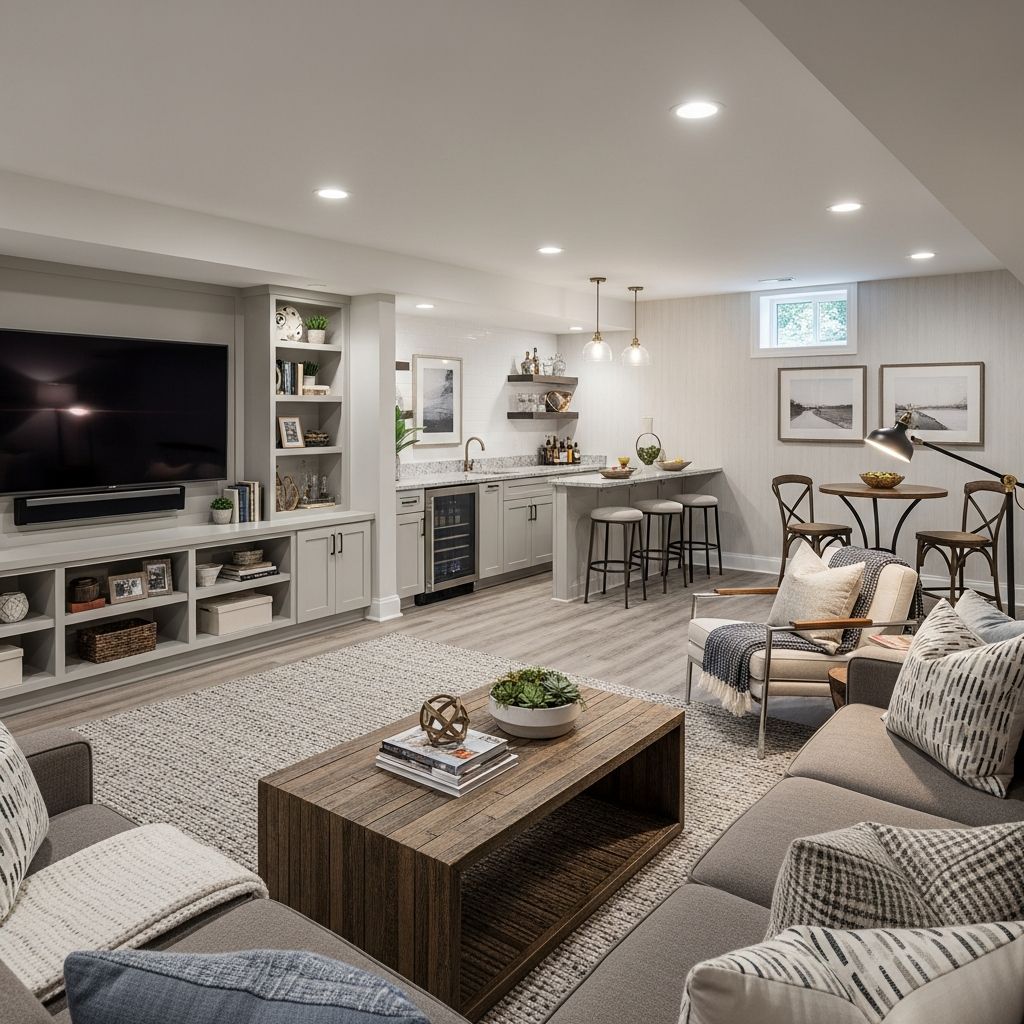
Your basement offers tremendous potential as an extension of your living space, whether you’re planning a recreation room, home office, or guest bedroom. However, choosing the right furniture for this unique environment requires careful consideration. Basements present distinct challenges—from humidity and moisture to temperature fluctuations and limited natural light—that demand furniture specifically suited to these conditions. Understanding which pieces work best and how to protect them ensures your basement investment pays dividends for years to come.
Understanding Basement Environment Challenges
Before selecting furniture, it’s essential to understand what makes basements different from above-ground rooms. Basements naturally experience higher humidity levels due to their below-grade location, groundwater proximity, and limited air circulation. This moisture can warp wood, promote mold growth, and degrade upholstery if furniture isn’t properly chosen and maintained.
Temperature fluctuations also affect basement furniture. Unlike living rooms that maintain consistent climates, basements often experience cooler temperatures and seasonal variations. Selecting furniture materials that can withstand these changes prevents cracking, warping, and structural damage. Additionally, basements typically receive minimal natural light, which influences both functionality and the types of finishes that resist fading and deterioration.
Storage Furniture Solutions
Storage is often the primary concern for basement furniture planning. These below-grade spaces frequently serve as catchalls for seasonal items, holiday decorations, and household overflow. Strategic storage furniture not only organizes these items but also protects them from moisture and temperature damage.
Shelving Systems
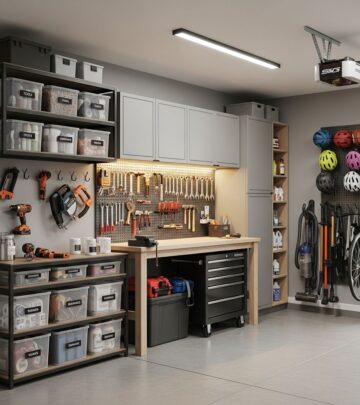
Modular shelving units provide flexible, space-efficient storage options. Metal shelving systems resist rust and moisture better than traditional wood shelves, making them ideal for basements. These units can be adjusted to accommodate items of various sizes, from storage boxes to large equipment. Look for epoxy-coated metal shelves that offer superior moisture resistance and durability. Arrange shelves along walls to maximize vertical space while keeping the floor clear for movement and additional activities.
Storage Cabinets
Closed storage cabinets protect items from dust, humidity, and temperature fluctuations more effectively than open shelving. Sealed plastic storage cabinets resist moisture infiltration and won’t harbor mold like wooden alternatives. These cabinets work particularly well for storing seasonal clothing, important documents, and valuable items. Consider weather-resistant resin or composite cabinets specifically designed for humid environments.
Plastic Storage Containers
Stackable plastic bins and containers serve as excellent basement storage solutions. Clear containers allow easy identification of contents without opening each box, while opaque options provide better protection for light-sensitive items. Ensure containers feature tight-sealing lids to prevent moisture intrusion and pest access. Label containers clearly and create an inventory system for convenient retrieval.
Seating and Comfort Furniture
If your basement includes recreational or relaxation areas, selecting appropriate seating ensures comfort and longevity. Moisture-resistant upholstery and durable frames are non-negotiable for basement seating furniture.
Sectional Sofas and Couches
Modern sectional sofas designed with performance fabrics offer excellent basement seating options. These high-tech upholstery materials resist stains, moisture, and mildew while maintaining softness and comfort. Look for deep-seated designs that create cozy gathering spaces. Modular sectionals allow customization to fit your basement layout, whether your space is large and open or has challenging architectural features like supporting posts or foundation walls.
Recliners
Comfortable recliners make basement media rooms and recreational areas inviting. Power recliners with moisture-resistant leather or performance fabric provide individualized comfort. These pieces often feature built-in storage compartments for remotes, magazines, and other entertainment items, maximizing functionality in already-tight basement spaces. Choose recliners with elevated feet to protect upholstery from potential floor moisture.
Gaming and Entertainment Seating
Dedicated gaming chairs and console seating have become increasingly popular for basement entertainment spaces. These ergonomic pieces support extended sitting sessions and often feature washable, moisture-resistant covers. Floor cushions and bean bag chairs provide flexible, casual seating for gaming or movie viewing, though ensure they use moisture-resistant covers and maintain proper ventilation around them to prevent mildew development.
Tables and Work Surfaces
Tables serve multiple purposes in basement spaces, from dining and games to work surfaces and display tables. Material selection is critical for basement durability.
Dining Tables
If your basement includes a dining or eating area, choose tables with moisture-resistant surfaces. Glass-topped tables with metal or sealed wood bases offer modern aesthetics while resisting humidity damage. Alternatively, waterproof laminate surfaces provide practical, easy-to-clean surfaces that withstand spills and humidity without warping.
Work Desks
For basement home offices or hobby spaces, select desks with sealed finishes and moisture-resistant materials. Metal framed desks with waterproof tops or desks crafted from water-resistant engineered wood prevent damage from humidity and potential spills. Ensure your chosen desk includes adequate storage and cable management for any electronic equipment.
Game and Activity Tables
Pool tables, ping pong tables, and other game furniture need moisture-resistant surfaces to maintain playability. Professional-grade tables often feature waterproof playing surfaces and treated wood frames designed for recreational spaces. These investment pieces should be placed on properly leveled, dry basement floors away from foundation walls where moisture typically accumulates.
Entertainment and Media Furniture
Basement recreation rooms often center on entertainment. Choosing furniture that supports media systems while protecting equipment from moisture is essential.
Television Stands and Credenzas
Media stands must support televisions securely while providing ventilation to prevent equipment overheating. Look for stands with moisture-resistant finishes and avoid enclosing electronics completely in cabinets. Ensure sufficient clearance around audiovisual equipment for proper airflow. Wall-mounted television brackets free up floor space and reduce moisture exposure from basement floors.
Media Storage
Closed media cabinets protect DVDs, gaming systems, and other entertainment equipment from dust and humidity. Climate-controlled media storage helps preserve older collection items and sensitive electronics. Ensure cabinets include ventilation holes to prevent heat buildup and stagnant, moisture-laden air that promotes mold growth.
Beverage Coolers and Bars
Basement wet bars and beverage stations have become increasingly popular. Built-in cabinets, bar stools, and counter surfaces should feature sealed finishes and moisture-resistant materials. Under-counter coolers and mini-fridges keep beverages accessible while grouping entertainment equipment in one functional zone.
Bedroom Furniture for Basement Guest Rooms
Finished basements frequently serve as guest bedrooms or secondary sleeping spaces. Bedroom furniture must provide comfort while withstanding basement conditions.
Beds and Mattresses
Select beds with moisture-resistant frames and platform styles that elevate mattresses above potential floor moisture. Metal bed frames resist rust better than wood, though high-quality treated wood frames work well with proper protective finishes. Invest in quality mattresses rated for use in variable-humidity environments. Never place mattresses directly on basement floors; always use elevated bed frames with sufficient clearance.
Dressers and Nightstands
Choose bedroom storage furniture with sealed finishes that resist warping from humidity fluctuations. Metal furniture or high-quality treated wood with waterproof finishes provides reliability. Elevate furniture on legs rather than choosing pieces that sit directly on floors, reducing moisture exposure and allowing air circulation beneath.
Material Considerations for Basement Furniture
Optimal Materials
- Metal and Steel: Epoxy-coated or powder-coated metal resists rust and moisture, making it excellent for basement environments
- Plastic and Resin: High-quality plastic furniture resists water intrusion, mold, and mildew better than natural materials
- Glass: Non-porous glass surfaces resist moisture and won’t harbor mold or mildew
- Sealed Wood: Hardwoods with waterproof finishes can be used if properly sealed and maintained
- Performance Fabrics: Solution-dyed, moisture-resistant upholstery materials prevent mold growth and water damage
Materials to Avoid
- Untreated wood furniture, which warps and deteriorates quickly in humid environments
- Natural fabric upholstery, which absorbs moisture and promotes mold and mildew growth
- Unsealed particleboard or MDF, which absorbs water and swells when exposed to moisture
- Wicker and rattan, which absorb moisture and can develop mold
- Delicate upholstered pieces that require protection from dust and humidity
Moisture Management and Furniture Protection
Selecting appropriate furniture is only part of the solution. Proper moisture management protects your basement furniture investment.
Humidity Control
Install a dehumidifier to maintain basement humidity between 30-50%, the optimal range for preventing moisture damage to furniture and structures. Ensure proper drainage around foundation exterior walls, seal any cracks or leaks in foundation walls, and consider installing a sump pump if water infiltration occurs. Proper HVAC circulation helps distribute conditioned air throughout basement spaces.
Furniture Placement
Position furniture strategically to maximize moisture management. Keep furniture at least six inches away from foundation walls where moisture commonly accumulates. Elevate furniture on legs to allow air circulation beneath pieces and reduce direct contact with potentially damp basement floors. Avoid placing furniture directly against exterior walls without protective barriers.
Protective Measures
Use furniture pads or risers to elevate pieces off basement floors. Apply furniture polish or protective coatings periodically to sealed wood and metal surfaces. For upholstered furniture, consider protective covers that are breathable rather than plastic, allowing moisture circulation while protecting against dust and spills.
Layout and Space Planning
Effective basement furniture arrangement maximizes functionality and accessibility. Consider traffic patterns, natural light sources, and how different zones serve your intended purposes. Group entertainment furniture to create focal points, arrange storage to keep frequently-used items accessible, and ensure workspace receives adequate lighting if including office furniture. Leave clear pathways for emergency egress and utilities maintenance.
Frequently Asked Questions
Q: Can I use regular furniture in my basement?
A: Regular furniture may not withstand basement humidity and moisture. While some quality pieces with sealed finishes work adequately with proper maintenance and humidity control, furniture specifically designed for damp environments provides superior durability and longevity.
Q: What’s the best way to protect wood furniture in a basement?
A: Apply high-quality waterproof sealants to all wood surfaces, maintain humidity below 50%, elevate furniture on legs, keep pieces away from foundation walls, and perform regular maintenance with appropriate protective products designed for moisture-prone environments.
Q: Should I use plastic furniture in my basement?
A: Quality plastic and resin furniture excellent choices for basements due to their moisture resistance, durability, and low maintenance requirements. Ensure furniture is rated for indoor use and from reputable manufacturers.
Q: How often should I check for mold or mildew on furniture?
A: Inspect upholstered furniture monthly for signs of mold or mildew, especially during high-humidity seasons. Regular dehumidifier use and proper ventilation minimize mold growth significantly.
Q: What’s the ideal humidity level for a basement?
A: Maintain basement humidity between 30-50% for optimal furniture preservation, comfort, and structural integrity. Dehumidifiers help achieve and maintain this range.
Q: Can I place a bed directly on the basement floor?
A: No, never place beds or mattresses directly on basement floors. Always use elevated bed frames with adequate clearance to protect mattresses from moisture and allow proper air circulation.
References
- Basement Moisture Control and Prevention — U.S. Environmental Protection Agency (EPA). 2024. https://www.epa.gov/mold/mold-cleanup-your-home
- Indoor Air Quality: Humidity Control — American Society of Heating, Refrigerating and Air-Conditioning Engineers (ASHRAE). 2023. https://www.ashrae.org/
- Basement Finishing and Furniture Selection Guide — National Association of Homebuilders (NAHB). 2024. https://www.nahb.org/
- Water Damage Prevention in Finished Basements — Federal Emergency Management Agency (FEMA). 2023. https://www.fema.gov/disaster/mitigation
- Performance Fabric Guidelines for Residential Furniture — American Furniture Manufacturers Association. 2024. https://www.afma.org/
Similar Articles


Read full bio of Sneha Tete