Complete Guide to Installing a Bathtub Liner
Transform your bathroom with professional-grade bathtub liner installation techniques
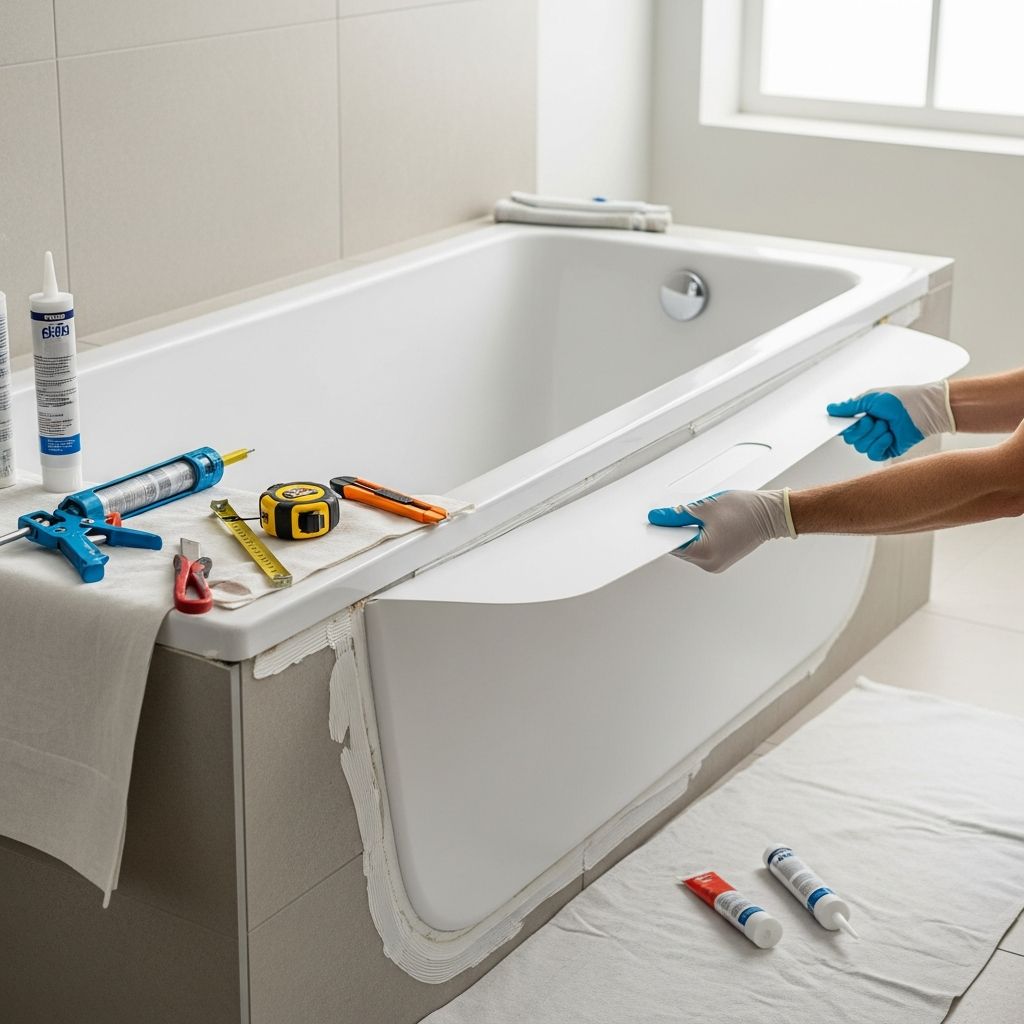
Transform Your Bathroom: A Professional Approach to Bathtub Liner Installation
Replacing or resurfacing a bathtub doesn’t always require complete demolition and renovation. A bathtub liner offers a cost-effective solution to breathe new life into an aging or damaged tub without the expense of full replacement. This method involves placing a custom-fitted acrylic or PVC cover over your existing bathtub, creating a fresh, clean surface that can last for many years. The key to success lies in understanding the proper installation methodology, which ensures the liner remains secure, waterproof, and free from common problems like floating or water infiltration beneath the surface.
Understanding Bathtub Liners and Their Advantages
A bathtub liner is a thin shell made from either acrylic or PVC material that fits snugly over your existing tub. The primary advantage of choosing a liner over complete tub replacement is the dramatic cost savings—installation typically ranges from $1,500 to $3,500 depending on your tub’s dimensions and local market conditions. Beyond affordability, liners offer several compelling benefits. They restore the appearance of worn, stained, or damaged tubs without removing the old fixture. The installation process is relatively quick, usually completed in a single day by professionals. Additionally, modern liners come in various colors, textures, and styles, allowing homeowners to customize their bathroom aesthetic while avoiding the disruption of a full renovation.
The material choice between acrylic and PVC depends on your specific needs. Acrylic liners are known for their durability and aesthetic appeal, offering superior resistance to staining and discoloration over time. PVC liners are lighter in weight and provide a more economical option, though they may require more careful handling during installation. Understanding these differences helps you select the most appropriate liner for your bathroom requirements and usage patterns.
Pre-Installation Preparation: The Foundation for Success
The distinction between a successful installation and a problematic one often comes down to thorough preparation. Many common failures—such as liners lifting, separating from walls, or allowing water to become trapped underneath—stem from inadequate preparation rather than defective materials or poor technique during the actual installation process. Preparation encompasses several critical steps that should not be rushed or overlooked.
Measuring Your Bathtub Accurately
Precise measurement is foundational to the entire installation process. An ill-fitting liner will never sit properly, regardless of how expertly you apply adhesives or sealants. Measurement is of great importance and should include multiple dimensions of your tub. Use a flexible tape measure to record the length from one end of the tub to the other, the width across the interior, and the depth from the bottom to the rim. Because many older tubs feature inconsistent dimensions due to manufacturing tolerances or settling, take measurements at multiple points along each dimension. Pay particular attention to any curves, angles, or flared walls that might affect the liner’s fit. Document the locations and dimensions of all fixtures, including drain openings, overflow holes, and any built-in soap dishes or grab bar penetrations.
Inspecting the Existing Tub Structure
Look at the old tub before installation: cracks, rust, and water damage can all lead to underlying problems. A visual inspection of your current tub is essential before proceeding with liner installation. Check for structural damage that might compromise the liner’s performance. Common issues include cracks in the tub surface, rust spots indicating corrosion, soft areas suggesting underlying water damage, and deterioration around drain fittings. Any cracks should be evaluated for depth and stability. Small surface cracks may be filled and sealed, but significant structural damage might indicate that the underlying plumbing or support requires attention before installing the liner.
If your existing tub has been previously reglazed or refinished, this surface must be chemically stripped away before proceeding. Reglazed surfaces are often slick and unstable, creating a poor bonding surface for adhesives. This removal process is not optional—skipping it will inevitably lead to liner failure.
Thorough Cleaning and Surface Preparation
Thorough cleaning of the tub with a non-abrasive cleaner is required to remove soap scum and oil. The cleanliness of your tub surface directly impacts the adhesive’s ability to bond properly. Begin by removing all removable items from the tub, including drain covers, nonslip strips, and any fixtures that can be detached. Use a wrench or screwdriver to remove any objects or hardware on your tub, like nonslip strips, drain covers, and faucets.
Next, address built-up residue on the tub surface. Get rid of any residue, including soap scum, mildew, and minerals. Start with a non-abrasive bathroom cleaner and a soft cloth or sponge. For stubborn buildup, apply a commercial tub cleaner or create a paste using baking soda and vinegar, then scrub gently with a soft-bristled brush. Pay extra attention to the corners, seams, and areas around fixtures where soap scum tends to accumulate. For heavy mineral deposits common in hard-water areas, allow a commercial cleaner to sit for several minutes before scrubbing.
After removing all visible residue and stains, rinse the entire tub thoroughly with clean water. This rinsing step is crucial—any remaining cleaner residue or soap film will interfere with adhesive bonding. Once rinsed, allow the tub to dry completely. Any moisture left will affect the liner installation. The drying process may take several hours, depending on humidity levels and ventilation. Consider running an exhaust fan or opening windows to accelerate drying. Do not proceed with adhesive application until the surface is completely dry to the touch.
The Critical Role of Primer Application
Among the most frequently overlooked yet absolutely essential steps in bathtub liner installation is the application of primer before adhesives. Butyl primer is a high-tack primer designed to enhance maximum adhesion, which you’ll need for this task. Application of butyl primer before applying the butyl tape is critical for proper bonding to occur.
Apply a bathtub liner primer to enhance adhesion. Using a paintbrush or foam roller, coat all surfaces of the tub where the liner will make contact. This includes the bottom of the tub, the sloped sides, the vertical walls up to where the liner will terminate, and around all fixture openings. The primer creates a chemical bridge between the tub surface and the adhesive, significantly increasing bonding strength compared to applying adhesive directly to the unprepared tub surface.
Follow the manufacturer’s specified drying time before proceeding to the adhesive stage. Different primer formulations have different cure requirements—some dry within 30 minutes while others may require several hours. Applying adhesive before the primer has fully dried reduces its effectiveness and compromises the entire installation.
Dry Fitting: A Critical Verification Step
Before any adhesive touches the tub surface, perform a complete dry fit of the liner. Do a dry fit of the bathtub insert before applying any adhesive to get comfortable with the installation process. Position the liner over the existing tub without any adhesive to verify that it aligns properly with all dimensions and fixture openings.
During the dry fit, carefully check that the liner covers the bottom and sides evenly without bunching or gaps. Verify that drain and overflow openings align precisely with the liner’s corresponding holes. If adjustments are necessary, carefully use a utility knife to remove any excess material. Mark areas that require trimming, but remember not to cut the material away—simply remove it and position it correctly. Any excess material along the top edges can be trimmed after final positioning.
The dry fit process helps you identify any unforeseen issues before becoming committed to the adhesive stage. If the liner doesn’t fit as expected, this is the time to contact the manufacturer or installer to address potential measurement errors.
Adhesive Application: The Bonding Process
With the tub properly cleaned, primed, and dry-fitted, the actual installation begins with strategic adhesive placement. The correct method involves a two-stage adhesive approach combining butyl tape and silicone adhesive, each serving a specific function in the installation system.
Applying Butyl Tape Barrier
Apply butyl tape to tubs perimeter and bottom. Butyl tape serves as a physical barrier preventing water from traveling beneath the liner around the perimeter where the liner meets the tub deck and walls. Apply butyl tape to the perimeter of the tub ¾ inch away from the wall to create a dam that channels any moisture that penetrates the seal back toward the drain rather than under the liner.
The application of butyl tape requires the previously applied primer to be fully cured. Butyl tape has a very strong grip, but only if butyl primer is used. Press the tape firmly in place along its entire length, ensuring good contact with the primer-coated surface. The tape should form a continuous barrier around the entire perimeter of the tub.
Applying Silicone Adhesive
Silicone adhesive applied liberally to the tubs sides, rail, outside skirt and around the drain/overflow areas. Using a caulk gun or applicator, dispense a generous bead of silicone adhesive across all tub surfaces that will contact the liner. This includes the bottom, sloped sides, vertical walls, and specifically around drain and overflow penetrations where water infiltration presents the greatest risk.
Spread a silicone adhesive over all bathtub surfaces, especially around the drain and overflow areas. The adhesive should be applied in adequate quantity—too little will result in incomplete bonding and potential separation, while excess adhesive can be squeezed out during pressing and cleaned away.
Installing and Positioning the Liner
Once primer has cured, butyl tape is positioned, and silicone adhesive is applied, the liner is ready for installation. The liner will come as one single piece of PVC or acrylic that will fit over your existing tub. Carefully lift the liner and position it over the adhesive-coated tub surface.
Carefully set the liner into place. Apply ample pressure across all surfaces to ensure the liner connects with the adhesive. Begin at one end and gradually work along the length, pressing the liner firmly against the tub surface. If necessary, place heavier objects on top of the liner or use a mallet wrapped in a towel to remove any trapped air. This pressing action forces the liner into full contact with the adhesive, removing air pockets that could later allow water infiltration or liner separation.
The butyl tape layer becomes your working assistant during this phase—it provides initial grip and positioning support while the silicone adhesive sets. Once attached to the adhesive butyl tape, will hold the liner in place while the silicone adhesive sets up. Allow adequate time for the silicone adhesive to cure fully before exposing the tub to water.
Finishing and Sealing: The Final Protective Layer
After the liner is positioned and the initial adhesive has begun to set, the final step involves sealing the edges to create a completely waterproof barrier. Sealing the liner edges with caulk stops water leaks. Insert silicone caulk into a caulk gun and Glide the tip along the edges of the liner, leaving a thin line of caulk as you go.
Apply professional-grade, mildew-resistant silicone caulk. Begin by cleaning the edges to remove any debris or excess adhesive, ensuring the caulk bonds well. Cut the caulk tube at a 45-degree angle to provide controlled application. Spread a smooth bead where the liner intersects the wall and tub deck. Apply a damp finger or smoothing tool to force the caulk into the joint, making a clean edge. This creates both functional waterproofing and an aesthetically pleasing finish.
Let the caulk dry for at least 24 hours before getting the area wet. This extended curing time ensures maximum waterproofing before the tub experiences its first use with the new liner installed.
Fixture Reinstallation and Final Checks
With the liner installed and seals cured, reinstall any fixtures that were removed during preparation. Be very careful when replacing fixtures, like the faucet and handles, to ensure that there is no incidence of leaks. The tailpiece of the drain must be hooked onto the waste line and tightened using plumber’s putty surrounding the strainer. Ensure connections are secure but avoid overtightening, which could damage the liner or disturb the seal.
Tighten all the connections, but avoid overtightening them in order to protect the liner. Once fixtures are reinstalled, perform a visual inspection of all seams, edges, and around fixture penetrations to confirm the installation is complete and watertight.
Installation Quality Checklist
Professional installers follow a comprehensive checklist to ensure quality work. The tubs surface is Hospital clean. Chemically strip the tub if reglazed before. Apply butyl primer is extremely important. Apply butyl tape to tubs perimeter and bottom. Silicon adhesive dam around tubs perimeter. Liberally apply silicone adhesive on tub sides, rail, skirt and drain/overflow area. These standards represent decades of accumulated knowledge about what makes a liner installation successful and long-lasting.
Common Installation Mistakes to Avoid
Understanding common failure points helps prevent costly mistakes. Both incorrect adhesive methods and insufficient surface preparation allow the liner to flex, causing separation from the wall surround and allowing water to get under the liner causing failure. Skipping primer application or allowing moisture to remain on the tub surface creates weak bonding that fails within months. Inadequate caulking leaves gaps where water can penetrate. Failing to measure accurately results in a liner that doesn’t fit properly, creating folds and gaps.
Post-Installation Maintenance and Longevity
Inspect the seal regularly, particularly in steamy bathrooms. The proper installation of a bathtub liner should result in a surface that lasts 10-15 years with appropriate care. Regular inspection of caulked seams, particularly in humid bathroom environments, helps identify any degradation early. Clean the liner regularly with non-abrasive cleaners to prevent buildup. Avoid using harsh chemicals or abrasive scrubbers that could damage the surface.
References
- Bathtub Liner Installation Guide Untold Secrets — Bathroom Renovation HQ. 2024. https://bathrenovationhq.com/blog/bathtub-liner-installation-guide/
- How to Install a Bathtub Liner – 9 Steps — Angie’s List. 2025. https://www.angi.com/articles/how-to-install-bathtub-liner.htm
- A Step-by-Step Guide to Installing a Tub Liner — TurnKey Bath Remodel. 2024. https://www.turnkeybathremodel.com/step-by-step-guide-installing-tub-liner/
- Bathtub Liner Guide: Cost, Benefits, and Tub Remodel Tips — HOROW. 2025. https://horow.com/blogs/guide/bathtub-liner-guide-cost-benefits-and-tub-remodel-tips-2025
- Your Comprehensive Guide to Bathtub Liners — Sweeten. 2024. https://sweeten.com/blog/home-renovation-process/bathtub-liners-guide/
- Bathtub Liner Installation Guide: Costs, Benefits & Maintenance Tips — Zicklin Contracting. 2025. https://www.zicklincontracting.com/your-essential-guide-to-bathtub-liner-installation-and-maintenance/
Similar Articles







Read full bio of Sneha Tete