Bay vs. Bow Windows: What’s the Difference?
Discover the key differences between bay and bow windows, including design, cost, and ideal uses.
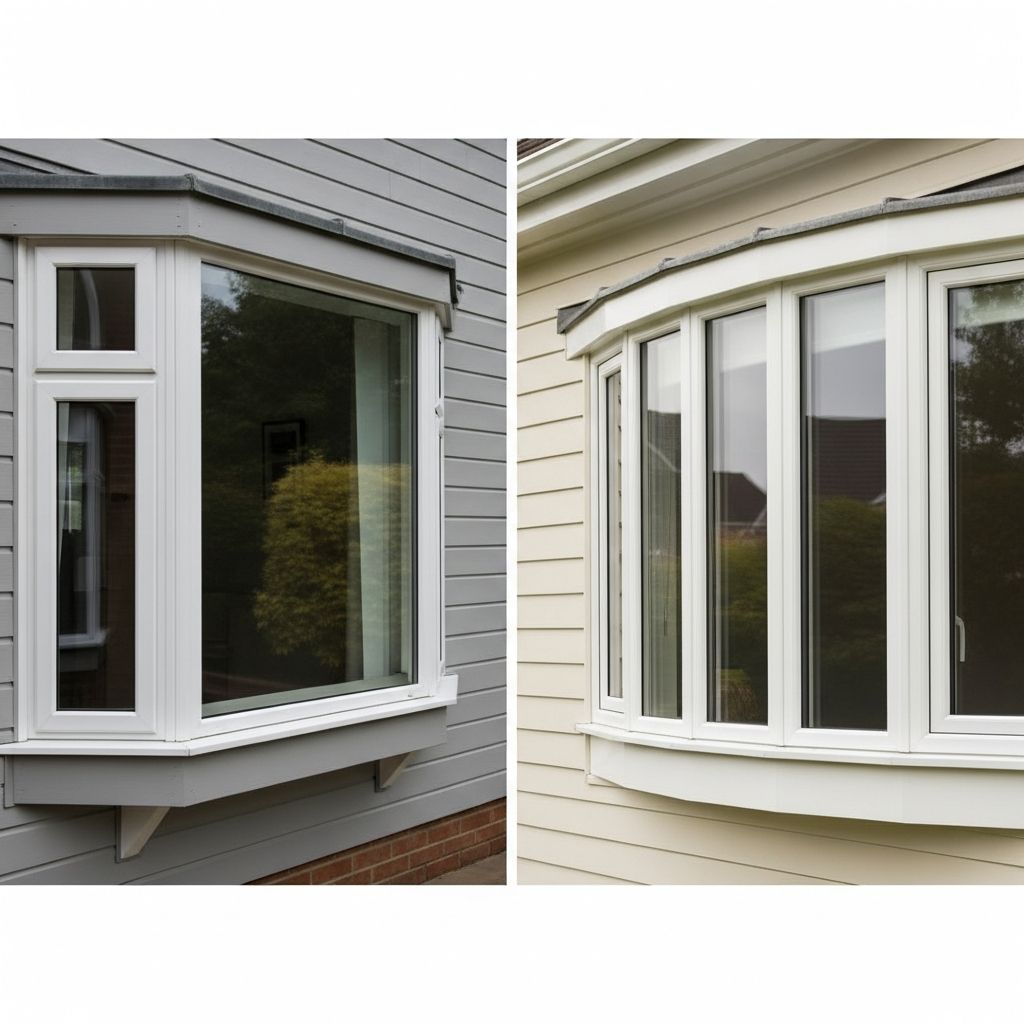
Bay and bow windows are two of the most popular architectural window styles, each offering unique aesthetic and functional benefits. Both types extend from the exterior wall of a home, creating a distinctive focal point and allowing more natural light into the interior. However, their structural design, appearance, cost, and suitability for different spaces set them apart. Understanding these differences is essential for homeowners considering a window upgrade or renovation.
Structural Design and Appearance
The most noticeable difference between bay and bow windows is their shape and structure.
Bay Windows
- Bay windows typically consist of three panels: a central picture window flanked by two angled side windows.
- The central window is often fixed, while the side windows may be operable (casement or double-hung).
- This configuration creates a distinct, angular projection from the home’s exterior.
- The angular design results in a more dramatic architectural statement and a defined alcove or bay within the interior space.
Bow Windows
- Bow windows are characterized by a gentle, continuous curve formed by four to six equally sized window panels.
- The panels are arranged to create a rounded or semi-circular projection from the exterior wall.
- This design offers a softer, more flowing aesthetic compared to the angular bay window.
- The curved shape can wrap around corners, providing a unique and elegant appearance.
Space Requirements and Room Impact
The amount of wall space required for installation and the impact on interior space are important considerations.
Bay Windows
- Bay windows require at least 40 inches of wall space for installation.
- They are well-suited for rooms with limited exterior wall availability, such as dining rooms or breakfast nooks.
- The angular projection creates a distinct alcove, which can be used for seating or storage.
Bow Windows
- Bow windows need a minimum of 80 inches of wall space due to their wider curve.
- They are ideal for larger living rooms or spaces where a more expansive and curved projection can be accommodated.
- The wider curve can create a larger interior space, potentially offering more usable floor area inside the home.
Natural Light and Ventilation
Both bay and bow windows are designed to maximize natural light and provide ventilation.
Bay Windows
- The larger central pane and the angle at which bay windows stick out from the wall allow ample natural light to enter the space.
- The operable side windows provide good ventilation, allowing fresh air to circulate within the home.
- The focused airflow from the angled side windows can be beneficial in certain rooms.
Bow Windows
- Bow windows generally allow more natural light into a room due to their larger glass surface area and curved design.
- The curved shape offers panoramic views of the outdoors, making them a perfect choice if you have a beautiful garden or scenic landscape.
- Like bay windows, bow windows often include operable casement or double-hung windows, offering ventilation options while maintaining the curve’s aesthetics.
Cost and Installation
The cost and complexity of installation are significant factors to consider.
Bay Windows
- Bay windows are generally more cost-effective than bow windows due to their simpler structure with fewer window units.
- Installation is typically easier and less complex, making them a more budget-friendly option.
- The average cost for a bay window ranges from $900 to $7,100, depending on size, materials, and labor.
Bow Windows
- Bow windows can be more expensive due to the complexity of the design and the increased number of window panels.
- Installation is more complex and may require a soffit tie-in or a new hip roof to properly seal out air and water.
- The average cost for a bow window ranges from $1,500 to $15,000, depending on size, materials, and labor.
Energy Efficiency and Insulation
Both bay and bow windows can be energy-efficient when properly installed and equipped with high-quality glass.
Bay Windows
- Bay windows have less window panes, which can make them slightly more energy-efficient than bow windows.
- Choosing windows with low-E glass coatings and proper insulation can further enhance energy efficiency.
- The specific impact on energy costs will depend on factors such as climate, window orientation, and the overall energy efficiency of your home.
Bow Windows
- The larger glass area of bow windows may lead to slightly higher heating and cooling costs than bay windows.
- However, with proper installation, high-quality glass, and sufficient insulation, bow windows can also be energy-efficient.
- The curved design can create more surface area exposed to the elements, which can impact overall energy performance.
Architectural Style and Aesthetic Appeal
The architectural style and aesthetic appeal of bay and bow windows vary.
Bay Windows
- Bay windows are commonly found in various architectural styles, including traditional and modern designs.
- They add aesthetic interest to both the interior and exterior of a home.
- The angular design can create a dramatic focal point in a room.
Bow Windows
- Bow windows tend to evoke a more classical and elegant aesthetic, often associated with Victorian or period architecture.
- They offer a softer and more flowing appearance, contributing to a more inviting and open feel.
- The curved design can enhance the overall curb appeal of a home.
Impact on Home Value
Both bay and bow windows can contribute to an increase in the overall value of a home.
- The architectural style is often considered desirable and adds curb appeal.
- Increased natural light and panoramic views can make a home more attractive to potential buyers.
- Properly installed and energy-efficient windows can also improve the home’s energy performance, which is a selling point for many buyers.
Choosing the Right Window for Your Home
When deciding between a bay and a bow window, consider the following factors:
- Available wall space and room size.
- Desired aesthetic and architectural style.
- Budget and installation complexity.
- Energy efficiency and insulation needs.
- Desired amount of natural light and ventilation.
FAQs
What is the main difference between a bay window and a bow window?
The main difference is the shape and structure. Bay windows have an angular design with three panels, while bow windows have a gentle, continuous curve with four to six panels.
Which window type is more expensive?
Bow windows are generally more expensive due to their more complex design and installation requirements.
Do bay and bow windows increase home value?
Yes, both types can increase home value by adding curb appeal, natural light, and unique architectural features.
Which window type is better for small spaces?
Bay windows are better for small spaces as they require less wall space and have a smaller footprint.
Can bay and bow windows be energy-efficient?
Yes, both types can be energy-efficient when properly installed and equipped with high-quality glass and insulation.
References
References
- Bay vs. Bow Windows – This Old House — This Old House. 2023. https://www.thisoldhouse.com/windows/bay-vs-bow-windows
- Bay Windows vs. Bow Windows | Infinity by Marvin — Infinity by Marvin. 2023. https://www.infinitywindows.com/blog/bay-vs-bow-windows
- Bay vs. Bow Windows: Costs, Pros, and Design Considerations — SCGMN. 2023. https://scgmn.com/blog/bay-vs-bow-windows/
Similar Articles








Read full bio of Sneha Tete