How to Repair Bedroom Wall Damage: A Step-by-Step Guide
Learn how to fix holes, cracks, and dents in your bedroom walls with simple DIY techniques.
Introduction to Bedroom Wall Repair
Bedroom walls often suffer from accidental dents, holes, or cracks due to furniture movement, hanging decorations, or general wear and tear. While these imperfections may seem minor, they can detract from the overall appearance of your space. Fortunately, repairing bedroom wall damage is a manageable DIY project that can restore your walls to their original condition. This guide covers everything you need to know about patching holes, fixing cracks, and finishing your walls for a seamless look.
Assessing Wall Damage
Before starting any repair, it’s important to assess the extent of the damage. Wall damage can range from small nail holes to larger dents or cracks. Identifying the type and size of the damage will help you choose the right repair method.
- Small holes: Caused by nails or screws, typically less than 1/2 inch in diameter.
- Medium holes: Caused by doorknobs or small accidents, usually between 1/2 inch and 2 inches.
- Large holes: Caused by furniture impact or major accidents, larger than 2 inches.
- Cracks: Can be hairline or more pronounced, often found near corners or seams.
Tools and Materials Needed
Gathering the right tools and materials is essential for a successful wall repair. Here’s a checklist of what you’ll need:
- Drywall patch or mesh tape
- Spackle or joint compound
- Sanding block or sandpaper
- Putty knife
- Utility knife
- Paintbrush or roller
- Primer
- Paint (matching your wall color)
- Clean cloth or sponge
- Drop cloth or plastic sheeting
Step-by-Step Guide to Patching Small Holes
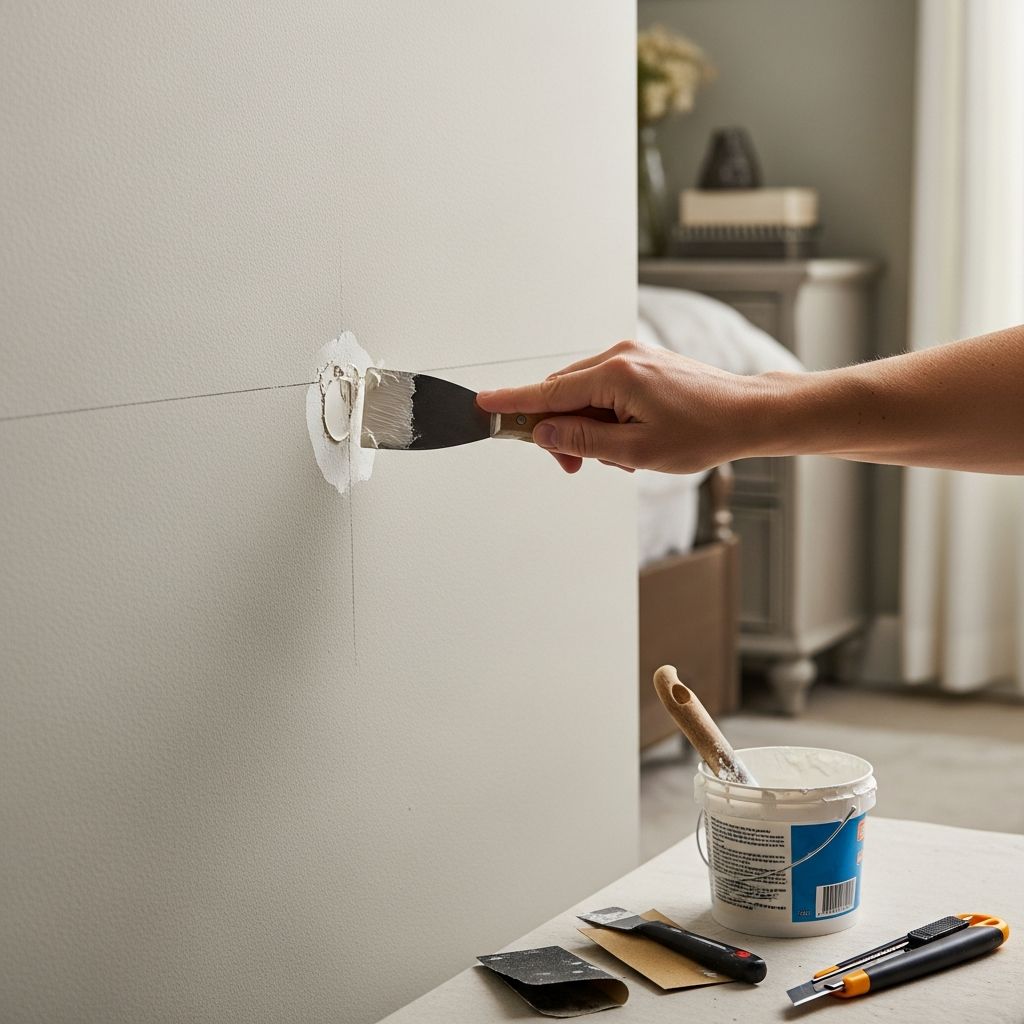
Small holes are the easiest to repair and require minimal materials. Follow these steps for a quick fix:
- Clean the area around the hole with a damp cloth to remove dust and debris.
- Apply spackle or joint compound to the hole using a putty knife.
- Smooth the surface and let it dry according to the manufacturer’s instructions.
- Sand the area lightly until it’s flush with the wall.
- Wipe away any dust with a clean cloth.
- Prime and paint the area to match the surrounding wall.
Repairing Medium Holes
Medium holes require a bit more effort but can still be repaired without professional help. Here’s how:
- Clean the area around the hole.
- Cut a piece of drywall patch or mesh tape slightly larger than the hole.
- Apply joint compound to the back of the patch and press it over the hole.
- Smooth the edges with a putty knife and let it dry.
- Sand the area until it’s smooth and flush with the wall.
- Wipe away dust and prime the area.
- Paint to match the wall.
Fixing Large Holes
Large holes may require replacing a section of drywall. Here’s a step-by-step process:
- Clean the area and remove any loose drywall.
- Cut a square or rectangular section around the hole using a utility knife.
- Measure the opening and cut a new piece of drywall to fit.
- Secure the new piece with drywall screws.
- Apply joint compound over the seams and screw holes.
- Smooth the surface and let it dry.
- Sand the area until it’s smooth and flush with the wall.
- Wipe away dust, prime, and paint.
Repairing Cracks
Cracks can be repaired using mesh tape and joint compound. Follow these steps:
- Clean the crack and remove any loose material.
- Apply mesh tape over the crack.
- Cover the tape with joint compound, smoothing it out with a putty knife.
- Let it dry and sand the area until smooth.
- Wipe away dust, prime, and paint.
Finishing Touches: Sanding and Painting
After patching and repairing, sanding and painting are crucial for a seamless finish. Here’s what to do:
- Use a sanding block or sandpaper to smooth the repaired area.
- Wipe away dust with a clean cloth.
- Apply primer to the repaired area to ensure even paint coverage.
- Paint the area to match the surrounding wall, blending the edges for a seamless look.
Tips for a Professional Finish
For the best results, keep these tips in mind:
- Always clean the area before starting any repair.
- Use the right size patch or tape for the hole.
- Apply thin layers of joint compound and let each layer dry completely.
- Sand lightly between layers for a smooth finish.
- Prime before painting to prevent patch marks.
- Blend paint edges for a seamless look.
Common Mistakes to Avoid
Avoid these common mistakes for a successful wall repair:
- Skipping the cleaning step, which can lead to poor adhesion.
- Using too much joint compound, which can create uneven surfaces.
- Not letting each layer dry completely before sanding or applying the next layer.
- Skipping primer, which can result in patch marks.
- Not blending paint edges, which can make repairs visible.
FAQs About Bedroom Wall Repair
How long does it take to repair a wall?
Small repairs can be completed in a few hours, while larger repairs may take a day or more, depending on drying times.
Can I use spackle for large holes?
Spackle is best for small holes. For larger holes, use joint compound and a drywall patch or mesh tape.
Do I need to prime before painting?
Yes, priming ensures even paint coverage and prevents patch marks.
How do I match the paint color?
Use leftover paint from the original job or take a sample to a paint store for color matching.
Can I repair cracks myself?
Yes, most cracks can be repaired with mesh tape and joint compound.
Conclusion
Repairing bedroom wall damage is a simple DIY project that can significantly improve the appearance of your space. By following the steps outlined in this guide, you can patch holes, fix cracks, and finish your walls for a professional look. With the right tools, materials, and a bit of patience, you’ll have walls that look as good as new.
References
- How to Patch a Hole in Drywall — HGTV. 2018. https://www.youtube.com/watch?v=dp1elMv0SuU
- Drywall Repair Tips — The Home Depot. 2023. https://www.homedepot.com/c/ab/drywall-repair-tips/9ba683603be9fa5395fab90136
- How to Fix Cracks in Drywall — Lowe’s. 2023. https://www.lowes.com/n/how-to/fix-cracks-in-drywall
Similar Articles








Read full bio of Sneha Tete