8 Best Air Conditioner Brands For 2025: Warranty & Efficiency
Discover top-rated AC brands: Compare warranty, efficiency, price, and performance to find your perfect cooling solution.
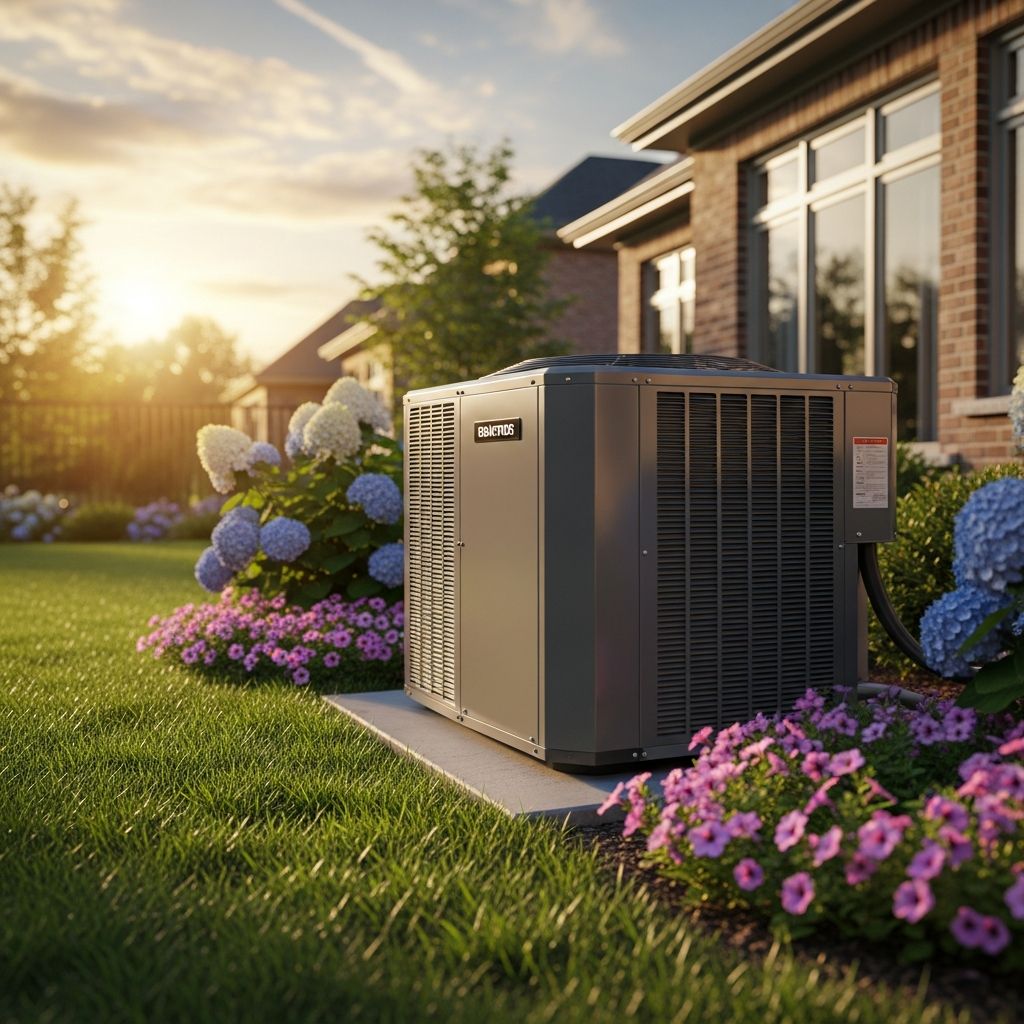
The 8 Best Air Conditioner Brands
Choosing the right air conditioner brand is one of the most important decisions you’ll make when upgrading your home’s cooling system. With so many manufacturers offering different features, warranties, and price points, it can be overwhelming to know where to start. Our comprehensive ranking system has identified the eight best air conditioner brands for 2025, each excelling in different areas to meet various homeowner needs and budgets.
Brand Comparison Overview
| Brand | Best For | Price Range | Key Strength |
|---|---|---|---|
| Carrier | Warranty Coverage | $$$ – $$$$ | 100+ Years Experience & Greenspeed Intelligence |
| Ruud | Mid-Tier Value | $$ – $$$ | Reliable Balance of Quality & Affordability |
| American Standard | Customer Service | $$ – $$$$ | Extensive Support & Dealer Network |
| Goodman | Affordability | $ – $$ | Budget-Friendly Options |
| Lennox | Reputation | $$$ – $$$$ | Advanced Technology & Smart Home Integration |
| Bryant | Durability | $$ – $$$ | High SEER Ratings & Quiet Operation |
| Amana | Efficiency | $$ – $$$ | High SEER Ratings & Value Warranty |
| Trane | Most Experience | $$$ – $$$$ | Superior Engineering & Longevity |
Carrier: Best Warranty
Overview
Often referred to as the “Honda” of HVAC systems, Carrier has established itself as a trusted leader in the air conditioning industry. With more than 100 years of experience in the HVAC business, Carrier combines innovation with proven reliability to deliver cooling solutions that homeowners can depend on for years to come.
Pros and Cons
Pros:
– Has more than 100 years in the HVAC business- Offers innovative features like Greenspeed Intelligence for precise temperature control- Features quieter operation compared to many competitors, especially in premium models
Cons:
– Requires installation to be done by certified Carrier dealers, limiting contractor options- Costs more than mid-range brands
Why Choose Carrier
Carrier’s Greenspeed Intelligence technology provides exceptional temperature precision, automatically adjusting compressor speed to match your home’s cooling needs. This advanced feature ensures consistent comfort while optimizing energy efficiency. The brand’s premium models operate noticeably quieter than competitors, creating a more pleasant indoor environment. If warranty coverage and long-term reliability are your priorities, Carrier’s comprehensive protection plans make it an excellent investment.
Ruud: Best Mid-Tier Brand
Overview
Ruud has established itself as a reliable mid-tier brand that offers a balanced combination of affordability and performance. With over 100 years of experience, Ruud has built a solid reputation for manufacturing air conditioners that provide consistent cooling without the premium price tag associated with brands like Carrier or Trane.
Performance and Longevity
Ruud’s units typically last between 12 and 15 years on average with proper maintenance, providing excellent value for the investment. The brand’s Ultra line represents its top-of-the-line offering, valued for exceptional efficiency with SEER ratings as high as 20.5. For homeowners seeking a dependable air conditioning system without breaking the budget, Ruud delivers consistent performance that doesn’t compromise on quality.
American Standard: Best Customer Service
Overview
With a history spanning over 120 years, American Standard offers extensive experience in HVAC manufacturing. The brand is known for its comprehensive customer support and wide dealer network, making it easier to find certified installers and maintenance professionals in most areas.
Product Range and Support
American Standard’s extensive range extends from high-efficiency models like the AccuComfort Variable-Speed Air Conditioner with SEER ratings up to 21.5, to more budget-friendly two-stage and single-stage models. The brand prioritizes customer satisfaction through responsive support and readily available parts. This commitment to service accessibility makes American Standard an excellent choice for homeowners who value ongoing support and maintenance convenience.
Goodman: Most Affordable
Overview
Goodman has earned its reputation as the most affordable air conditioner brand without sacrificing essential functionality. Known for reliability and cost-effectiveness, Goodman represents an excellent option for homeowners working within strict budget constraints or seeking value without premium features.
Value Proposition
Goodman’s budget-friendly approach doesn’t mean compromising on cooling capability. The brand delivers reliable performance across its product lineup, making it ideal for homeowners looking for straightforward, dependable cooling solutions. While Goodman may lack some of the advanced features found in premium brands, it provides excellent baseline functionality at competitive prices.
Lennox: Best Reputation
Overview
Lennox has built an outstanding reputation in the HVAC industry through its commitment to advanced technology and innovative cooling solutions. The brand’s focus on research and development has resulted in air conditioners that consistently deliver superior performance and efficiency.
Advanced Technology Features
One of Lennox’s key strengths is its commitment to advanced technology. Features like variable-speed compressors and precise temperature control systems contribute to enhanced comfort and efficiency. Lennox also integrates smart home compatibility, allowing you to control your HVAC systems remotely via the Lennox iComfort app. This level of technological sophistication positions Lennox as an ideal choice for tech-savvy homeowners seeking cutting-edge cooling solutions.
Premium Investment Considerations
However, this level of sophistication comes at a premium. Lennox air conditioners tend to be more expensive upfront compared to competitors like Amana or Bryant. Additionally, the brand often requires proprietary parts and specific dealer maintenance, which can lead to higher long-term service costs. Despite the premium pricing, many homeowners find that Lennox’s superior technology and performance justify the investment.
Bryant: Best Durability
Overview
Founded in 1904, Bryant is one of the HVAC industry’s longest-established brands. The company maintains a strong reputation for producing high-quality, dependable air conditioning systems that deliver exceptional performance and longevity. Known for its high-quality products and dependable performance, Bryant is an excellent choice for homeowners seeking effective cooling without the premium price tag of some competitors.
Performance and Efficiency
Bryant’s Evolution® Series features models with SEER ratings up to 26, delivering exceptional energy efficiency for lower utility costs. Additionally, Bryant’s air conditioners are designed with quiet operation in mind, ensuring that powerful cooling doesn’t come at the cost of noise pollution. The brand’s range offers plenty of choices from budget-friendly single-stage models to high-performance options like the Evolution Extreme 26 Air Conditioner. Many models are Energy Star compliant and offer lower noise levels than equivalent rivals.
Amana: Best Efficiency
Overview
Amana launched as a refrigerator manufacturer in 1934 in Iowa and has since become known for producing reliable, efficient air conditioning systems. The company continues to manufacture air conditioners under the Amana name, focusing on high efficiency and value. For homeowners who prioritize value and warranty coverage over premium features and brand prestige, Amana represents an excellent middle ground.
Key Features and Technology
Pros:
– Features ComfortBridge technology that actively monitors and optimizes system performance, helping to maintain consistent temperatures- Offers exceptional value with its lifetime limited warranty on compressors for many models, a standout feature- Has competitive pricing while delivering reliable performance, with most units costing 15–25% less than premium brands like Lennox or Trane
Cons:
– May require more frequent maintenance over its lifespan than premium brands like Trane or Carrier- Doesn’t have as extensive a dealer network as larger manufacturers, which can make finding certified installers challenging in some areas
Recommended Model: Amana AVXC20
The Amana AVXC20 is a top-tier air conditioning model for its combination of efficiency, durability, and value. With a SEER rating of up to 24.5, this model is one of the most energy-efficient options in Amana’s lineup. Equipped with a variable-speed compressor, the AVXC20 provides precise temperature control to maintain consistent comfort while minimizing energy waste. This model exemplifies Amana’s commitment to delivering high-efficiency cooling at accessible price points.
Performance Analysis
While Amana units may not match the extreme durability of high-end brands like Trane or Carrier, they maintain respectable efficiency ratings and longevity. The integration of ComfortBridge technology in Amana’s higher-tier models provides smart performance monitoring and optimization, helping maintain consistent temperatures while potentially extending equipment life. However, Amana systems typically operate at slightly higher noise levels than premium competitors, and its dealer network isn’t as extensive as larger manufacturers, which can affect installation and service availability in some regions.
Trane: Most Experience
Overview
Trane has established itself as one of the most reliable and respected names in the HVAC industry, with a reputation built on superior engineering and build quality. Founded in 1913 and headquartered in Ireland, Trane’s slogan “It’s hard to stop a Trane” reflects the company’s commitment to durability and dependability. The company cools several major landmarks including the Empire State Building, the Sydney Opera House, and the U.S. Capitol building.
Superior Engineering and Durability
Pros:
– Features variable-speed compressors and ComfortLink™ II technology to provide precise temperature control and smart home compatibility- Engineers ACs with sound-reducing technology, making them quieter than many competitors- Provides its exclusive Climatuff compressor and Spine Fin coil technology, resulting in units that consistently outlast many competitors by several years
Cons:
– May require additional installation considerations due to units’ heavyweight construction- Is more expensive than other mid-tier brands
Why Choose Trane
Trane’s air conditioning systems consistently rank among the most dependable units on the market. Many models feature Trane’s proprietary Climatuff compressor and patented Spine Fin coil technology that delivers exceptional heat transfer efficiency. The WeatherGuard II polycarbonate top protects units from external damage, while the rustproof DuraTuff base pan extends system life. While Trane units typically command premium prices compared to mid-range competitors like Bryant and Amana, the excellent durability and lower repair frequency often justify the investment over the system’s lifetime.
Frequently Asked Questions
Q: What does SEER rating mean?
A: SEER (Seasonal Energy Efficiency Ratio) measures air conditioning efficiency on a scale where higher numbers indicate better energy efficiency. Higher SEER ratings result in lower energy consumption and reduced utility bills.
Q: How long do air conditioners typically last?
A: Most air conditioning systems last between 12 to 18 years with proper maintenance. Premium brands like Trane and Carrier often exceed this timeline, while budget brands may require replacement sooner.
Q: Which brand is best for my budget?
A: Goodman and Ruud offer excellent value for budget-conscious homeowners. Mid-tier options like Bryant and Amana provide more features at moderate prices. Premium brands like Carrier, Lennox, and Trane justify higher costs through advanced technology and longevity.
Q: Does warranty coverage vary significantly between brands?
A: Yes, warranty coverage varies considerably. Carrier and Amana are known for comprehensive warranties, while others offer more limited coverage. Always review warranty details before purchasing.
Q: Can I install any brand with any contractor?
A: Most brands work with certified contractors, but some like Carrier require installation by brand-specific dealers. Check with manufacturers about contractor flexibility in your area.
Q: What’s the difference between variable-speed and single-stage compressors?
A: Variable-speed compressors adjust output based on cooling needs, improving efficiency and comfort. Single-stage compressors run at full capacity or turn off, typically less efficient but more affordable.
Q: How often should air conditioners be serviced?
A: Professional maintenance is recommended annually before the cooling season. Regular filter changes and coil cleaning extend system life and maintain peak efficiency.
Q: Is smart home compatibility important?
A: Smart compatibility allows remote temperature control and scheduling, improving convenience and efficiency. Brands like Lennox and Trane excel in this area, but it typically increases initial cost.
Making Your Decision
Selecting the right air conditioner brand depends on your priorities, budget, and specific cooling needs. If warranty coverage and proven reliability matter most, Carrier and Amana offer excellent protection plans. For those seeking the best long-term durability and performance, Trane’s premium engineering justifies the higher investment. Mid-tier brands like Ruud and Bryant provide outstanding value for homeowners balancing quality and affordability. Budget-conscious homeowners should consider Goodman’s straightforward efficiency and low cost. Whatever your priorities, the eight brands covered here represent the best options available in the 2025 market.
References
- Best Air Conditioner Brands of 2025 — This Old House. 2025. https://www.thisoldhouse.com/heating-cooling/best-air-conditioner-brands
- The 16 Best Air Conditioner Brands — Bob Vila. 2025. https://www.bobvila.com/articles/best-air-conditioner-brands/
- Seasonal Energy Efficiency Ratio (SEER) Standards — U.S. Department of Energy. https://www.energy.gov
Similar Articles




Read full bio of Sneha Tete