Best Dwarf Trees for Small Yards and Containers
Discover the perfect dwarf trees to maximize your small garden space beautifully.
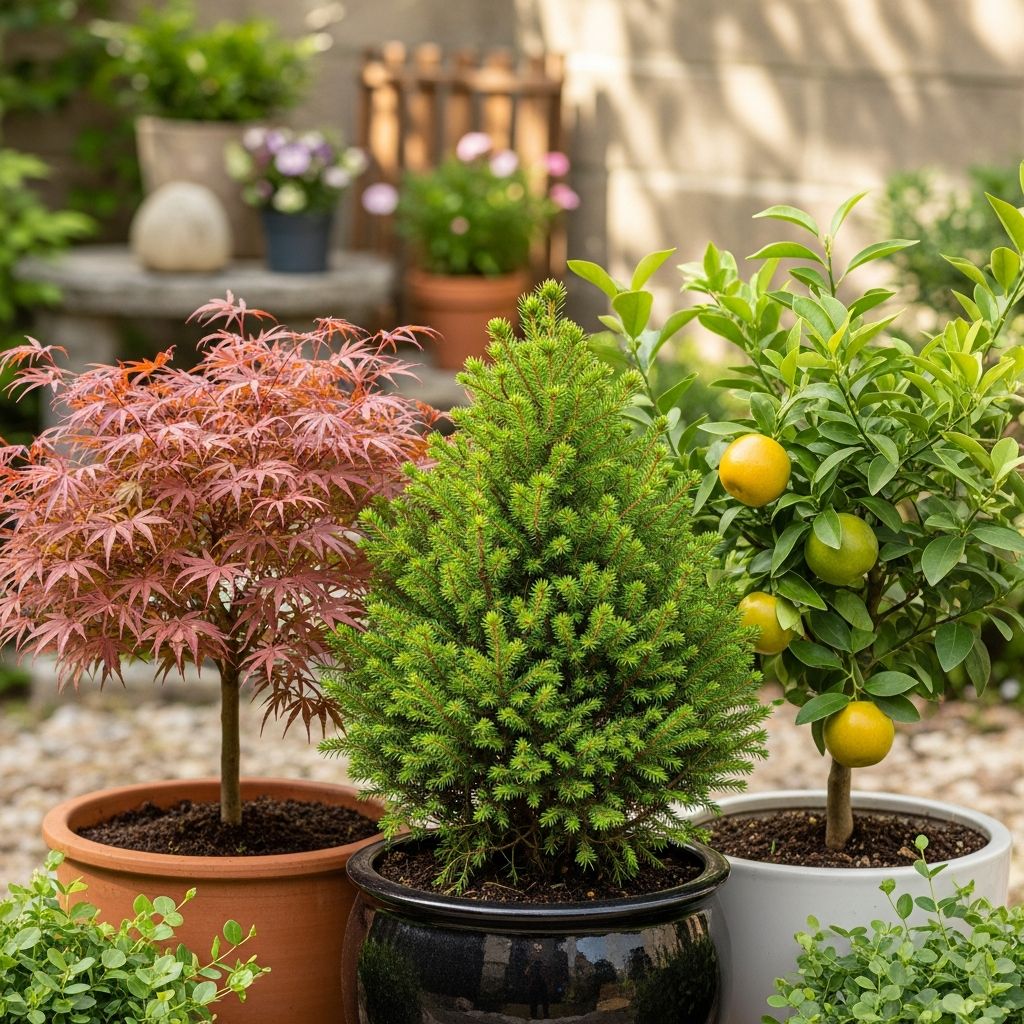
Dwarf trees have become increasingly popular among homeowners with limited outdoor space. These miniature versions of larger tree species offer the aesthetic appeal of full-sized trees while fitting perfectly into small yards, patios, and container gardens. Whether you’re looking to create a focal point in a compact landscape or add greenery to a balcony, dwarf trees provide an excellent solution that combines beauty with practicality.
The advantages of dwarf trees extend beyond their size. They require less maintenance, consume fewer resources, and can be strategically placed to enhance your outdoor living area. Understanding the different varieties available and their specific growing requirements is essential to selecting the right dwarf tree for your unique situation.
Understanding Dwarf Tree Varieties
Dwarf trees come in numerous varieties, each with distinct characteristics, growing seasons, and aesthetic qualities. These compact specimens are bred specifically to remain small while maintaining the essential features of their full-sized counterparts. Some dwarf trees are naturally small, while others are created through grafting techniques that combine a miniature rootstock with desirable above-ground variety.
The selection of dwarf trees available today is extensive, offering homeowners options in flowering varieties, fruit-bearing types, and evergreens that provide year-round visual interest. Each variety has specific climate requirements, watering needs, and sunlight preferences that must be considered when planning your garden.
Dwarf Fruit Trees: Practical and Productive
Dwarf fruit trees represent an excellent choice for homeowners who want to harvest fresh fruit without dedicating extensive space to an orchard. These compact trees produce full-sized fruit while remaining manageable in height, typically reaching 6 to 10 feet at maturity.
Popular Dwarf Fruit Tree Options:
- Dwarf Apple Trees: These hardy trees adapt well to various climates and produce abundant fruit. Varieties like ‘Fuji,’ ‘Gala,’ and ‘Honeycrisp’ are available in dwarf forms, offering years of productivity in a small footprint.
- Dwarf Peach Trees: Perfect for warmer climates, dwarf peach trees are prolific producers and require relatively simple care. They bloom beautifully in spring before producing sweet fruit in summer.
- Dwarf Cherry Trees: Sweet and sour cherry varieties come in dwarf sizes, offering both ornamental spring blossoms and edible fruit. These trees are particularly attractive to pollinators.
- Dwarf Pear Trees: These trees produce sweet fruit and adapt well to container growing. They’re slightly more cold-hardy than peach trees and offer reliable harvests.
- Dwarf Citrus Trees: Lemon, lime, and orange trees in dwarf varieties thrive in containers or warm-climate gardens. They provide year-round foliage and fragrant blooms alongside fruit production.
Ornamental Dwarf Trees for Year-Round Beauty
Beyond fruit production, ornamental dwarf trees provide aesthetic interest through their foliage, flowers, bark, or seasonal changes. These varieties are selected primarily for visual appeal and landscape design purposes.
Flowering Dwarf Trees:
Flowering dwarf trees offer spectacular spring or summer displays. Japanese maples in dwarf forms provide delicate foliage in shades of red, purple, or green, along with stunning fall color. Dwarf magnolias produce elegant blooms before leaf emergence, creating dramatic spring displays. Dwarf flowering crabapples offer profuse blooms followed by colorful fruit that persists into winter, providing food for birds and visual interest during dormant months.
Evergreen Dwarf Trees:
Evergreen dwarf varieties maintain their foliage throughout the year, providing consistent landscape structure. Dwarf coniferous trees like spruce, fir, and pine varieties offer dense, colorful foliage in blue, green, or golden tones. These trees are particularly valuable in winter landscapes and provide year-round screening or accent plantings.
Container Growing Considerations
Dwarf trees excel in container environments, allowing homeowners without ground space to enjoy tree-gardening. Container cultivation requires specific attention to ensure tree health and longevity.
Container Selection and Preparation:
- Size Requirements: Use containers at least 18-24 inches in diameter and depth for most dwarf trees. Ensure adequate drainage holes to prevent waterlogging and root rot.
- Soil Composition: Use high-quality potting mix designed for containers, as this provides proper drainage and aeration compared to garden soil.
- Drainage Materials: Place broken pottery or gravel at the container’s base to enhance drainage and prevent soil from clogging drainage holes.
- Container Materials: Choose lightweight containers for easy repositioning. Ceramic, resin, or quality plastic containers work well, though terracotta provides excellent drainage but may dry quickly in hot weather.
Planting and Care Guidelines
Successful dwarf tree cultivation requires understanding and implementing proper planting and ongoing care practices. These guidelines apply to both container and in-ground plantings.
Planting Instructions:
- Timing: Plant dwarf trees in early spring or fall when temperatures are moderate and trees can establish roots before extreme weather.
- Location Selection: Most dwarf trees require full sun (6-8 hours daily) for optimal growth and fruit production. Some shade-tolerant varieties exist but generally prefer sunlight.
- Hole Preparation: Dig a hole twice the width of the root ball and equally deep. Position the tree so the top of the root ball is level with the ground surface.
- Backfilling: Backfill with amended soil, pressing firmly to eliminate air pockets while avoiding excessive compaction that restricts root growth.
- Watering: Water thoroughly after planting and maintain consistent moisture during the establishment period (typically 1-2 years).
Watering Requirements:
Dwarf trees require regular watering, particularly during the first two years and throughout the growing season. Container trees need more frequent watering than in-ground specimens, as potting soil dries faster than garden soil. Water when the top inch of soil feels dry, typically requiring daily watering during hot weather and less frequently during cool seasons. Avoid overwatering, which causes root rot and fungal diseases.
Fertilizing Your Dwarf Trees:
Container dwarf trees require regular feeding since nutrients leach from potting soil with frequent watering. Apply balanced fertilizer monthly during the growing season, or use slow-release fertilizer pellets for consistent nutrition. In-ground trees may require annual applications of balanced fertilizer, particularly younger trees still establishing. Reduce nitrogen applications in late summer to avoid stimulating tender new growth vulnerable to frost damage.
Pruning and Maintenance:
Regular pruning maintains dwarf tree form, encourages fruit production, and removes diseased or dead growth. Prune in late winter or early spring before new growth emerges. Remove crossing branches, inward-growing limbs, and any obviously damaged wood. For fruit trees, thin fruit in early summer to allow remaining fruit to develop to full size and sweetness. Maintain the desired shape through selective pruning rather than severe cutting.
Climate and Hardiness Considerations
Selecting dwarf trees appropriate for your climate is fundamental to long-term success. Trees planted outside their preferred hardiness zones struggle to survive, particularly through harsh winters or hot summers.
Cold Climate Selections:
Gardeners in northern regions should focus on cold-hardy varieties like dwarf apple, pear, and cherry trees rated for USDA zones 3-5. Many ornamental varieties, including hardy Japanese maples and dwarf conifers, thrive in cold climates with appropriate selection. Container trees in cold regions require winter protection, such as moving specimens to sheltered locations or wrapping containers with insulating material.
Warm Climate Options:
Southern and tropical gardeners have access to dwarf citrus trees, dwarf crape myrtles, and other heat-loving varieties. These regions benefit from extended growing seasons and can support multiple crops annually from some fruit-bearing dwarf trees. Container gardeners can move trees to shade during intense summer heat if needed.
Disease and Pest Management
Dwarf trees can face the same pest and disease challenges as their full-sized counterparts, requiring vigilant monitoring and management.
Common Pest Issues:
- Aphids: Spray infested trees with insecticidal soap or horticultural oil, applying in early morning or late evening to avoid harming beneficial insects.
- Spider Mites: Increase humidity and spray foliage with water to dislodge mites. Use miticide products if infestations persist.
- Scale Insects: Remove by hand from small trees or treat with horticultural oil during dormant season.
Disease Prevention:
Maintain good air circulation through proper pruning to prevent fungal diseases. Avoid overhead watering that promotes leaf wetness and fungal growth. Remove fallen leaves and debris that harbor disease organisms. Choose disease-resistant varieties when available, particularly for apple scab and fire blight.
Creating Your Dwarf Tree Landscape
Strategic placement and grouping of dwarf trees enhances landscape design while maximizing limited space. Position trees where their mature height and spread are proportional to surrounding structures. Use containers to create focal points on patios or entryways. Combine multiple dwarf trees with complementary bloom times to extend seasonal interest throughout the year.
Frequently Asked Questions
Q: How tall do dwarf trees typically grow?
A: Most dwarf trees reach 8-15 feet at maturity, though some ultra-dwarf varieties remain under 8 feet. Specific heights vary by variety, so check mature size before planting.
Q: Can dwarf trees be grown in pots indefinitely?
A: Yes, with proper care including regular fertilizing, watering, and root management. Repot every 2-3 years to refresh soil and accommodate root growth.
Q: Do dwarf fruit trees produce full-sized fruit?
A: Yes, dwarf fruit trees produce standard-sized fruit in abundance. The “dwarf” designation refers to tree size, not fruit size, making them ideal for small spaces.
Q: How much sunlight do dwarf trees need?
A: Most dwarf trees require 6-8 hours of direct sunlight daily for optimal growth. Some shade-tolerant ornamental varieties accept partial shade but generally prefer full sun.
Q: What’s the best time to plant dwarf trees?
A: Plant in early spring or fall when temperatures are moderate and trees can establish roots before extreme weather. Avoid planting during winter cold or summer heat.
Q: How often should I fertilize container dwarf trees?
A: Apply balanced fertilizer monthly during the growing season, or use slow-release fertilizer pellets for consistent nutrition throughout spring and summer.
Q: Are dwarf trees susceptible to the same diseases as full-sized trees?
A: Yes, dwarf varieties can face similar diseases. Prevention through proper spacing, air circulation, and avoiding overhead watering is essential for maintaining tree health.
References
- Growing Dwarf Fruit Trees — University of Minnesota Extension. 2024. https://extension.umn.edu/fruits-and-vegetables/growing-dwarf-fruit-trees
- Selecting and Planting Trees — The Arbor Day Foundation. 2024. https://www.arborday.org/trees/planting/
- Container Gardening Guide — Clemson University Cooperative Extension. 2023. https://www.clemson.edu/extension/
- Integrated Pest Management for Ornamental Trees — UC IPM Program. 2024. https://ipm.ucanr.edu/
- USDA Plant Hardiness Zone Map — United States Department of Agriculture. 2023. https://planthardiness.ars.usda.gov/
Similar Articles







Read full bio of medha deb