Black Mold Symptoms: 10 Signs, Risks, And When To Seek Help
Understand black mold symptoms, health risks, and how to protect your home and family from exposure.
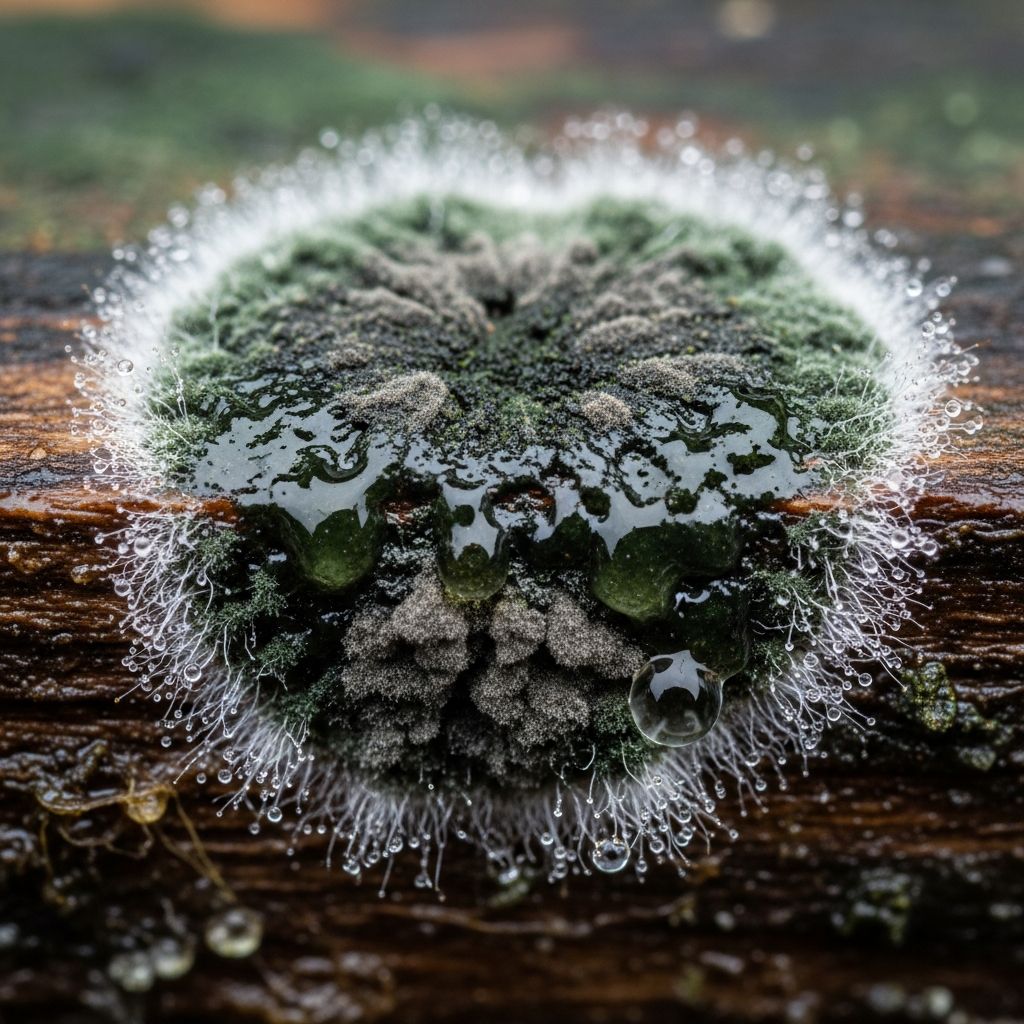
Black Mold Symptoms and Health Effects: A Complete Guide
Black mold is a common household fungus that can develop in damp environments throughout your home. While most people associate mold with allergies and musty odors, understanding the actual health effects of black mold exposure is crucial for protecting your family. This comprehensive guide covers everything you need to know about black mold symptoms, health risks, and when to seek medical attention.
What Is Black Mold?
Black mold is a type of fungus that thrives in moist environments. It produces microscopic spores that become airborne and can be inhaled into your respiratory system. Black mold also produces microbial volatile organic compounds (mVOCs), which create that distinctive musty or moldy smell often associated with mold contamination. Unlike some misconceptions, black mold is not inherently more dangerous than other types of mold, though exposure can still cause health concerns for certain populations.
Common Black Mold Symptoms
Black mold exposure can cause a variety of symptoms, though the severity and type depend on individual sensitivity and the extent of exposure. The most common symptoms include:
- Sneezing
- Coughing and postnasal drip
- Runny or stuffy nose
- Congestion
- Itchy eyes, nose, and throat
- Watery or red eyes
- Dry, itchy skin
- Sore throat
- Wheezing
- Burning eyes or skin rash
For many people, these symptoms are mild and resemble common allergies or cold symptoms. However, the symptoms persist as long as exposure to mold continues.
Respiratory Symptoms of Black Mold
Respiratory symptoms are among the most common effects of black mold exposure. If you have asthma or a pre-existing respiratory condition, being around mold may trigger or worsen symptoms. Asthma attacks triggered by mold exposure can include:
- Increased coughing
- Chest tightness
- Shortness of breath
- Wheezing
In more severe cases of prolonged exposure, individuals may experience fatigue, exhaustion, light-headedness, mental fatigue, irritability, and difficulty concentrating. People with weakened immune systems are at greater risk of developing serious fungal infections in the airways, which can cause more severe respiratory complications.
Black Mold Poisoning Symptoms
While rare, prolonged or heavy exposure to black mold can lead to more serious symptoms. Symptoms sometimes associated with significant mold exposure include:
- Coughing (sometimes with blood)
- Fever
- Feeling tired even after resting
- Joint and muscle pain
- Headache
- Night sweats
It’s important to note that these symptoms are relatively rare and typically occur only after prolonged or heavy exposure, particularly in individuals with compromised immune systems or existing lung disease.
Sick Building Syndrome
Sick building syndrome (SBS) is a group of symptoms that occur in people who work in certain office buildings or indoor environments. While mold is believed to play a role in this complex condition, many other factors can contribute, including poor air circulation, dust, carpet fibers, and even lighting issues. Symptoms of SBS include:
- Gastrointestinal issues
- Fever
- Chills
- Trouble concentrating
- Dry skin
- Stiff joints
A key indicator of SBS is that symptoms improve after you leave the building, suggesting the indoor environment is the cause.
Who Is Most Vulnerable to Black Mold?
While black mold exposure can affect anyone, certain populations are at higher risk of developing serious symptoms or complications:
- Infants and young children: Their developing immune systems make them more susceptible to mold effects
- Older adults: Age-related immune system decline increases vulnerability
- People with asthma or allergies: They are more sensitive to mold spores and mVOCs
- Individuals with weakened immune systems: This includes people with HIV, transplant patients, and those undergoing cancer treatment
- People with chronic lung disease: Pre-existing lung conditions increase the risk of serious infections
For healthy individuals with normal immune function and no mold allergies, typical amounts of mold in the environment usually do not pose a substantial health risk.
Severe Mold Allergies and Reactions
Some people have severe allergic reactions to mold. If you experience any of the following symptoms, seek immediate medical attention:
- Swelling of the mouth or throat
- Difficulty breathing
- Anaphylaxis symptoms
If you have a severe mold allergy and carry an adrenaline injector (EpiPen), use it immediately while calling 911. In rare cases, mold allergies may cause hypersensitivity pneumonitis, a serious condition with symptoms including shortness of breath, tiredness, prolonged coughing lasting weeks or months, and progressive weight loss.
Long-Term Health Effects of Mold Exposure
Research on long-term mold exposure effects is still ongoing, but some studies provide insight into potential consequences. One study tracked hospital workers in Finland who were exposed to mold over many years. Initially healthy, four of the workers developed asthma over time. One worker experienced breathing issues that improved only after moving to a different building. Many workers in the study reported frequent runny noses, coughs, sinus issues, fevers, and muscle aches.
Long-term exposure to high levels of mold in the home can lead to persistent health problems, particularly in vulnerable populations. However, experts emphasize that more conclusive research is necessary to fully understand all potential long-term effects.
Black Mold and Serious Health Conditions
Is Black Mold Deadly?
For most people, being exposed to black mold causes only mild respiratory symptoms. Experts continue to debate whether black mold can lead to severe, life-threatening conditions such as pulmonary hemorrhage (bleeding in the lungs). Currently, there is no evidence that black mold exposure causes acute idiopathic pulmonary hemorrhage in infants or other serious health issues such as memory loss, nosebleeds, body aches, or mood disorders. Black mold exposure is very rarely fatal, though it remains important to take exposure seriously and address any mold contamination promptly.
Toxic Mold Syndrome: Separating Fact from Fiction
“Toxic mold syndrome” is not an official medical diagnosis. Rather, it is a term used to describe a group of symptoms ranging from lack of focus and fatigue to muscle aches, which some people believe are caused by indoor black mold exposure. The theory suggests that mycotoxins (toxic substances produced by some molds) may cause chronic inflammation, particularly in people with weakened immune systems.
However, it’s important to note that many types of mold produce mycotoxins, and even molds that do produce them may not do so under all environmental conditions. Additionally, a person may not inhale mycotoxins even when exposed to a mold that produces them. People rarely report these symptoms, and it remains unclear whether they have definitive links to mold exposure. Further conclusive research is necessary before drawing firm conclusions about toxic mold syndrome.
Fungal Infections from Black Mold
While most people exposed to black mold experience only allergic reactions or irritation, individuals with weakened immune systems face a more serious risk: fungal infections. People with HIV, transplant recipients, and those undergoing cancer treatment are particularly vulnerable to developing mycosis (fungal infection) in their airways and other parts of their body.
If you have a compromised immune system and suspect mold exposure, it’s critical to contact your healthcare provider immediately. Signs of serious fungal infection may include severe respiratory symptoms, persistent fever, and breathing difficulties.
Diagnosis of Mold Exposure and Allergies
If you suspect you have a mold allergy or have experienced symptoms after mold exposure, a healthcare provider can help diagnose the condition. Diagnostic methods include:
- Medical history review: Your doctor will ask about symptoms, their timing, and potential mold exposure
- Skin prick testing: This test checks your skin’s reaction to common allergens, including mold
- Blood tests: These measure your immune system’s response to mold and check for allergies to specific mold types
While there is no cure for mold allergies, a healthcare provider can help manage your symptoms through medication and exposure avoidance.
Removing Black Mold from Your Home
If you discover black mold in your house, it should be removed right away. Beyond health concerns, mold damages whatever it grows on and can compromise the structural integrity of your home. For significant mold contamination, professional remediation is recommended. Professional mold removal specialists have the proper equipment and expertise to safely remove mold while preventing spore dispersal throughout your home.
Prevention Strategies
Preventing black mold growth is far more effective than dealing with contamination after it develops. Key prevention strategies include:
- Maintaining proper humidity levels (below 50%)
- Ensuring adequate ventilation in bathrooms and kitchens
- Promptly fixing water leaks and moisture problems
- Using exhaust fans during showers and cooking
- Regularly cleaning and drying damp areas
- Ensuring proper grading and drainage around your home’s foundation
Frequently Asked Questions
Q: Can black mold exposure kill you?
A: Black mold exposure is very rarely fatal. For most people, it causes only mild respiratory symptoms. However, individuals with severely compromised immune systems or existing lung disease are at greater risk of serious complications including fungal infections.
Q: How quickly do black mold symptoms appear?
A: For people with mold allergies, symptoms typically develop very quickly—usually within seconds or minutes of exposure—as the immune system releases histamine and other chemicals. Other symptoms may develop more gradually with prolonged exposure.
Q: Is black mold more dangerous than other types of mold?
A: No. Black mold is not inherently more dangerous than other types of mold. All types of mold can affect people with mold allergies and cause similar health issues.
Q: What should I do if I think I have been exposed to black mold?
A: If you experience symptoms after potential mold exposure, contact your healthcare provider. Make sure to mention your mold exposure so they can properly diagnose your condition and recommend appropriate treatment.
Q: Should I have my home tested for black mold?
A: If you can see visible mold or smell a musty odor, professional remediation is recommended. If you’re unsure about mold presence or have experienced unexplained symptoms, a professional mold inspection can help determine if contamination exists.
Q: Can I remove black mold myself?
A: For small areas of mold, you may be able to clean it yourself using appropriate safety equipment. However, for significant contamination, professional mold remediation is strongly recommended to ensure safe and complete removal.
Q: Who is most at risk from black mold exposure?
A: Infants, young children, older adults, people with asthma or mold allergies, people with weakened immune systems, and those with chronic lung disease are most vulnerable to serious health effects from mold exposure.
References
- Can Black Mold Kill You? — WebMD. 2025. https://www.webmd.com/lung/can-black-mold-kill-you
- Black Mold Exposure: Symptoms, Treatment, and Prevention — Medical News Today. 2025. https://www.medicalnewstoday.com/articles/323419
- Black Mold Should Be Eradicated by Experts — UCLA Health. 2025. https://www.uclahealth.org/news/article/black-mold-should-be-eradicated-experts
- Black Mold Exposure: Symptoms, Risks & Treatment — Cleveland Clinic. 2025. https://my.clevelandclinic.org/health/diseases/24862-black-mold
- Mold and Health — Centers for Disease Control and Prevention (CDC). 2025. https://www.cdc.gov/mold-health/about/index.html
- Mold and Health — U.S. Environmental Protection Agency (EPA). 2025. https://www.epa.gov/mold/mold-and-health
- Mold Allergy: Symptoms & Causes — Mayo Clinic. 2025. https://www.mayoclinic.org/diseases-conditions/mold-allergy/symptoms-causes/syc-20351519
Similar Articles








Read full bio of medha deb