Black Mold: 6 Prevention Tips, DIY Removal & When To Call Pros
Complete guide to identifying, removing, and preventing black mold in your home safely.
Black Mold: What You Should Know
Black mold is one of the most concerning household problems homeowners face today. Whether you’ve spotted a dark, slimy growth in your bathroom or discovered discoloration in your basement, understanding what black mold is and how to address it is essential for maintaining a healthy home. This comprehensive guide will help you identify black mold, understand the risks it poses, and learn the best strategies for removal and prevention.
What Is Black Mold?
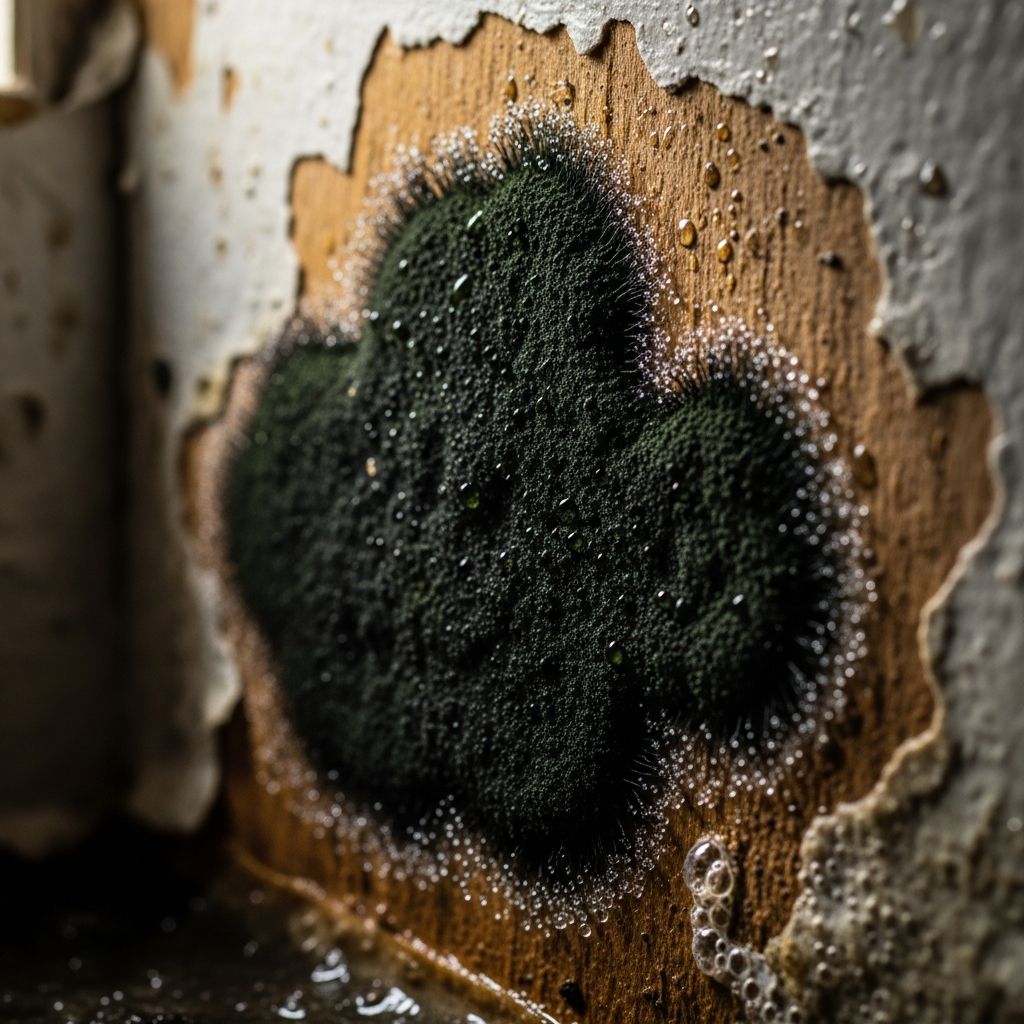
Black mold, scientifically known as Stachybotrys chartarum, is a toxic fungus that thrives in damp environments. While not all black-colored molds are toxic, Stachybotrys chartarum is particularly concerning because it produces mycotoxins—harmful substances that can negatively impact indoor air quality and human health. Black mold typically appears as dark green or black spots and has a slimy texture, distinguishing it from other mold varieties that may appear white, gray, or greenish.
Mold reproduces by releasing microscopic spores into the air. These spores are naturally present in outdoor environments, but when they settle in moist indoor spaces, they germinate and develop into visible mold colonies. Unlike bacteria, mold doesn’t need organic nutrients to grow—it simply requires moisture, darkness, and suitable temperatures to flourish.
Where Does Black Mold Grow?
Understanding where black mold thrives is crucial for prevention and early detection. Mold grows wherever moisture accumulates in your home, particularly in areas with poor ventilation and limited air circulation. Common problem areas include:
- Bathrooms: Check behind toilets, under sinks, and around shower grout where moisture is constant.
- Basements: Inspect corners, near sump pumps, and around windows where groundwater can seep in.
- Kitchens: Look under the sink, around the dishwasher, and near the refrigerator where water leaks occur.
- Attics: Examine roof leaks, insulation, and vents where condensation builds up.
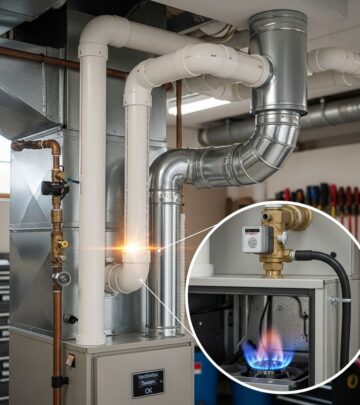
- HVAC Systems: Heating and cooling ducts can harbor mold, spreading spores throughout your home.
Homes with poor ventilation may develop mold in unexpected areas. Any space where condensation regularly forms is a potential breeding ground for black mold, so inspect thoroughly around moisture-prone zones.
Health Risks Associated With Black Mold
Exposure to black mold and its mycotoxins can lead to various health problems, particularly for vulnerable populations. Common symptoms of mold exposure include respiratory issues, allergic reactions, nasal congestion, eye irritation, and skin irritation. Individuals with asthma, compromised immune systems, or chronic lung conditions are at higher risk of experiencing severe reactions.
Prolonged exposure to black mold may cause more serious health complications. Some individuals report fatigue, headaches, and memory problems. Children, elderly people, and those with pre-existing health conditions should minimize exposure to moldy environments. If you suspect black mold in your home and experience unusual health symptoms, consult a healthcare professional.
Identifying Black Mold in Your Home
Early identification is key to preventing widespread contamination. Black mold typically appears as dark, slimy patches on surfaces. However, not all dark mold is Stachybotrys chartarum, and visual identification alone isn’t always reliable. If you suspect black mold, look for these characteristics:
- Dark green or black coloring with a slightly slimy appearance
- Located in consistently damp areas
- Musty odor in the affected area
- Visible water damage or moisture stains nearby
For definitive identification, consider having a professional perform a mold test. While testing kits are available commercially, professional assessment provides more accurate results and helps determine the extent of contamination.
DIY Black Mold Removal: When and How
Assessing Whether DIY Removal Is Appropriate
Small mold infestations covering less than 10 square feet are typically safe for homeowners to clean themselves using proper safety precautions. However, larger infestations, mold in HVAC systems, or mold in hard-to-reach areas require professional remediation. If you’re unsure about the extent of contamination or if the mold keeps returning after cleaning, call a professional.
Gathering Your Supplies
Before starting any mold removal project, assemble the necessary tools and cleaning solutions. You’ll need:
Protective Equipment:
- N-95 respirator to prevent inhaling mold spores
- Disposable gloves to protect your skin
- Eye protection or goggles to shield against falling spores
- Disposable clothing or coveralls that you can discard after cleanup
Cleaning Solutions:
- Vinegar: White distilled vinegar is mildly acidic and can kill approximately 82% of mold species, making it ideal for porous surfaces like wood and drywall.
- Hydrogen Peroxide: Effective on non-porous surfaces such as tiles and glass.
- Baking Soda: A mild abrasive solution useful for scrubbing and preventing future growth.
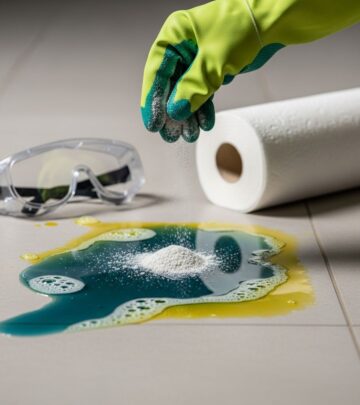
- Bleach: Reserved only for non-porous surfaces using a 1:10 dilution with water. Never mix bleach with other cleaning chemicals.
Tools and Equipment:
- Stiff-bristled brushes or scrub brushes in various sizes
- Spray bottles for applying cleaning solutions
- HEPA vacuum for removing loose spores
- Buckets for mixing solutions
- Cleaning cloths or sponges
- Plastic sheeting and tape for containment
- Fans or dehumidifier for drying
Step-by-Step Removal Process
Step 1: Identify the Source of Moisture
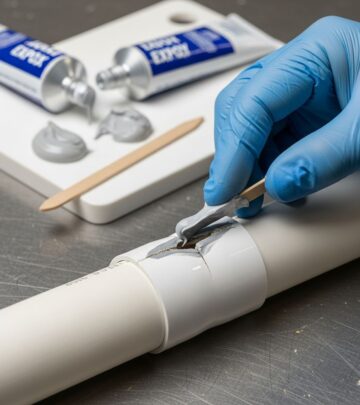
Before cleaning any mold, you must identify and fix the underlying moisture problem. Mold is a symptom of excess moisture, and if you don’t eliminate the source, the mold will return. Look for leaks, condensation, or other moisture sources and address them immediately.
Step 2: Prepare the Area
Seal off the affected area to prevent mold spores from spreading throughout your home. Use plastic sheeting and tape to seal doors, vents, and windows. If possible, create negative pressure in the room by using a fan to blow air out a window. This helps contain spores and prevents them from migrating to other areas. Remove furniture, rugs, and other items that could be contaminated.
Step 3: Remove Loose Spores
Use a HEPA vacuum to remove loose mold spores from surfaces before applying cleaning solutions. Empty the vacuum outside to prevent spores from re-entering your home. This step is important for reducing airborne spore count and making the cleaning process more effective.
Step 4: Apply Cleaning Solution
Choose your cleaning solution based on the surface type. For porous surfaces like drywall and wood, use the vinegar method: fill a spray bottle with undiluted white vinegar, spray the moldy area generously, and let it sit for at least one hour to penetrate and kill the mold. For non-porous surfaces like tiles and glass, hydrogen peroxide is more effective. Spray hydrogen peroxide on the affected area, let it sit for 10 minutes, then scrub.
If using bleach solution, mix 1/2 cup of bleach with either 5 cups of water for small areas or 1/2 gallon of bleach with a 5-gallon pail of water for larger areas. Always follow all directions and warnings on the bleach label.
Step 5: Scrub and Clean
Use a stiff-bristled brush to scrub all moldy surfaces thoroughly. For baking soda solutions, mix one-quarter tablespoon with water in a spray bottle, spray the mold, scrub it off, then rinse with water and reapply to prevent future growth. Wipe the surface clean with a damp cloth after scrubbing.
Step 6: Dry Thoroughly
Mold thrives in moisture, so complete drying is critical. Use fans or a dehumidifier to dry the area thoroughly. You can also open windows for natural ventilation. Consider using a moisture meter to check for hidden moisture that could promote regrowth.
Step 7: Dispose of Contaminated Materials
Seal any contaminated materials, including scrub brushes, rags, sponges, and disposable clothing, in plastic bags before disposing of them. This prevents mold spores from spreading to other areas of your home. Thoroughly clean all tools with bleach or hydrogen peroxide to prevent cross-contamination.
When to Call a Professional
Large mold infestations exceeding 10 square feet require professional remediation services. Additionally, call a professional if:
- Mold is present in your HVAC system, as it can spread spores throughout your entire home
- Mold is located in hard-to-reach areas like inside walls or crawl spaces
- The mold keeps returning after DIY cleanup attempts
- You have health concerns or live with vulnerable individuals
- The infestation seems impossible to clear with basic tools and cleaners
Professional remediators have specialized equipment and expertise to handle severe infestations safely and effectively.
Prevention Strategies
Preventing black mold is far easier than removing it. Implement these strategies to keep your home mold-free:
Control Humidity
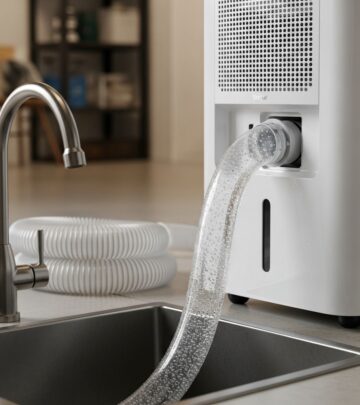
Keep indoor humidity levels below 50% to prevent mold growth. Use a dehumidifier in damp areas like basements and bathrooms. Monitor humidity levels with a hygrometer to ensure they remain in the safe range.
Improve Ventilation
Ensure your home is well-ventilated, especially in areas prone to moisture. Install and use exhaust fans in bathrooms and kitchens. Open windows regularly to promote air circulation and reduce indoor moisture levels.
Fix Leaks Immediately
Repair any leaks in roofs, windows, or pipes as soon as they occur. Even small leaks can create the moisture mold needs to flourish. Conduct regular inspections of vulnerable areas.
Clean Regularly
Regular cleaning and maintenance, especially in moisture-prone areas, helps prevent mold growth. Clean areas weekly with vinegar or hydrogen peroxide to prevent mold from taking root.
Address Condensation
Wipe down surfaces after showers or cooking to prevent condensation buildup. Use a squeegee on shower walls and doors after each use to keep surfaces dry.
Apply Preventative Treatments
Consider using mold-resistant paint and sealants in high-risk areas. Leave dishwasher and shower doors open after use to promote drying. These preventative measures create an inhospitable environment for mold growth.
Area-Specific Tips
Basements
Scrub walls with vinegar or hydrogen peroxide. Install a sump pump or dehumidifier to control moisture. Seal cracks in walls or floors to prevent groundwater seepage.
Bathrooms
Use hydrogen peroxide or bleach on non-porous surfaces like tiles. Install a humidity-sensing exhaust fan to automatically control moisture. Inspect and seal grout regularly.
Kitchens
Check under sinks regularly for leaks. Use an exhaust fan while cooking to reduce steam and moisture. Wipe down surfaces immediately after use.
Attics
Wear goggles to protect against falling spores when cleaning ceiling mold. Spray diluted vinegar, wait one hour, then gently wipe. Fix roof leaks or improve attic ventilation to prevent recurrence.
Dishwashers
Run a cycle with one cup of vinegar on the hottest setting. Scrub the rubber seal with baking soda. Leave the door open after each use to dry.
Frequently Asked Questions
Q: How can I tell if mold is black mold or just regular mold?
A: Visual identification alone isn’t reliable. Black mold typically has a slimy texture and dark green or black appearance in consistently damp areas. For definitive identification, have a professional perform a mold test to determine if it’s the toxic Stachybotrys chartarum variety.
Q: Is it safe to remove black mold myself?
A: Small infestations under 10 square feet can be safely removed with proper protective equipment and cleaning solutions. Larger infestations, mold in HVAC systems, or mold that keeps returning requires professional remediation to ensure complete removal.
Q: What’s the best natural solution for killing black mold?
A: White distilled vinegar is highly effective for most mold species, killing approximately 82% of them. It’s non-toxic, affordable, and ideal for porous surfaces like wood and drywall. Apply undiluted vinegar, let it sit for one hour, then scrub and rinse.
Q: How do I prevent black mold from returning?
A: Fix the underlying moisture problem first. Then maintain humidity below 50%, ensure good ventilation, fix leaks immediately, and clean regularly with vinegar or hydrogen peroxide. Address condensation quickly and consider using mold-resistant paint in high-risk areas.
Q: What health problems can black mold cause?
A: Exposure to black mold can cause respiratory issues, allergies, nasal congestion, eye irritation, and skin problems. Vulnerable populations including children, the elderly, and those with compromised immune systems face higher risks of severe reactions.
Q: Why does mold keep coming back after I clean it?
A: Mold returns when you don’t eliminate the moisture source. Before cleaning, identify and fix any leaks, improve ventilation, or install a dehumidifier. Without addressing the underlying moisture problem, mold will inevitably regrow.
Q: Should I mix bleach with other cleaning chemicals?
A: No, never mix bleach with other chemicals, particularly ammonia or vinegar, as this creates toxic fumes. Always follow all directions and warnings on the bleach label and use bleach only on non-porous surfaces with proper ventilation.
Q: What equipment do I need for safe mold removal?
A: Use an N-95 respirator, disposable gloves, eye protection, and disposable clothing. You’ll also need spray bottles, stiff-bristled brushes, a HEPA vacuum, plastic sheeting for containment, and fans or a dehumidifier for drying the area after cleanup.
References
- How to Do Mold Remediation Yourself: A Step-by-Step Guide — COIT. 2025. https://www.coit.com/blog/healthy-home/how-do-mold-remediation-yourself-step-step-guide
- How to Get Rid of Black Mold: Safe Removal & Prevention Guide — WINI. 2025. https://wini.com/articles/how-to-get-rid-of-black-mold/
- Dealing with and Preventing Mold in Your Home — University of Minnesota Extension. 2025. https://extension.umn.edu/moisture-and-mold-indoors/dealing-and-preventing-mold-your-home
- Mold Cleanup in Your Home — U.S. Environmental Protection Agency. 2025. https://www.epa.gov/mold/mold-cleanup-your-home
Similar Articles



Read full bio of Sneha Tete