Transform Colored Sheets to White: Complete Guide
Master the art of whitening colored fabric with proven methods and expert tips.
Understanding Fabric Composition Before Bleaching
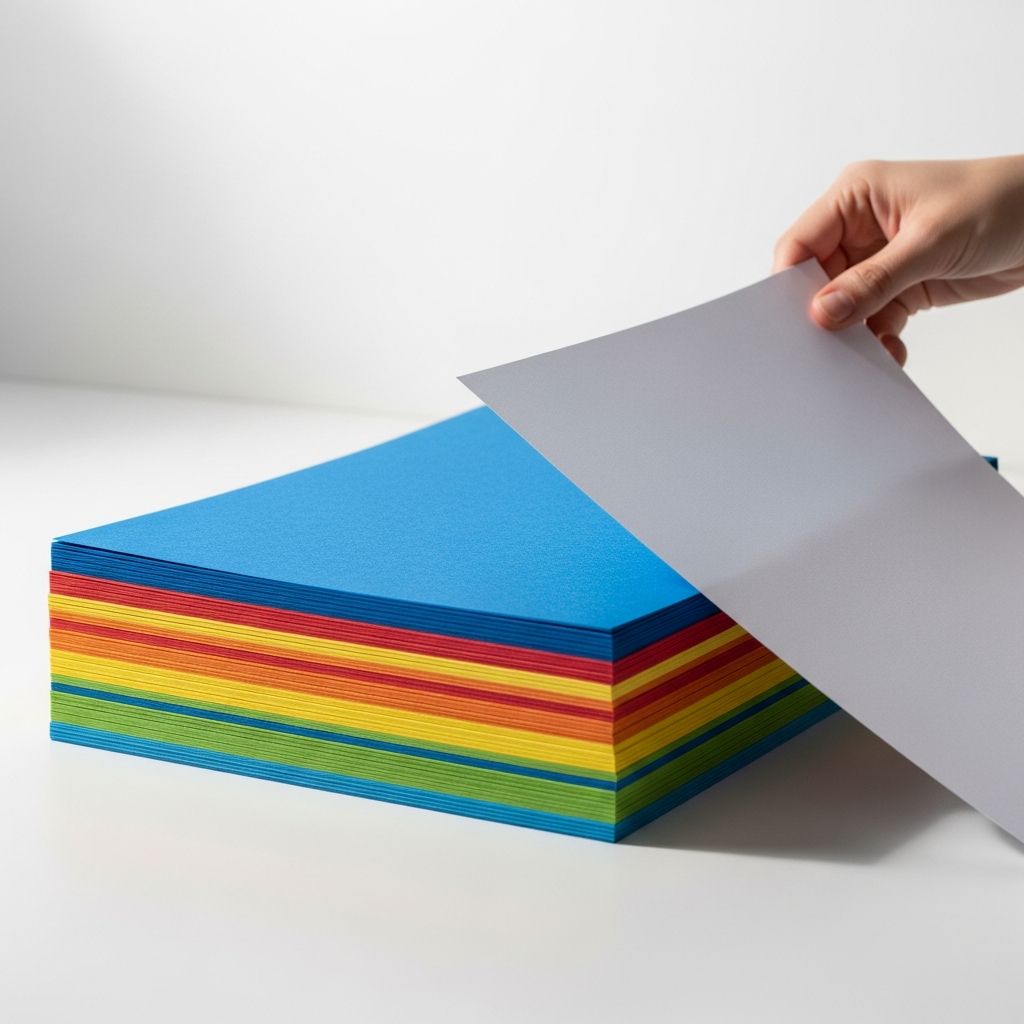
Before attempting to transform colored sheets into white, understanding the fabric’s composition is essential. Different materials respond differently to bleaching agents and chemical treatments. Cotton sheets, for instance, are generally more resilient and can withstand stronger bleaching solutions compared to delicate fabrics. Linen sheets require a more cautious approach, as aggressive bleaching can compromise the structural integrity of the fibers. Always check the care label on your sheets to determine the fabric type and any manufacturer warnings about bleach or chemical treatments. This preliminary step prevents unexpected damage and ensures you select the most appropriate whitening method for your specific sheet material.
Testing Colorfastness Before Treatment
One of the most critical steps before bleaching colored sheets is performing a colorfastness test. This simple procedure determines whether the dye will transfer, fade, or cause uneven discoloration when exposed to bleaching agents. To conduct a proper test, mix 2 teaspoons of your chosen bleaching product with ¼ cup of water. Apply a small drop of this solution to a hidden section of the sheet—typically an area that tucks under the mattress or a corner seam. Wait approximately one minute, then blot the area dry with a clean cloth. Examine the tested section carefully for any color change, fading, or unexpected reactions. If no color change occurs, you can proceed with confidence. If discoloration appears, consider using a gentler alternative method or a non-chlorine option instead.
Chemical Bleaching Methods for Maximum Whitening
Chemical bleaching agents offer powerful whitening capabilities for transforming colored sheets. However, they require careful handling and proper understanding of application techniques to achieve optimal results without damaging the fabric.
Chlorine Bleach Application
Chlorine bleach remains one of the most effective whitening solutions available for cotton and similar sturdy fabrics. When using chlorine bleach, begin by washing your sheets with regular detergent in hot water to remove surface dirt and oils. After the initial wash cycle completes, add ½ cup of chlorine bleach directly to the washing machine drum—not to the detergent dispenser—and run a standard wash cycle. The hot water activates the bleaching agent more effectively than cold water. If a bleach odor persists after the cycle completes, run an additional wash cycle using regular detergent and hydrogen peroxide to neutralize and eliminate the smell. For linen sheets specifically, restrict soaking time in chlorine bleach to between 5 and 10 minutes, as extended exposure can weaken the fibers. Always ensure proper ventilation when using chlorine bleach, as the fumes can be irritating.
Oxygen Bleach as a Gentler Alternative
Oxygen-based bleaches provide a less aggressive whitening option compared to chlorine products. These products work through oxidation rather than chlorine compounds, making them safer for a wider range of fabrics. Oxygen bleach can be incorporated into your regular washing routine without the intensity of chlorine treatments. For best results with oxygen bleach, use it consistently with each wash cycle and plan to launder your sheets every one to two weeks. This approach maintains whiteness gradually rather than relying on a single intensive treatment session.
Natural Whitening Alternatives
For those preferring eco-friendly or chemical-free methods, several natural ingredients effectively whiten colored sheets while being gentle on fabrics and the environment.
Lemon Juice Treatment
Lemon juice contains citric acid, a natural bleaching compound that brightens fabric without harsh chemicals. The method also leaves a pleasant citrus fragrance on your sheets. You can employ lemon juice in two different ways. The first approach involves juicing one fresh lemon and pouring the juice into your washing machine along with regular detergent, then washing normally. For a more intensive treatment, mix ½ cup of lemon juice with one gallon of hot water and soak the sheets for at least one hour, though overnight soaking produces more significant results. After soaking, machine wash the sheets as usual. Note that this lemon juice soaking method should not be used on silk or other delicate fabrics due to the acidity level.
Baking Soda Whitening Solution
Baking soda functions as a gentle yet effective whitening agent suitable for most fabric types. Beyond whitening, it also softens fabric and helps lift stains. The standard approach involves adding ½ cup of baking soda directly to the washing machine drum and running a normal wash cycle with your regular detergent. For enhanced results, prepare a soaking solution by mixing 1 cup of baking soda with 4 liters of water, submerging your sheets for several hours or overnight before washing. The baking soda helps loosen embedded dirt and grime while gradually brightening the fabric.
White Vinegar and Hydrogen Peroxide Methods
White vinegar offers a dual-purpose solution for whitening and removing odors from sheets. Add white vinegar to the fabric softener dispenser line in your washing machine along with ½ cup of baking soda in the drum, ensuring these ingredients remain separate during the wash cycle. This combination works synergistically to brighten and freshen fabric. Alternatively, mix ½ cup of vinegar with 1 gallon of hot water, soak sheets for at least one hour, then wash normally. Air drying after this treatment helps eliminate any residual vinegar smell.
Hydrogen peroxide serves as an excellent secondary treatment, particularly effective for removing dingy yellowing. Add one cup of hydrogen peroxide to the washing machine drum before adding sheets, or use the bleach dispenser if sheets are already loaded. Hydrogen peroxide works best when used after an initial treatment with baking soda or another primary whitening agent. Never combine hydrogen peroxide with vinegar or chlorine bleach in the same cycle, as this creates potentially dangerous chemical reactions. Instead, complete the first wash cycle with your chosen primary whitening agent, then run a separate cycle with hydrogen peroxide to eliminate odors and buildup.
Liquid Bluing for Yellow Undertone Neutralization
Liquid bluing represents a specialized whitening technique that neutralizes yellow tones through optical illusion rather than actual bleaching. The blue pigment in the solution counteracts yellow undertones, making sheets appear brighter and whiter. However, the effect gradually diminishes with each subsequent wash. To use liquid bluing properly, dilute 1 teaspoon of the product in 1 gallon of water—never add bluing directly to sheets as the concentrated solution may cause staining. Pour the diluted solution into the washing machine drum along with regular detergent. Importantly, never place liquid bluing in automatic dispensers, as this can concentrate the product and create permanent marks on fabric.
Multi-Step Whitening Protocol for Superior Results
Achieving optimal whitening from colored sheets often requires a structured approach combining multiple techniques across several wash cycles.
Pre-Soaking Stage
Begin by pre-soaking sheets in warm or hot water for a minimum of one hour to loosen surface dirt and prepare fibers for treatment. For this stage, use either ½ cup of white vinegar per gallon of hot water, ½ cup of lemon juice per gallon, or ½ cup of borax per gallon. Borax is a natural mineral that enhances cleaning power while being gentler than harsh chemicals. This preparatory soaking stage ensures that your whitening agents work more efficiently on cleaner fabric.
Primary Whitening Cycle
During the first wash cycle, select one primary whitening agent from your available options: ½ cup of baking soda, freshly squeezed lemon juice, ½ cup of chlorine bleach, white vinegar added to the fabric softener dispenser, or 1 teaspoon of diluted liquid bluing in 1 gallon of water. When using vinegar or lemon juice as your primary agent, skip fabric softener entirely since these ingredients provide the softening benefit. Run a standard wash cycle with your chosen whitening agent and regular detergent.
Secondary Treatment and Deodorizing
If residual odors or buildup remain after the initial cycle, run a second wash cycle using hydrogen peroxide without detergent. Hydrogen peroxide safely breaks down in water and is compatible with all washable, color-stable fabrics. Alternatively, you can apply diluted liquid bluing during this secondary cycle if you notice yellow tones returning. This second cycle serves primarily as a freshening and deodorizing step rather than intensive whitening.
Drying Techniques to Maximize Whitening
The drying method you choose significantly impacts the final whiteness and appearance of your sheets. Air drying in direct sunlight provides natural bleaching properties that cannot be replicated indoors. Sunlight contains ultraviolet radiation that naturally whitens and brightens fabric while also providing antimicrobial benefits. Hang your sheets outdoors and rotate them periodically to ensure even exposure to sunlight. This method works gradually but consistently over time. If outdoor drying is unavailable, indoor air drying in a well-ventilated area still provides benefits compared to machine drying, which can set stains and reduce the effectiveness of your whitening treatments.
Treating Specific Types of Stains Before Bleaching
Certain stains require pre-treatment before general whitening procedures for optimal removal. Protein-based stains such as sweat, body oils, and other biological matter should be pre-treated with a small amount of liquid detergent applied directly to the stain. Rub the detergent gently into the affected area and allow it to sit for approximately 5 minutes without allowing the detergent to completely dry on the fabric. Then wash in hot water with your chosen whitening method. For stubborn stains that have accumulated over time and may have been heat-set in a hot dryer, you may need to repeat the entire whitening treatment multiple times for complete success.
Specialized Approaches for Different Colored Sheet Types
Not all colored sheets can be safely transformed to white using the same methods. Light-colored sheets such as off-white, cream, or ivory may whiten successfully if the dye proves colorfast to bleach, though this requires testing first. Darker colors or vibrant dyes rarely transform to pure white without significant risk of uneven discoloration or patchy fading. If your test indicates that the sheet color is not bleach-safe, consider using Clorox 2 or similar oxygen-based color-safe stain removers instead. These products can gradually lighten and brighten fabric over multiple treatments without completely stripping color.
Safety Considerations and Environmental Impact
When working with bleaching agents, proper ventilation is essential to avoid inhaling harsh fumes. Open windows and doors to allow air circulation throughout your laundry space. Wear gloves when handling concentrated bleach solutions to protect your skin, and never mix different bleaching products together, as this creates dangerous chemical reactions. Store all bleaching agents safely away from children and pets in their original labeled containers. From an environmental perspective, natural whitening methods using lemon juice, baking soda, and sunlight produce minimal ecological impact compared to chemical bleaches, making them preferable when time permits.
Frequently Asked Questions
Q: Is it possible to bleach colored sheets to pure white?
A: It depends on the dye and fabric composition. Light-colored sheets may whiten successfully if the dye is colorfast to bleach, but darker colors typically fade unevenly rather than transforming to pure white. Always perform a test before attempting extensive bleaching.
Q: How long does the whitening process take?
A: Results vary by method. Chemical bleaching can show dramatic results in a single wash cycle, while natural methods like sunlight and baking soda produce gradual improvements over multiple treatments and weeks of consistent application.
Q: Can I bleach silk or delicate sheet materials?
A: Delicate fabrics require gentler methods. Avoid soaking silk sheets in lemon juice or harsh chemical bleaches. Instead, use diluted hydrogen peroxide, gentle oxygen bleach, or rely on natural sunlight exposure for gradual brightening.
Q: What should I do if bleaching causes uneven discoloration?
A: Uneven discoloration indicates the dye was not colorfast to your chosen bleaching agent. You may attempt to remedy this by soaking the entire sheet in a diluted solution of the same agent to create more uniform fading, or consider dyeing the sheets a new color.
Q: How often should I whiten my sheets to maintain whiteness?
A: For best results, wash sheets every one to two weeks using oxygen bleach or natural whitening agents. This consistent maintenance prevents yellowing and dingy appearance better than occasional intensive treatments.
Q: Are natural whitening methods as effective as chemical bleach?
A: Natural methods work effectively for maintenance and gradual brightening but may not achieve the dramatic whitening power of chemical bleach for heavily stained sheets. For best results, combine natural methods with occasional chemical treatments.
References
- How to Whiten Sheets in 6 Simple Steps — Casper Sleep Inc. 2025. https://casper.com/blogs/article/how-to-whiten-sheets
- Can You Bleach Off White, Ivory, and Cream Colored Sheets? — Clorox Company. 2025. https://www.clorox.com/learn/can-you-bleach-off-white-ivory-cream-colored-sheets/
- Can You Bleach Linen Sheets? A Detailed Guide — Linoto. 2025. https://www.linoto.com/blogs/all-about-linen/can-you-bleach-linen-sheets-a-detailed-guide
Similar Articles




Read full bio of medha deb