Bleed Air From Water Pipes: 4-Step Homeowner Guide
Master the essential DIY technique to eliminate trapped air from home plumbing lines for optimal water flow and pressure restoration.
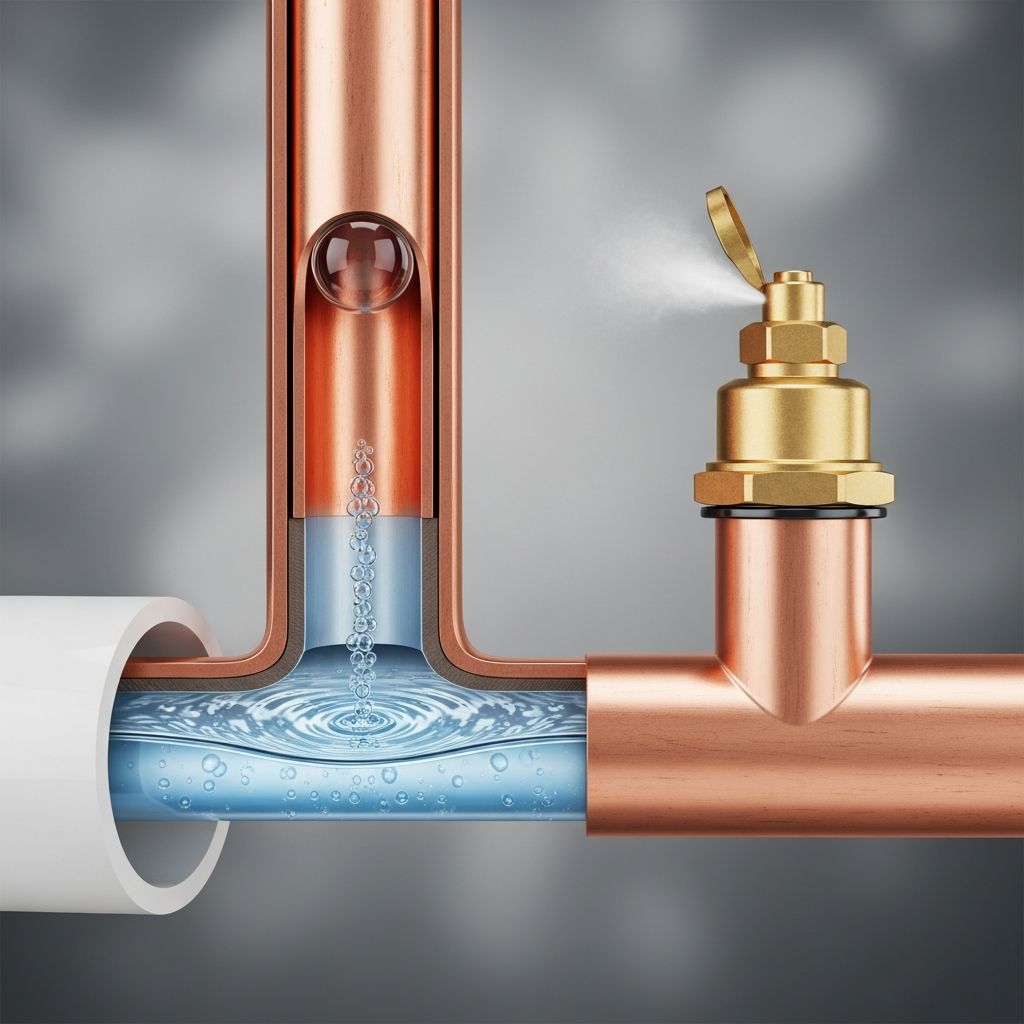
Bleed Air from Water Pipes: Complete Homeowner’s Guide
Trapped air in water pipes disrupts normal flow, causing sputtering faucets, reduced pressure, and unusual noises. Bleeding pipes releases these air pockets, restoring smooth operation without professional help in most cases. This process applies to standard residential systems after repairs, shutdowns, or pressure changes.
Recognizing Signs of Air in Your Plumbing
Air enters pipes during maintenance, new installations, or municipal shutoffs. Common indicators include:
- Intermittent sputtering or spitting from faucets
- Lower-than-normal water pressure
- Banging, knocking, or gurgling sounds in lines
- Inconsistent flow from showers, sinks, or appliances
- Delayed water delivery at distant fixtures
These symptoms often resolve with proper bleeding, but persistent issues may signal leaks or clogs requiring expert inspection.
Essential Tools and Materials for the Job
Gather these items before starting to ensure efficiency:
| Item | Purpose |
|---|---|
| Adjustable wrench | Operate stiff valves |
| Bucket or towels | Catch drips and spills |
| Screwdriver | Access aerators or drains |
| Flashlight | Locate valves in tight spaces |
| Pliers | Remove screens if needed |
Most households already own these basics, minimizing preparation time.
Finding Your Home’s Main Water Shutoff
The main valve controls all water entry. Common locations include:
- Basement or utility room near entry pipe
- Garage or crawlspace
- Exterior near meter (frost-protected in cold climates)
- Under sinks in slabs
Identify valve type for safe handling:
- Ball valve: Lever perpendicular to pipe when off
- Gate valve: Clockwise wheel turns to close
Test operation annually; calcified valves resist turning and demand professional service to avoid damage.
Step-by-Step Process to Bleed Residential Pipes
Follow this sequence methodically, starting closest to the main for best results.
Step 1: Isolate the System
Turn off the main valve fully. Confirm no water flows from any fixture. This prevents pressure surges during air release.
Step 2: Drain Existing Water
Open all faucets halfway—hot and cold—beginning nearest the main. Include showers, tubs, outdoor spigots. Flush toilets repeatedly. Run dishwasher or washer briefly if connected. Expect initial drips transitioning to air hisses.
Step 3: Restore Supply Gradually
With fixtures open, slowly reopen the main valve over 30-60 seconds. Listen for escaping air bursts. Allow 10-15 minutes for full pressurization until streams run clear and steady.
Step 4: Close in Reverse Order
Shut farthest fixtures first, progressing to nearest. Reflush toilets and test appliances. Clean aerators of debris pushed by airflow.
Handling Air in Specific Plumbing Branches
Whole-house bleeding covers most cases, but targeted approaches work for isolated lines.
Hot Water Lines
Air often lingers in heaters post-refill. Open hot faucets first, run until steady, then cycle heater if electric or gas.
Appliance Lines (Dishwasher, Washer)
Disconnect hoses if accessible, drain manually, reconnect, and run short cycles with open faucets nearby.
Ice Maker or Fridge Dispensers
Shut isolation valves, draw water at dispenser until solid flow. Purge lines by cycling ice production.
Outdoor or Distant Lines
Winterize reversal: start from hose bibs inward, confirming no freezing risks.
Safety Precautions During Bleeding
Prioritize these measures:
- Wear eye protection against sprays
- Place buckets under fixtures
- Avoid full-throttle valve turns to prevent bursts
- Monitor for leaks post-process
- Keep children/pets away from work area
High pressure can propel water forcefully; gradual operation minimizes hazards.
Troubleshooting Persistent Air Problems
| Symptom | Possible Cause | Solution |
|---|---|---|
| Air returns quickly | Leaks or faulty check valves | Inspect fittings; call plumber |
| Pressure stays low | Pump issues or clogs | Clean aerators; test pump |
| Noises continue | Water hammer | Install arrestors |
| One fixture only | Localized trap | Repeat on that branch |
If DIY fails after two cycles, underlying issues like cracks or municipal pressure drops may require diagnostics.
Preventive Maintenance for Air-Free Plumbing
Avoid recurrence through routine habits:
- Annual main valve exercises
- Flush lines post-shutoffs
- Install water softeners in hard water areas
- Winterize outdoors properly
- Monitor pressure gauges quarterly
These steps extend system life and reduce callouts.
FAQs on Bleeding Water Pipes
Q: How long does bleeding take?
A: Typically 15-30 minutes for full homes; longer for multi-story.
Q: Can I bleed pipes with water running?
No—always isolate first to safely vent air.
Q: Why clean aerators after?
Debris from agitation lodges there, restricting flow.
Q: Does this fix low pressure permanently?
It addresses air; persistent drops indicate other faults.
Q: Safe for well systems?
Yes, but cycle pump after; consult manual.
Benefits of Regular Pipe Bleeding
Beyond immediate fixes, this maintenance:
- Protects fixtures from air-induced wear
- Optimizes appliance efficiency
- Prevents unexpected failures
- Saves on professional fees
Homeowners report 20-50% pressure gains post-bleed.
References
- How To Bleed Trapped Air Out of Your Plumbing System — Harris Water Main and Sewers. 2023. https://www.harriswatermainandsewers.com/how-to-bleed-trapped-air-out-of-your-plumbing-system/
- How to Bleed Plumbing Pipes — ExpertVillage Leaf Group (YouTube). 2020-12-13. https://www.youtube.com/watch?v=LY6XnJhLMNw
- WOW Water – Bleeding the Lines — WOW Water System (YouTube). 2017. https://www.youtube.com/watch?v=PYh_q5XWS_0
- How To Remove Air in Water Pipes — This Old House. 2024. https://www.thisoldhouse.com/plumbing/fix-air-in-water-pipes
- How to remove air in water line? — Bunnings Workshop. 2020. https://www.workshop.bunnings.com.au/t5/Bathroom-and-Laundry/How-to-remove-air-in-water-line/td-p/155095
Similar Articles








Read full bio of medha deb