Bleed Baseboard Radiators: Step-By-Step Guide For Homeowners
Master the art of bleeding baseboard radiators to restore efficient heating, prevent cold spots, and extend your system's lifespan with these detailed DIY steps.
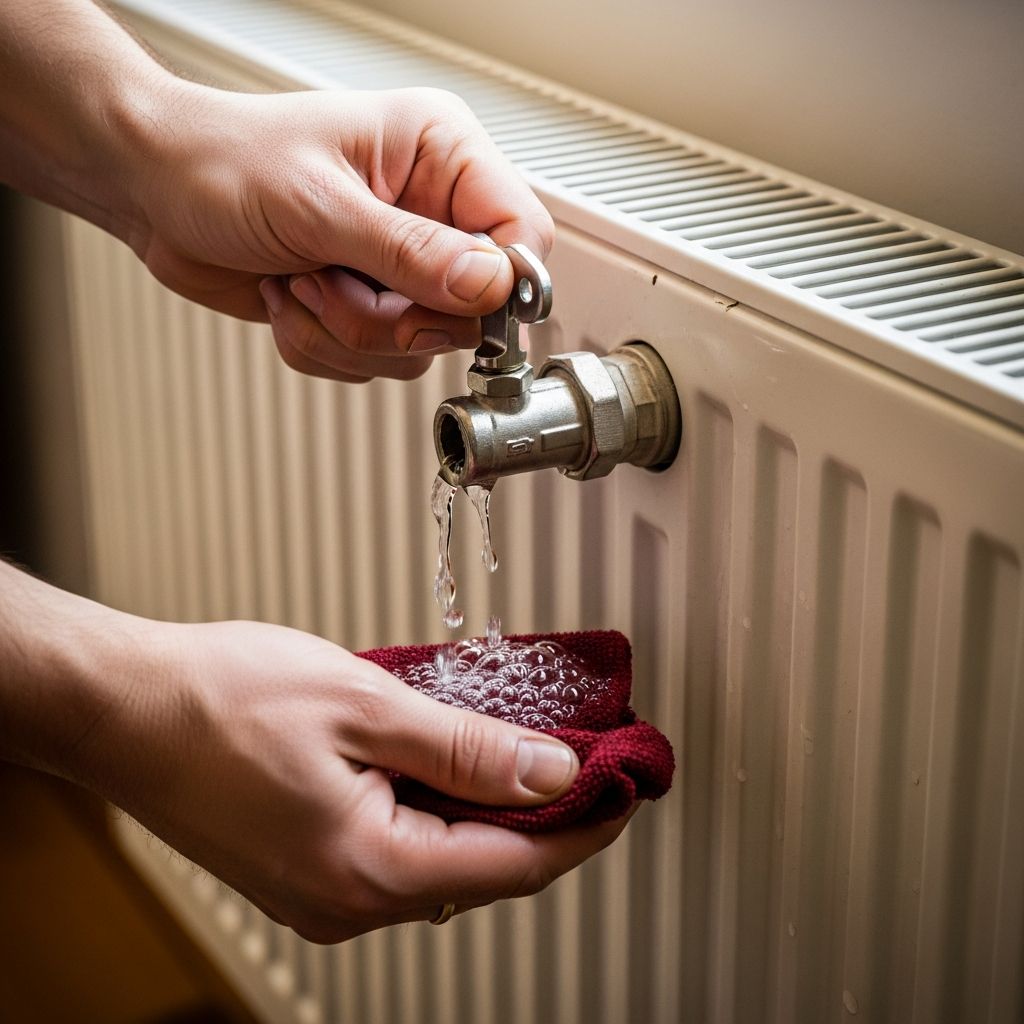
Bleed Baseboard Radiators Effectively
Baseboard radiators are essential components of many hydronic heating systems, circulating hot water to warm rooms evenly. Over time, air pockets can trap inside these units, blocking hot water flow and causing uneven heating or cold sections. Bleeding the radiator releases this trapped air, restoring full efficiency and comfort. This process is straightforward for homeowners and can save on energy bills while preventing costly repairs.
Understanding Hydronic Baseboard Heating Systems
Hydronic systems use a boiler to heat water, which then travels through pipes to baseboard radiators mounted along walls. These radiators transfer heat into the room via convection and radiation. Air enters the system during maintenance, water refills, or through minor leaks, rising to the highest points—often the ends of baseboard units. This air acts as an insulator, preventing hot water from circulating properly.
Regular bleeding maintains optimal performance. According to heating experts, systems with air buildup operate at reduced capacity, forcing the boiler to work harder and increasing wear. In older homes, baseboard styles like Base-Ray require specific attention to bleeder valves at the top or end caps.
Signs Your Baseboard Radiator Needs Bleeding
Recognize problems early to avoid discomfort. Common indicators include:
- A specific room stays cooler than others despite the thermostat setting.
- The radiator feels cold or only partially warm when the system runs.
- Hissing or gurgling noises from the unit during operation.
- Increased boiler cycling or higher energy use without temperature gains.
If multiple radiators show these symptoms, check the boiler’s air separator or automatic vents first. Persistent issues in one unit point to localized air pockets.
Essential Tools and Materials for the Job
Gather these items before starting to ensure a smooth process:
| Item | Purpose | Notes |
|---|---|---|
| Radiator key or flathead screwdriver | Opens bleeder valve | Compact size for tight spaces; keep one per radiator. |
| Wrench or pliers (optional) | For stubborn valves | Use gently to avoid stripping. |
| Shallow pan or rags | Catches drips | Absorbent cloths prevent floor damage. |
| Towel or sponge | Cleanup | For wiping residue. |
| Garden hose (for full purge) | Flushes entire loops | 50-foot length for routing to drains. |
Store tools near radiators for quick access, especially in multi-unit homes.
Preparation Steps Before Bleeding
Safety and system readiness are critical. Follow these steps:
- Turn off the boiler or heating zone using the main switch or thermostat. Allow 30-60 minutes for cooling to avoid burns from hot water.
- Lower the pressure relief valve setpoint temporarily if flushing loops, ensuring adequate flow without overflow.
- Shut off zone valves manually if applicable—push levers to closed position to isolate sections.
- Locate the bleeder valve: typically a small square or slotted nipple at the radiator’s top or end, away from the supply pipe.
For systems without manual bleeders, inspect automatic air vents, which release air passively but may clog over time.
Step-by-Step Guide to Bleeding a Single Radiator
Perform this at the start of heating season and monthly during winter.
- Position yourself safely: Place a pan under the valve. Wear gloves if water might still be warm.
- Open the valve: Insert the key or screwdriver. Turn counterclockwise slowly (1/4 to 1/2 turn). Listen for hissing air escape.
- Wait for water: Air releases first (seconds to a minute in older units). Steady warm water flow signals completion—close immediately by turning clockwise.
- Wipe and inspect: Dry the area. Check for leaks; tighten gently if needed. Avoid over-tightening, which damages seats.
- Restart system: Turn boiler on, monitor for 10-15 minutes. Feel along the radiator for even warmth.
Repeat for each unit, starting farthest from the boiler. In sloped systems, prioritize high ends.
Advanced Technique: Purging Air from Entire Hydronic Loops
For comprehensive air removal after draining or major service:
- Cool boiler completely. Connect hose to zone drain valves or boiler drain.
- Open supply valves and slowly introduce fresh water via fill valve, flushing old water and air out the hose to a drain.
- Isolate zones by closing ball valves downstream, purging one loop at a time to control pressure.
- Monitor boiler pressure (12-15 PSI typical). Add boiler antifreeze if refilling after drain.
- Bleed individual radiators post-purge.
This method ensures no air remains in pipes, ideal for Base-Ray or multi-zone setups.
Safety Precautions and Common Mistakes to Avoid
Prevent accidents and damage:
- Never bleed while system is pressurized or hot—risk of scalding sprays.
- Avoid forcing rusty valves; use penetrating oil or accessible ones repeatedly until circulation clears them.
- Don’t overlook pressure: Low pressure post-bleed requires boiler refill.
- Cap leaks immediately; persistent drips indicate valve replacement needed.
Mistakes like overtightening warp seats, causing future leaks. Always test after restarting.
Troubleshooting Persistent Heating Problems
If bleeding doesn’t resolve issues:
| Symptom | Possible Cause | Solution |
|---|---|---|
| No air or water from valve | Clogged valve or low system pressure | Clean or replace valve; check boiler pressure. |
| Radiator cold after bleeding | Sludge buildup or pump failure | Flush system chemically; inspect circulator. |
| Frequent air buildup | Leaks or auto-vent failure | Pressure test; service automatic vents. |
| Hissing without water | Valve stuck open | Tighten or replace; call pro. |
Daily bleeding signals deeper issues like corrosion or improper installation—consult HVAC technician.
Maintenance Schedule for Long-Term Efficiency
Preventive care extends system life:
- Weekly: Quick bleed noisy or cool units during peak season.
- Monthly: Full inspection of all radiators and boiler pressure.
- Annually: Professional flush and chemical treatment for scale/sludge.
- Pre-winter: Purge loops and test controls.
Modern systems with auto-bleeders need less attention but annual checks.
Benefits of Regular Radiator Bleeding
Beyond comfort, bleeding yields:
- 15-20% energy savings from efficient circulation.
- Reduced boiler strain, lowering repair frequency.
- Even room temperatures, improving home livability.
- Extended radiator lifespan by minimizing corrosion from stagnant water.
FAQs
What if my radiator has no bleeder valve?
Seek automatic air vents at the top. If absent or clogged, professional inspection is required—do not improvise.
How often should I bleed baseboards?
Monthly in heating season for older systems; less for new ones with auto-vents.
Can I bleed radiators while the boiler is on?
No—risks introducing more air and hot water ejection. Always shut off first.
Why does air keep returning?
System leaks, improper fill pressure, or faulty expansion tank. Test professionally.
Is bleeding safe for all hydronic systems?
Yes, for hot water baseboards. Steam systems use different methods—verify your type.
References
- How to Bleed Baseboard Heaters in 3 Steps — Angi. 2023. https://www.angi.com/articles/how-to-bleed-baseboard-heater.htm
- How to Bleed Air From Baseboards – Hydronic/Base-Ray/Boiler — YouTube (Concord Carpenter). 2022-10-15. https://www.youtube.com/watch?v=H-7EYOwvY14
- How to Bleed AIR from Baseboard heating system — YouTube. 2023. https://www.youtube.com/watch?v=uqzDEjFqfpk
- Purging Air in Hydronic Heating Lines — Fine Homebuilding. 2018-11-09. https://www.finehomebuilding.com/2018/11/09/purging-air-in-hydronic-heating-lines
Similar Articles


Read full bio of Sneha Tete