Bonding Wood to Glass: Expert Techniques
Master the art of joining wood and glass with proven adhesives, preparation steps, and project ideas for durable, stunning results.
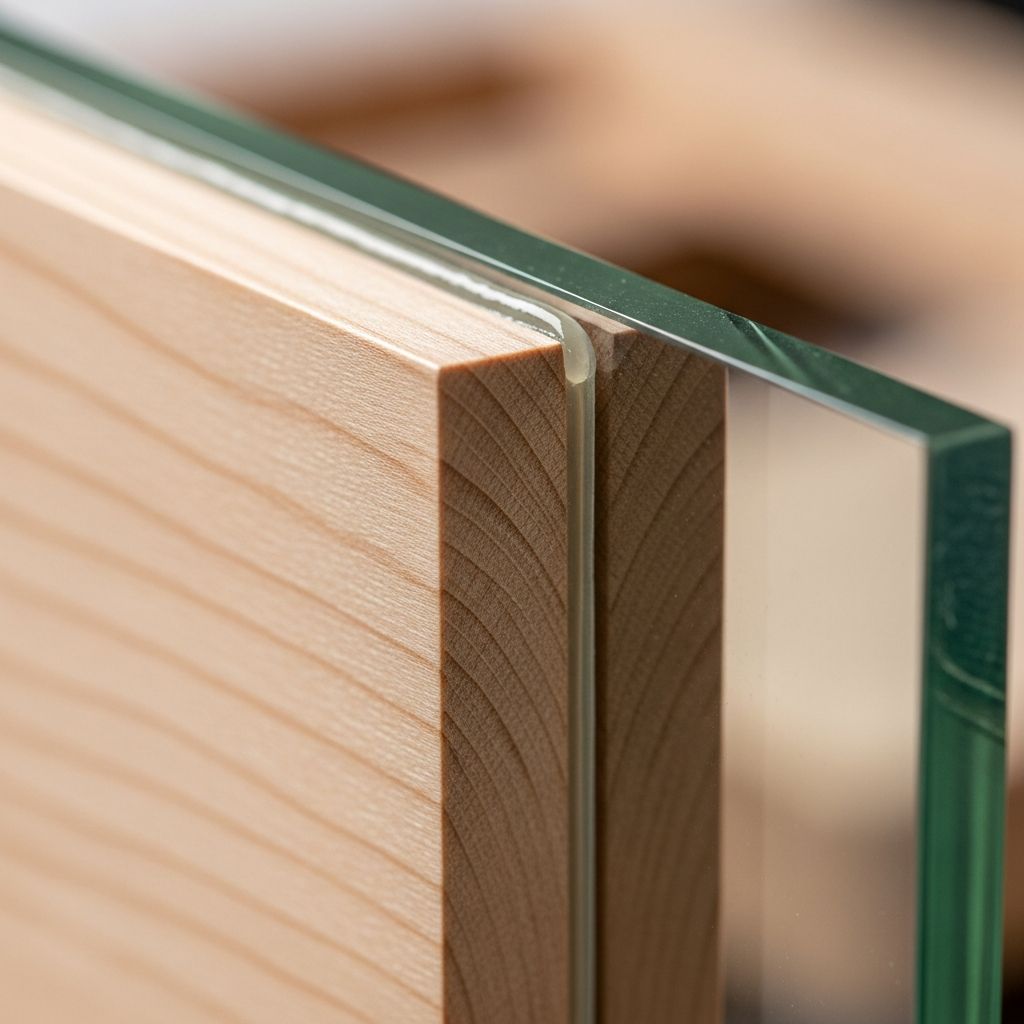
Joining wood and glass creates striking contrasts in DIY projects, from decorative shelves to custom awards. These materials differ vastly—glass is smooth and non-porous, while wood is porous and prone to expansion with humidity—demanding specific adhesives for a lasting hold.
Why Wood and Glass Are Challenging to Bond
Wood absorbs moisture and swells or shrinks seasonally, whereas glass remains dimensionally stable. Without a flexible or strong enough adhesive, bonds fail under stress. Success hinges on choosing products that bridge these properties, ensuring clarity, strength, and durability.
Top Adhesives for Secure Wood-to-Glass Bonds
Several adhesive types excel here, each suited to project scale and conditions. Here’s a breakdown:
- Two-Part Epoxies: Offer rigid, gap-filling bonds ideal for furniture or outdoor items. They resist water, solvents, and temperature swings, curing clear for invisible seams.
- Flexible Silicone Sealants: Absorb wood’s movement, perfect for humid environments, though curing takes longer (up to 24 hours).
- High-Bond Tapes (e.g., 3M VHB): Provide instant flexibility and permanent adhesion, used even in aerospace. Thin (0.5mm) versions minimize visibility.
- Specialty Craft Glues: Like glass-and-bead formulas, these tack quickly for small items such as terrariums, drying clear without clamps.
- Contact Adhesives or Super Glues: Best for tiny, indoor pieces needing rigid holds, but less forgiving on uneven surfaces.
| Adhesive Type | Best For | Cure Time | Flexibility | Water Resistance |
|---|---|---|---|---|
| Epoxy | Large projects, outdoors | 5 min set, 24h full | Rigid | High |
| Silicone Caulk | Humid areas | 24 hours | High | High |
| VHB Tape | Permanent, quick bonds | Instant | High | Medium-High |
| Craft Glue | Small decor | Minutes | Medium | Low-Medium |
Surface Preparation: The Foundation of Strong Bonds
Clean, dry surfaces are non-negotiable. Glass repels adhesives due to its slickness; wood harbors oils and dust that weaken grips.
- Clean Glass: Wash with dish soap and warm water, rinse thoroughly, and dry with a lint-free cloth. For extra adhesion, wipe with isopropyl alcohol to remove residues.
- Prep Wood: Sand lightly (220-grit) to open pores without splintering. Remove dust with a tack cloth or compressed air. Ensure it’s fully dry—moisture trapped underneath causes bubbles.
- Roughen if Needed: For glossy glass or oily woods, abrade with fine emery cloth or a sandblaster for micro-texture.
- Test Fit: Dry-assemble pieces to check alignment and note high spots.
Pro Tip: Work in a dust-free space at 60-80°F (15-27°C) for optimal curing.
Step-by-Step Application Guides
Using Two-Part Epoxy for Robust Joins
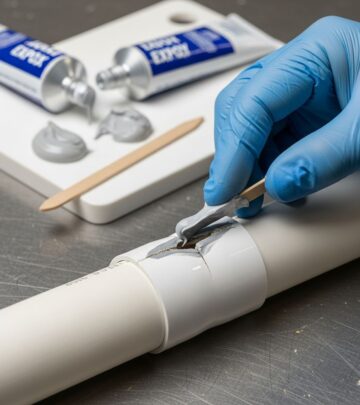
Epoxies like Loctite Clear provide professional-grade strength. Follow these steps precisely:
- Cut syringe tips at 3-5mm based on gap size.
- Prime syringe by expelling air bubbles upward.
- dispense equal resin and hardener parts onto a disposable palette (e.g., cardboard).
- Mix vigorously for 1 minute until uniform.
- Apply thin layers to both surfaces within 2 minutes.
- Press firmly, aligning pieces; wipe excess immediately with acetone-dampened cloth.
- Clamp or support for 10 minutes; full strength in 24 hours.
Cleanup: Scrape cured drips with a utility knife; avoid acetone on sensitive woods.
Applying Flexible Silicone or Caulk
For movement-tolerant bonds:
- Apply a zigzag bead to wood.
- Press glass into place, using tape to hold.
- Allow 24-hour cure undisturbed.
Silicone smooths with a wet finger for neat edges.
Quick Bonds with Double-Sided Tape
VHB tape shines for precision:
- Cut strips to match contact area.
- Peel one liner, stick to wood, burnish firmly.
- Remove second liner, align glass, press with roller for 30 seconds.
Permanence means measure twice!
Craft Projects with Specialty Glues
For terrariums or ornaments:
- Dot glue on wood base.
- Position glass jar or panel.
- Let tack (minutes); add stain for rustic charm.
Project Ideas to Showcase Your Skills
Transform bonds into art:
- Rustic Terrariums: Glue wood slices under glass jars for mini ecosystems.
- Floating Shelves: Epoxy glass panels to wood brackets for airy storage.
- Award Bases: VHB tape secures glass plaques to walnut plinths.
- Picture Frames: Super glue glass fronts to wood edges.
- Garden Lanterns: Silicone joins glass chimneys to wood stakes.
Scale up to tabletops: Epoxy fills gaps between wood frame and glass insert.
Troubleshooting Common Issues
| Problem | Cause | Solution |
|---|---|---|
| Bond Fails | Dirty surfaces | Re-prep and reapply |
| Bubbles/Cloudiness | Trapped air/moisture | Press slowly; dry wood fully |
| Cracking | No flexibility | Switch to silicone/tape |
| Slow Cure | Cold temps | Warm workspace to 70°F |
If epoxy hardens in syringe, replace it—don’t force.
Safety and Best Practices
Ventilate for fumes; wear gloves to avoid skin bonds. Dispose of wastes per local rules. Test adhesives on scraps for color/strength compatibility. For load-bearing items, reinforce with mechanical fasteners.
FAQs
Can I glue painted wood to glass?
Yes, but sand paint lightly for direct contact. Epoxy adheres over most finishes.
Is outdoor bonding possible?
Opt for UV/water-resistant epoxies or silicones.
How long until handling?
Tape: immediate; epoxy: 10 min support, 24h full; silicone: 24h.
What removes failed glue?
Acetone for epoxy (test wood); razor for tape/silicone.
Best for curved glass?
Flexible silicone or craft glues conform better.
Advanced Tips for Professional Finishes
Mask edges with painter’s tape pre-application for clean lines. Burnish bonds with a J-roller. For tints, mix epoxy with pigments. Humidity-control wood pre-project with dehumidifiers.
Experiment with hybrids: tape + epoxy for ultimate hold. Track environmental factors in a project log for repeatable success.
References
- The Best Method for Bonding Glass to a Wood Base — Graphics Pro. Accessed 2026. https://graphics-pro.com/education/the-best-method-for-bonding-glass-to-a-wood-base/
- Gluing Glass to Wood: The Right Choice for Any Project — Loctite Products. Accessed 2026. https://www.loctiteproducts.com/ideas/build-things/gluing-glass-to-wood-the-right-choice-for-any-project.html
- How to Glue Wood to Glass: DIY Terrariums — Aleene’s DIY (YouTube). 2016-11-01. https://www.youtube.com/watch?v=tE2lVjB3Cvs
Similar Articles


Read full bio of Sneha Tete