Boost Your Privacy Fence Height Effectively
Discover proven strategies to elevate your fence for ultimate privacy, security, and style without a full replacement.
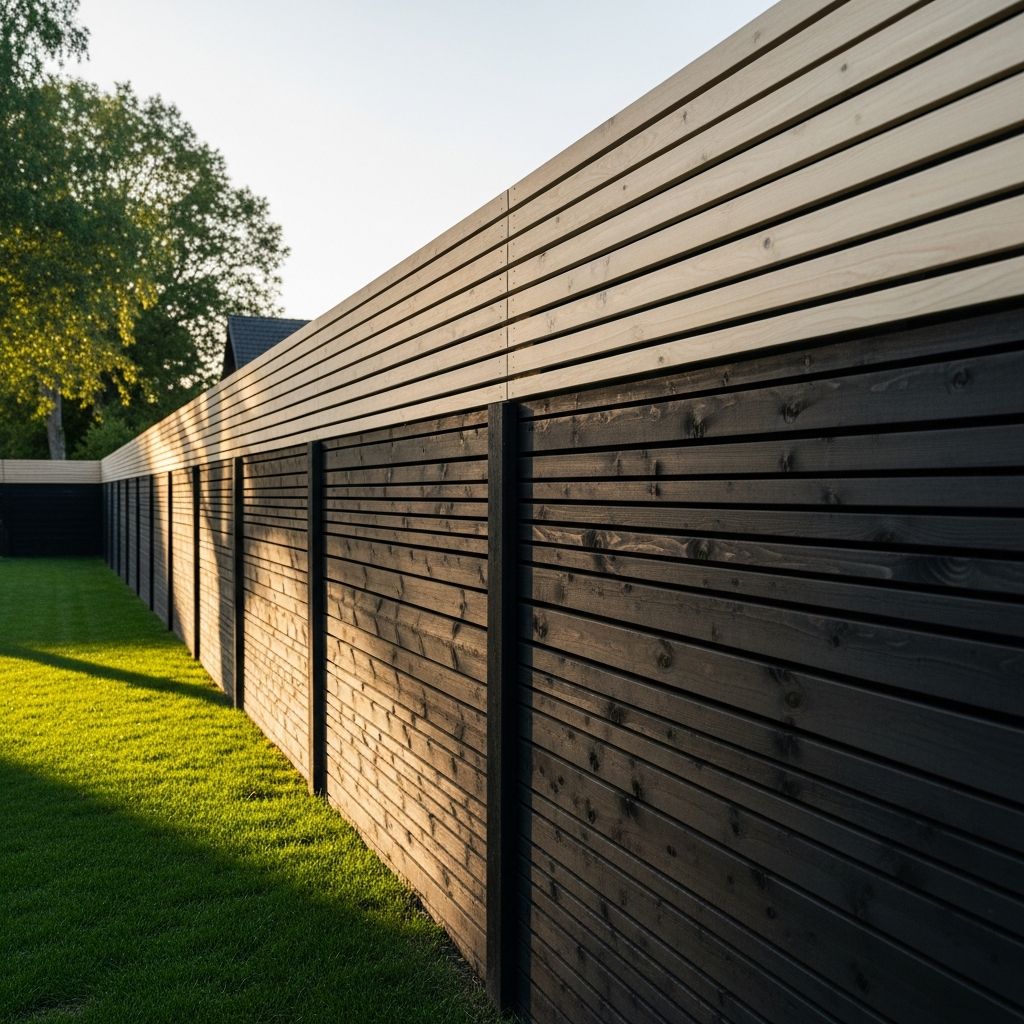
Enhancing the height of an existing privacy fence offers a straightforward path to greater seclusion in your outdoor space. Homeowners often seek these modifications to block views from neighbors, secure pets, or create a more intimate backyard retreat, all while avoiding the expense and disruption of a complete rebuild.
Why Extend Your Fence Height?
Standard privacy fences typically measure 4 to 6 feet tall, sufficient for basic separation but sometimes falling short for full visual barriers, especially in areas with elevated neighboring structures or for taller individuals. Increasing height to 7 or 8 feet provides enhanced privacy and deters casual oversight, fostering a sanctuary-like atmosphere. Beyond aesthetics, taller fences support pet containment and add a layer of perimeter security, though they should complement rather than replace measures like cameras.
Local regulations play a crucial role; homeowners associations (HOAs) or municipal codes may cap fence heights at 6 or 8 feet in rear yards. Always consult these guidelines first to prevent fines or mandated removals. Measuring your current fence accurately—accounting for posts, rails, and pickets—helps determine the needed extension, typically 1 to 3 feet.
Essential Preparation Steps
Before any project, inspect your fence for structural integrity. Check posts for rot or looseness, as added height increases wind load and stress. Reinforce weak points by bracing posts with concrete if needed. Gather tools like drills, screws, levels, and safety gear. Select materials matching your fence type—wood, vinyl, or metal—for seamless integration.
- Measure precisely: Use a tape measure from ground to top across sections.
- Check stability: Shake posts; replace if wobbly.
- Review permits: Contact local authorities or HOA for approvals.
- Budget wisely: Factor in materials ($30–$2,400 per section) and potential labor.
Method 1: Install Post Extenders for Quick Gains
Post extenders provide one of the simplest ways to add up to 3 feet of height by slipping over existing posts. Made primarily from durable metal, these slip-on sleeves secure with self-tapping screws, allowing height adjustments. This method preserves original rails and pickets while elevating the entire structure.
Installation involves sliding the extender over the post top, aligning it plumb with a level, and fastening securely. For wood fences, ensure the extender’s interior fits snugly; trim if necessary. This approach suits chain-link or wood fences and costs under $50 per post, making it economical for long runs.
Pros include speed—often completed in hours—and minimal visual disruption. Cons: Potential rust on metal units in wet climates; opt for galvanized or powder-coated versions.
Method 2: Add Fence Toppers for Style and Function
Fence toppers, such as lattice panels, trellises, or decorative mesh, attach atop existing panels, blending utility with curb appeal. Lattice toppers ($30–$100 per 48–72 inch panel) install via screws or clips, while trellises ($400–$2,400 custom) support climbing vines for a living screen.
Choose materials like vinyl for low maintenance, wood for rustic charm, or metal for strength. Lean-in toppers with L-brackets and mesh create an angled barrier, thwarting climbs by pets or intruders. Attach brackets to posts, string mesh with zip ties, and trim excess for a clean finish.
| Topper Type | Material Options | Avg. Cost | Height Added |
|---|---|---|---|
| Lattice Panels | Wood, Vinyl | $30–$100 | 2–4 ft |
| Trellis | Wood, Metal | $400–$2,400 | 2–6 ft |
| Mesh/Chain Link | Metal, Poly | $20–$50 | 1–3 ft |
Method 3: Attach Extra Boards or Panels
For solid wood fences, stacking additional boards or pickets directly onto the existing frame boosts height efficiently. Use horizontal or vertical orientations, securing with wood screws and a drill. Pre-drill to avoid splitting, and employ pocket-hole jigs for concealed joints, as shown in practical demonstrations.
Wrap posts with 1×6 boards ripped to fit, adding a 4×4 spacer for nailer support. This reinforces while extending. For vinyl, seamless toppers or wall extensions maintain a uniform look. Labor-intensive but rewarding, this method reuses posts, slashing costs amid rising material prices.
Method 4: Deploy Privacy Screens and Drapes
Privacy screens offer a non-permanent solution, ideal for renters or trials. Drape fabric, bamboo, or reed panels over the fence, propped by vertical supports on posts. For height illusion, attach two upright panels to fence tops and suspend the screen across.
Available in weather-resistant synthetics, these block 90% of views and filter light softly. Secure with grommets and ties; costs range $20–$100 per section. Rotate seasonally for longevity.
Advanced Techniques: Reinforcing and Custom Builds
For maximum durability, sister existing posts with new 4x4s before extending. Concrete footings deepen stability against leverage from height. Custom shadowbox extensions interlace boards for strength and appeal.
Combine methods: Post extenders plus vine trellises yield 4+ feet of green privacy. Vinyl enthusiasts use seamless connectors for flawless expansions.
Cost Analysis and Professional Help
DIY extensions save significantly versus new fences ($350–$700 per section). Total project costs: $200–$1,500 for 50 feet, depending on method.
- DIY Lattice: $500 total.
- Pro Trellis: $1,200+.
- Full Replacement: $5,000+ avoided.
Hire certified installers for complex jobs, ensuring warranty compliance.
Maintenance for Longevity
Seal wood annually, clean vinyl with soap, and inspect metal for corrosion. Prune vines to prevent overload. Regular checks extend life 10+ years.
Frequently Asked Questions (FAQs)
What is the maximum legal fence height?
Typically 6–8 feet in backyards; verify with local zoning or HOA rules before starting.
Can I extend a vinyl fence?
Yes, using seamless toppers or post kits for a matching, durable finish.
How much weight can extensions handle?
Depends on posts; reinforce with concrete for wind resistance up to 50 mph.
Are toppers pet-proof?
Lean-in designs with mesh deter climbing; pair with gates for full containment.
What’s the cheapest method?
Privacy screens or clip-on boards, under $50 per section.
References
- How to Extend Fence Height For Privacy: 5 Simple Methods — Angi. 2023. https://www.angi.com/articles/how-to-make-fence-taller-for-privacy.htm
- Cheap And Easy Way To Extend Your Fence Height Using Existing… — Paul Ricalde (Paulstoolbox), YouTube. 2022-06-27. https://www.youtube.com/watch?v=dOCRFD4hHsg
- Seamless Vinyl Fence Extension: Expert Techniques Guide — GNG Vinyl. N/A. https://gngvinyl.com/connecting-the-dots-seamless-vinyl-fence-extension-techniques/
- Extending The Height of a Wooden Fence Post — Hoover Fence Co. N/A. https://www.hooverfence.com/extending-the-height-of-a-wooden-fence-post
Similar Articles







Read full bio of medha deb