Restoring Bougainvillea Health: Addressing Yellowing Foliage
Discover proven methods to diagnose and reverse yellowing leaves on your bougainvillea plants.
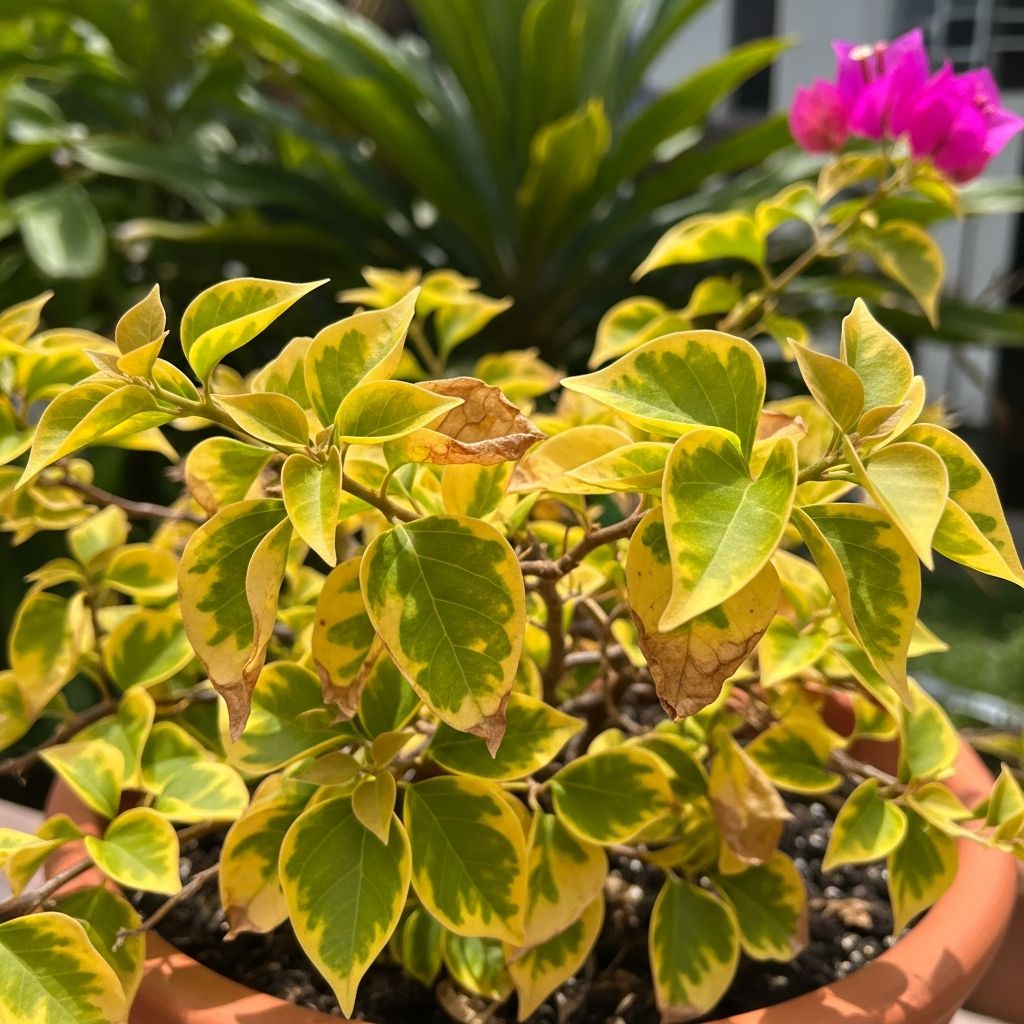
Understanding Yellowing in Bougainvillea Plants
Bougainvillea vines are renowned for their vigorous growth patterns and spectacular flowering displays, making them popular choices for gardeners seeking ornamental climbers. However, when the characteristic vibrant green foliage begins to fade into shades of yellow, it signals that the plant is experiencing some form of stress. This discoloration serves as an early warning system, alerting gardeners to underlying issues that require attention. The good news is that bougainvillea plants typically respond quickly to corrective measures once the underlying problem has been identified and addressed appropriately.
The appearance of yellow leaves on bougainvillea is rarely a random occurrence. Instead, it represents a physiological response to one or more specific environmental or nutritional challenges. Understanding what triggers this response is essential for developing an effective treatment strategy. Rather than viewing yellowing foliage as a terminal problem, experienced gardeners recognize it as an opportunity to improve their plant care practices and restore the vine to its former glory.
Moisture Management and Root Health
Water-related issues represent the most frequent cause of yellowing foliage in bougainvillea specimens. However, the problem can manifest in two distinctly different ways, each requiring opposite treatment approaches. Determining whether the plant is receiving too much or too little water is the crucial first step in remedying the situation.
Excessive Watering and Its Consequences
Overwatering stands as the more prevalent culprit among watering-related problems in bougainvillea cultivation. These Mediterranean-origin plants thrive in warm, dry conditions and possess excellent drought tolerance once established. When soil remains consistently moist or waterlogged, the plant’s root system cannot access adequate oxygen, leading to a cascade of physiological problems. The roots may develop rot, and fungal pathogens can establish themselves in the oxygen-depleted soil environment.
The symptoms of overwatering are distinctive and include:
- Progressive yellowing of foliage that occurs over several days
- Leaves that detach from stems with minimal pressure
- A complete absence of browning as leaves transition from green to yellow before dropping
- Soil that remains damp to the touch several days after watering
- A musty or unpleasant odor emanating from the soil, indicating root decay
To address overwatering, cease all irrigation and allow the soil to dry substantially before resuming watering on a reduced schedule. Move the plant to a location with enhanced air circulation to facilitate faster soil drying. In severe cases where root rot has progressed significantly, removing the plant from the garden bed and replacing it with fresh soil may be necessary to ensure recovery.
Insufficient Water Supply
Conversely, inadequate watering can also produce yellowing, though this scenario is less common in established bougainvillea plants. During extended drought periods or when shallow watering fails to penetrate the full root zone, the plant becomes water-stressed. Young or recently planted specimens are particularly vulnerable to this condition.
To determine if water deprivation is responsible for yellowing, examine the soil profile by inserting a finger several inches into the growing medium. Bone-dry soil indicates insufficient moisture. In this situation, water the plant thoroughly, ensuring moisture penetrates the entire root system. Subsequently, allow the soil to partially dry between waterings but avoid returning to the previous under-watering schedule. Improvement typically becomes apparent within a few days of resuming appropriate watering practices.
Soil Drainage as a Foundational Factor
Even when watering frequency is appropriate, poor soil drainage can create conditions virtually identical to overwatering. Heavy clay soils, compacted earth, or inadequately amended planting beds retain excessive moisture around the roots, suffocating the plant regardless of irrigation schedule. This drainage deficiency represents a critical issue for long-term bougainvillea health and vigor.
The solution involves improving the soil structure to promote better water movement. For container-grown specimens, repotting into a mixture specifically formulated for Mediterranean plants—typically combining potting soil, perlite, and coarse sand—resolves the problem efficiently. For garden plantings, amending the existing soil with coarse sand, perlite, or other drainage-enhancing materials can improve conditions. Alternatively, raised beds filled with well-draining soil mixtures provide an effective solution for situations where native soil drainage cannot be adequately improved.
Light Requirements and Foliage Discoloration
Bougainvillea plants are fundamentally sun-worshipping species that have evolved in bright, open environments. They require a minimum of six hours of direct, unobstructed sunlight daily to maintain optimal color and vitality in their foliage. When plants receive insufficient light exposure, the resulting chlorophyll degradation produces yellowing that differs slightly from nutrient-deficiency chlorosis but is equally problematic for plant aesthetics.
Insufficient light typically produces yellowing across multiple leaves rather than the characteristic vein-pattern yellowing associated with micronutrient deficiency. The discoloration in these cases represents the plant’s attempt to reduce its surface area and energy expenditure when photosynthesis rates decline due to inadequate illumination. Over time, affected leaves drop, and new growth emerges pale and less vigorous.
Addressing light deficiency requires either relocating the plant to a sunnier location or removing competing vegetation that casts shadows across the bougainvillea. Nearby trees or structures may require pruning or trimming to allow adequate sunlight penetration. For container specimens, mobility allows for strategic repositioning to capture maximum daily sun exposure. In some cases, applying phosphorus-rich foliar sprays can provide temporary improvement while light conditions are being optimized.
Micronutrient Deficiencies and Chlorosis Development
Beyond the most obvious environmental factors, nutritional imbalances in the soil can trigger yellowing through a condition known as chlorosis. This disorder involves insufficient chlorophyll production, resulting in characteristic yellow leaves with distinctly green veins remaining visible. This pattern differentiates nutritional yellowing from the more general yellowing associated with water stress or light deficiency.
Iron and Magnesium Deficiencies
Among micronutrients, iron deficiency represents the most common cause of chlorosis in bougainvillea cultivation. Iron plays a critical role in chlorophyll synthesis, and its absence or unavailability produces the classic yellow-with-green-veins appearance. Magnesium deficiency produces similar symptoms, as this element forms the central component of the chlorophyll molecule itself.
Interestingly, micronutrient deficiency often stems not from a complete absence of these elements in the soil but rather from an inability of the plant to access them. Soil pH significantly influences nutrient availability, with alkaline soils (high pH) rendering iron and magnesium less available to plant roots despite their physical presence in the soil.
Nitrogen Insufficiency
Nitrogen deficiency produces different yellowing patterns than iron or magnesium deficiency. Rather than concentrating yellowing at leaf margins while veins remain green, nitrogen deficiency typically produces uniform pale yellowing across entire leaves. Additionally, nitrogen deficiency often appears first on older, lower foliage before progressing upward through the plant canopy as the plant redirects remaining nitrogen to new growth.
Professional Soil Testing
Determining which specific nutrient is responsible for yellowing requires professional soil testing. Collecting soil samples from around the base of the affected plant and submitting them to a certified soil testing laboratory provides comprehensive nutrient analysis along with pH measurement. These results guide precise fertilization decisions rather than relying on guesswork or generic treatments.
Targeted Nutritional Solutions
Once soil testing has identified specific deficiencies, targeted treatments can restore nutrient balance. For iron deficiency, chelated iron compounds deliver bioavailable iron directly to the plant. These specialized formulations keep iron soluble and available for root absorption even in less-than-ideal soil pH conditions. Applications typically show results within weeks as new foliage emerges displaying proper color.
When soil pH testing reveals excessive alkalinity, lowering pH through applications of sulfur or ammonium sulfate addresses the root cause of nutrient unavailability. However, these pH adjustments require time and must be applied carefully to avoid overcorrection. For immediate symptom relief, foliar feeding with micronutrient solutions provides rapid absorption through the leaf surface while longer-term soil improvements proceed.
General fertilization schedules should employ formulations specially designed for bougainvillea or hibiscus rather than standard balanced fertilizers. These specialized products typically contain micronutrients in forms readily available for plant absorption. Establishing a consistent feeding program—typically twice annually or more frequently for container plants—prevents future deficiency episodes.
Environmental Stress and Shock Responses
Beyond the primary causes of overwatering, poor drainage, insufficient light, and nutrient deficiency, bougainvillea plants occasionally display yellowing as a stress response to sudden environmental changes. Repotting, severe pruning, abrupt temperature fluctuations, or relocation to dramatically different growing conditions can trigger temporary yellowing as the plant undergoes adjustment.
These stress-induced episodes typically resolve within weeks as the plant acclimates to its new conditions. During recovery periods, maintaining stable environmental conditions and avoiding additional stressors accelerates the adjustment process. Patience rather than further interventions usually yields the best results in these situations.
Recovery Timeline and Realistic Expectations
An important understanding that prevents ongoing frustration involves recognizing that yellowed leaves will not return to their original green color. Once chlorophyll degradation has occurred, the leaves have passed the point of recovery. However, addressing the underlying cause immediately halts further yellowing and enables the emergence of healthy, vibrant new growth within two to four weeks.
This timeline varies based on the severity of the original problem and the ambient temperature. Warm conditions accelerate growth and recovery, while cooler seasons naturally slow plant metabolism and new foliage development. By maintaining appropriate growing conditions after implementing corrective measures, gardeners can expect complete aesthetic restoration within a season.
Long-Term Prevention Strategies
Preventing yellowing foliage through proper ongoing care proves far simpler than treating problems after they develop. A comprehensive prevention approach incorporates several key elements:
- Establish a deep but infrequent watering schedule rather than frequent shallow irrigation, allowing soil to partially dry between waterings
- Select planting locations receiving minimum six hours of direct, unobstructed sunlight daily
- Ensure soil drainage exceeds requirements by incorporating organic amendments or perlite to enhance porosity
- Implement a regular fertilization program using products formulated for bougainvillea cultivation
- Monitor foliage regularly for early signs of stress, enabling prompt intervention before significant damage occurs
- Perform appropriate pruning to remove dead wood and encourage vigorous new growth during optimal seasons
Common Questions About Bougainvillea Yellowing
Q: Once bougainvillea leaves turn yellow, can they be restored to green?
A: Unfortunately, once leaves have yellowed, they will not revert to their original green coloration. However, addressing the underlying cause will halt further yellowing and promote healthy new growth with proper pigmentation within weeks.
Q: What is the fastest method to diagnose why my bougainvillea’s leaves are yellowing?
A: Begin by checking soil moisture and examining the vein pattern in yellowed leaves. If leaf veins remain distinctly green while surrounding tissue yellows, nutritional deficiency is likely. If yellowing is uniform across leaves, water stress or light insufficiency is the probable cause. Soil testing provides definitive answers regarding nutrient availability.
Q: Can I fertilize my bougainvillea while it is experiencing yellowing?
A: If yellowing results from water stress or physical shock, delaying fertilization allows the plant to recover from immediate stressors. However, if soil testing has confirmed nutrient deficiency, targeted fertilization should begin immediately. Always ensure the plant is not in acute distress before applying any treatments.
Q: How frequently should I water bougainvillea to prevent yellowing?
A: Water deeply when soil becomes dry to the touch, typically every 7-10 days during growing seasons, but allow longer intervals during cooler months when plant growth slows. Frequency depends on temperature, humidity, soil type, and rainfall, making individual assessment more reliable than rigid schedules.
Q: Is winter yellowing normal for bougainvillea?
A: In colder climates, some seasonal yellowing and leaf drop occur naturally as bougainvillea enters dormancy. However, excessive yellowing even during winter warrants investigation into potential overwatering, as reduced evaporation rates in cool weather increase waterlogging risk.
References
- Why Are My Bougainvillea Leaves Turning Yellow? (Causes & Fixes) — Complete Grow Australia. 2024. https://completegrow.com.au/garden-plant-care-home/why-are-my-bougainvillea-leaves-turning-yellow/
- Bougainvillea Leaves Turning Yellow — Garden Vive. 2024. https://gardenvive.com/bougainvillea-leaves-turning-yellow/
- How To Cure Yellow Leaves On Bougainvillea — Hunker. 2024. https://www.hunker.com/12403364/how-to-cure-yellow-leaves-on-bougainvillea/
- Bougainvillea Leaves: Problems Yours May Have + Causes — Joyus Garden. 2024. https://www.joyusgarden.com/bougainvillea-dropping-yellow-leaves-winter/
Similar Articles








Read full bio of Sneha Tete