Brad Nail vs Finish Nail: Which Should You Use?
Master the differences between brad and finish nails to choose the right fastener for your project.
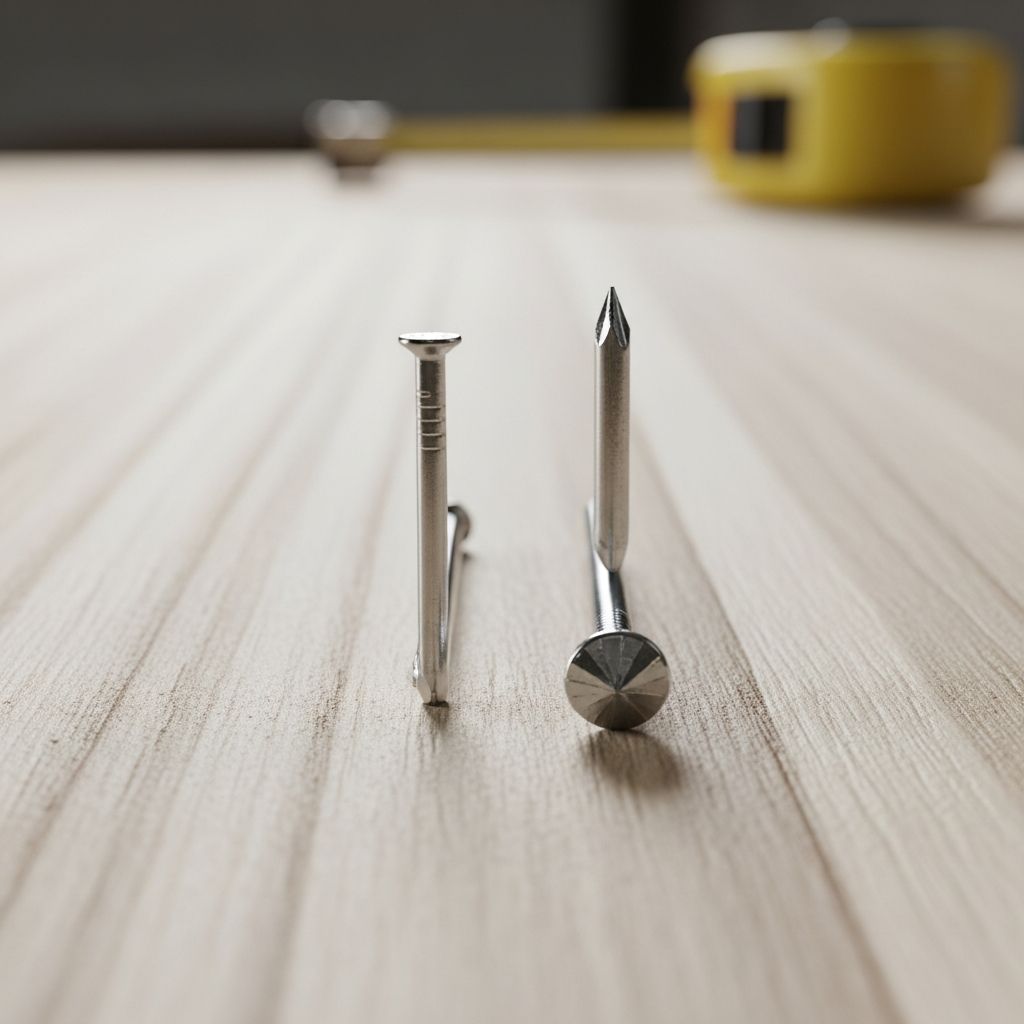
When working on interior trim, molding, and cabinetry projects, choosing between brad nails and finish nails is essential for achieving professional results. While these fasteners may look similar at first glance, they have distinct differences in size, strength, and application. Understanding these differences will help you select the right nail for your specific project and ensure your work looks polished and finished.
What Are Brad Nails?
Brad nails are thin, lightweight fasteners commonly used for delicate woodworking and interior finishing projects. Made from 18-gauge wire or sometimes 23-gauge wire, brad nails are significantly smaller in diameter compared to their finish nail counterparts. The smaller gauge measurement means these nails are thin and have minimal holding strength, making them ideal for applications that don’t require heavy-duty support.
The defining characteristic of brad nails is their small head size. This compact design allows them to be driven into wood with minimal surface damage. In many cases, the small insertion point is barely visible or doesn’t require any wood filler or putty to conceal. This makes brad nails the preferred choice for projects where aesthetics and minimal visible damage are priorities.
What Are Finish Nails?
Finish nails, also known as finishing nails, are heavier-duty fasteners made from 15-gauge or 16-gauge wire. With a larger diameter than brad nails, finish nails provide substantially more holding power and withdrawal resistance. This increased strength makes them suitable for fastening thicker materials and heavier trim pieces that require secure, durable attachment.
While finish nails are stronger, they do leave a more visible hole in the work surface due to their larger diameter. Typically, finish nails require follow-up work using a nail punch to drive the fastener head below the surface, followed by wood putty or filler to conceal the “shiner”—the exposed insertion point of the nail. This additional finishing step is an important consideration when planning your project timeline and maintenance.
Key Differences Between Brad and Finish Nails
| Feature | Brad Nails | Finish Nails |
|---|---|---|
| Wire Gauge | 18-gauge or 23-gauge | 15-gauge or 16-gauge |
| Diameter | Very thin | Thicker |
| Head Size | Very small | Larger |
| Holding Power | Light-duty | Heavy-duty |
| Hole Visibility | Minimal, often no filler needed | More visible, requires putty |
| Best For | Thin wood, lightweight trim | Thick materials, baseboards, crown molding |
| Risk of Splitting | Low | Lower due to small diameter |
Best Applications for Brad Nails
Brad nails excel in precision applications where minimal surface damage is crucial. These fasteners are ideal for attaching lightweight trim, delicate moldings, and decorative elements. Common uses include:
– Installing panel trim on interior walls- Attaching lightweight door and window casings- Securing thin decorative moldings- Craft projects and fine woodworking- Panel installation in cabinetry- Furniture assembly and repairs
The small size of brad nails prevents wood splitting, which is particularly important when working with delicate or thin materials. Their minimal visual impact means many projects can skip the wood filling step entirely, resulting in a cleaner, faster finishing process.
Best Applications for Finish Nails
Finish nails are designed for applications requiring more substantial holding power and support. These heavier fasteners are perfect for:
– Installing baseboards and chair rails- Attaching crown molding- Securing door and window casings in thicker material- Cabinet installation- Attaching thicker trim pieces- Projects requiring withdrawal resistance
When working with larger trim pieces or materials that will bear weight or experience movement, finish nails provide the durability and holding strength needed for long-lasting, reliable installations. The trade-off of requiring hole filling is worthwhile for projects where structural integrity is essential.
Advantages of Brad Nails
Brad nails offer several distinct advantages for specific applications:
– Minimal visible holes that often require no wood filler- Less likely to split thin or delicate wood- Easier to conceal, providing a cleaner aesthetic- Quick installation without extensive finishing work- Ideal for precision tasks and fine carpentry- Easy to remove if adjustment is needed- Perfect for working on visible surfaces where appearance matters
Disadvantages of Brad Nails
Despite their advantages, brad nails have limitations:
– Reduced holding power compared to finish nails- More prone to bending during installation- Difficult to hold in place by hand due to small diameter- Not suitable for heavy-duty applications- Better suited for pneumatic or electric nail guns- Cannot support significant weight or pressure- Limited application range
Advantages of Finish Nails
Finish nails provide benefits that make them essential for many projects:
– Superior holding power and durability- Greater withdrawal resistance- Suitable for heavier materials and trim- Better for applications experiencing stress or movement- Stronger attachment that lasts longer- Versatile for both interior and specialty outdoor applications- Can be used with various nail gun types
Disadvantages of Finish Nails
Finish nails come with their own set of drawbacks:
– Leaves more visible holes requiring wood filler- Requires additional finishing work with putty or wood filler- The exposed nail head needs to be set below the surface- Extra maintenance and touch-up time needed- More noticeable imperfections if not properly finished- Takes longer to complete the finishing process
Choosing the Right Nail for Your Project
Selecting between brad nails and finish nails depends on several factors. First, assess the thickness and delicacy of your materials. Use brad nails for thin wood and lightweight applications, while choosing finish nails for thicker, heavier materials. Second, consider the visibility of the finished surface. If the nail holes will be highly visible or the project requires a seamless appearance, brad nails are the better choice. Third, evaluate the structural demands of your project. Projects requiring significant holding power and durability call for finish nails.
A practical rule of thumb is to use brad nails for trim and molding on visible surfaces where appearance is paramount, and finish nails for structural elements and heavier installations where strength matters most. Many professionals maintain both types in their toolbox, selecting the appropriate fastener for each unique situation.
Brad Nailer vs Finish Nailer Tools
Beyond the nails themselves, the tools used to drive them differ significantly. Brad nailers are designed specifically for 18-gauge brad nails and leave minimal damage to work surfaces. They’re lightweight, easy to maneuver, and ideal for precision work. Finish nailers accommodate 15- or 16-gauge nails and provide more power for driving thicker fasteners into denser materials.
While both tools can be used by hand, they perform best when powered by pneumatic or electric systems. Brad nailers are particularly popular among homeowners because they reduce the frustration of hand-driving small brads that often bend. Finish nailers offer the capability to tackle more demanding projects that require serious holding power.
Tips for Using Brad and Finish Nails
Regardless of which nail type you choose, following best practices ensures professional results. Always wear appropriate personal protective equipment, including safety glasses, when operating nail guns. Secure your workpiece firmly before driving nails to prevent movement and ensure accuracy. Practice on scrap material first to develop proper technique and familiarity with your tools.
For brad nails, maintain consistent pressure and angle to prevent bending. Work carefully around knots and grain patterns that could cause splitting. For finish nails, use a nail punch to set the head below the surface before filling. Apply wood filler that matches your wood stain, then sand smooth for seamless finishing.
Safety Considerations
Operating nail guns requires attention to safety protocols. Always keep your hands clear of the discharge path, wear approved eye protection, and never point the tool at people or animals. Ensure your work area is properly ventilated and free of obstacles. Read and follow the manufacturer’s instructions for your specific nail gun model. If you’re unfamiliar with nail gun operation, seek guidance from experienced users or professional instructors before beginning your project.
Frequently Asked Questions
Q: Can I use brad nails for baseboards?
A: While possible, brad nails are not recommended for baseboards. Baseboards experience more movement and stress, making finish nails the better choice for a secure, long-lasting installation.
Q: What gauge nail should I use for crown molding?
A: For crown molding, use 15- or 16-gauge finish nails. Crown molding is typically thick and heavy, requiring the greater holding power that finish nails provide.
Q: Do brad nails require wood filler?
A: Usually not. Brad nails leave such small holes that they’re often invisible, especially in stained wood. However, on painted surfaces, you may choose to fill the hole for a completely seamless appearance.
Q: Can finish nails be used on thin wood?
A: While possible, finish nails are more likely to split thin wood due to their larger diameter. Brad nails are the better choice for thin materials.
Q: Which nail is better for craft projects?
A: Brad nails are ideal for craft projects because they’re easy to work with, leave minimal visible marks, and are less likely to damage delicate materials.
Q: How do I prevent finish nails from bending?
A: Use a nail gun instead of a hammer to prevent bending. Ensure your workpiece is properly secured and supported before driving the nail.
Q: Are there specialty coatings available for finish nails?
A: Yes, finish nails come with specialty coatings for outdoor use, making them versatile for both interior and exterior applications.
Conclusion
Understanding the differences between brad nails and finish nails empowers you to make informed decisions for your woodworking and home improvement projects. Brad nails excel in precision applications where minimal surface damage and aesthetic appeal are priorities. Finish nails provide the strength and durability needed for heavier installations and structural applications. By matching the right fastener to your specific project requirements, you’ll achieve professional results that look polished and perform reliably. Having both types available in your toolbox ensures you’re prepared for any trim, molding, or cabinetry challenge that comes your way.
References
- The Difference Between Brad Nails vs Finish Nails — Nail Gun Depot. 2023-02-23. https://www.nailgundepot.com/nail-gun-network/the-difference-between-brad-nails-vs-finish-nails
- What’s the Difference Between Brad and Finish Nails? — Lowe’s. https://www.lowes.com/n/buying-guide/difference-between-brad-and-finish-nails
- Brad nailer vs finish nailer: which to choose? — Mister Worker®. https://www.misterworker.com/en-us/blog/brad-nailer-vs-finish-nailer-what-is-the-difference-n317
- Brad Nail vs. Finishing Nail — The Home Depot. https://www.homedepot.com/c/ab/brad-nail-vs-finishing-nail/9ba683603be9fa5395fab9080804568
- Brad Nailers vs Finish Nailers: What’s the Difference? — Harbor Freight Tools. https://www.harborfreight.com/brad-nailer-vs-finish-nailer-buying-guide
Similar Articles








Read full bio of Sneha Tete