Bromine vs. Chlorine Hot Tub: Which Sanitizer is Best?
Compare bromine and chlorine for hot tubs: Learn the pros, cons, and best choice for your spa.
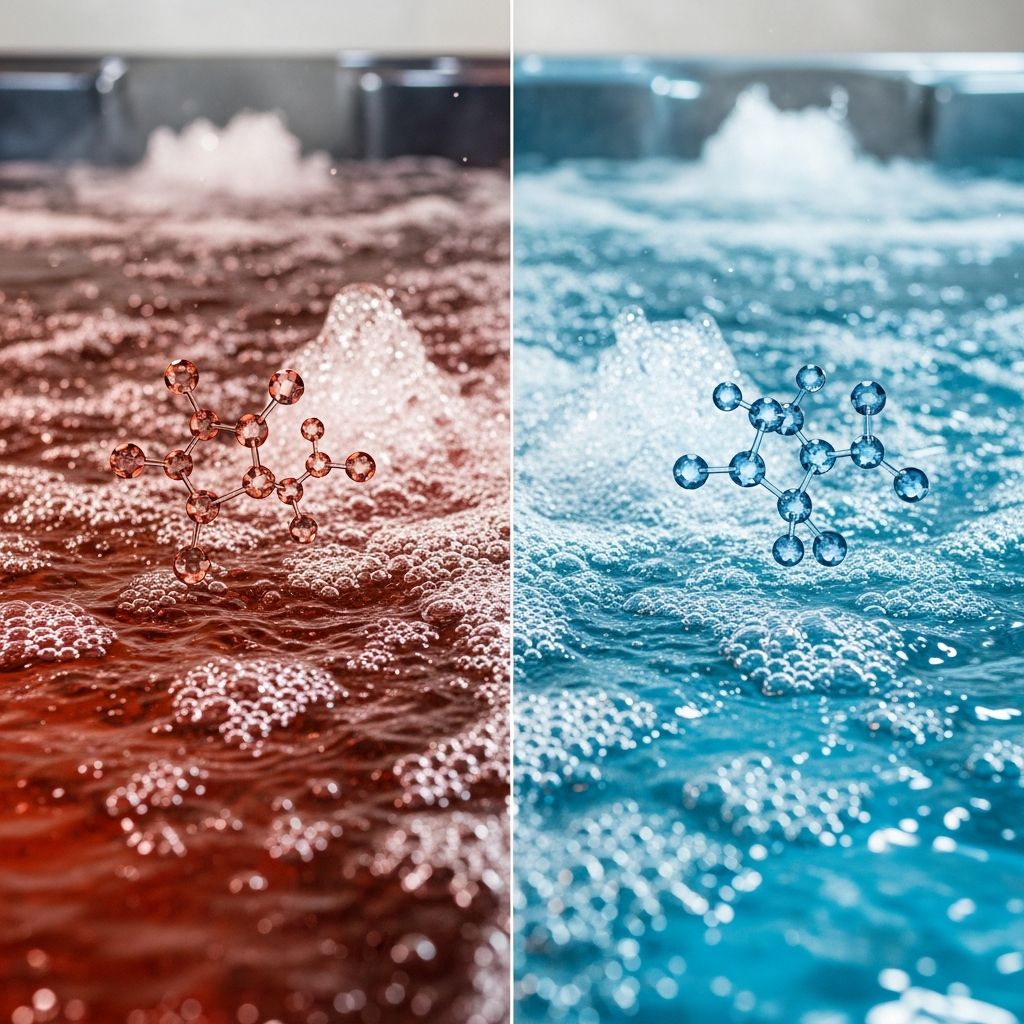
Maintaining a clean and safe hot tub requires understanding the chemicals used to sanitize the water. The two most common sanitizers for hot tubs are bromine and chlorine, each with distinct advantages and disadvantages. Choosing between them depends on your priorities, budget, skin sensitivity, and maintenance preferences. This comprehensive guide will help you make an informed decision about which sanitizer is best for your hot tub.
Understanding Chlorine for Hot Tubs
Chlorine is the most widely used hot tub sanitizer and has been the industry standard for decades. It works by releasing oxidizing agents that kill bacteria, viruses, and algae in the water, making it highly effective at maintaining water quality. Chlorine is popular because it is readily available, affordable, and easy to use compared to other sanitizing options.
Chlorine comes in multiple forms, including tablets, granules, and liquid, giving hot tub owners flexibility in how they apply it. The ideal chlorine level for hot tubs is between 1 to 3 parts per million (ppm), with 3 ppm being optimal for most situations. When properly maintained, chlorine effectively prevents bacterial growth and keeps your hot tub safe for use.
Advantages of Chlorine
Chlorine offers several significant benefits that make it a popular choice for hot tub owners:
- Cost-effective: Chlorine is significantly less expensive than bromine, making it an economical choice for budget-conscious hot tub owners.
- Easy to use: It dissolves quickly and can be added directly to the hot tub water after each use.
- Readily available: Chlorine is widely available at pool supply stores, hardware stores, and online retailers in multiple forms.
- Fast-acting: Chlorine works quickly to eliminate contaminants and maintain water clarity.
- Less sticky: Unlike bromine, chlorine is less likely to stick to skin and swimwear after soaking.
Disadvantages of Chlorine
While chlorine is effective, it does have some drawbacks that hot tub owners should consider:
- pH sensitive: Chlorine becomes less effective at high pH levels. At a pH of 7.8, only about 25% of chlorine remains active.
- Strong odor: The distinctive chlorine smell comes from chloramines, which form when chlorine reacts with organic matter in the water.
- Skin and eye irritation: Chlorine can be harsh on sensitive skin, hair, and eyes, especially when levels are too high.
- Needs frequent replacement: Chlorine dissipates more quickly than bromine, requiring more frequent additions to maintain proper levels.
- Temperature sensitivity: Chlorine becomes highly active at hot tub temperatures (around 100°F) and tends to gas off quickly.
Understanding Bromine for Hot Tubs
Bromine is an increasingly popular alternative to chlorine, particularly for indoor hot tubs and spas. Like chlorine, bromine is a halogen that effectively kills bacteria, viruses, and algae. However, bromine has unique chemical properties that make it behave differently in hot water, offering several advantages for hot tub environments.
Bromine is typically available in tablet form, though granules exist but dissolve more slowly and are less practical. The ideal bromine level for hot tubs is between 3 to 5 ppm, with 5 ppm being optimal. Because bromine remains stable and effective over longer periods, you may not need to add it as frequently as chlorine.
Advantages of Bromine
Bromine offers distinct benefits that make it an excellent choice for many hot tub owners:
- Temperature stable: Bromine remains effective at high temperatures without gassing off like chlorine does.
- pH stable: Bromine maintains effectiveness across a broader pH range (7.2 to 8.4) and is not significantly affected by pH fluctuations.
- Less irritating: Bromine produces less skin and eye irritation compared to chlorine, making it gentler on sensitive skin.
- Reduced odor: Bromine has a much milder smell than chlorine and does not produce the harsh chemical odor.
- Better for bacteria control: Bromine is superior at killing bacteria and viruses, particularly in warm water conditions.
- Longer lasting: Bromine’s residual effect means it continues sanitizing for longer periods, requiring less frequent additions.
- Bromamines remain active: When bromine combines with nitrogen or ammonia, the resulting bromamines remain active sanitizers without producing the problematic smell or irritation associated with chloramines.
Disadvantages of Bromine
Despite its advantages, bromine has some limitations that may affect your decision:
- Higher cost: Bromine is significantly more expensive than chlorine, which can impact long-term maintenance expenses.
- Slower dissolving: Bromine tablets dissolve more slowly than chlorine, especially in granule form.
- Sticks to skin: Bromine can adhere to skin and swimwear and may be more difficult to wash off after extended soaking.
- Limited availability: Bromine is less readily available than chlorine, though it can be ordered online.
- pH lowering: Bromine is acidic and can lower pH levels if not carefully monitored, potentially causing long-term damage to hot tub components.
- UV sensitivity: Bromine breaks down faster when exposed to ultraviolet light from the sun, making it less suitable for outdoor hot tubs without protective covers.
Head-to-Head Comparison: Chlorine vs. Bromine
| Feature | Chlorine | Bromine |
|---|---|---|
| Dissolves quickly | ✓ Yes | ✗ No |
| Less likely to stick to skin | ✓ Yes | ✗ No |
| More sensitive to pH changes | ✗ Yes | ✓ No |
| Leaves less smell | ✓ Yes | ✗ No |
| Lower cost | ✓ Yes | ✗ No |
| Stable at high temperatures | ✗ No | ✓ Yes |
| Gentler on skin | ✗ No | ✓ Yes |
| Longer lasting | ✗ No | ✓ Yes |
Chemical Stability and Effectiveness
One of the most important factors to consider is how well each sanitizer maintains its effectiveness in hot tub conditions. Chlorine loses potency at high temperatures and elevated pH levels, requiring more frequent dosing to maintain proper sanitization levels. In contrast, bromine remains stable across a wider range of water conditions, maintaining consistent effectiveness even when hot tub temperature rises or pH fluctuates.
Additionally, the byproducts formed when these chemicals react with organic matter differ significantly. Chlorine produces chloramines, which are ineffective sanitizers and responsible for the strong chemical smell, red eyes, and itchy skin commonly associated with chlorinated pools and spas. Bromine, however, forms bromamines that remain active sanitizers without producing these undesirable effects. This is a substantial advantage for indoor hot tubs where chemical odors can accumulate in enclosed spaces.
Dosage and Maintenance Requirements
Understanding proper dosage is essential for maintaining safe water in your hot tub. Chlorine requires maintaining a level between 1 to 3 ppm, with 3 ppm being ideal for most situations. Bromine, being more potent and longer-lasting, requires a higher ppm level of 3 to 5 ppm, with 5 ppm being optimal. This means you will need to add more bromine by volume to achieve the same sanitizing results compared to chlorine.
However, the frequency of additions differs significantly. Chlorine dissipates quickly and needs to be replenished more often, particularly in frequently used hot tubs or after heavy bather load. Bromine lasts longer, so despite requiring a higher initial dose, you may not need to add it as frequently. When calculating the true cost of ownership, the difference in frequency may offset some of bromine’s higher per-unit cost.
Skin Sensitivity and Comfort Considerations
For many hot tub users, comfort is a primary concern. Chlorine can cause irritation to sensitive skin, hair, and eyes, especially when levels are too high or chloramines accumulate. Some people experience breathing difficulties when chloramines linger in the humid air around a chlorinated spa, and sensitive individuals may experience asthma-like symptoms.
Bromine is gentler on skin and typically does not cause the same level of irritation as chlorine. However, it is important to note that everyone’s skin reacts differently to chemicals. If you find that bromine irritates your skin, you can always switch to chlorine to see if it provides better results for your individual sensitivity.
One consideration with bromine is that it can stick to skin and swimwear and may be slightly more difficult to rinse off after a long soak compared to chlorine. This is a minor inconvenience for most users but worth noting if you have particularly sensitive skin.
Cost Comparison and Long-Term Value
Cost is often a deciding factor for hot tub owners. Chlorine is significantly less expensive than bromine, making it the more economical choice for those on a tight budget. The per-unit cost of chlorine is substantially lower, and it is widely available at competitive prices.
Bromine costs considerably more than chlorine, which can impact your total maintenance budget over time. However, because bromine lasts longer and requires less frequent additions, the overall cost difference may be smaller than the per-unit price suggests. The true cost depends on your hot tub size, usage frequency, and how well you maintain water quality. For some users, the improved comfort and reduced maintenance hassle of bromine justify the additional expense.
Indoor vs. Outdoor Hot Tubs
Your hot tub’s location should influence your sanitizer choice. For indoor hot tubs, bromine is often preferred because its milder smell prevents chemical odors from accumulating in enclosed spaces. The reduced odor creates a more pleasant soaking experience and does not require as much ventilation.
For outdoor hot tubs, chlorine may be the better choice because bromine breaks down more quickly when exposed to ultraviolet light from the sun. This means outdoor bromine systems would require more frequent dosing, negating one of bromine’s primary advantages. If you have an outdoor hot tub and prefer bromine, using a protective cover when the tub is not in use can help preserve the bromine and reduce UV exposure.
Which Sanitizer Should You Choose?
The best sanitizer for your hot tub depends on your specific needs and priorities:
Choose Chlorine if: You want the most economical option, prefer a product that dissolves quickly, are comfortable with the chemical smell, have an outdoor hot tub, or want a wider variety of product forms available.
Choose Bromine if: You have sensitive skin or eyes, prefer minimal chemical odor, have an indoor hot tub, want to reduce maintenance frequency, or prioritize comfort over cost and don’t mind the higher expense.
Frequently Asked Questions
Q: Is bromine or chlorine better for hot tubs?
A: Neither is universally “better” — it depends on your priorities. Bromine is more stable at high temperatures and gentler on skin, making it ideal for frequent users with sensitive skin. Chlorine is more economical and easier to use, making it better for budget-conscious owners. Consider your location (indoor vs. outdoor), skin sensitivity, and budget when deciding.
Q: Can you switch from chlorine to bromine?
A: Yes, you can switch sanitizers, but you should do so carefully. Test your water quality first, remove remaining chlorine if possible, and follow the bromine manufacturer’s instructions for initial dosing. It may take a few days for the system to stabilize with the new sanitizer.
Q: How often do you add bromine vs. chlorine?
A: Chlorine typically needs to be added more frequently because it dissipates quickly, especially at high temperatures. Bromine lasts longer, so you may only need to add it weekly or every other week, depending on usage. Always test water levels regularly with a reliable test kit.
Q: Does bromine cause red eyes like chlorine?
A: Bromine is less likely to cause red eyes and irritation. The red eyes and irritation associated with chlorine are typically caused by chloramines, which form when chlorine reacts with organic matter. Bromine forms bromamines instead, which do not cause the same irritation.
Q: Why does chlorine smell so strong?
A: The strong chlorine smell comes from chloramines, which are byproducts formed when chlorine reacts with organic matter, sweat, and urine in the water. Proper water maintenance and regular testing help minimize chloramine buildup and reduce odor.
Q: Is bromine safe for children?
A: Yes, bromine is safe for children when used at the proper levels. In fact, because it is gentler on skin and eyes, bromine may be a better choice if you have children with sensitive skin. Always follow manufacturer dosing instructions and maintain proper water chemistry.
Maintenance Tips for Both Sanitizers
Regardless of which sanitizer you choose, proper maintenance is essential. Test your water chemistry at least 2-3 times per week using a reliable test kit. Monitor pH levels, alkalinity, and sanitizer levels to ensure they remain within the recommended ranges. Maintain proper filtration by cleaning filters regularly and replacing them according to manufacturer guidelines. Drain and refill your hot tub every 3-4 months to prevent mineral buildup and maintain water quality. Keep your hot tub covered when not in use to prevent contamination and reduce chemical loss, particularly if using bromine in an outdoor installation.
References
- Bromine vs. Chlorine for Spas & Hot Tubs — Leslie’s Pool Supplies. Accessed 2025. https://lesliespool.com/blog/bromine-vs-chlorine-for-spas-hot-tubs.html
- Bromine vs. Chlorine: How to Choose The Right Hot Tub Sanitizer — Swim University. Accessed 2025. https://www.swimuniversity.com/bromine-vs-chlorine-hot-tub/
- Chlorine Vs Bromine — Great Bay Spa & Sauna. Accessed 2025. https://www.greatbayspas.com/blog/chlorine-vs-bromine/
- Bromine vs Chlorine: Choosing the Right Sanitizer for Your Hot Tub — Bullfrog Spas. Accessed 2025. https://www.bullfrogspas.com/bromine-vs-chlorine/
- Chlorine or bromine? Choosing the best hot tub sanitizer — Master Spas. Accessed 2025. https://www.masterspas.com/blog/chlorine-or-bromine-hot-tub/
Similar Articles








Read full bio of medha deb