Transform Your Home on a Budget: Smart Dollar Store Organizing Tricks That Actually Work
Turn inexpensive finds into hardworking storage solutions in every room of your home.
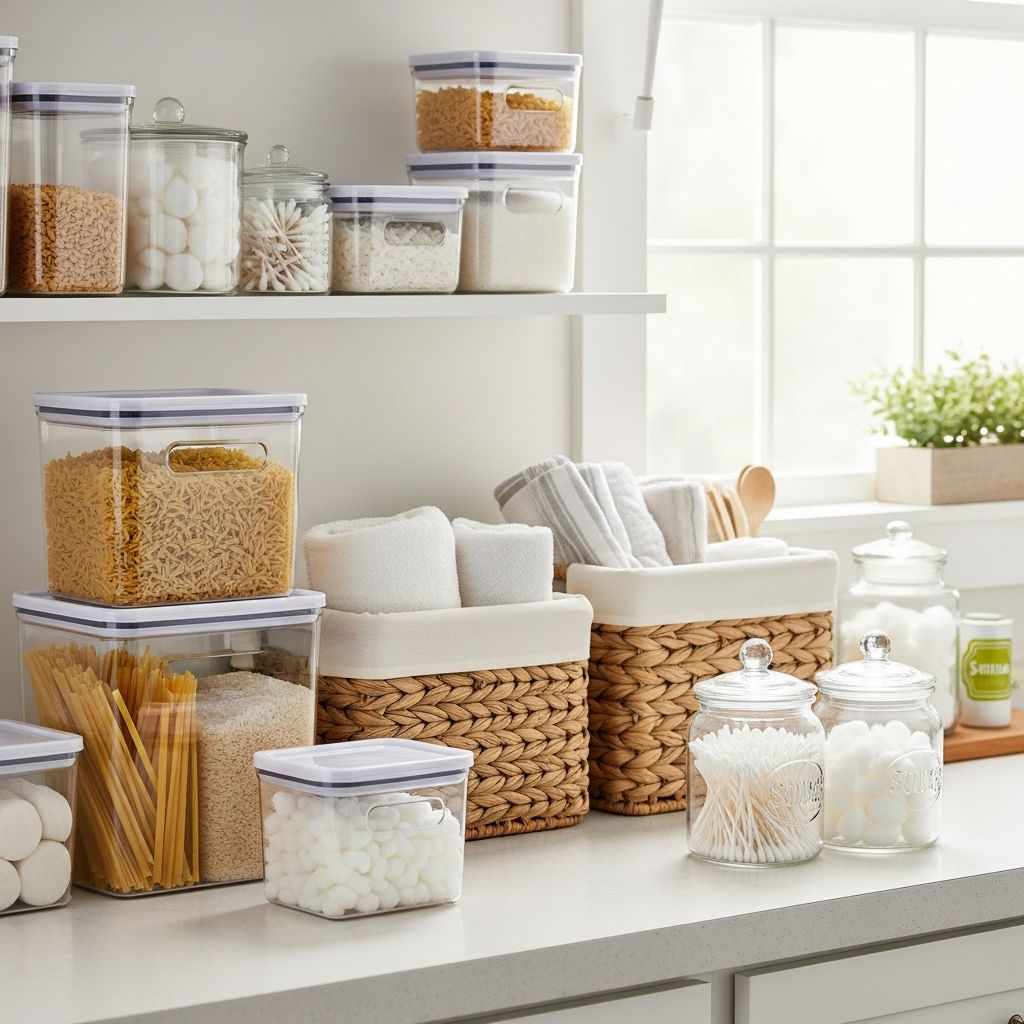
Organizing your home does not have to mean expensive containers, custom closets, or high-end labels. With a bit of creativity and a few low-cost items from your local dollar store, you can calm the chaos in every room and create systems that are simple to maintain over time.
This guide walks through room-by-room strategies, clever item re-purposes, and practical layouts so you can turn inexpensive basics into surprisingly stylish, hardworking storage.
Why Dollar Store Organizing Actually Works
Dollar store organizing is effective because it focuses on containing clutter, setting boundaries for how much you own, and making everyday items easy to find. When containers are cheap and uniform, you are more likely to finish entire spaces instead of giving up halfway through.
Another benefit is flexibility. If a bin or basket stops working for one purpose, you can easily shift it to another room without feeling guilty about the cost. This supports ongoing maintenance rather than one-time perfection that quickly falls apart.
Start With a Simple Decluttering Routine
Before bringing home new bins or baskets, spend a little time editing what you already own. Storage does not solve clutter; it only hides it. A short decluttering session makes every later organizing decision easier.
- Pick one small area at a time, such as a single drawer or one shelf.
- Create three piles: keep, donate/sell, and trash/recycle.
- Only buy containers after you know what is staying and where it needs to live.
Core Dollar Store Items That Organize Almost Anything
Most dollar stores carry a predictable set of basics that you can mix and match throughout your home. Instead of hunting for specialty products, focus on a handful of versatile workhorses.
- Plastic baskets with handles: Great for deep shelves, bathrooms, and under-sink spaces.
- Small open bins: Ideal for drawers, craft supplies, and kids’ items.
- Clear containers with lids: Perfect for pantry food, snacks, and small hardware.
- Wire racks and stands: Add vertical storage in cabinets and on countertops.
- Over-the-door hooks and hangers: Turn doors and cabinet fronts into storage zones.
- Adhesive hooks and clips: Use for hidden storage on walls, cabinet interiors, and closets.
Kitchen: Turning Cupboards Into Functional Stations
The kitchen collects gadgets, food, dishes, and mail, which makes it one of the hardest rooms to keep tidy. Dollar store pieces can help you sort items by task and keep surfaces clear.
Use Bins to Group by Task
Instead of lining individual items across shelves, place them together in labeled bins so you can pull out one category at a time. This prevents the avalanche effect when you grab something from the back.
- Create a “baking bin” for flour, sugar, baking powder, and decorating supplies.
- Make a “hot drinks bin” for coffee, tea, sweeteners, and mugs.
- Use a “snack station” basket for grab-and-go items the family reaches for daily.
Maximize Vertical Space in Cabinets
Many kitchen cabinets are tall but not deep, leaving unused vertical space between shelves. Inexpensive wire racks, stackable shelves, or plate stands can double your usable space without a remodel.
- Slide small wire racks onto shelves to create an extra level for plates or bowls.
- Use a rack to separate cutting boards, baking sheets, and trays so they store upright.
- Store lids vertically in a narrow bin to prevent them from sliding all over the cabinet.
Sample Kitchen Bin Layout Table
| Cabinet Area | Dollar Store Item | What to Store |
|---|---|---|
| Upper pantry shelf | Large handled basket | Backup snacks and unopened cereal boxes |
| Lower cabinet near stove | Wire rack | Frying pans on bottom, saucepan lids on top |
| Under-sink space | Shallow bins | Cleaning sprays, extra sponges, dish tablets |
| Drawer by the fridge | Small open bins | Snack bars, packets, and lunchbox items |
Bathroom: Corral the Small Stuff
Bathrooms fill up quickly with tiny items: hair ties, skincare samples, travel bottles, and cleaning supplies. The easiest way to tame them is by giving every category its own small container.
Drawer Inserts for Everyday Items
Look for narrow, shallow containers that can sit side by side inside drawers. Mixing different shapes lets you create a custom layout without paying custom prices.
- Assign one compartment each for toothbrushes, floss, and toothpaste.
- Use a small bin for hair brushes and combs, and another for hair ties and clips.
- Dedicate a section to daily skincare so your routine is quick and consistent.
Vertical Storage Behind Doors
Doors and empty wall spaces in bathrooms are often overlooked. Lightweight hooks and over-the-door organizers make it possible to hang towels, robes, and hair tools without drilling.
- Hang an over-the-door rack for towels and pajamas in shared bathrooms.
- Use adhesive hooks inside cabinet doors for hair dryers or curling irons.
- Attach a small basket to the inside of a cabinet door for extra toilet paper rolls.
Bedroom: Creating Calm With Contained Clutter
Bedrooms should feel restful, but they often end up as dumping grounds. A few organizational tweaks using dollar store finds can turn nightstands, dressers, and closets into calmer spaces.
Nightstand and Dresser Tidy-Up
Nightstands collect chargers, books, hand cream, and random bits of paper. Drawer organizers keep these small items from tangling together and make it easier to reset the space each night.
- Place a shallow tray on top of your nightstand for glasses, a book, and a water glass.
- Use small bins in the top drawer for chargers, earbuds, and lip balm.
- Assign one drawer section as a “landing zone” for rings or watches at bedtime.
Closet Bins and Shelf Boxes
Closet shelves often become messy piles of clothes or accessories. Using bins creates clear boundaries so folded items do not topple over whenever you pull one out.
- Place labeled fabric or plastic bins on high shelves for seasonal clothing.
- Use small baskets for belts, scarves, and hats, grouped by how often you wear them.
- Store out-of-season shoes in clear boxes so you can see what you own without opening every container.
Living Room: Hide Clutter in Plain Sight
The living room must balance comfort with function. Remote controls, magazines, toys, and blankets tend to spread across every surface. A few strategic storage pieces keep the room inviting while still practical.
Multifunction Baskets and Boxes
Baskets and decorative boxes can sit openly on shelves or under tables while hiding everyday clutter. Choosing a single color or material for all containers instantly makes the room look more coordinated.
- Slide low baskets under a coffee table for kids’ toys or game controllers.
- Use a lidded box on the side table for remote controls and chargers.
- Keep a large basket near the sofa for throw blankets and extra pillows.
Labeling Without Ruining Your Decor
Labels are key if more than one person uses the space. To keep things stylish, choose subtle labeling methods that blend into your existing decor while still making it clear what belongs where.
- Attach small chalkboard tags to basket handles so you can change labels easily.
- Use simple printed labels on the inside rim of bins that sit behind cabinet doors.
- For children, opt for picture labels so they can put things away without help.
Entryway: Build a Grab-and-Go Command Zone
The entryway is where clutter collects first: shoes, bags, keys, and mail. A few inexpensive hooks, trays, and bins can transform it into a functional command center that serves the entire household.
Landing Spots for Essentials
Give each daily essential a permanent home within arm’s reach of the door. This prevents last-minute searches and makes coming home at the end of the day feel calmer.
- Install hooks for coats and bags at both adult and child height.
- Place a small tray or bowl on a shelf for keys and loose change.
- Use a narrow wall-mounted file or magazine holder for incoming mail and school papers.
Shoe and Bag Corral
Even a tiny entry can manage shoes and bags with the right containers. The goal is to define a boundary, not to store every pair of shoes at the door. Rotating items seasonally keeps things manageable.
- Place a shallow bin or boot tray by the door for shoes currently in use.
- Use a sturdy basket for reusable shopping bags so they are easy to grab on your way out.
- Assign one hook or cubby per family member to prevent backpacks from piling up on the floor.
Kids’ Spaces: Make Clean-Up Simple and Fast
Children are more likely to clean up if the system is simple, visible, and easy to understand. Dollar store bins, picture labels, and low shelves make it realistic for kids to participate in tidying.
Toy Zones Instead of Toy Piles
Instead of having one large toy box, break toys into categories and assign each type to its own container. This makes it easier to find specific items and helps kids learn to clean up one group before starting another.
- Use small open bins for building blocks, action figures, and cars.
- Choose lidded containers for messy items like play dough, beads, or art supplies.
- Place a labeled bin by the door for outdoor toys, sunscreen, and hats.
Homework and Craft Caddies
Portable caddies are perfect for homework and craft time because they can move around the house as needed, then tuck away when not in use. This keeps tables clear and prevents permanent clutter piles on the dining table.
- Fill one caddy with pencils, markers, scissors, glue sticks, and a small ruler.
- Use another for homework supplies like calculators, sticky notes, and highlighters.
- Store both on a shelf or in a cabinet near the main work area for quick access.
Home Office: Budget-Friendly Desk Systems
A cluttered desk makes it difficult to focus. Dollar store baskets, file folders, and drawer organizers can create a streamlined work area without expensive office-supply splurges.
Paper and File Management
Instead of letting paper stack in random piles, give it a simple path from arrival to storage or shredding. Vertical file holders and labeled folders work well in small spaces.
- Create three standing folders: “To do,” “To file,” and “To shred or recycle.”
- Use a magazine holder for notebooks, planners, and manuals.
- Store long-term documents in labeled envelopes or folders inside a larger bin.
Tech and Cable Tamer Ideas
Cords and gadgets can easily overrun a work surface. A few targeted containers and cable clips keep cables from tangling and help you quickly locate chargers and accessories.
- Use small lidded boxes for spare chargers, USB drives, and memory cards.
- Attach self-adhesive clips to the back or side of your desk to keep cables from slipping.
- Label cords with simple tags or washi tape so you know which one belongs to which device.
Simple Maintenance Habits to Keep Order
Organization is not a one-time project. The most successful systems are easy to reset in just a few minutes each day. Combine smart container choices with light routines to keep clutter from building back up.
- Adopt a five-minute evening tidy where each family member returns items to their bins.
- Practice the “one in, one out” rule for categories like toys, clothing, and kitchen gadgets.
- Review one small area each week and adjust containers or labels if something feels awkward.
Frequently Asked Questions About Dollar Store Organizing
Are dollar store containers durable enough for everyday use?
Many dollar store containers hold up surprisingly well, especially when used for lightweight items such as snacks, toiletries, office supplies, and toys. For heavier uses, like tools or bulk food, choose thicker plastics and test one item before buying multiples.
How can I make inexpensive containers look more stylish?
Choose a limited color palette so the overall look feels coordinated, even if each piece is simple. You can also add decorative touches like contact paper, spray paint (used safely and appropriately), or matching labels to give a more cohesive, custom feel.
What if my space is very small?
Small spaces benefit the most from vertical and hidden storage. Look for over-the-door organizers, hooks on unused wall sections, and slim bins that slide under furniture or on top of cabinets. Focus on frequently used items first so your limited storage works as hard as possible.
How do I avoid buying containers I do not end up using?
Always declutter and measure your space before shopping. Make a short list of categories you need to contain, including approximate sizes, and take photos of your shelves or drawers so you do not guess at the store.
Can I organize an entire home on a small budget?
Yes. By tackling one area at a time and prioritizing spaces you use daily, you can spread purchases over several weeks or months. Standardizing containers and reusing bins in new ways as your needs change keeps costs low while your home becomes more functional and peaceful.
Similar Articles







Read full bio of Sneha Tete