Budget-Friendly Home Enhancement Strategies
Transform your living space affordably with practical DIY solutions
Creating a beautiful and comfortable home doesn’t require significant financial investment or professional renovation crews. With strategic planning and a willingness to tackle manageable projects, homeowners can substantially improve their living spaces while maintaining reasonable budgets. This comprehensive guide explores practical approaches to residential enhancement that deliver meaningful results without excessive expenditure.
Understanding the Value of Strategic Home Improvements
Home improvement projects serve multiple purposes beyond aesthetic enhancement. They contribute to functional efficiency, increase property value, and create environments that better support daily living activities. The most effective improvement strategies focus on high-impact changes that require minimal financial outlay while producing visible transformations.
Many homeowners assume that meaningful improvements demand professional contractors and substantial budgets. However, research and practical experience demonstrate that thoughtfully selected projects can dramatically improve home appeal and functionality. The key lies in identifying which improvements deliver disproportionate visual and functional benefits relative to their cost and complexity.
Paint-Based Transformation Projects
Among the most economical enhancement options available to homeowners, paint-based projects consistently deliver exceptional value. A fresh coat of paint can completely alter a room’s atmosphere, perceived size, and overall appeal. Selecting appropriate colors, applying quality primers, and using proper techniques ensures professional-looking results.
Interior Wall Painting
Repainting interior walls represents perhaps the single most impactful budget-friendly improvement available. Beyond simple aesthetic enhancement, color selection influences how natural and artificial light behaves within spaces, affecting perceived brightness and spaciousness. Lighter wall colors, in particular, reflect available light more effectively, making rooms feel larger and more open.
The financial investment for interior wall painting remains minimal when homeowners handle the project themselves. Quality paint, brushes, rollers, and protective coverings typically cost between $50 and $200 for average-sized rooms. Beyond walls, consider painting trim work, baseboards, and crown molding in complementary colors to create depth and visual interest.
Accent Wall and Feature Painting
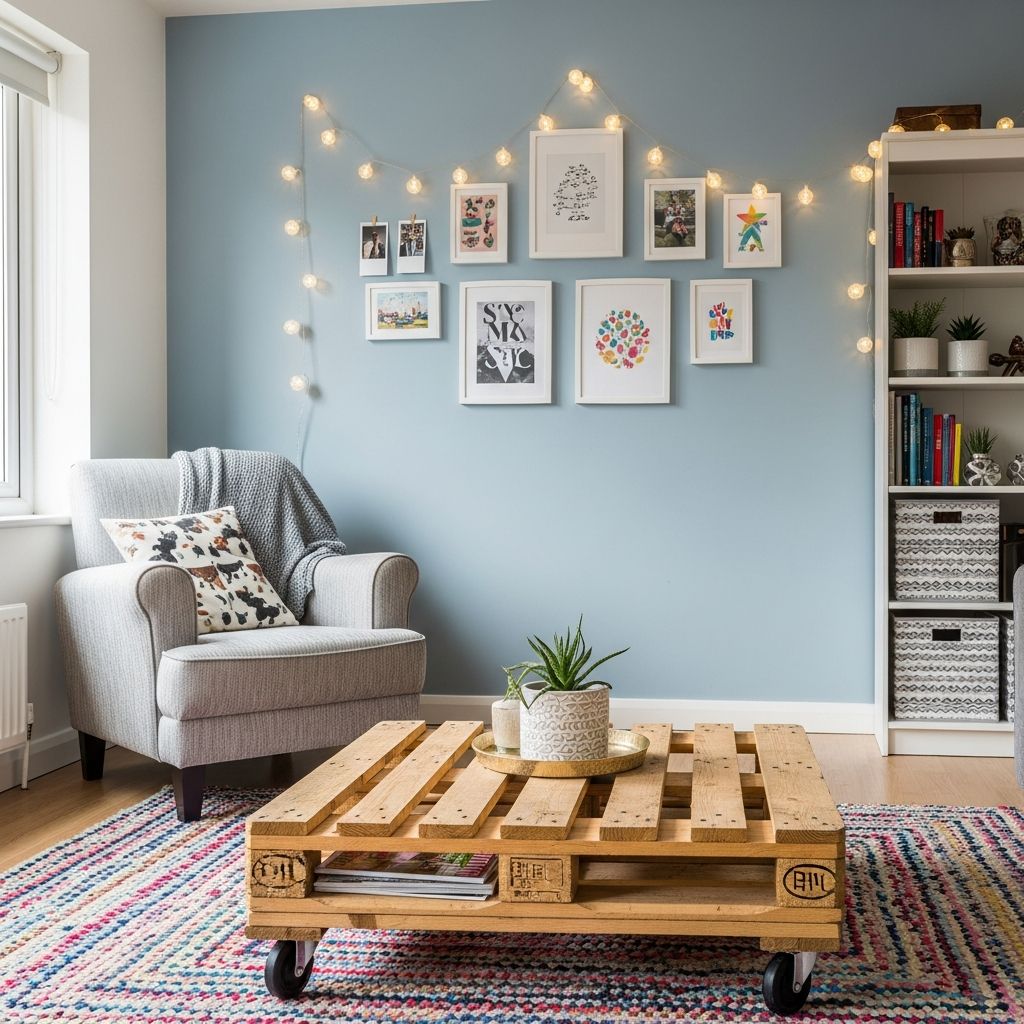
For those hesitant about painting entire rooms, accent walls provide an excellent compromise. A single wall painted in a bold or contrasting color creates focal points and adds visual drama without overwhelming spaces. This approach allows experimentation with bolder color choices while maintaining overall room cohesion.
Furniture Refinishing Through Paint
Existing furniture often possesses structural integrity and quality construction despite appearing outdated. Refinishing pieces through painting provides opportunities for cost-effective renewal. Dressers, nightstands, shelving units, and chairs can be transformed into statement pieces through careful preparation and quality paint application. Chalk-style paints work particularly well for furniture projects, offering excellent coverage and distinctive finishes.
Strategic Lighting Adjustments
Lighting dramatically influences how spaces feel and function. Modifications to existing lighting systems can achieve remarkable transformations at minimal cost.
Bulb Temperature Optimization
A frequently overlooked improvement involves changing existing bulbs from cool white to warm white color temperatures. This simple switch creates more inviting, comfortable atmospheres in living areas, bedrooms, and dining spaces. Warm lighting enhances relaxation and creates welcoming environments for social gathering, while cooler light suits task-oriented areas like kitchens and home offices.
Expanded Lighting Placement
Replacing reliance on overhead fixtures with strategically placed lamps and accent lighting improves both functionality and ambiance. Additional lighting in dark corners, closets, or reading areas extends usable space and creates layered illumination that adapts to different activities and times of day.
Specialty Lighting Installations
Modern wireless and battery-operated lighting solutions enable creative placement without extensive electrical work. Puck lights in dark closets, waterproof lamps in bathrooms, and picture lights above artwork enhance specific areas without requiring professional installation.
Hardware and Fixture Replacement
Small but visible components profoundly influence overall aesthetic impressions. Strategic replacement of existing hardware and fixtures provides noticeable improvements proportional to minimal investment.
Cabinet Hardware Updates
Kitchen and bathroom cabinets occupy significant visual real estate. Replacing worn or dated cabinet knobs and pulls with contemporary designs creates immediate refreshment without structural modifications. The financial investment typically ranges from $30 to $100 for most homes.
Outlet and Switch Plate Upgrades
Standard builder-grade outlet covers and switch plates often clash with carefully designed interiors. Replacing these functional elements with decorative options that complement color schemes and design themes provides disproportionate visual enhancement.
Toilet Seat and Shower Components
Bathroom fixtures worthy of consideration include replacing standard toilet seats with contrasting or complementary options and upgrading shower heads to more powerful or adjustable models. These practical improvements enhance daily functionality while contributing to bathroom aesthetics.
Decorative Surface Treatments
Strategic application of simple materials can transform spaces without permanent structural changes.
Backsplash Enhancement
Peel-and-stick tile products enable creative backsplash installations without professional tile work. Kitchen and bathroom areas benefit from visual interest and protective surfaces that protect walls from moisture and splashing. Installation requires only basic tools and moderate time investment.
Grout Refinishing
Existing tile becomes visually enhanced through grout color updates. Specialized grout paints address discoloration and staining, restoring brightness to tiled surfaces throughout bathrooms and kitchens. This improvement proves particularly effective in bathrooms where moisture exposure often discolors original grout.
Contact Paper Applications
Decorative contact paper enables temporary or semi-permanent surface transformations. Dressers, drawer liners, shelving, and other surfaces can be renewed through contact paper application, providing customization opportunities without permanent modifications.
Entryway and Curb Appeal Enhancements
First impressions significantly influence how visitors and potential buyers perceive properties. Strategic entryway improvements deserve consideration despite being frequently overlooked.
Front Door Restoration
Front doors serve as primary focal points for home exteriors. Fresh paint, new hardware, or both create welcoming entryway statements. Doors can be painted with quality weather-resistant paint after appropriate preparation, including sanding and priming.
Exterior Lighting and Hardware
Clean, functional exterior light fixtures and updated hardware contribute to polished appearances. Replacing builder-grade fixtures and adding additional lighting enhances both security and aesthetic appeal.
Landscaping Touches
Window boxes filled with seasonal flowers, fresh doormats, and well-maintained entryway plants communicate care and attention. These elements require minimal investment while significantly impacting curb appeal.
Interior Styling and Organization
Beyond structural or material modifications, thoughtful styling and organization create noticeably improved spaces.
Decluttering and Surface Clearing
Removing unnecessary items and organizing visible surfaces dramatically improves spatial perception. Clear kitchen counters, organized bookshelves, and tidy table surfaces communicate intentionality and care. This improvement costs nothing yet delivers substantial visual benefits.
Decorative Elements and Arrangements
Strategic placement of artwork, mirrors, plants, and decorative objects creates visual interest and draws attention to architectural features. Gallery walls, carefully arranged shelving, and thoughtful centerpieces transform ordinary spaces into intentional environments. These styling approaches utilize items typically already present in homes, making them genuinely free improvements.
Textile Updates
Fresh throw pillows, updated curtains, and clean throw blankets refresh spaces seasonally and affordably. Swapping pillow covers, washing existing textiles, and repositioning throws creates perceptible changes requiring minimal financial investment.
Practical DIY Project Timeline Considerations
| Project Type | Estimated Duration | Typical Cost Range | Skill Level Required |
|---|---|---|---|
| Interior Wall Painting | 4-8 hours | $50-$200 | Beginner |
| Hardware Replacement | 1-3 hours | $30-$100 | Beginner |
| Backsplash Installation | 3-6 hours | $50-$150 | Beginner |
| Front Door Painting | 2-4 hours | $20-$60 | Beginner |
| Gallery Wall Creation | 2-3 hours | $0-$50 | Beginner |
| Lighting Fixture Updates | 1-2 hours | $30-$80 | Beginner |
Planning and Implementation Strategies
Successful home improvement projects benefit from thoughtful planning before execution begins. Developing project priorities, gathering necessary materials, and establishing realistic timelines maximize success rates and minimize frustration.
Assessment and Priority Setting
Begin by evaluating current home conditions and identifying areas providing the greatest improvement potential. Spaces receiving frequent use or visible to visitors typically warrant higher priority. Photography documentation helps track before-and-after results while providing motivation during longer projects.
Material Gathering and Preparation
Assembling all required materials before beginning prevents mid-project delays. Quality materials, while requiring slightly higher initial investment, typically produce superior results justifying the additional expense. Protective coverings, safety equipment, and cleanup supplies deserve inclusion in material lists.
Phased Implementation Approach
Rather than attempting multiple complex projects simultaneously, sequential implementation allows learning from each experience while maintaining manageable workloads. Completing smaller projects first builds confidence and motivation for more ambitious undertakings.
Frequently Asked Questions About Budget Home Improvements
What home improvements provide the greatest visual impact for minimal investment?
Interior and exterior painting consistently ranks among the highest-impact improvements relative to cost. Strategic hardware replacement, lighting modifications, and decluttering also deliver substantial visual benefits with minimal financial investment.
Do I need professional help for these projects?
Most projects described above are designed specifically for homeowner implementation without professional assistance. Basic tools, proper preparation, and patience typically ensure satisfactory results comparable to professional work.
How long do these improvements typically last?
Durability varies by project type. Paint finishes typically last 5-10 years with proper application and maintenance. Hardware and fixtures last indefinitely unless damaged. Decorative elements can be updated seasonally or as style preferences change.
What’s the best starting point for someone new to DIY projects?
Begin with lower-stakes projects like decluttering, textile swaps, and decorative rearrangement. Progress to painting and hardware replacement as confidence grows. Reserve more complex projects for later as skills develop.
Can these improvements increase home value?
Yes, many improvements contribute to increased property value. Updated lighting, refreshed paint, and improved curb appeal appeal to potential buyers and create more desirable living environments.
Conclusion: Transforming Spaces Within Budget Constraints
Creating meaningful home improvements without substantial financial investment remains entirely achievable through strategic project selection and careful execution. From paint-based transformations to lighting adjustments, hardware replacements, and thoughtful styling, budget-conscious homeowners possess numerous opportunities to enhance their living spaces. These improvements deliver dual benefits: creating more beautiful, functional environments while developing valuable skills and building confidence in DIY capabilities. Beginning with manageable projects and progressively tackling more ambitious improvements allows sustainable progress toward the home vision desired, regardless of financial constraints.
References
- Simple DIY Projects to Improve Your Home in an Hour or Less — Blesser House. Retrieved April 2026. https://www.blesserhouse.com/simple-diy-projects-to-improve-your-home-in-an-hour-or-less/
- 12 Easy DIY Home Improvement Projects: Indoor and Outdoor Ideas — Saffron Marigold. Retrieved April 2026. https://www.saffronmarigold.com/blog/easy-diy-home-improvement-projects-indoor-and-outdoor-ideas/
- 25+ Ways to Decorate Your Home on a Budget — The Turquoise Home. Retrieved April 2026. https://theturquoisehome.com/ways-to-improve-your-home-on-a-budget/
- 7 Easy DIY Home Projects That’ll Make You Say, Yes I Can — Amy Woods Realtor. Retrieved April 2026. https://amywoods.realtor/blog/7-easy-diy-home-projects-thatll-make-you-say-yes-i-can
- 27 Simple DIY Home Improvement Projects To Try This Weekend — Extra Space Storage. Retrieved April 2026. https://www.extraspace.com/blog/home-organization/home-improvement-weekend-project-ideas/
- 10 DIY Projects to Make Your Home Look Expensive — YouTube. Retrieved April 2026. https://www.youtube.com/watch?v=2PkBD14vWh4
Similar Articles



Read full bio of Sneha Tete