Budget-Friendly Home Improvements Through DIY
Transform your living space while keeping expenses low with practical do-it-yourself solutions.
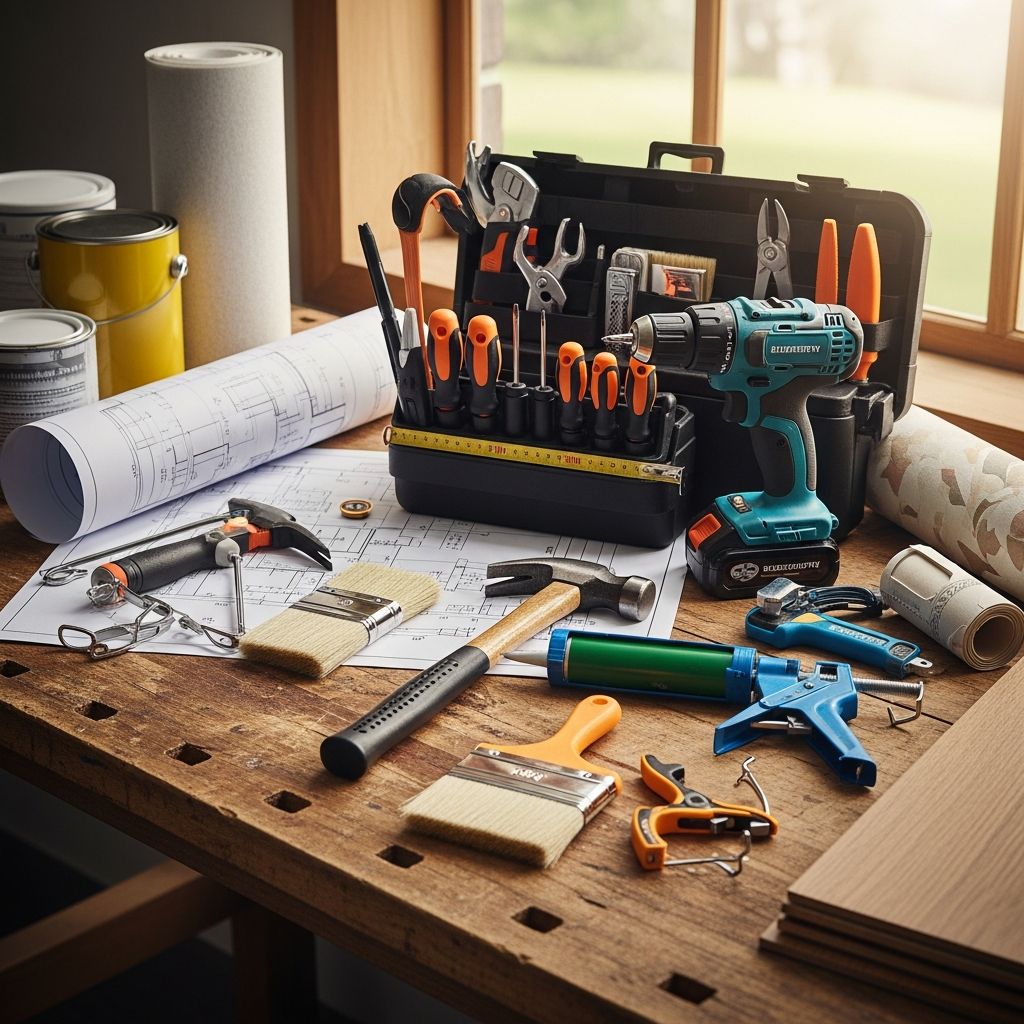
Taking on do-it-yourself home projects offers homeowners a practical pathway to reduce expenses while simultaneously upgrading their living spaces. Rather than relying exclusively on professional contractors and expensive services, many tasks can be accomplished with basic tools, readily available materials, and a willingness to learn. This approach not only diminishes the financial burden of home maintenance and improvements but also fosters a sense of accomplishment and self-reliance.
Reducing Electricity Consumption and Utility Bills
One of the most impactful areas where homeowners can cut costs involves managing energy usage throughout their residences. Electricity represents a significant portion of monthly household expenses, and strategic interventions can yield measurable savings without sacrificing comfort or convenience.
Lighting represents an excellent starting point for energy reduction initiatives. Installing dimmer switches allows for precise control over light intensity, enabling occupants to use only the amount of illumination needed for specific tasks or times of day. Complementing this with energy-efficient bulb alternatives creates a compounding effect on energy savings.
Climate control systems deserve particular attention, as heating and cooling typically consume the largest share of residential energy budgets. Routine maintenance of central air conditioning filters—replaced monthly during cooling season—prevents systems from working harder than necessary. Additionally, ceiling fans can serve a dual purpose: during summer months, they work alongside air conditioning systems to circulate cool air more efficiently, potentially allowing thermostats to be raised several degrees without compromising comfort. During winter, reversing fan blade rotation helps distribute warm air from heating systems more evenly throughout spaces.
Kitchen appliance selection and usage patterns significantly influence overall electricity consumption. Microwave ovens consume approximately half the power of traditional range cooking, making them an ideal choice for smaller meal preparation tasks. Similarly, toaster ovens prove more economical than full-sized ovens for modest baking projects. When operating larger appliances, ensuring they operate at full capacity maximizes efficiency—running dishwashers only when completely full and utilizing air-dry settings can substantially reduce both water and electricity expenses.
Strategic placement of cookware on stovetop burners often goes overlooked, yet it significantly affects heating efficiency. Positioning a six-inch pot on an eight-inch burner wastes more than forty percent of the burner’s heat output. Matching pot sizes to burner dimensions ensures optimal energy transfer and faster cooking times.
Computer and electronic devices left in standby mode continue consuming electricity throughout the day and night. Configuring computers to enter sleep mode—including hard drives—after brief periods of inactivity substantially reduces phantom power drain. This simple adjustment, multiplied across numerous devices and months of usage, translates into measurable utility bill reductions.
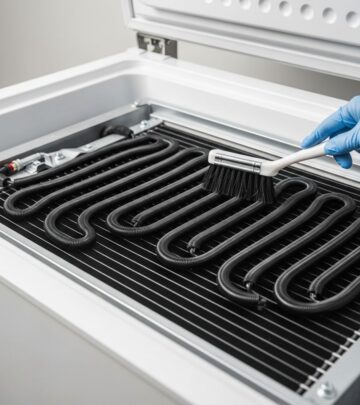
Refrigerator efficiency often diminishes over time due to accumulated dust and debris on condenser coils. Regular cleaning of these coils improves cooling effectiveness, reducing the duration and frequency that compressors must operate.
Water Conservation and Plumbing Efficiency
Water usage represents another controllable household expense where straightforward improvements yield significant financial benefits. The average household allocates approximately one thousand dollars annually toward water consumption, with substantial reduction potential through targeted interventions.
Faucet aerators provide one of the simplest and most cost-effective upgrades available to homeowners. These inexpensive devices reduce sink water flow by thirty percent or greater without perceptibly diminishing water pressure. When addressing bathroom fixtures comprehensively, low-flow showerheads can reduce water heating costs by up to sixty percent compared to standard fixtures.
Toilet water consumption often escapes conscious notice until examining monthly water bills. Dual-flush toilet converters represent an economical solution, capable of reducing toilet-flushing water usage by up to seventy percent. Even small drips demand immediate attention, as faucets dripping once per second waste approximately three thousand gallons of water annually.
Shower duration significantly impacts both water consumption and heating expenses. Installing shower timers—particularly in children’s bathrooms—creates awareness about water usage patterns and encourages conservation habits.
For homeowners considering bathroom upgrades, refinishing existing bathtubs rather than replacement preserves functionality while substantially reducing project costs compared to complete renovation expenses.
Kitchen Economy and Food Preparation Strategies
The kitchen environment offers numerous opportunities to reduce household expenses through creative approaches and strategic purchasing decisions. Beyond appliance selection and usage patterns, food preparation methods and ingredient sourcing substantially influence overall household budgets.
Planning meals strategically around seasonal produce availability and current sale items at grocery stores reduces food costs without sacrificing nutrition or taste variety. Seasonal ingredients typically cost significantly less than out-of-season alternatives shipped from distant locations.
Pressure cookers and slow cookers enable transformation of economical, less expensive meat cuts into delicious, satisfying meals while consuming substantially less energy than conventional cooking methods. These appliances prove particularly valuable for budget-conscious households seeking to maximize nutritional value while minimizing expenses.
Growing fresh herbs in kitchen windowsills eliminates recurring costs associated with purchasing bundles of herbs for individual meals. A small collection of potted herbs—basil, parsley, thyme, oregano—provides consistent freshness while reducing grocery expenditures over time.
During home renovation or remodeling projects, establishing a makeshift kitchen with basic essentials—preparation surface, microwave, coffeemaker, and refrigerator—prevents costly daily takeout and coffee shop purchases that quickly accumulate over renovation timelines.
Exterior Home Enhancement and Landscaping Solutions
Outdoor spaces present opportunities for significant aesthetic improvements at modest costs. Strategic landscaping and exterior upgrades can enhance curb appeal while remaining within budget constraints.
Native plant selection for landscaping serves dual purposes: these species typically require substantially less water and maintenance than non-native alternatives, simultaneously reducing water bills and landscaping service costs. Creating low-maintenance rock gardens reduces the lawn area requiring regular mowing and trimming, further decreasing maintenance expenses.
A fresh coat of paint applied to front doors dramatically enhances curb appeal without substantial financial investment. This modest exterior improvement often produces disproportionately positive impacts on overall home appearance perception.
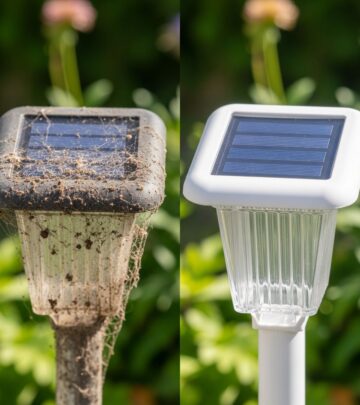
Solar-powered landscape lighting eliminates traditional wiring installation costs while consuming no electricity during operation, representing a long-term savings opportunity for outdoor lighting needs.
Proper lawn edging creates professionally manicured appearance without professional landscaping service expenses. Renting power washing equipment for a single day enables homeowners to refresh driveways, home exteriors, and patios at a fraction of professional service costs.
Vegetable gardens produce remarkable returns on investment, with potential yields exceeding six hundred fifty dollars worth of fresh produce from initial startup investments often under two hundred fifty dollars. This substantial return margin makes vegetable gardening an exceptionally practical budget-conscious project for households with available outdoor space.
Household Maintenance and Cleaning Solutions
Commercial cleaning products available at retail stores command significant premiums, partly due to packaging, branding, and marketing expenses. Manufacturing household cleaning solutions at home utilizing common ingredients—vinegar, baking soda, castile soap, essential oils—substantially reduces cleaning expenses while providing complete knowledge of product ingredients. This approach eliminates concerns about harsh chemical exposure for family members while maintaining cleaning effectiveness.
Transitioning from disposable paper napkins to cloth alternatives represents a decision that generates lifetime savings despite modest initial investment. Once established, cloth napkins require only periodic laundering, eliminating continuous purchasing of disposable alternatives.
Creating compost bins from repurposed containers eliminates fertilizer and soil enhancement purchasing costs while converting kitchen scraps into valuable garden amendments. Simple designs utilizing old coffee cans or five-gallon buckets with drainage holes provide functionality without commercial compost receptacle expenses.
Laundry and Textile Care Efficiency
Laundry operations consume considerable electricity and water, particularly in households with multiple residents. Implementing alternative drying methods significantly reduces utility consumption while simultaneously extending clothing lifespan by reducing heat-related wear and tear.
Installing clotheslines—whether outdoors or in interior spaces like garages or bathrooms—enables air-drying of garments without electricity consumption. This approach preserves clothing quality while eliminating dryer energy costs, creating dual financial benefits for household budgets.
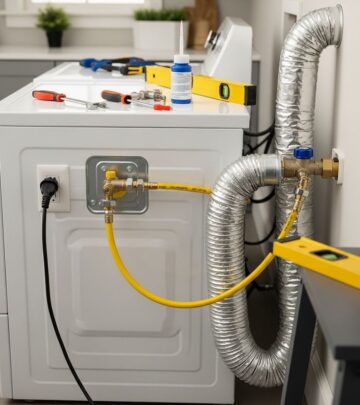
Dryer vent maintenance directly impacts heating efficiency and drying duration. Shortening dryer vent hose lengths, removing accumulated lint, and trimming hoses to appropriate dimensions improve airflow and reduce energy consumption.
Vehicle Maintenance and Home Exterior Care
Vehicles represent substantial household assets requiring regular maintenance and care. Performing basic washing at home using hoses equipped with automatic shutoff nozzles substantially reduces expenses compared to commercial car washing services while enabling water conservation through intentional shutoff during non-washing intervals.
Winter maintenance in snow-prone climates offers savings opportunities through personal snow removal efforts rather than hiring professional services. Self-performed shoveling combines physical exercise benefits with financial savings, though proper technique and physical limitations require careful consideration.
Fixture Updates and Bathroom Modernization
Bathroom vanities acquire outdated or worn appearances not necessarily requiring complete replacement. Installing new cabinet hardware—knobs and pulls—refreshes vanity appearance at minimal expense compared to full cabinet replacement or bathroom remodeling projects.
Frequently Asked Questions
What represents the highest-impact DIY project for reducing household expenses?
Water heating efficiency improvements often yield the most substantial savings. Installing low-flow showerheads and faucet aerators combined with dual-flush toilet converters can reduce water heating costs by fifty to seventy percent, producing measurable monthly bill reductions with minimal investment.
How much can homeowners realistically save through DIY initiatives?
Savings vary significantly based on current usage patterns, regional utility rates, and project scope. However, combining multiple efficiency improvements typically reduces utility expenses by twenty to thirty percent, translating to several hundred dollars annually for average households.
Are specialized tools required for most DIY household projects?
Many money-saving projects require only basic tools and common household materials. More complex improvements may necessitate tool rental rather than purchase, distributing costs across multiple users or projects.
What timeline should homeowners expect for seeing financial returns?
High-impact projects like vegetable gardens show returns within first growing seasons. Utility efficiency improvements demonstrate savings immediately on subsequent billing cycles. Long-term projects like clothing lifespan extension through air-drying accumulate benefits over years.
References
- 50 Nifty DIY Tricks to Save Money — This Old House. Accessed 2026-04-01. https://www.thisoldhouse.com/50-nifty-tricks-for-big-diy-savings
- Cool DIY Projects that are Quick and Save Money — DIY Natural. Accessed 2026-04-01. https://diynatural.com/quick-money-saving-diy-projects/
- 17 Simple Home DIY Projects That Will Save You Money — Mid Penn Bank. Accessed 2026-04-01. https://midpennbank.com/home-diy-projects-that-save-money/
Similar Articles


Read full bio of medha deb