Budget-Friendly Pet Care Strategies
Discover practical methods to reduce pet expenses while maintaining quality care.
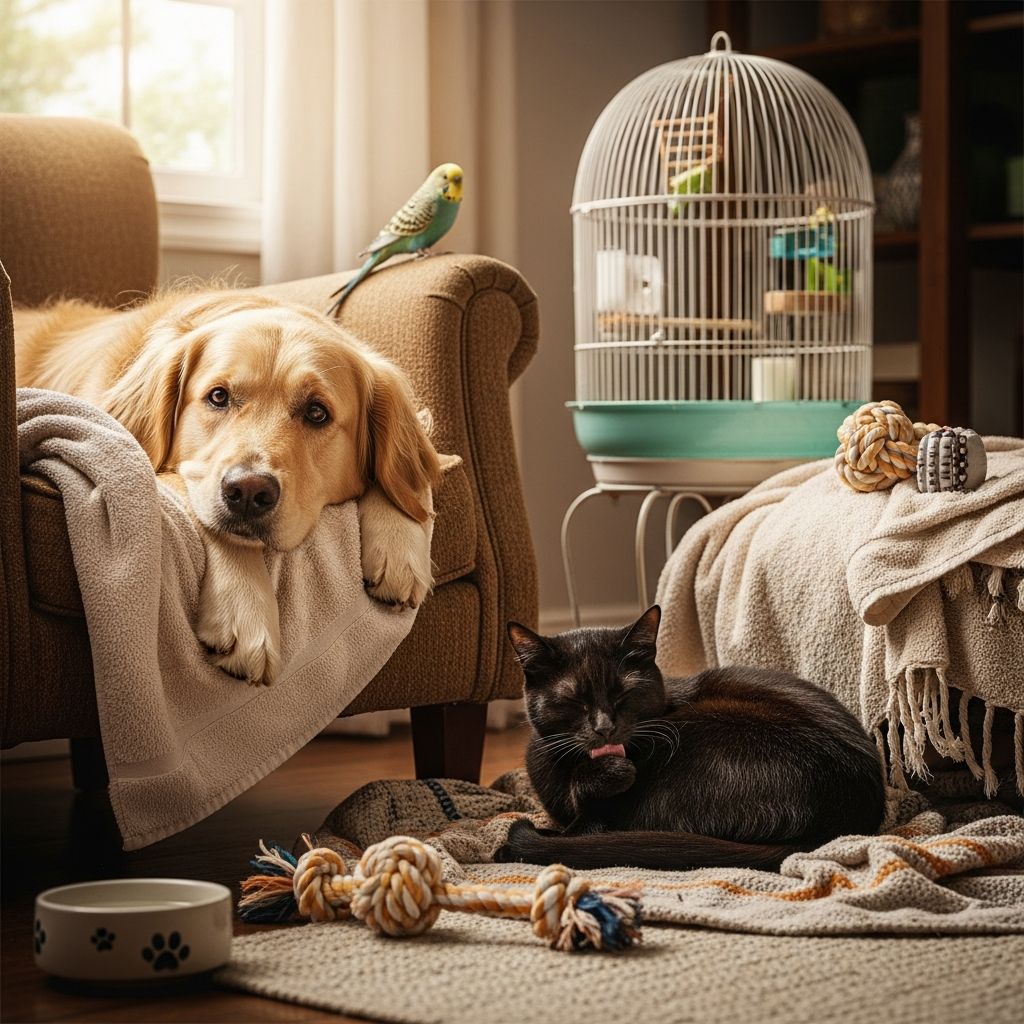
Pet ownership brings immeasurable joy and companionship, yet the financial responsibilities can accumulate quickly. From routine veterinary visits to grooming supplies, toys, and specialized diets, pet care expenses often strain household budgets. However, numerous practical approaches exist that enable pet owners to substantially reduce costs while maintaining excellent standards of animal care. By implementing strategic techniques and leveraging readily available household resources, you can create a sustainable, economical pet care routine.
Creative Toy Solutions Using Household Items
Commercial pet toys represent one of the most avoidable expenses in pet care. Retailers often charge premium prices for items that pets interact with briefly before losing interest. Instead, numerous household items serve as equally engaging alternatives that cost nothing beyond what you already possess.
Cats demonstrate particular enthusiasm for simple, inexpensive enrichment options. Empty cardboard boxes provide hours of entertainment, as felines naturally gravitate toward confined spaces for security and exploration. Additionally, crumpled paper balls, paper bags, and even plain string (supervised) offer stimulating play experiences. For a slightly more refined cat toy, fill an old sock with rice or dried catnip, then securely knot the opening. This homemade creation delivers sensory engagement comparable to commercially manufactured alternatives at a fraction of the cost.
Canine companions respond enthusiastically to repurposed textiles. Old t-shirts can be transformed into braided tug toys by cutting the material into strips, braiding them together, and tying knots at each end. Fleece strips similarly create entertaining pulling toys that satisfy dogs’ natural instinct to shake and toss objects. For dogs who enjoy crinkly sounds, empty water bottles partially squeezed and recapped create an appealing acoustic texture. To prevent over-flattening, squeeze the bottle slightly before replacing the cap, creating an irregular shape that maintains its crinkle-producing properties.
Rolled towels or blankets filled with treats before being rolled tightly serve as puzzle toys that stimulate problem-solving abilities. Dogs must unroll the material to access hidden rewards, providing mental engagement alongside physical play. Toilet paper rolls crumpled and filled with treats offer similar enrichment for smaller pets.
Grooming and Hygiene on a Shoestring Budget
Professional grooming services represent significant recurring expenses, particularly for long-haired breeds requiring regular maintenance. Developing basic grooming competencies enables pet owners to manage routine care independently while reserving professional services for specialized needs.
Homemade dog shampoo requires minimal ingredients typically found in kitchen cabinets. Combining coconut oil, baking soda, and water creates a gentle cleanser that effectively removes dirt and odor without harsh chemical components. This mixture proves particularly suitable for dogs with sensitive skin conditions. Apply the paste to damp fur, work it through the coat thoroughly, then rinse completely. The natural ingredients clean effectively while maintaining coat health and shine.
Between full baths, homemade cleaning wipes provide convenient spot-cleaning solutions. Dip soft cloths or baby wipes in a dilute vinegar-water mixture (approximately one part vinegar to five parts water) to create effective paw and face cleansers. These wipes remove dirt and odors while remaining gentler and significantly cheaper than commercial pet wipe products. The mild acidic nature of vinegar naturally neutralizes urine odors and mild stains on surfaces and paw pads.
Nail trimming, while occasionally requiring professional assistance for heavily overgrown nails, can be managed at home with appropriate tools and technique. One particularly effective method involves applying peanut butter or another appealing spread to a vertical surface during the trimming process. This distraction technique keeps pets stationary while maintaining their attention, making the procedure considerably easier. Performing nail trims inside a bathtub facilitates easy cleanup of both nail clippings and any food residue, containing the mess to a single washable space.
Enrichment Activities That Combat Boredom
Behavioral problems frequently stem from insufficient mental and physical stimulation rather than temperament issues. Strategic enrichment activities reduce destructive behaviors, excessive barking, and anxiety-related issues while improving overall wellbeing. The most effective enrichment solutions cost nothing beyond the effort required to implement them.
Exercise intensity can be amplified through environmental manipulation. Playing fetch or retrieve games on downhill terrain requires dogs to expend substantially more energy, as they must run uphill to return objects to their owners. This simple geographical adjustment accelerates fatigue in high-energy dogs who might otherwise exhaust their handlers during extended play sessions. The incline intensifies cardiovascular work, strengthening muscles more effectively than flat-ground play.
Frozen treats provide simultaneous cooling, hydration, and mental stimulation during warm weather months. Freeze a dog’s favorite toys or treats inside water-filled containers, creating an engaging puzzle that occupies attention for extended periods. As the ice gradually melts, pets gain access to hidden rewards while remaining occupied and cool. This technique proves particularly valuable for managing outdoor dogs during summer conditions.
Interactive feeding methods transform regular meals into engaging activities. Instead of using standard bowls, distribute kibble throughout the environment, requiring pets to forage and search for their nutrition. Muffin tins, puzzle feeders created from toilet paper rolls arranged in containers, or hidden portions throughout living spaces extend meal consumption and provide mental enrichment alongside physical activity.
Practical Solutions for Feeding and Water Management
Outdoor feeding areas present particular challenges for active dogs prone to overturning bowls as entertainment. Rather than purchasing specialized elevated feeders, simple and inexpensive alternatives prove equally effective. Five-gallon buckets placed inside old tires create stable feeding stations that resist tipping despite determined effort. For smaller dogs, bungee cords securing bowls to fence posts or trees prevent displacement while maintaining accessibility.
Food costs can be reduced through strategic purchasing methods. Subscribe-and-save programs offered through major online retailers provide up to 15% discounts on bulk food purchases, with free delivery eliminating transportation costs. Buying directly from manufacturers or through wholesale pet suppliers significantly reduces per-unit prices, particularly for flea medications, joint supplements, and grooming products. Comparing prices across platforms ensures you secure optimal value without sacrificing brand quality or nutritional standards.
Homemade treat preparation reduces spending while enabling customization to individual dietary preferences and restrictions. Simple recipes using peanut butter, pumpkin, and oats create nutritious rewards that cost substantially less than commercial treat packages. Creating treats in batches and freezing them extends shelf life while reducing overall preparation time and expense.
Preventative Care and Long-Term Cost Management
Consistent preventative veterinary care, while initially seeming expensive, prevents far costlier emergency interventions and chronic health complications. Annual complete physical examinations identify emerging health issues while they remain manageable and inexpensive. Dental cleanings prevent tooth loss and associated infections that can compromise organ function. Vaccinations and parasite prevention avoid devastating infectious diseases that require intensive and expensive treatments.
Establishing a dedicated pet care budget provides financial clarity and prevents reactive spending. Allocating specific monthly amounts for routine care, emergency reserves, and discretionary items ensures funds exist for necessary expenses. This structured approach prevents debt accumulation while maintaining consistent care standards.
Clothing and Accessories Through Repurposing
Pets requiring additional warmth during cold seasons need not rely on expensive specialized pet clothing. Old sweaters can be retrofitted to fit canine companions by removing sleeves and shortening the length. Socks become makeshift booties for protecting paws during snow and ice exposure. This clothing repurposing simultaneously addresses a household need (disposing of damaged or unused garments) while creating functional pet protection at minimal cost.
Cat-Specific Budget Strategies
Feline companions present distinct cost-reduction opportunities beyond standard pet care approaches. Rather than purchasing expensive cat scratchers, cardboard scratching trays or door hangers with cardboard surfaces satisfy scratching instincts while costing significantly less. Wrapping inexpensive sisal rope around existing posts or tree branches provides durable scratching surfaces while extending equipment lifespan. Ensuring scratching structures remain stable and sufficiently tall prevents injury while delivering satisfactory scratching experiences.
Litter box maintenance costs can be reduced through DIY deodorizing solutions. Baking soda sprinkled regularly in litter boxes neutralizes odors without purchasing commercial enzymatic additives. This simple, inexpensive approach maintains freshness between litter changes while reducing overall litter box maintenance expenses.
Common Questions About Pet Budget Management
Are homemade pet foods nutritionally adequate?
While homemade treats are generally safe and nutritious, complete homemade meal replacements require veterinary nutritionist guidance to ensure balanced nutrition. Consulting with veterinary professionals before implementing homemade diets as primary nutrition sources prevents nutritional deficiencies that develop gradually and cause serious health consequences.
Can DIY grooming replace professional services entirely?
Basic maintenance grooming can be performed at home, but professional groomers provide specialized services such as breed-appropriate cuts and nail care for heavily overgrown nails. Combining at-home maintenance with occasional professional services balances cost reduction with professional expertise, particularly for complex grooming needs.
What safety considerations apply to homemade pet toys?
Homemade toys must exclude small detachable parts, strings, and materials that pose choking hazards. Always supervise pets during play with handmade items. Inspect toys regularly for deterioration and discard compromised items that might splinter or fragment.
How frequently should preventative veterinary care occur?
Most veterinary professionals recommend annual health examinations for adult pets and twice-yearly visits for senior animals (generally age seven and older). Puppies and kittens require more frequent visits during their first year. Senior pets benefit from more intensive monitoring to catch age-related conditions early.
Implementing a Comprehensive Budget Strategy
Successfully reducing pet care expenses requires systematic implementation rather than random cost-cutting. Begin by identifying your highest expenses through detailed tracking of current spending patterns. Prioritize high-impact changes offering substantial savings without compromising care quality. Gradually incorporate additional strategies, allowing time to evaluate effectiveness and sustainability.
Community resources often provide additional cost-reduction opportunities. Low-cost veterinary clinics, pet food banks, and rescue organization networks frequently offer discounted services and supplies to qualifying individuals. Many pharmaceutical suppliers offer generic versions of brand-name medications at significantly reduced prices, providing identical therapeutic benefits.
By thoughtfully implementing these budget-conscious approaches, pet owners cultivate sustainable care practices that maintain excellent health standards while substantially reducing financial burden. The combination of preventative care, DIY solutions, and strategic purchasing creates an economical framework that demonstrates that exceptional pet care and responsible financial management can coexist harmoniously.
References
- Top 10 Genius Pet Hacks That Cost Little to No Money — PetRescue Kansas City. 2025. https://prckc.org/blog/top-10-genius-pet-hacks-that-cost-little-to-no-money/
- 10 DIY Pet Care Hacks to Save Money Without Sacrificing Quality — Savvy Pet Care. 2025. https://savvypetcare.com/10-diy-pet-care-hacks-to-save-money-without-sacrificing-quality/
- 20 Easy Ways to Save Money on Your Pet — Vetstreet. 2024. https://www.vetstreet.com/our-pet-experts/20-easy-ways-to-save-money-on-your-pet
- Pet Hacks on a Budget — Michelson Found Animals. 2024. https://www.foundanimals.org/pet-hacks-budget/
- Money-Saving Tips for Pet Owners — National Animal Supplement Council. 2024. https://www.nasc.cc/dog/money-saving-tips-for-pet-owners/
- 10 Tips to Save on Pet Care Costs (2026) — Primeway FCU. 2026. https://www.primewayfcu.com/blog/3-tips-keeping-your-friendly-pets-from-breaking-the-bank
Similar Articles






Read full bio of Sneha Tete