Build Your Own Cedar Split Rail Gate: Step-By-Step Guide
Master the art of crafting a durable cedar split rail fence gate with our detailed DIY guide for timeless backyard appeal.
Build Your Own Cedar Split Rail Gate
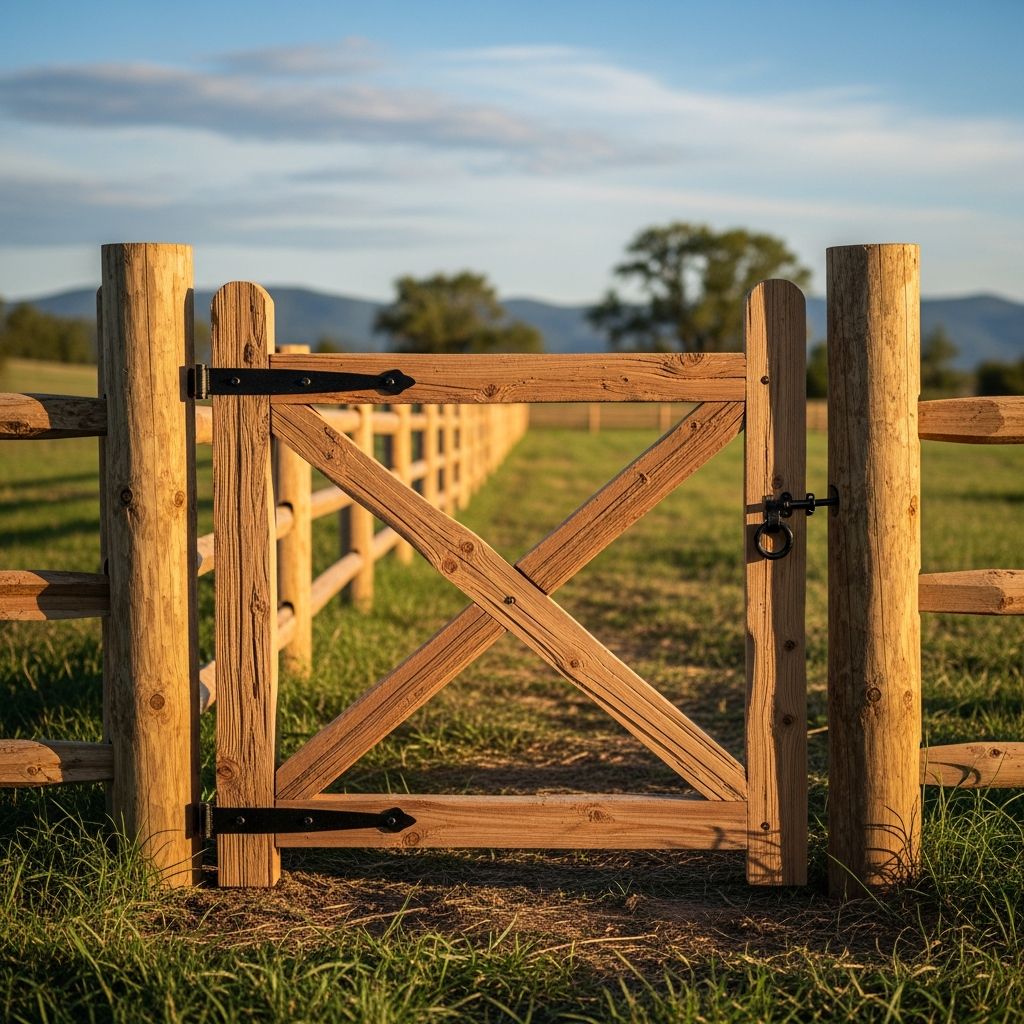
Creating a custom cedar split rail fence gate offers a perfect blend of rustic aesthetics and practical functionality for your property. This guide provides everything needed to construct a robust gate that withstands weather and daily use, drawing on proven techniques for longevity.
Why Choose Cedar for Split Rail Gates?
Cedar wood stands out for its natural resistance to rot, insects, and decay, making it ideal for outdoor structures like fence gates. Unlike treated lumber, cedar maintains its rich color and texture over time with minimal maintenance, enhancing any landscape with a classic, pastoral look. Gates built from split rail cedar integrate seamlessly with existing fences, providing easy access while preserving the fence’s traditional charm.
Essential Materials and Tools
Gather high-quality materials to ensure your gate’s durability. Key components include cedar split rails (typically 8-11 feet long), sturdy posts for hinges and latches, diagonal braces (2×4 cedar), galvanized screws or nails, heavy-duty hinges, and a latch system.
- Cedar rails: Select straight, uniform pieces for the frame; aim for 3-4 horizontal rails per gate.
- Posts: 4×4 or 6×6 cedar for gate supports, treated if in moist soil.
- Brace: One 2×4 cedar cut to fit diagonally for anti-sag support.
- Hardware: T-hinges or strap hinges rated for 100+ lbs, gate latch, and screws.
For tools, prepare a tape measure, circular saw or miter saw, post hole digger, level, drill, clamps, and safety gear like gloves and goggles.
Planning Your Gate Dimensions
Accurate measurements prevent fitting issues. Measure the opening between fence posts at top, middle, and bottom; use the narrowest dimension and subtract 1-2 inches for clearance to allow smooth swinging. Standard gates range from 3-5 feet wide. For angled installations, account for the fence’s geometry by dry-fitting rails first. Sketch a simple diagram noting rail overlaps (typically 4-6 inches into post mortises) and brace angles.
| Gate Width | Rail Length Needed | Post Spacing | Clearance Adjustment |
|---|---|---|---|
| 4 feet | 47-48 inches (per rail) | 50-52 inches center-to-center | -1.5 inches total |
| 3 feet | 36-37 inches | 39-41 inches | -1 inch total |
| 5 feet | 58-60 inches | 62-64 inches | -2 inches total |
This table assumes standard rail overlaps; adjust for your fence style.
Step-by-Step Construction Process
Step 1: Prepare the Rails and Frame
Mark and cut horizontal rails to length using a miter saw for precision. For a 4-foot gate, each rail should measure about 47.75 inches to account for post tenons. Lay rails on a flat surface in their assembled position: bottom rail lowest, then middle rails spaced evenly (8-10 inches apart), and top rail highest. Clamp together to form the frame outline.
Step 2: Add Vertical Stiles for Stability
Incorporate vertical cedar stiles (full-height pieces) at hinge and latch ends. Cut stiles 6 inches longer than the frame height for ground clearance. Notch or mortise ends to fit over rails snugly. Secure with screws or by driving rails into pre-cut post slots for authentic split rail look.
Step 3: Install the Anti-Sag Diagonal Brace
The diagonal brace is crucial for preventing gate droop. Measure from the bottom hinge-side corner to the top latch-side corner. Cut a 2×4 cedar at precise angles to sit atop the bottom rail and beneath the top rail. Secure with 3-inch deck screws every 12 inches, penetrating into multiple rails for strength. This adjustable brace allows future tweaks if settling occurs.
Step 4: Reinforce and Finish the Frame
Check squareness using a framing square; adjust clamps as needed. Add cross-bracing if the gate exceeds 4 feet. Sand rough edges and apply a cedar-safe sealant to protect against UV damage and moisture, extending lifespan by years.
Installing Gate Posts and Hardware
Dig post holes 4 feet deep (1/3 below grade) with 10-12 inches diameter, adding 6 inches of gravel for drainage. Set hinge post plumb with concrete or gravel backfill; repeat for latch post, ensuring even spacing. Attach hinges to the gate frame first, then mount to post, using a level for alignment. Position latch hardware symmetrically for secure closure.
For angled gates, bevel post faces and brace attachments to match the fence angle, ensuring parallel swing. Test operation multiple times before final tightening.
Common Mistakes and Pro Tips
- Oversized openings: Always measure thrice; wide gates (>5 ft) need double bracing.
- Weak hinges: Use heavy-duty options to handle cedar’s weight.
- No drainage: Gravel in post holes prevents rot.
- Pro Tip: Pre-assemble on sawhorses for easier handling.
Maintenance for Longevity
Inspect annually for loose hardware or brace shifts; tighten screws and reapply sealant every 2-3 years. Cedar naturally weathers to a silver patina, but cleaning with mild soap removes mildew. In harsh climates, consider tension wire for added support.
Customization Ideas
Enhance your gate with decorative elements like arched tops or metal accents. For wider openings, build double gates with a drop rod for security. Match rail counts to your fence for uniformity.
Frequently Asked Questions (FAQs)
How much does a DIY cedar split rail gate cost?
Expect $100-250 for a 4-foot gate, depending on cedar prices and hardware.
Can I build this without power tools?
Yes, use handsaws and chisels for mortises, though power tools speed up the process.
How do I fix a sagging gate?
Loosen the diagonal brace screws, level the gate, and re-secure.
Is cedar split rail suitable for sloped yards?
Yes, step posts down the slope and adjust rail angles accordingly.
What if my fence posts aren’t plumb?
Shim hinges and use the smallest opening measurement for clearance.
Advanced Techniques for Pros
For custom angles, use a table saw to rip bevels on brace ends. Integrate electric openers by reinforcing the frame with metal straps. Source rails from local mills for authenticity and cost savings.
Building a cedar split rail gate transforms a simple fence into a functional asset. With careful planning and these steps, your project yields a heirloom-quality result.
References
- How to build a gate for a cedar split rail fence — YouTube. N/A. https://www.youtube.com/watch?v=00qLJRBOkC4
- How to Build a Cedar Fence Gate That Won’t Sag: DIY-Friendly — Cedar Rustic. N/A. https://cedarrustic.com/blog/how-to-build-a-cedar-fence-gate
- How to Install a Split Rail Fence — Tractor Supply Co. N/A. https://www.tractorsupply.com/tsc/cms/life-out-here/garden-home-land/fencing/how-to-install-split-rail-fence
- How to Install a Split-Rail Fence — Lowe’s. N/A. https://www.lowes.com/n/how-to/install-a-split-rail-fence
- How to Install Split Rail Fence — The Home Depot. N/A. https://www.homedepot.com/c/ah/how-to-install-split-rail-fence/9ba683603be9fa5395fab9066ead458
Similar Articles







Read full bio of medha deb