Build Your Own Freestanding Hammock Stand
Craft a sturdy, portable hammock stand at home using simple materials for ultimate backyard relaxation without trees.
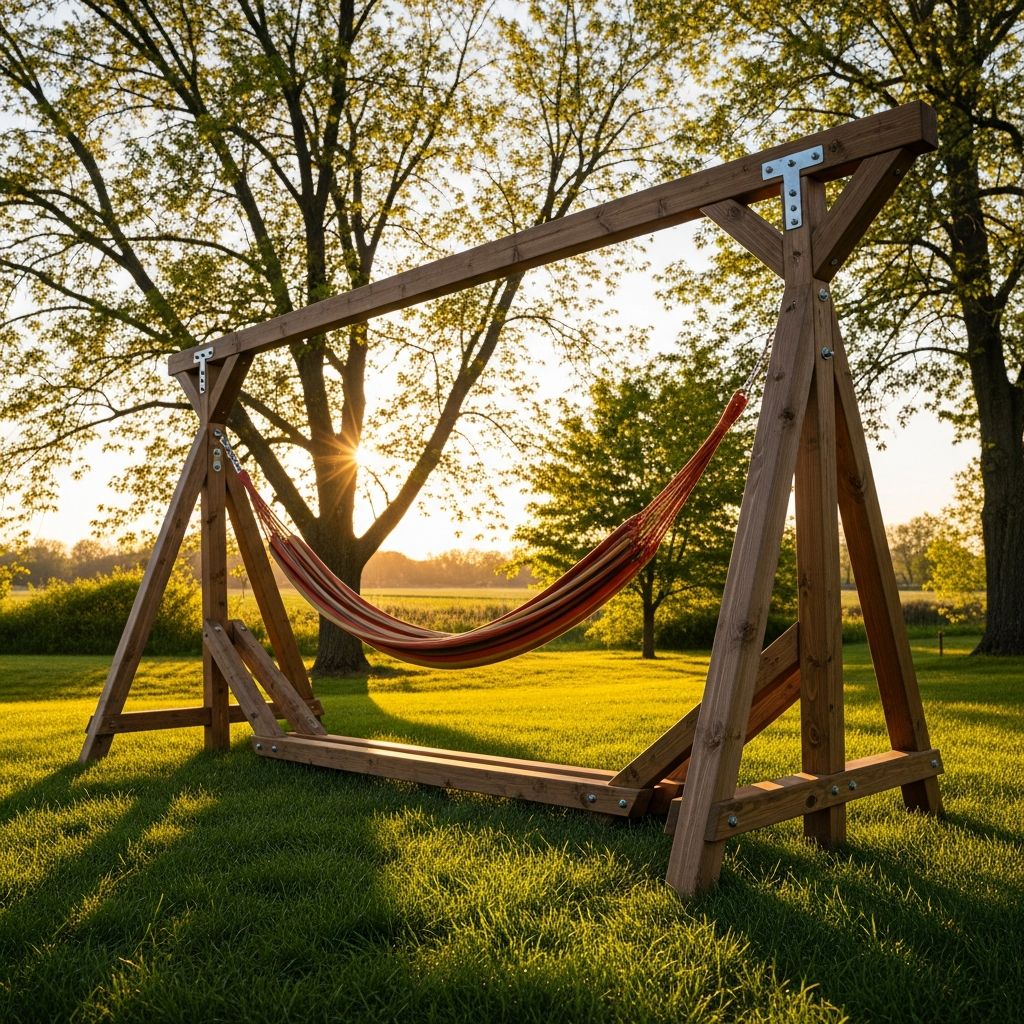
Build Your Own Freestanding Hammock Stand: Ultimate DIY Guide
Creating a freestanding hammock stand opens up endless relaxation possibilities in any outdoor space, even without nearby trees. This comprehensive guide explores various construction methods using PVC pipes, lumber, or natural materials, ensuring stability for weights up to 400 pounds or more. Whether you’re aiming for portability, permanence, or wilderness adventure, these designs prioritize safety, affordability, and ease of assembly.
Why Choose a Freestanding Hammock Stand?
Traditional hammocks rely on sturdy trees spaced 12-15 feet apart, but urban backyards, decks, or campsites often lack them. A freestanding stand solves this by providing a self-contained structure that supports diagonal tension without ground anchors in soft soil. Benefits include portability for travel, customization to fit your space, and cost savings over commercial models priced at $200+.
- Portability: Disassemble and transport in a car trunk.
- Durability: Engineered to withstand wind, weather, and repeated use.
- Versatility: Works on grass, sand, decks, or indoors.
Essential Materials and Tools Overview
Core components across designs include upright posts, base supports, tension elements, and hammock attachments. Select weather-resistant materials like galvanized hardware and UV-protected cords.
| Design Type | Key Materials | Cost Estimate | Build Time |
|---|---|---|---|
| Portable PVC | 1.25″ PVC pipes, paracord, connectors | $50-80 | 2-3 hours |
| Wooden A-Frame | 2×4/4×4 lumber, bolts, screws | $80-120 | 4-6 hours |
| Bushcraft Tripod | Poles, Amsteel rope, carabiners | $20-50 | 1-2 hours |
Universal Tools: Hacksaw, drill, measuring tape, rubber mallet, sandpaper/file, marker, lighter (for cords).
Design 1: Lightweight Portable PVC Stand
This collapsible design uses telescoping PVC pipes for quick setup and breakdown, ideal for camping or small yards. It creates two angled legs per side, stabilized by guy lines.
Materials List
- Four 1.25-inch PVC pipes (27 inches each for bases).
- Two 1-inch PVC pipes (27 inches for extensions).
- 50 feet paracord.
- Stakes (optional metal or wooden).
- Connectors/screws for joints.
Step-by-Step Construction
- Prepare Base Pipes: Cut 1.25-inch pipes to 27 inches. Fold paper into a 15-degree angle guide, wrap around pipe ends, and saw flats for ground contact. File edges smooth.
- Add Joint Points: Mark 13.5 inches from the long flat end on two bases. Drill and secure screws to hold inner pipes without glue for disassembly.
- Assemble Uprights: Slide 1-inch extensions into bases, then top caps with drilled holes for cords.
- Install Tension Cords: Cut paracord into 25-foot halves, melt ends to seal. Create 4-inch loops via Figure-8-on-a-bight knots at pipe tops. Add stopper knots.
- Setup Process: Position hammock, drive bases at 80-degree angles away from center using mallet. Attach cords to stakes at 30 degrees, tension loosely, then connect hammock ends.
Test by applying body weight gradually; adjust angles to prevent bowing.
Design 2: Robust Wooden A-Frame Stand
For permanent backyard use, this lumber build offers superior strength with notched joints and bolted braces. It spans 13 feet, supporting heavy loads.
Materials Breakdown
- Two 2x4x36 inches (bases).
- Two 2x4x84 inches (frames).
- Two 2x4x60 inches (uprights).
- Two 2x4x12 inches (braces).
- Hook screws, 5-inch carriage bolts (4), galvanized screws.
Assembly Instructions
- Notch Frames: Cut 1.5-inch deep notches at frame ends for base fit.
- Angle Uprights: 45-degree bevel on one end of each upright.
- Bolt Bases: Drill pilots through bases and uprights; secure with bolts.
- Secure Frames: Nest bases into notches, screw from underside.
- Add Braces: 45-degree angle on braces, bolt between frames, screw to uprights.
- Finish: Install hook screws at tops for carabiners.
Sand all surfaces and apply outdoor sealant for longevity.
Design 3: Bushcraft Tripod Wilderness Stand
Perfect for off-grid adventures, this uses foraged poles lashed into tripods with a suspended ridgepole. Minimalist and packable.
Gathering and Prep
- Three 8-10 foot straight poles per tripod (green wood ideal).
- Amsteel or paracord for lashing.
- Carabiners, tent sleeve for ridgepole join.
Building Steps
- Form Tripods: Lash tops with continuous rope, carve grooves on pole ends if needed.
- Create Hangers: Adjustable loops from tripods for ridgepole.
- Connect Ridgepole: Two poles joined by sleeve, hung vertically from loops. Add anti-splay ties on legs.
- Attach Hammock: Whipping or hitches on ends for carabiners.
- Erect: Spread tripods 12-14 feet apart, tension under load.
Test rigorously; this design excels in uneven terrain.
Safety Considerations and Best Practices
Stability is paramount: always overload-test to 1.5x expected weight. Avoid soft soil without stakes; use concrete footings for fixed installs. Regular inspections for cracks, loose bolts, or cord wear prevent accidents. Position away from edges, overhead hazards, and ensure 18-inch ground clearance.
- Weight Limits: PVC: 300 lbs; Wood: 500 lbs; Tripod: 400 lbs.
- Weatherproofing: Galvanized fasteners, UV cords, sealants.
- Common Pitfalls: Insufficient tension causes collapse; over-tightening bows poles.
Customization Ideas and Enhancements
Extend usability with mosquito netting attachments, cup holders via drilled holes, or LED string lights. Scale for double hammocks by adding 2 feet to spans. Paint for aesthetics or add wheels for mobility.
Frequently Asked Questions (FAQs)
What is the ideal hammock span for a freestanding stand?
Standard single hammocks need 12-15 feet between attachment points for proper sag.
Can I build one indoors?
Yes, wooden designs work on carpeted floors; ensure non-slip pads on bases.
How do I store a disassembled PVC stand?
Bundle pipes with straps; cords coil neatly to prevent tangles.
Is concrete required for wooden posts?
For permanent setups, yes—dig 2-foot holes, fill after leveling.
What if my soil is rocky?
Use tripod or weighted base designs; avoid hammering PVC.
Maintenance for Longevity
Monthly checks: tighten hardware, replace frayed cords, reapply sealants annually. Disassemble seasonal storage prevents warping. With care, these stands last 5-10 years.
References
- Free-Standing Portable Hammock Stand — Instructables. Accessed 2026. https://www.instructables.com/Free-Standing-Portable-Hammock-Stand/
- Simple Ways to Build a Hammock Stand — TimberTown. Accessed 2026. https://www.timbertown.com/simple-ways-to-build-a-hammock-stand/
- How To Make a Free-Standing Hammock Stand — Bushcraft Days. Accessed 2026. http://www.bushcraftdays.com/how-to-make-a-free-standing-hammock-stand/
- How to Set Up a Backyard Hammock Stand Without Trees — MW Ranches. Accessed 2026. https://www.mwranches.com/blog/how-to-set-up-a-backyard-hammock-stand-without-trees
Similar Articles






Read full bio of Sneha Tete